PVC Windows & the Greek Sun: Will They Yellow? UV Resistance Explained
It's the most classic debate in every home preparing for renovation. The
moment someone suggests uPVC windows for their excellent insulation and
affordable price, there's always someone who says:
"Don't install plastic in Greece! The sun will burn them - they'll
turn yellow in five years and become brittle."
This fear is perfectly justified. The Mediterranean sun is relentless
and UV radiation severely stresses construction materials. But if this
rule still held true, how do we explain uPVC steadily gaining market
share in Greece?
Let's look at what happened in the past, how the modern industry
permanently solved the problem, and what exactly you need to check
before buying to keep your windows pure white for decades.
1. Where Did the Yellowing Myth Come From?
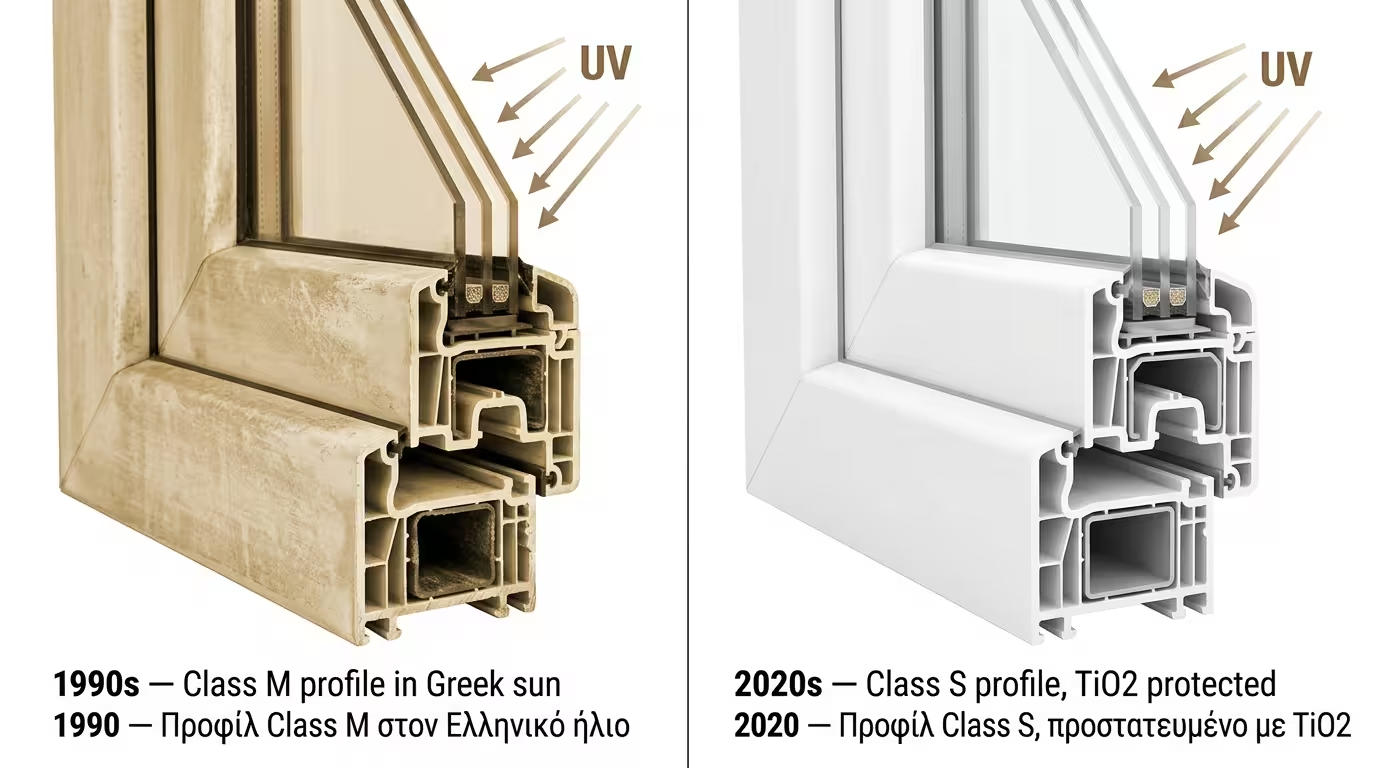
To understand the myth, we need to go back to the 1990s. That's when
the first mass imports of synthetic windows arrived in Greece, mainly
from Northern or Eastern European countries.
🌍 Wrong Climate, Wrong Profile
The problem was that those profiles were designed for the German or Polish climate, where sunshine is limited. When placed in sunny Athens or on the
Greek islands, intense UV radiation broke down the polymer chains.
The result: windows lost their gloss, yellowed ("chalking") and
became brittle.
2. The Modern Solution: Titanium Dioxide (TiO2)
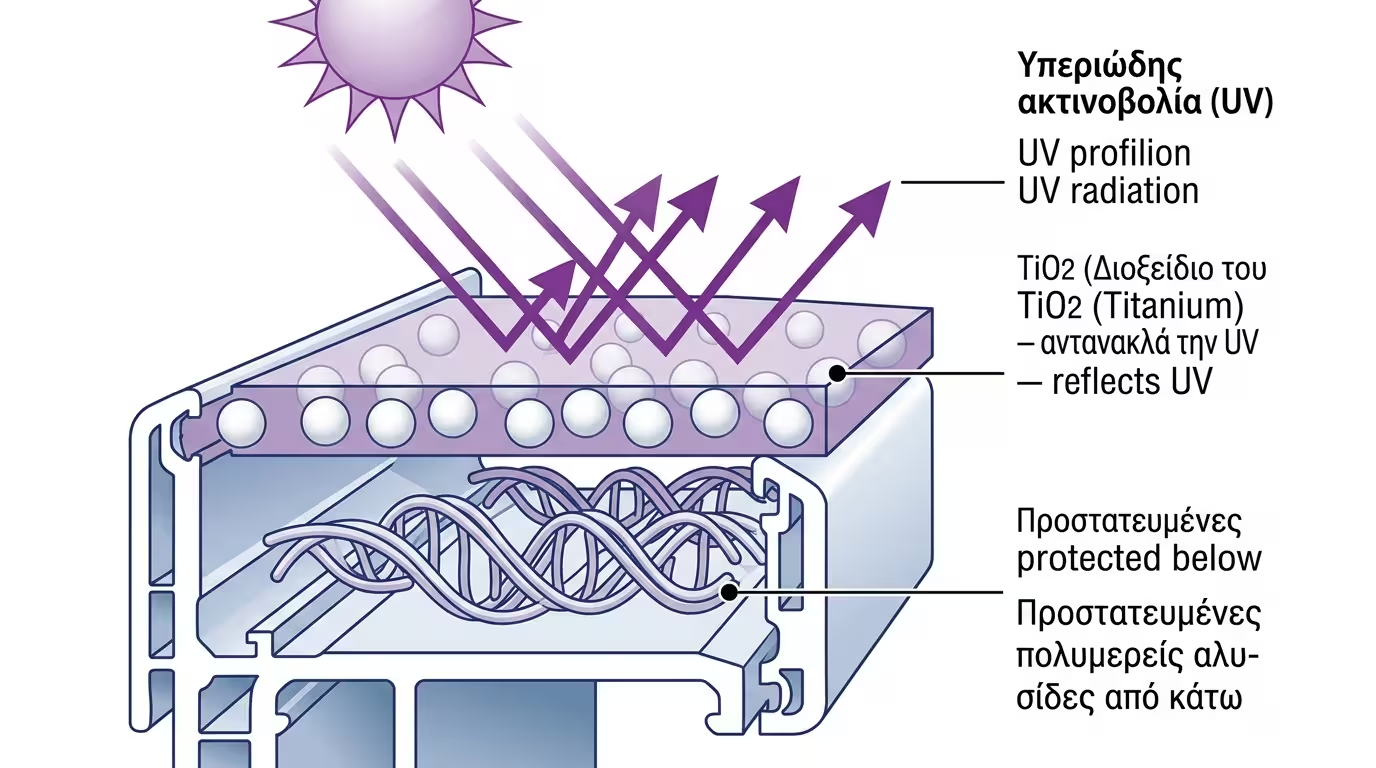
Today, major branded uPVC manufacturers leave nothing to chance. To
shield the material against UV radiation, they add a powerful
ingredient to the plastic compound: Titanium Dioxide (TiO2).
🛡️ The Window's "Sunscreen"
Think of Titanium Dioxide as the window's sunscreen. Just as we apply high-SPF sunscreen to avoid sunburn at the
beach, this ingredient reflects UV radiation, preventing it from
penetrating and destroying the profile structure. The higher the
TiO2 content, the more "invulnerable" the white colour is over time.
3. What Is "Tropical Class" (Severe Climate - Class S)?
To be 100% sure your money is well spent, the salesman's word is not
enough. You need to look for the correct European certification.
❌ Class M (Moderate)
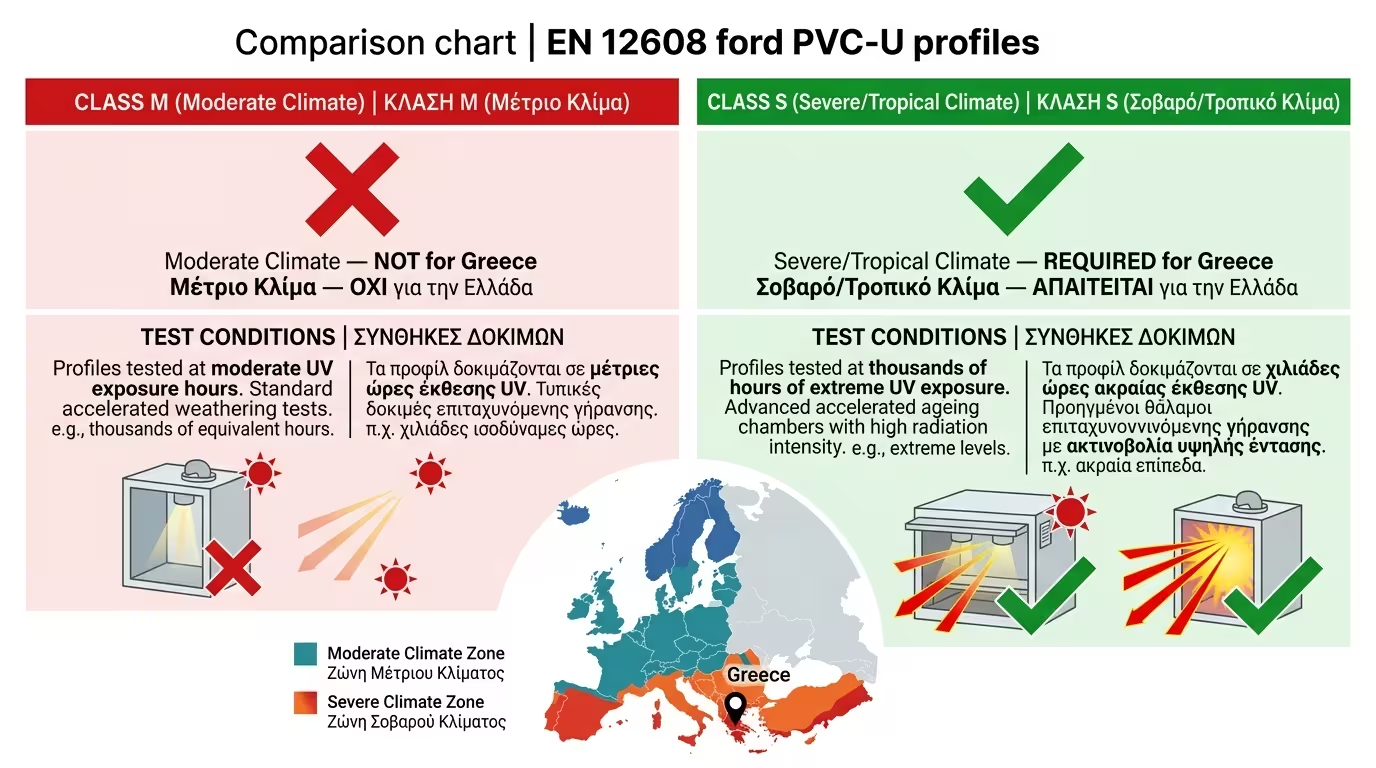
Under European standard EN 12608, uPVC profiles are
divided into climate classes. Class M is intended for moderate
climates (Northern and Central Europe). These profiles must not be installed in Greece.
✅ Class S (Severe) - The Tropical Class
Class S is designed for harsh, sunny climates with high temperatures
(Mediterranean, Middle East). Class S profiles are tested in
accelerated ageing chambers, bombarded with extreme UV doses for
thousands of hours. In Greece, you must insist strictly on Class S profiles only.
4. What About Coloured PVC (e.g. Anthracite or Wood-Look)?
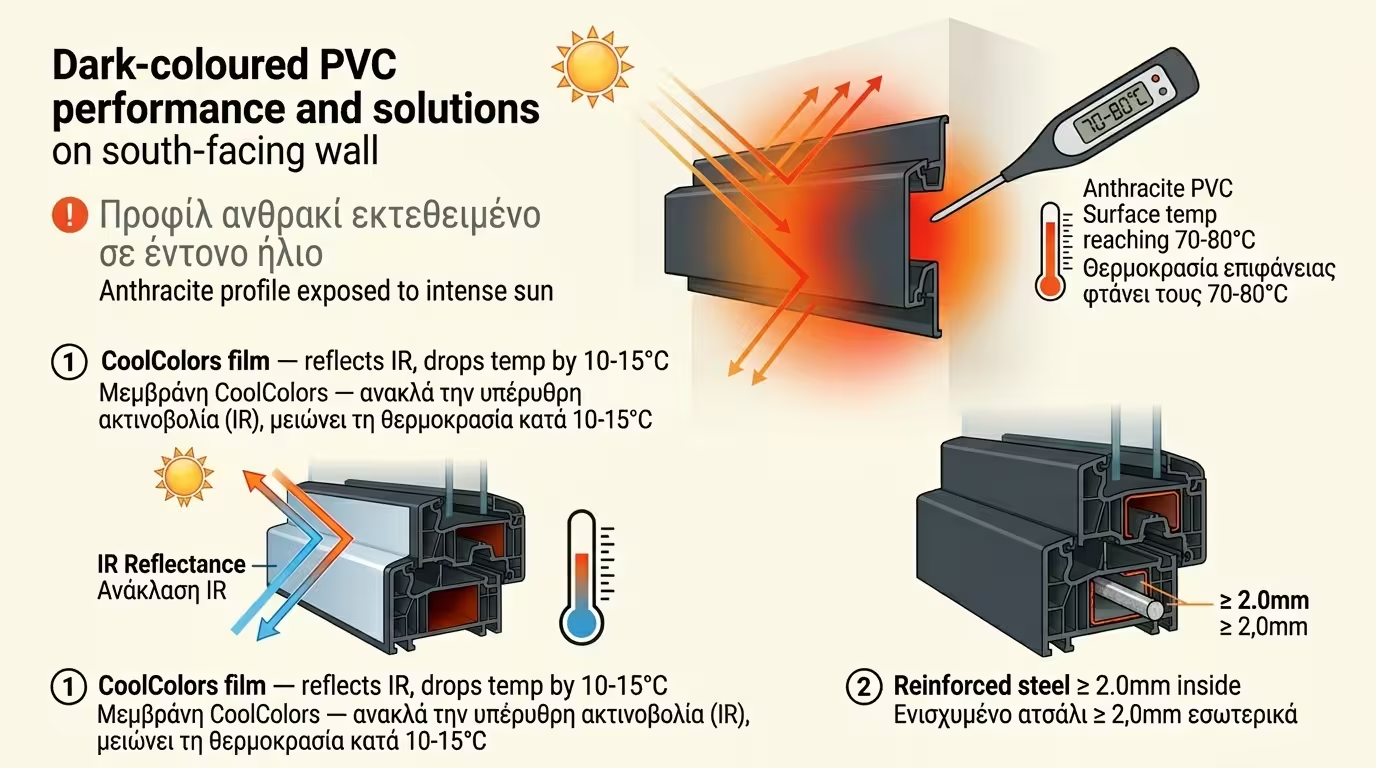
White reflects heat. But what happens if you want modern dark colours
(e.g. Anthracite) or wood-look finishes on a south-facing wall?
⚠️ The Risk: Thermal Deformation
Here the risk isn't yellowing but thermal deformation. A dark plastic under the August sun can develop surface
temperatures of 70-80°C.
1️⃣ CoolColors Film
Coloured PVC is clad with special acrylic films (foils) using
"CoolColors" technology, which reflect infrared (thermal) radiation,
dropping the profile temperature by 10-15 degrees.
2️⃣ Proper Reinforcement
Thicker, stronger galvanised steel is required inside the profile to
contain thermal expansion and prevent the window from warping.
5. In Summary
The "yellowing" myth firmly belongs to the past, as long as you make the
right choice. Modern, branded synthetic windows designed for the Greek
market are heavy-duty, reinforced with titanium filters and engineered
to withstand the most extreme Mediterranean temperatures.
💡 Key Takeaway: Insist on Tropical Class (Class S) per EN 12608 with TiO2 in the formulation. For dark colours, ensure CoolColors film and reinforced steel are present.