uPVC Windows: All the Pros, the Cons & the Biggest Myths
When you start researching new windows, you will inevitably face a major
dilemma. On the one hand, you hear that uPVC (synthetic) windows offer
top-class insulation at an excellent price. On the other hand, someone
may tell you:
"Don't install plastic windows - they'll turn yellow in the sun and
will warp."
The confusion is perfectly understandable. The truth, however, is that
uPVC technology has made huge leaps in recent decades. Modern
uPVC has absolutely nothing in common with the cheap "plastic"
of the 1990s.
Let's set the record straight by objectively examining the pros, the
cons and busting the biggest myths in the Greek market.
1. What Does the "u" in uPVC Mean?
The word PVC (Polyvinyl Chloride) is well known. What makes the
difference in windows is the letter "u" (unplasticized). It means "rigid, non-plasticized" PVC. It does not contain
the chemical plasticizers that make the material flexible (as used in pipes,
for example). uPVC is an extremely stiff, durable and robust construction
material.
2. The Advantages of uPVC Windows: Why They Dominate Europe
Why does uPVC hold over 60% market share in many Central and Northern
European countries? The reasons are purely practical:
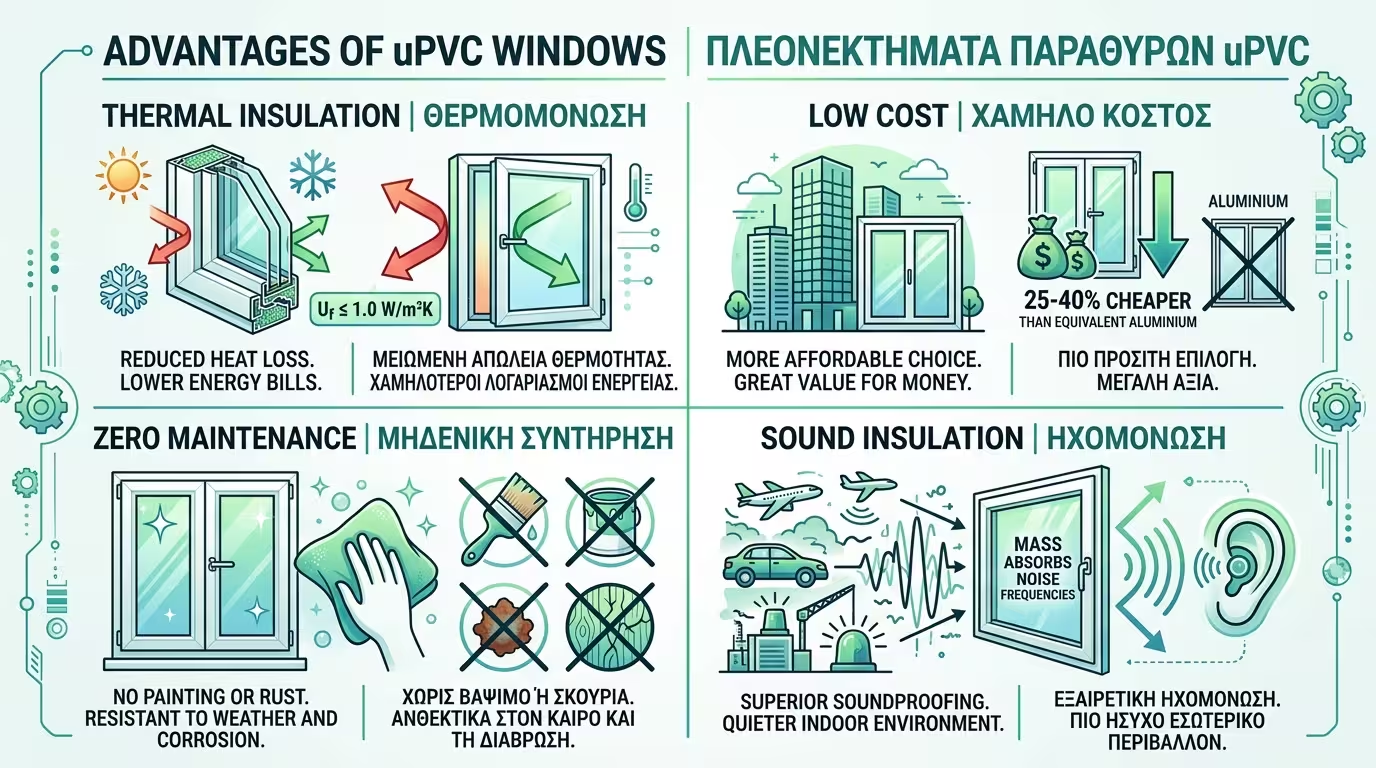
🌡️ Superior Thermal Insulation
Unlike metal, plastic is a naturally poor conductor of heat.
It doesn't need a "thermal break" because it simply doesn't
transfer cold or heat. Combined with the internal air chambers of the
profile, it achieves excellent insulation coefficients (U-value).
🔇 Excellent Soundproofing
The density of the material and the multiple internal chambers
absorb sound waves much more effectively, making it ideal for homes
on busy roads.
💰 Unbeatable Cost (VFM)
It is the ultimate value-for-money choice. You can achieve
energy ratings that would cost
30% to 40% more in aluminium.
🧹 Zero Maintenance
They don't rot, don't rust, and don't need painting. A simple wipe
with a damp cloth and mild soap is enough to keep them looking brand
new.
3. The Disadvantages: What to Watch Out For
No material is perfect. uPVC has specific limitations you should be
aware of:
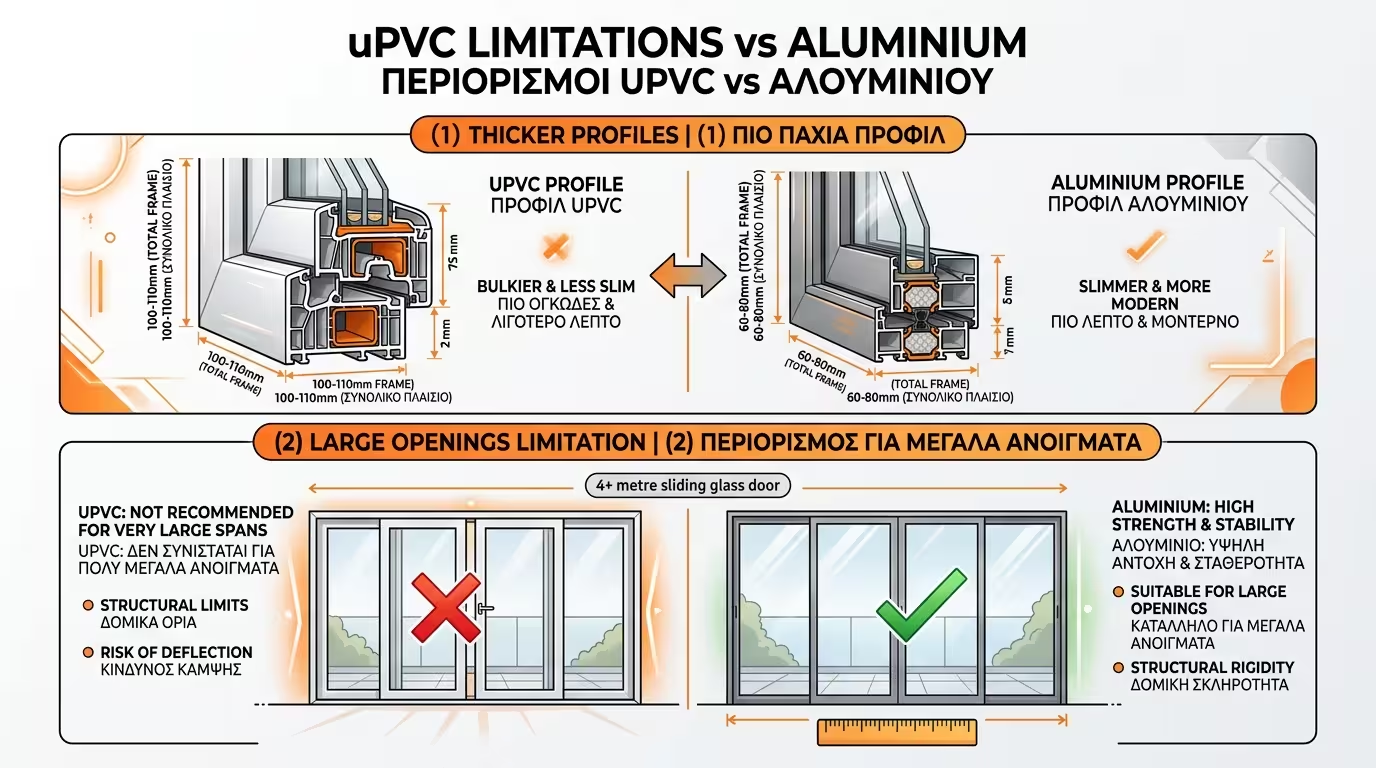
📐 Bulky Profiles (Aesthetics)
To achieve the required structural strength, the uPVC frame
("casing") is usually wider and bulkier compared to the minimal,
slim profiles of modern aluminium. If you want "invisible" frames, uPVC is not for you.
🏗️ Limitation on Large Openings
If you want to build a huge 5-metre sliding patio door, uPVC will
struggle. Due to weight and statics, aluminium remains
the undisputed leader in very large architectural openings.
4. Busting the Myths of the Greek Market
The Greek market is full of prejudices born from poor-quality cheap
imports in the past. Let's look at the truth:
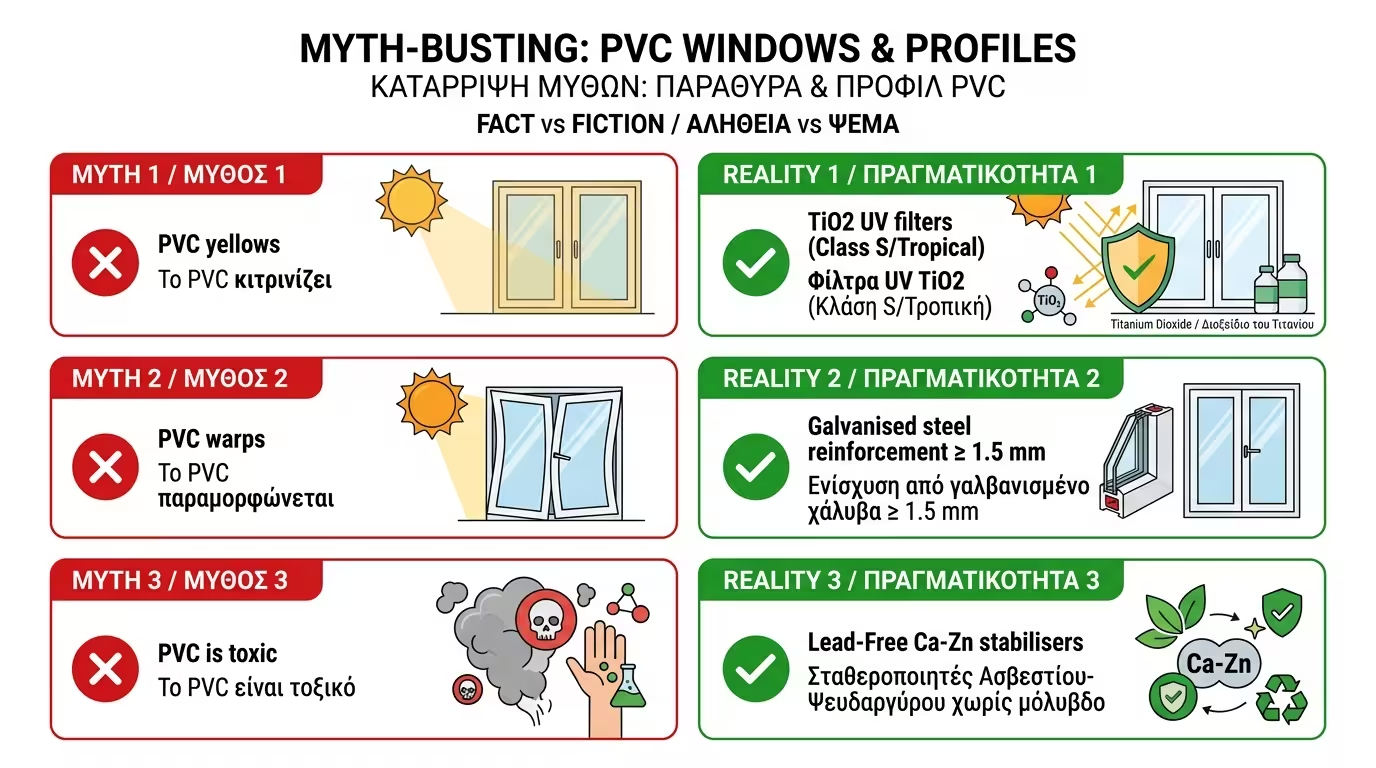
❌ Myth 1: "They'll turn yellow in the Greek sun"
The Truth: That was true in the 1990s. Today, branded,
certified uPVC profiles are rated
"Tropical Class". Their formulation is reinforced
with titanium dioxide (TiO2), a powerful UV filter that acts as
"sunscreen", guaranteeing that the white colour will remain pure
white for decades, even on the Greek islands.
❌ Myth 2: "They're soft and will warp over time"
The Truth: A quality uPVC window is not just plain plastic.
Inside the profile, hidden from sight, there is a strong galvanised steel skeleton (reinforcement). This steel core is what is screwed into the wall, giving the
window absolute rigidity, stability and anti-burglary resistance. If
it warps, the manufacturer is to blame for cutting costs on the
correct steel thickness - not the material!
❌ Myth 3: "They're toxic and hazardous to health"
The Truth: In the past, lead compounds were used to stabilise
PVC. For many years now, European regulation has banned them. Modern,
branded uPVC is
Lead-Free, using completely safe, ecological
Calcium-Zinc (Ca-Zn) stabilisers. The material is 100% recyclable
and absolutely safe - approved even for use in hospitals.
5. In Summary
uPVC windows are not a "second-rate" or cheap stopgap solution. They are
a smart, technologically advanced choice offering top-class insulation,
quietness and security, while saving you significant money. Just make
sure you choose branded, certified profiles and, of course, certified
manufacturers who will properly install the internal steel
reinforcement.
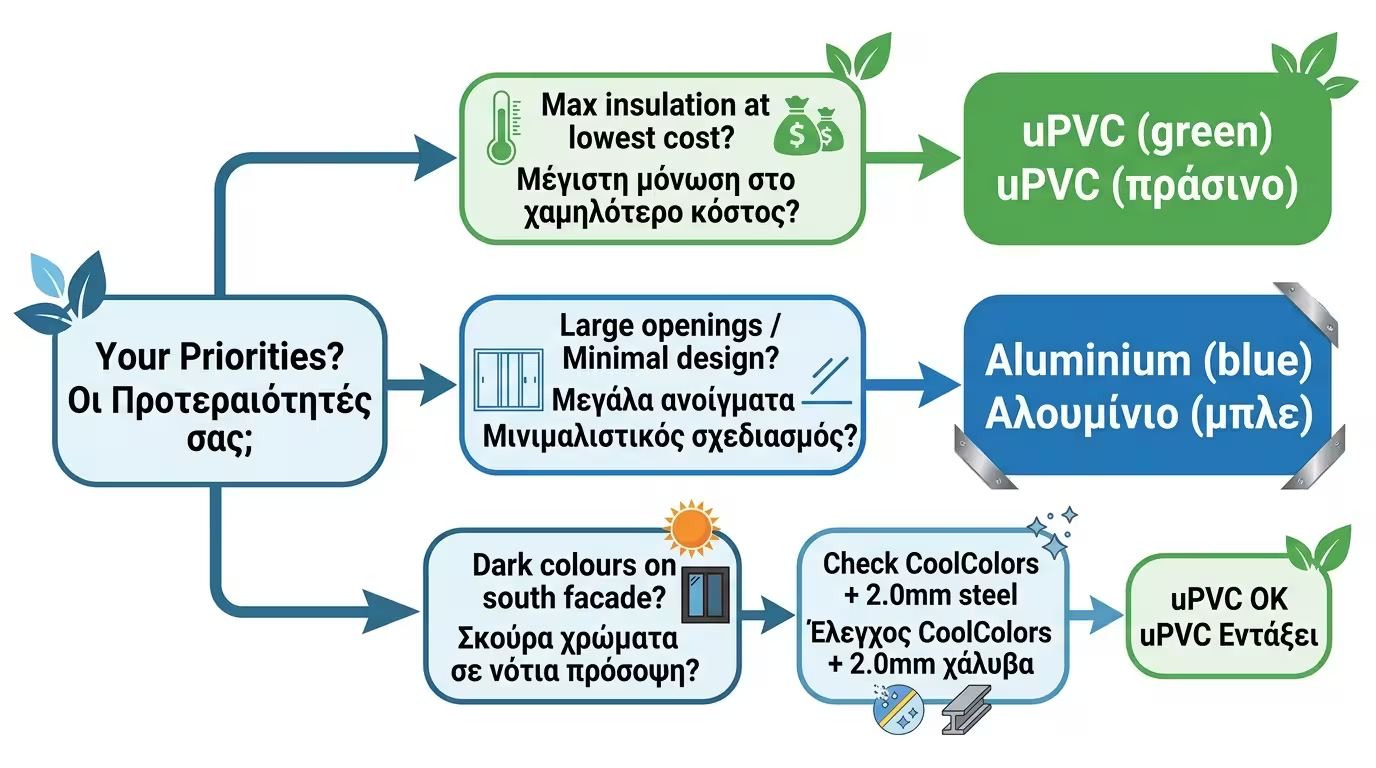
💡 Key Takeaway: uPVC is the top
value-for-money choice for thermal insulation in Greece.
Forget the myths - insist on Tropical Class,
steel reinforcement and Lead-Free
certified profiles.