The Ecological Footprint of Aluminium, "Green Aluminium" & Green Building

The construction industry today accounts for almost 40 % of global CO₂ emissions. In an era when record floods, heatwaves and wildfires hit even our islands, the question is no longer "whether" we should build greener, but how quickly.

Aluminium windows and doors are at the centre of this discussion-both as a problem (primary aluminium production is energy-intensive) and as a solution (it is 100 % recyclable, again and again, without any loss of properties).

1. Primary vs Secondary Aluminium: The Critical Difference

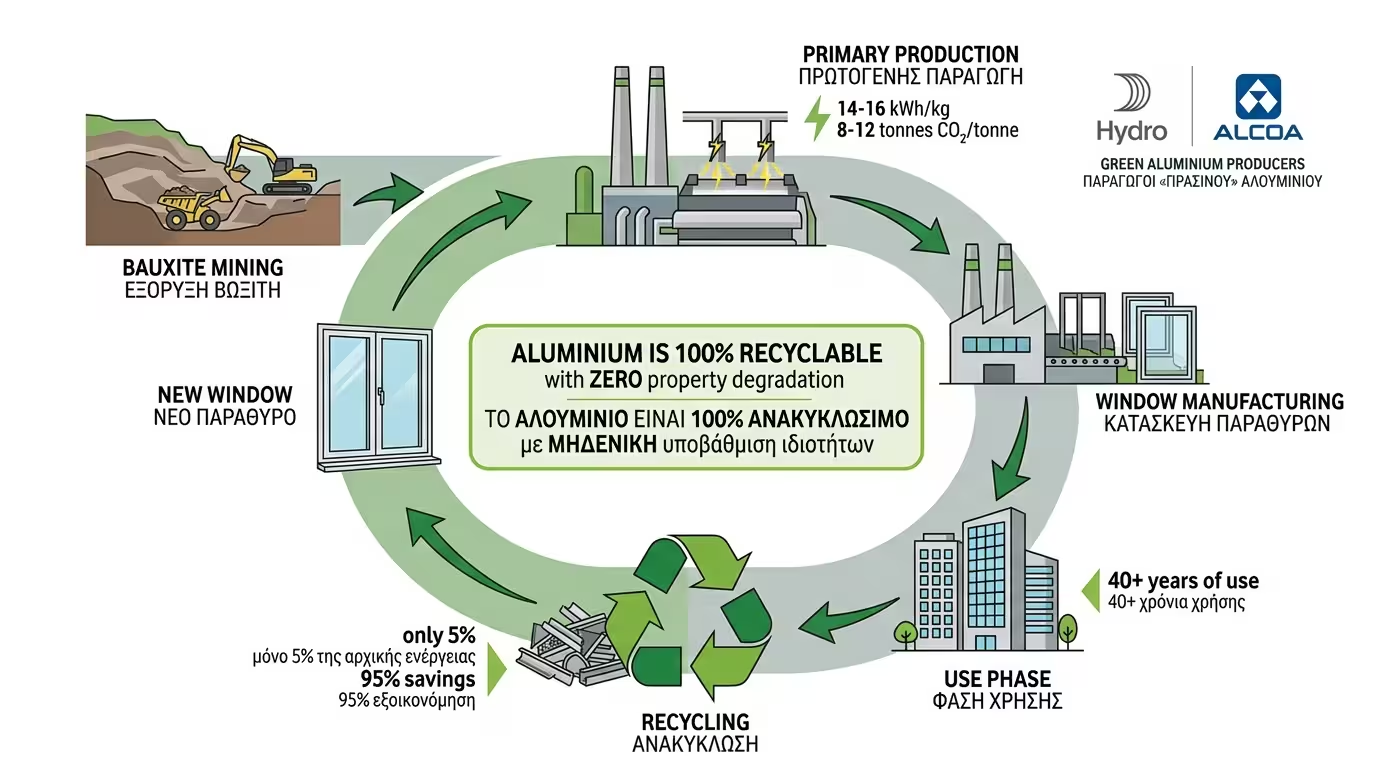
Mining bauxite and electrolysis to convert it into primary aluminium requires enormous amounts of electrical energy (approximately 14–16 kWh/kg). This means that producing 1 tonne of primary aluminium emits 8–12 tonnes of CO₂ (depending on the electricity source).

In contrast, aluminium recycling (secondary aluminium) needs only 5 % of the original energy. In other words, melting down old windows, cans or automotive scrap creates new aluminium while saving 95 % of the energy and emissions.

Aluminium recycling loop - 95% energy reduction in secondary production

♻️ 100 % Recyclable

Aluminium can be recycled indefinitely without any degradation of its mechanical or aesthetic properties. A window removed after 40 years does not go to landfill: it is re-melted and becomes a window again. This cannot be said of any other window material (neither PVC nor wood).
🌍 "Green Aluminium"

The term "Green Aluminium" refers to aluminium produced using renewable energy sources (hydroelectric, wind) and/or with a high percentage of recycled content. Major European producers such as Hydro (Norway) and Alcoa now offer certified "low-carbon" aluminium.

2. EPD: The Environmental Identity of the Material

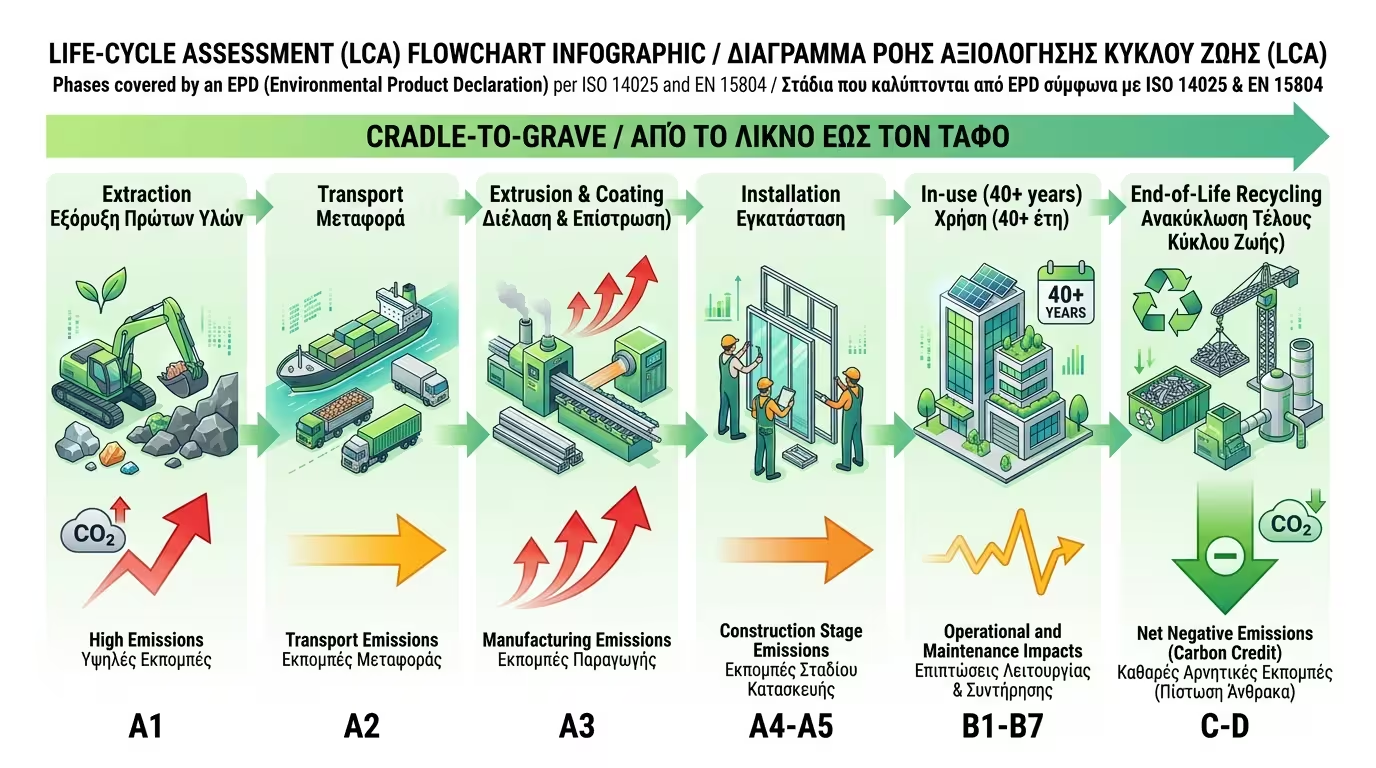
Every serious window manufacturer can provide an EPD (Environmental Product Declaration) for the aluminium profiles used. This is a certified document (per ISO 14025 and EN 15804) that details the environmental footprint of a product from cradle to grave.

EPD - Environmental Product Declaration, life-cycle assessment LCA

📊 What It Includes

A full life-cycle assessment (LCA): CO₂ emissions in every phase (extraction, transport, extrusion, coating, installation, use, recycling), water consumption, resource use and waste generation.

🏢 Why It Matters to You

If you are designing a building that targets LEED, BREEAM or "Green Building" certification, using aluminium profiles with a certified EPD earns you additional credits in the rating system.

3. Green Building in Greece: Why Aluminium Windows Excel

Within the Green Building framework, materials are evaluated on three axes: production footprint, in-use performance, end-of-life recyclability.

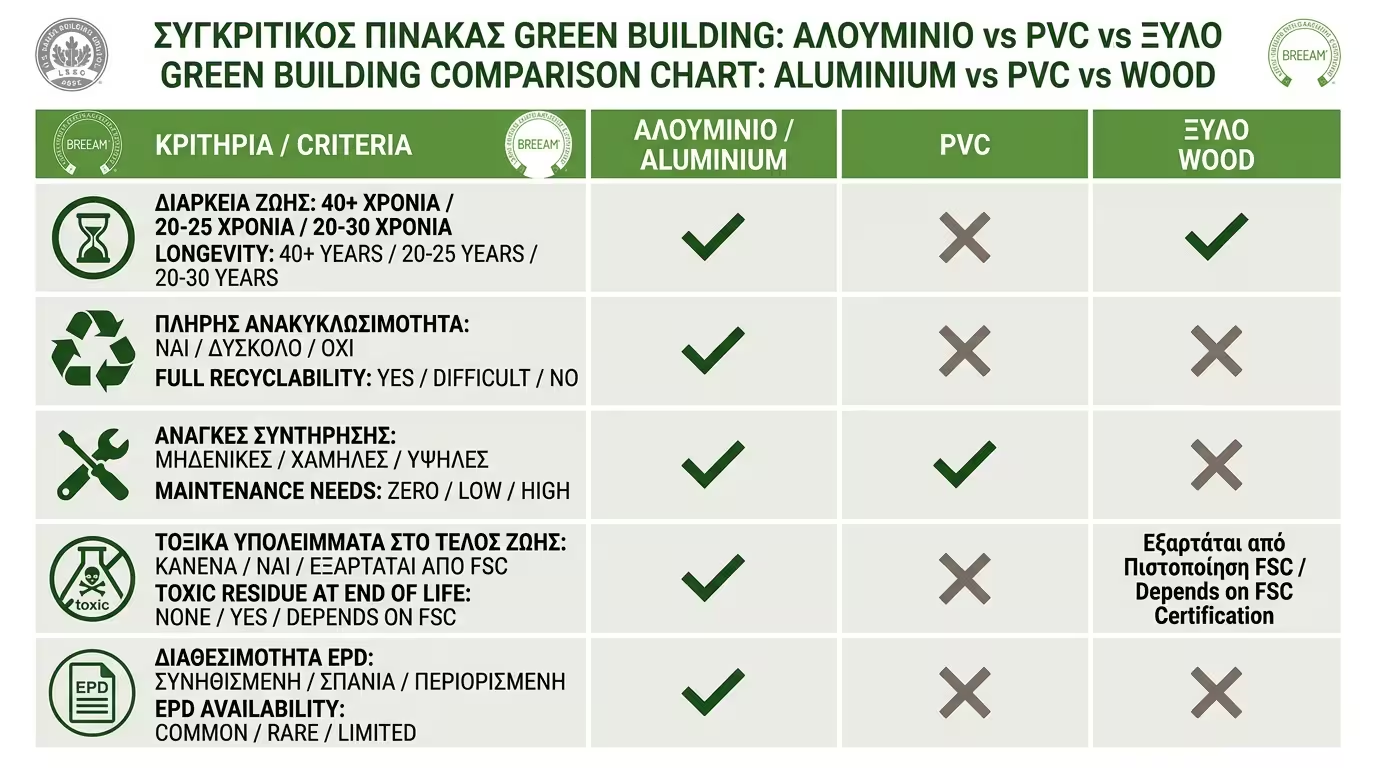
LEED BREEAM - green building certification and the role of aluminium

✅ The Advantages

Longevity: Aluminium windows last 40+ years without replacement. Energy Performance: Modern thermal-break systems with triple glazing drastically reduce heat losses. Full Recyclability: At end of life they leave no plastic or toxic residue behind.

📌 Comparison with Other Materials

PVC windows, while cheaper, are not easily recycled (and in many landfills they represent a long-term pollutant). Timber windows require ongoing maintenance and, unless sourced from certified forests (FSC), have a negative environmental footprint. Aluminium - especially when produced as "Green Aluminium" - now offers the best balance of durability, insulation and recyclability.

4. What to Ask Your Manufacturer

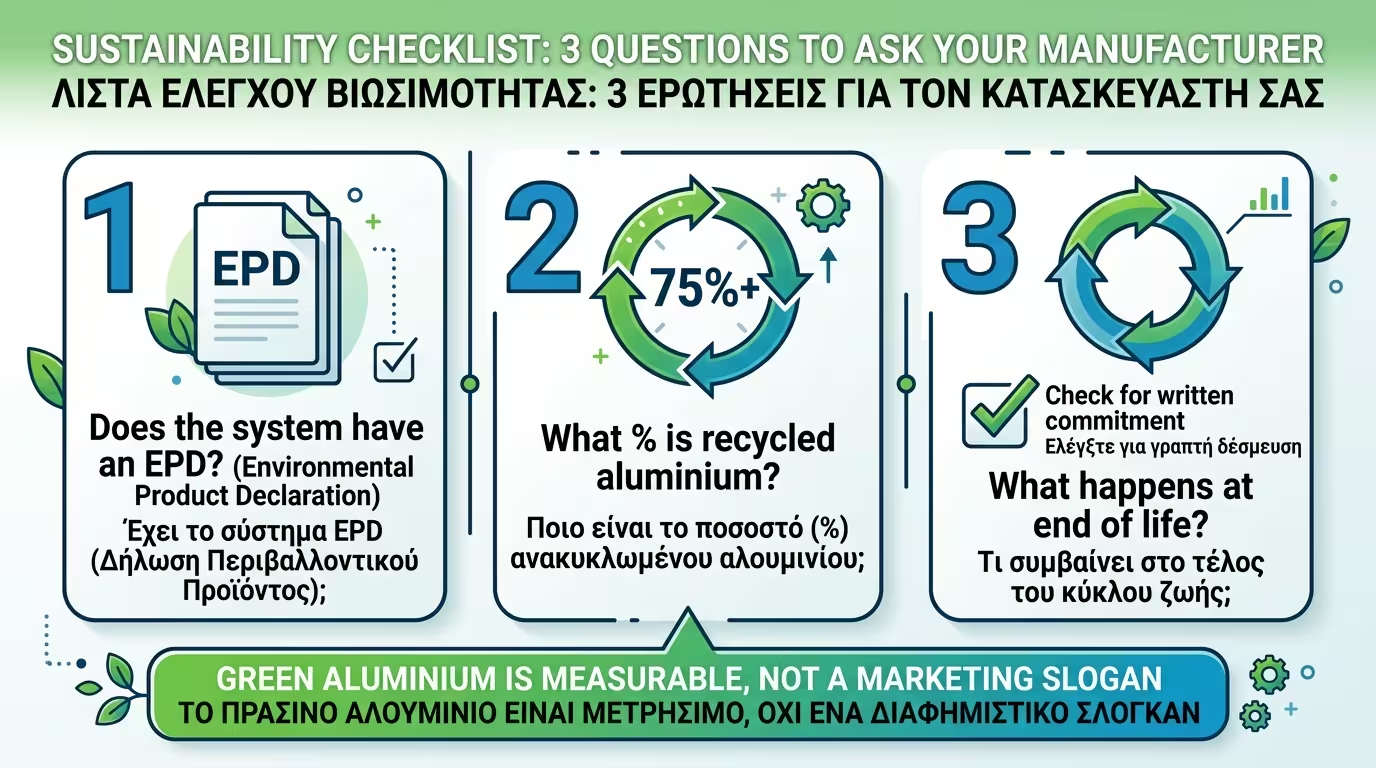
If you truly want to reduce the ecological footprint of your home, there are questions you can (and should) ask:

What to ask - EPD, Green Aluminium, recycling commitment

1️⃣ Do They Have an EPD?

Request a copy of the EPD for the system being proposed. If none exists, ask the profile manufacturer, who should have issued one.

2️⃣ What % Is Recycled Aluminium?

Ask explicitly whether the system contains secondary aluminium and in what percentage. Several European manufacturers now offer profiles with 75 %+ recycled content.

3️⃣ What Happens at End of Life?

Request a written commitment that old windows will be collected and sent to a certified aluminium recycling facility (rather than discarded as waste).

💡 Key Takeaway: "Green Aluminium" is not a marketing slogan-it is measurable. Ask for the EPD, check the recycled content percentage, and think about the full life cycle, not just the purchase price.

Related Articles

Frame Materials & Finishes for Windows & Doors

Return to category.

Go to category

Preview