
🔄 Elasticity
The new coatings are extremely elastic. They become "one" with the wood and follow its expansion and contraction without cracking or breaking.
When the conversation turns to wooden windows, there is always one word that makes most homeowners hesitate: Maintenance. In most people's minds, choosing wood is inextricably linked to images from the past: summers full of dust, endless sanding, strong solvent smells and paint that peeled again after 2-3 years.
This is the #1 reason many reject wood, despite loving its aesthetics and top-tier insulation. We have news that will overturn everything you knew: The maintenance of modern wooden windows has absolutely nothing in common with the past. Let's examine why old varnishes were destroyed, how material chemistry solved the problem, and what is truly required (in time and money) to keep your new wooden windows looking brand new for a lifetime.
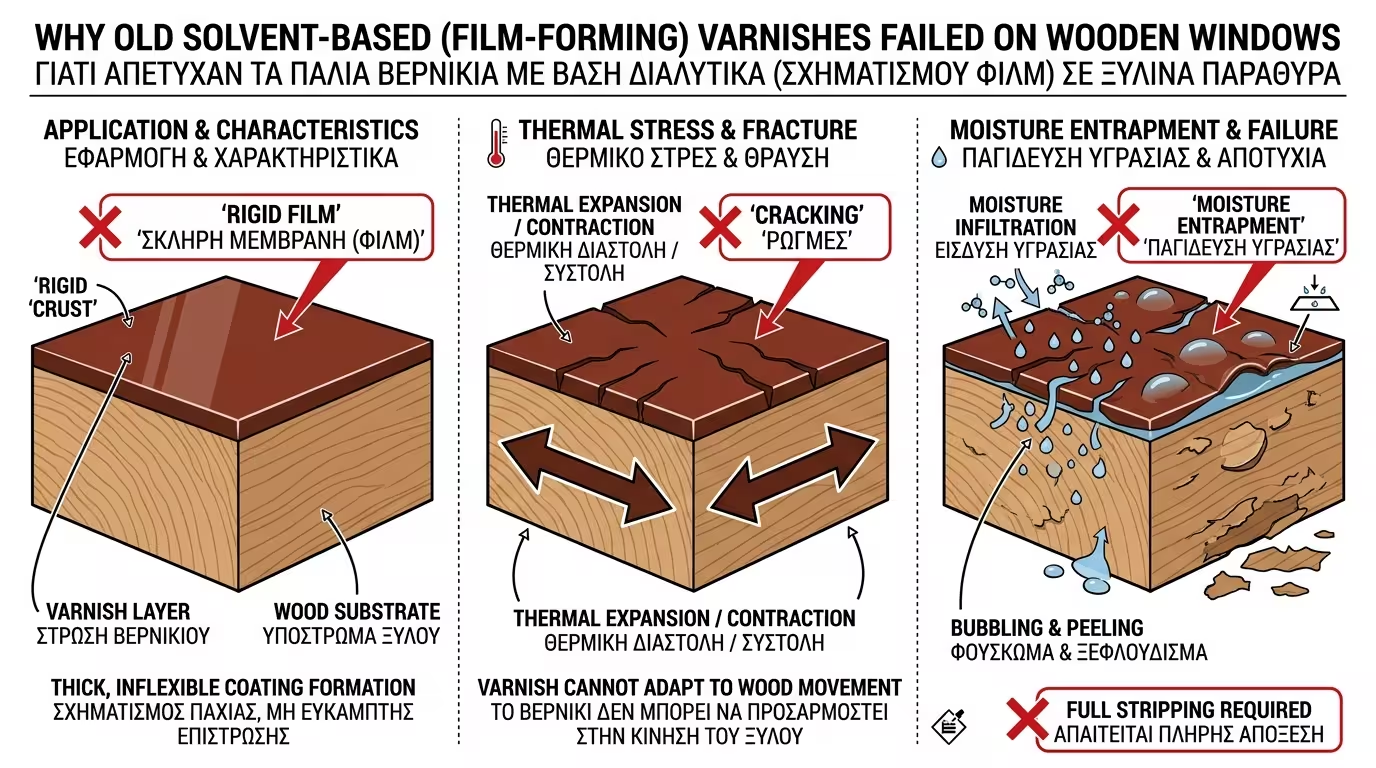
To understand the evolution, we must look at what went wrong. Carpenters used solvent-based (crusty) varnishes. These varnishes created a hard, thick "film" (a crust) on the wood surface.
However, wood expands and contracts with changes in temperature and humidity. The hard varnish crust could not follow this movement. So it "cracked" (developed fissures). Moisture entered through the cracks, became trapped under the varnish, and with the help of the sun caused the paint to peel like sunburned skin. The only solution was the painful sanding down to bare wood and repainting from scratch.
Today, factories exclusively use water-based, micro-porous impregnation coatings. This is a technological revolution that changed the rules of the game:
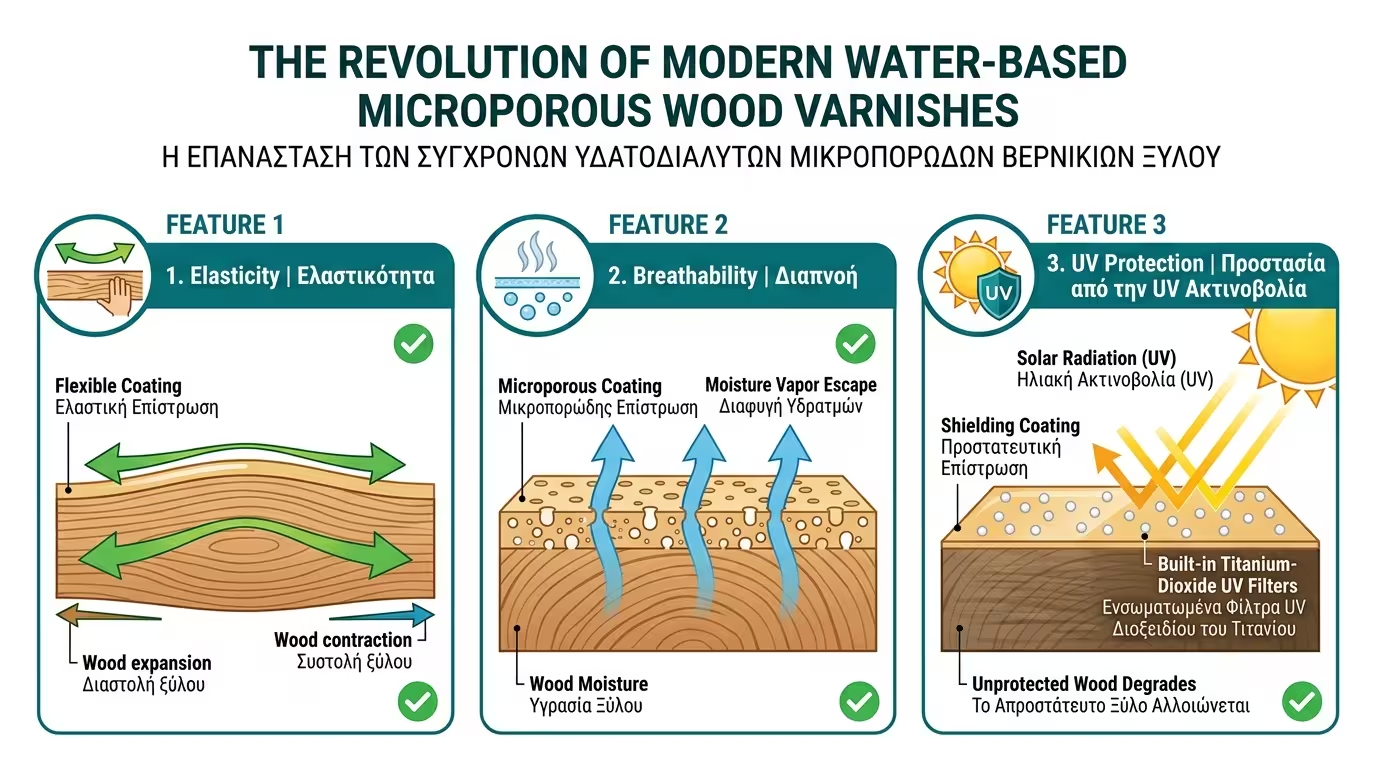
The new coatings are extremely elastic. They become "one" with the wood and follow its expansion and contraction without cracking or breaking.
They allow the wood to "breathe". If moisture enters the interior of the profile, it can freely evaporate outward without blistering or peeling the paint.
They incorporate strong ultraviolet protection filters, preventing fading of the colour shade over the years.
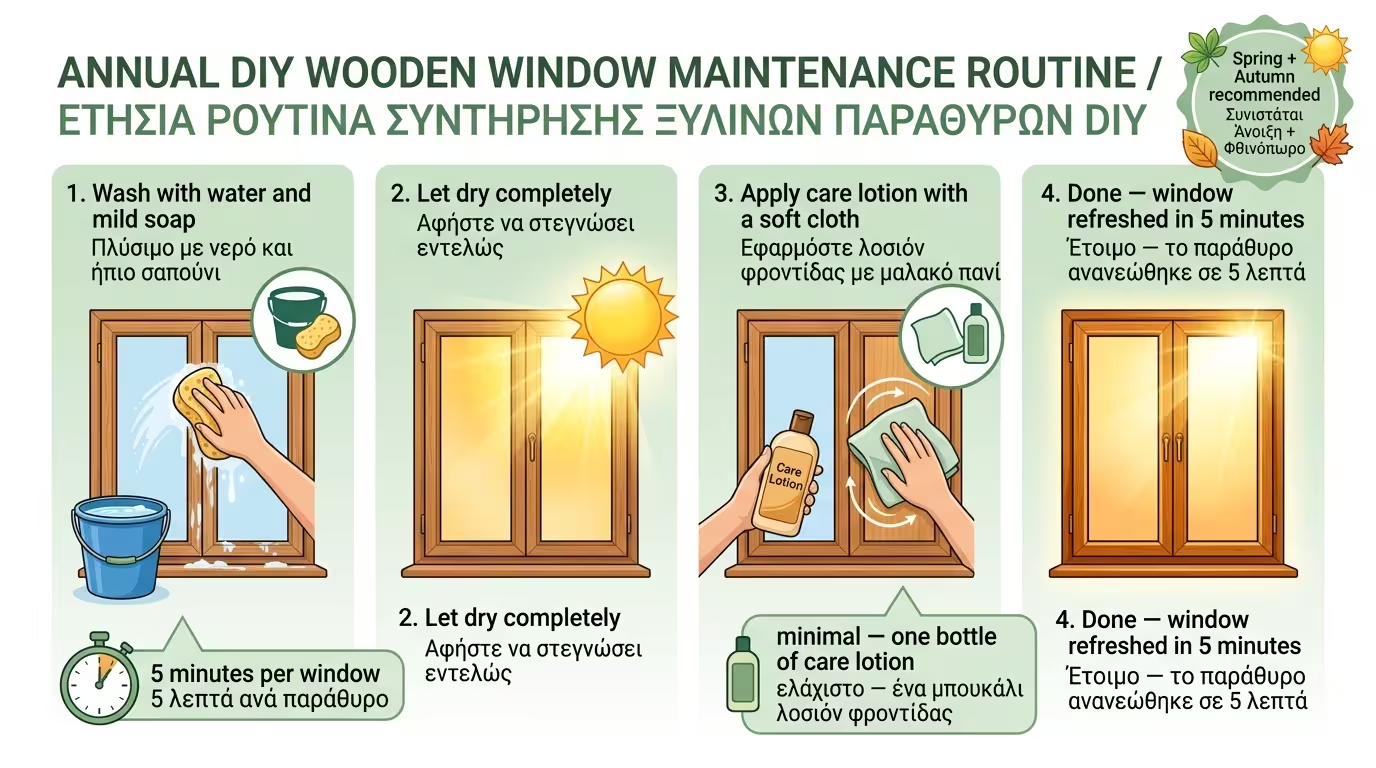
Forget the craftsman, scaffolding and sandpaper. Annual maintenance of modern wooden windows is a simple DIY process that resembles furniture care more than construction work.
Once or twice a year (ideally spring and autumn), after simply washing the window with water and mild soap, you apply a special care lotion (care milk).
The procedure: You apply it with a special sponge or cloth (just like waxing a car). Its role: The lotion closes the coating's micro-pores, refreshes the shine, nourishes the wood and reinforces UV protection. It literally takes 5 minutes per window!
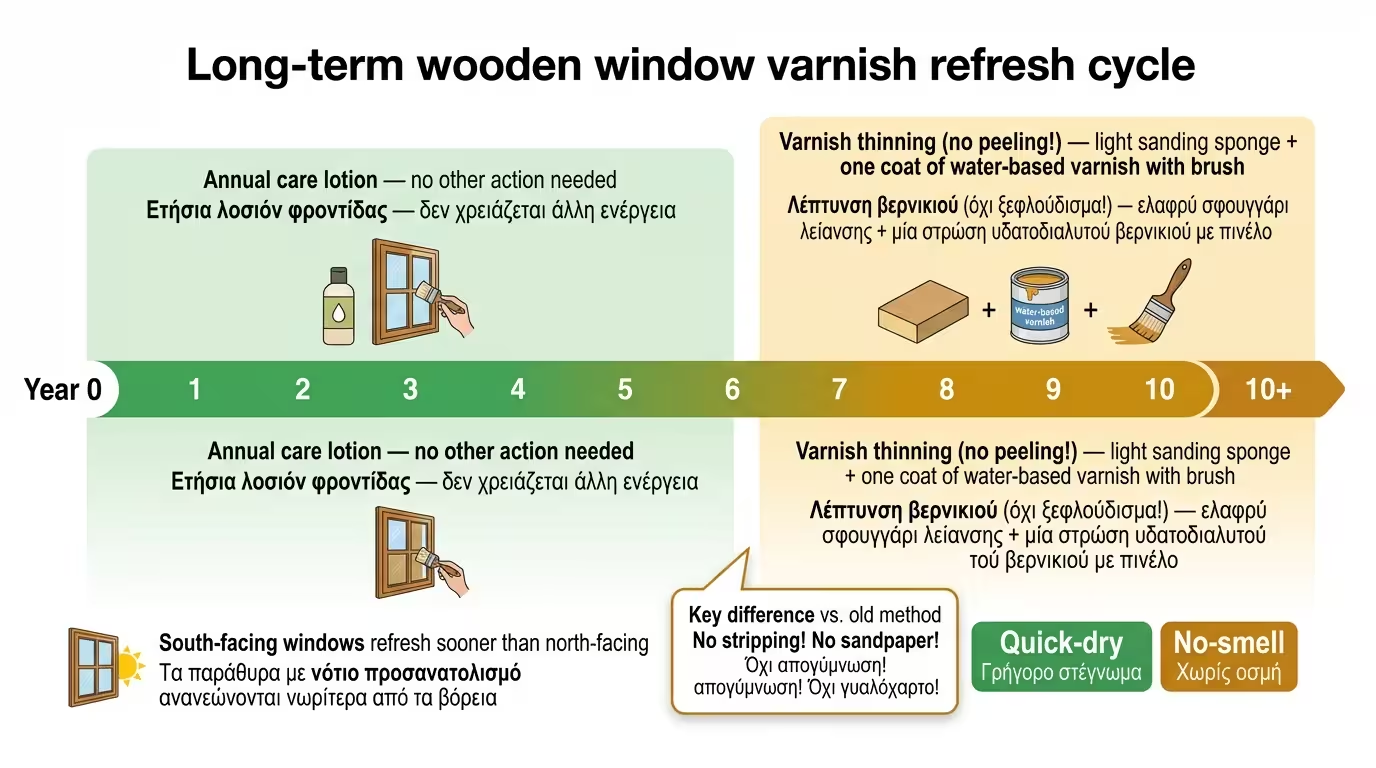
If you are diligent with the annual lotion, the varnish will last many years. Depending on the window's exposure (south-facing windows endure more stress than north-facing ones), at some point after the 7th or 10th year the varnish may begin to thin (lighten slightly) - but it will not peel.
The procedure: No sanding needed! A light "scuffing" (a pass with a fine sanding sponge) just enough to open the pores, and one coat of fresh water-based varnish by brush is sufficient. The water-based varnish dries extremely fast and is completely odour-free.
The myth of "unbearable maintenance" is simply that - a myth, stuck in past decades. The cost and time required by modern maintenance are minimal, especially when you consider the incomparable warmth, the top-tier thermal insulation, and the timeless added value that natural wood brings to your property.
💡 Key Takeaway: Annual care = 5 min/window. Coating refresh every 7-10 years, no sanding. Modern water-based coatings don't peel.
Return to category.
Go to categoryReturn to the central guide.
Go to guide