🎨 Unlimited Colours
You can choose literally any shade from the RAL palette.
You have chosen the ideal thermal-break profile, decided on the best energy-efficient glass, and now comes the finishing touch: the colour. Many homeowners believe the paint choice is purely aesthetic. That is a huge mistake.
In the harsh Greek reality, where the blazing summer sun "roasts" surfaces and sea salt corrodes metals, the paint on your aluminium is not merely colour. It is the ultimate protective shield for your window.
Let us analyse the three main aluminium coating methods (Powder Coating, Anodising and Sublimation), their pros and cons, so you can make the choice that will keep your windows looking brand new for decades.
Powder coating is the most common and time-tested method on the market. In this process, the aluminium profile is sprayed with a special coloured powder that is electrostatically charged to adhere to the metal. The profile then enters an oven (at approximately 200 °C), where the powder melts and polymerises, creating a hard, uniform surface.
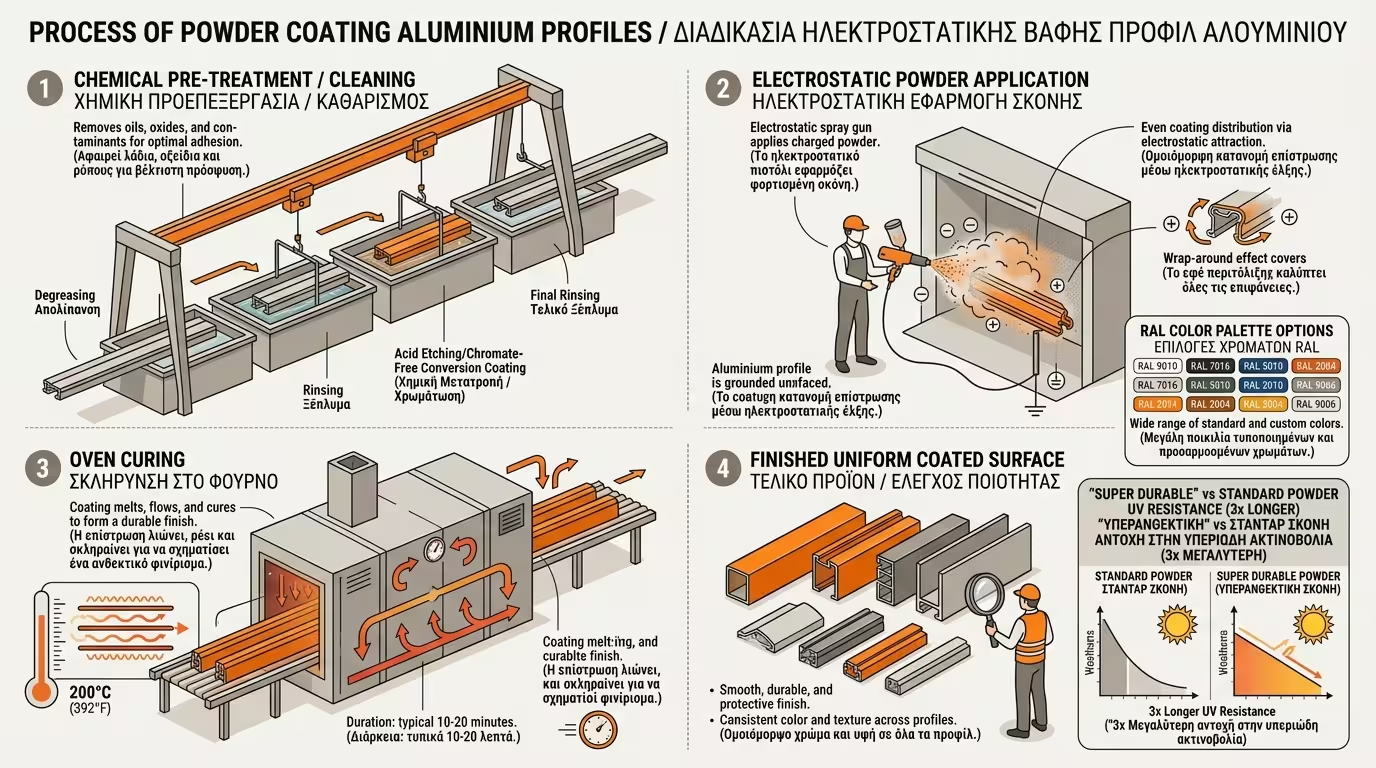
You can choose literally any shade from the RAL palette.
Available in gloss, matte, as well as textured / metallic finishes (so-called Sablé or super-durable coatings).
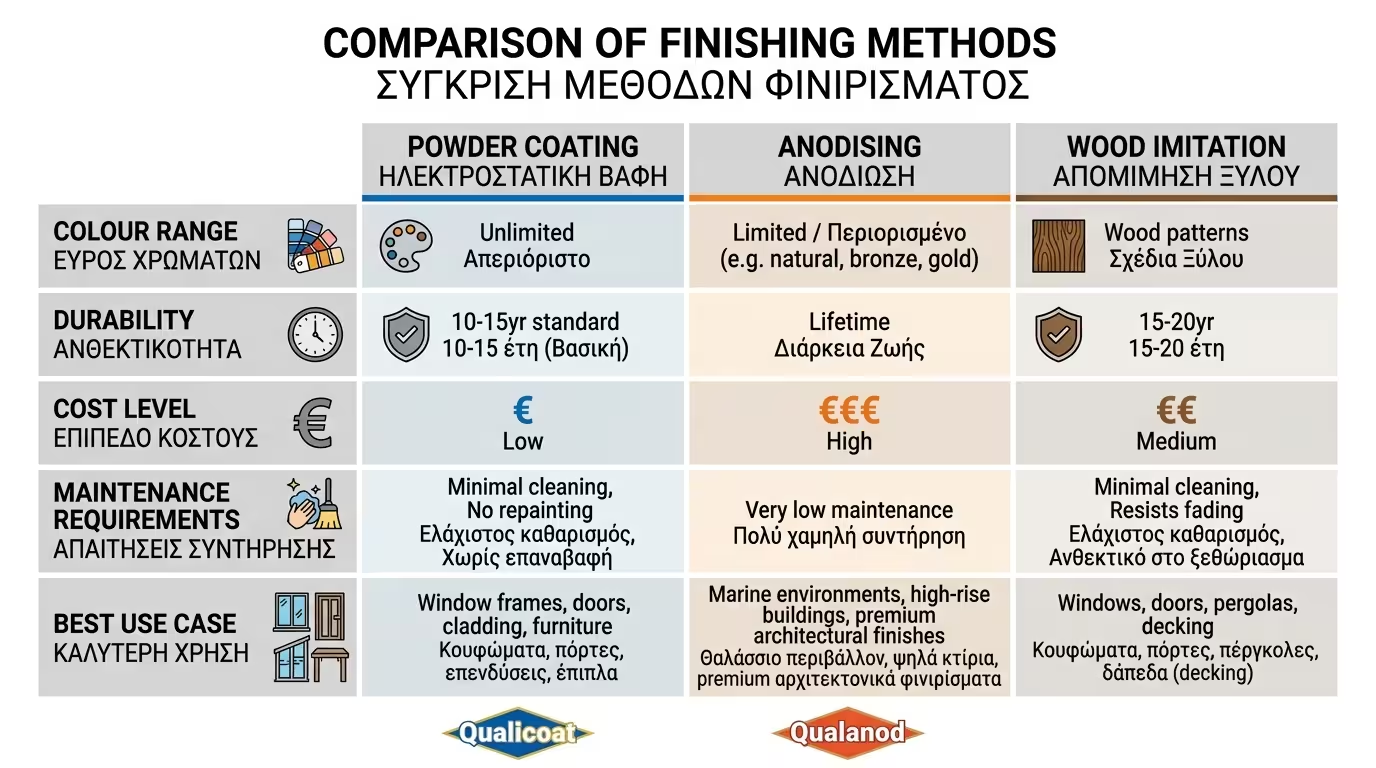
Typically the most affordable option in standard shades (e.g. white). For basic colours, powder coating remains the most cost-effective method for residential aluminium window frames.
In Greece, standard powders may fade (the "chalking" effect) after 10–15 years in the sun. Ask your manufacturer for Super Durable Powders, which offer 3 times greater UV resistance.
Unlike powder coating, which "adds" a layer of colour on top of the aluminium, anodising is an electrochemical process that alters the metal's own surface. The aluminium is immersed in special liquids and, through electricity, an artificial, extremely hard oxide layer is formed.
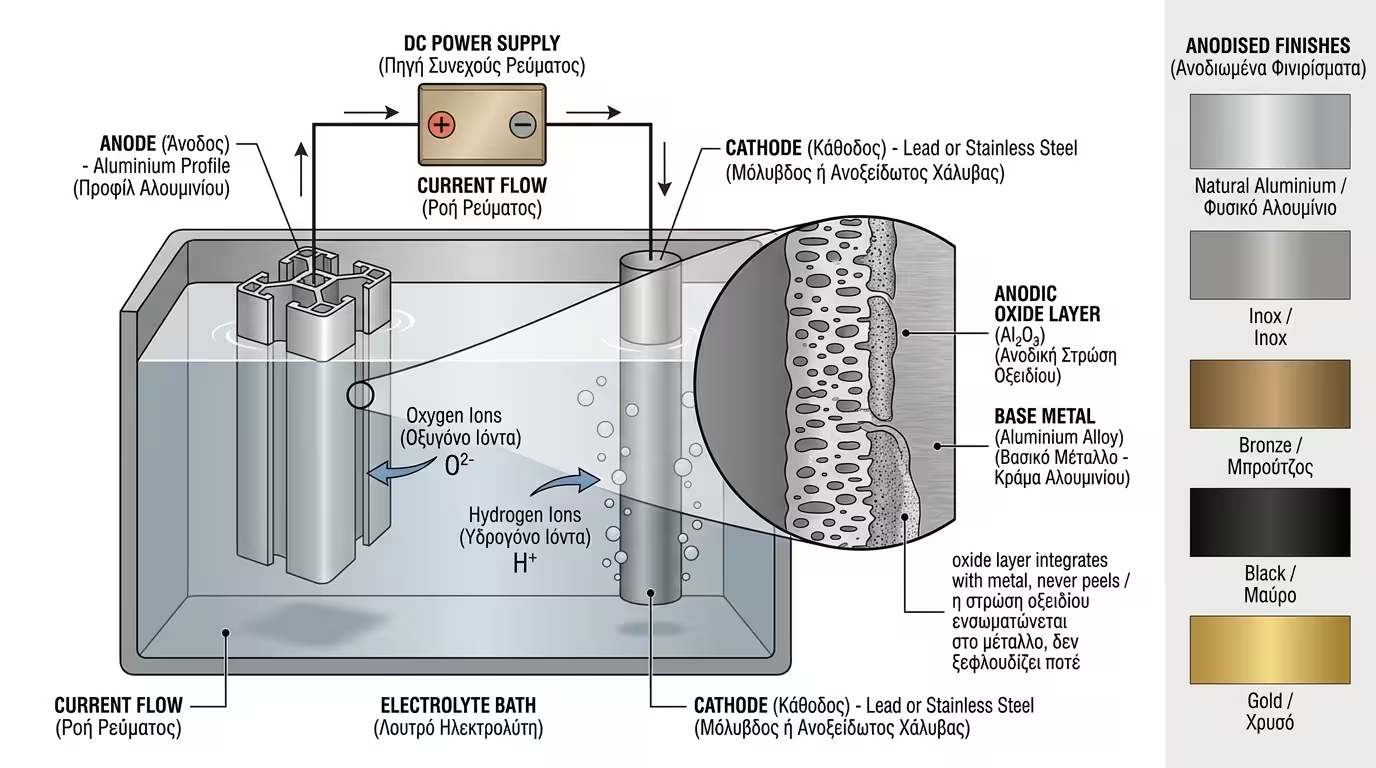
The anodised layer fuses with the metal. This means it will never peel or crack.
It creates an incredibly hard surface, making it ideal for public buildings or entrance doors with heavy use.
It offers a premium, metallic look (Inox, Bronze, Natural Aluminium) that showcases the material's authentic texture.
The colour range is very limited (mainly shades of grey, silver, bronze, black and gold) and the cost is higher than standard powder coating.
Want the traditional warmth and beauty of wood without the constant maintenance, sanding and varnishing? The solution is wood imitation on aluminium, achieved primarily through the sublimation method.
The process is impressive: first the profile is powder-coated in a base colour. Then it is wrapped in a special film printed with the wood "grain". Inside a special vacuum oven, the ink from the film turns to gas and permanently "infuses" the aluminium's coating.
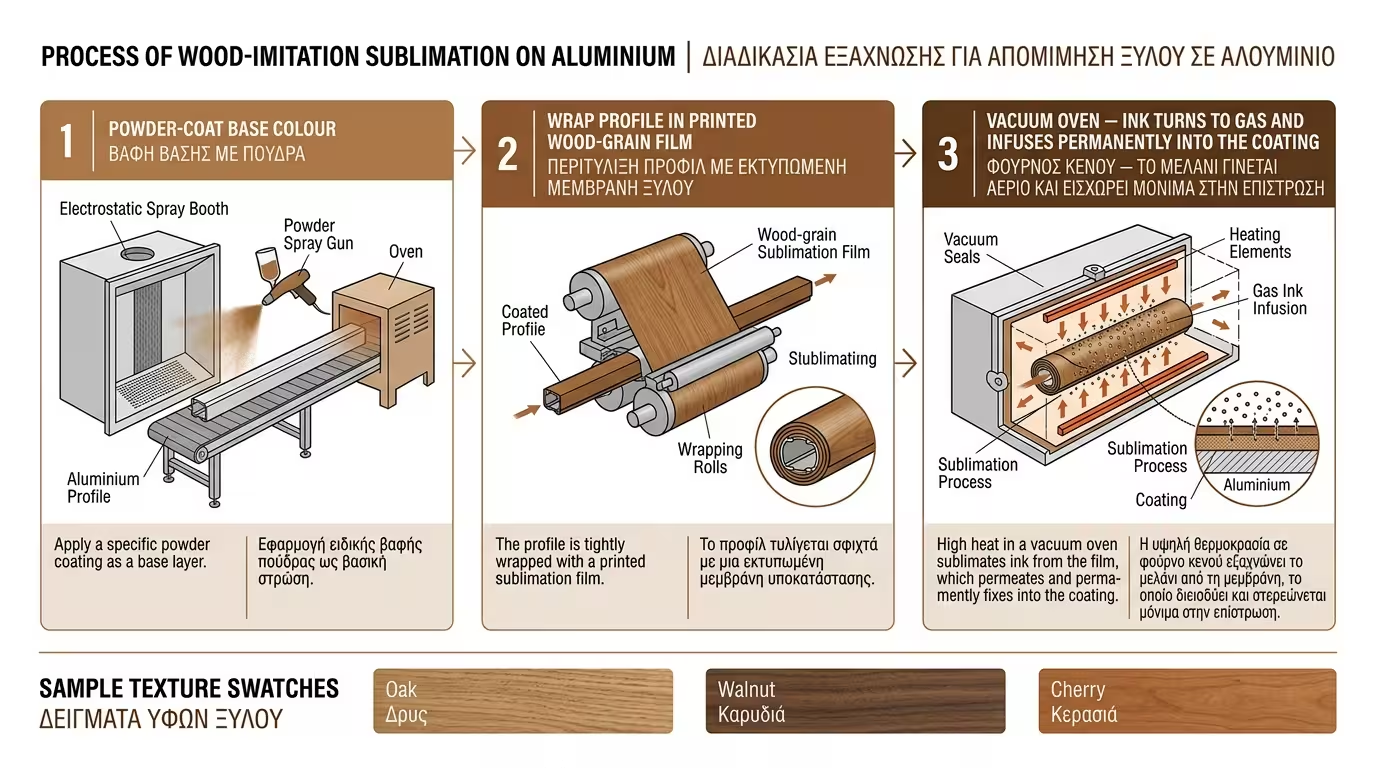
Excellent visual resemblance to natural woods (Oak, Walnut, Cherry etc.). The wood-grain pattern is remarkably detailed and almost indistinguishable from real wood at arm's length.
Simply washed with water and never needs varnishing or sanding. Unlike real wood, sublimated aluminium will not rot, warp or require periodic treatment.
Exposure to intense sun (especially south-facing) may slightly alter the pattern intensity over the years. It is also the most expensive option of the three.
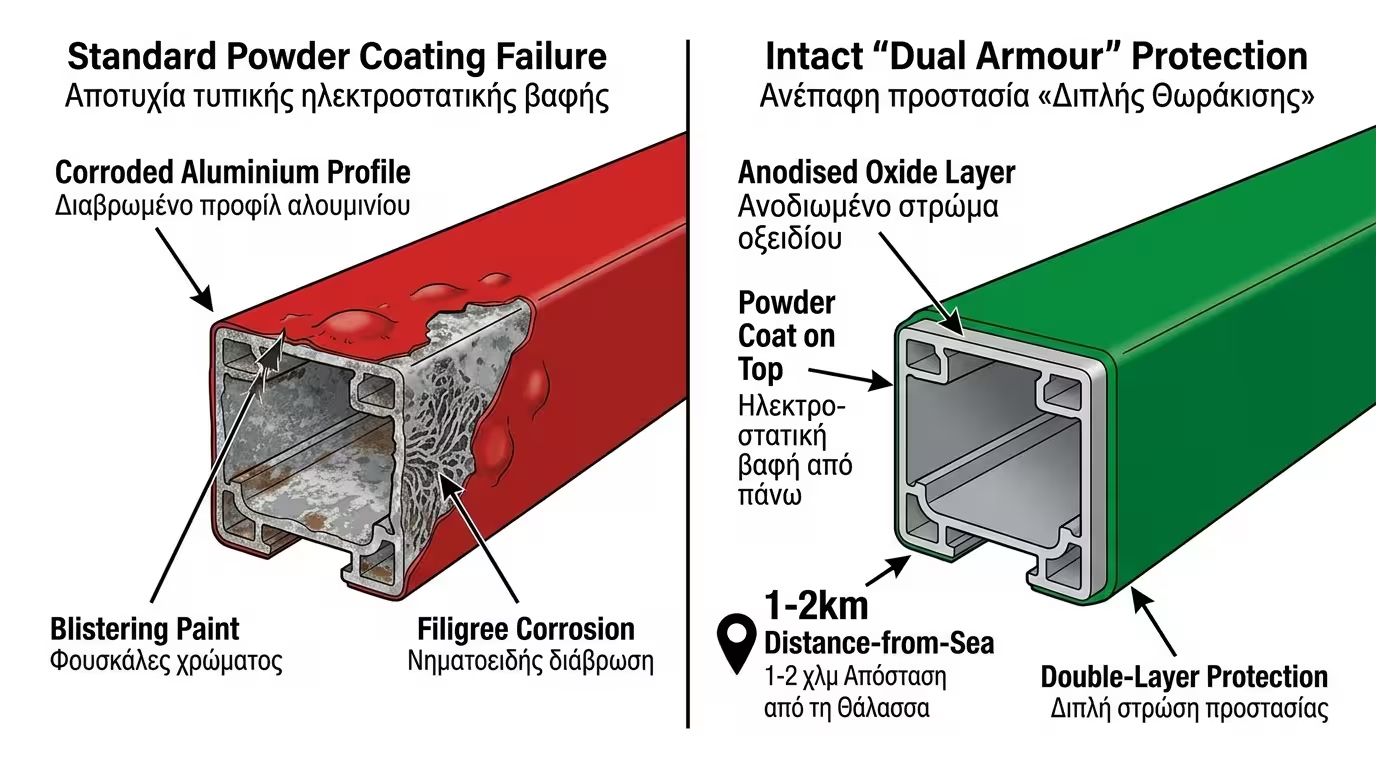
If your home is less than 1–2 kilometres from the sea, salt will try to corrode the window beneath the paint (known as filigree corrosion). In this case, standard powder coating is not enough.
You must require Sea-Side Class certification or Pre-anodising. In this method, the aluminium is first anodised (fully shielded) and then powder-coated in your chosen colour, providing the ultimate protection in coastal environments.
The final choice depends on your needs:
If you want colour variety and economy, choose Powder Coating (ideally with super-durable powders).
If you want a minimal metallic look and absolute durability against time and scratches, Anodising is king.
If you love traditional architecture but hate maintenance, choose Wood Imitation.
💡 Key Takeaway: Whatever your choice, make sure your manufacturer provides the necessary quality certificates (such as Qualicoat or Qualanod standards).
Return to category.
Go to categoryReturn to the central guide.
Go to guide