Wooden Windows for Listed Buildings & Traditional Settlements: Regulations and Solutions

Owning a listed building (e.g. a neoclassical in central Athens) or a home in a traditional settlement (Pelion, Mani, Cyclades) is a privilege. Yet, when renovation time comes, the process often turns into a bureaucratic nightmare.

You want to replace the old, rotten windows that "leak" air with new, energy-efficient systems. However, the law is clear: the aesthetics and morphology of the facade must not be altered in the slightest. Aluminium or PVC, no matter how well they "imitate" wood, are usually categorically rejected by the competent authorities.

What are you ultimately allowed to install? How can you combine the strict requirements of the Planning Authority with your need for modern thermal and sound insulation? As specialists in bespoke constructions, we have gathered everything that owners and engineers need to know.

1. The Legal Framework: Who Decides?

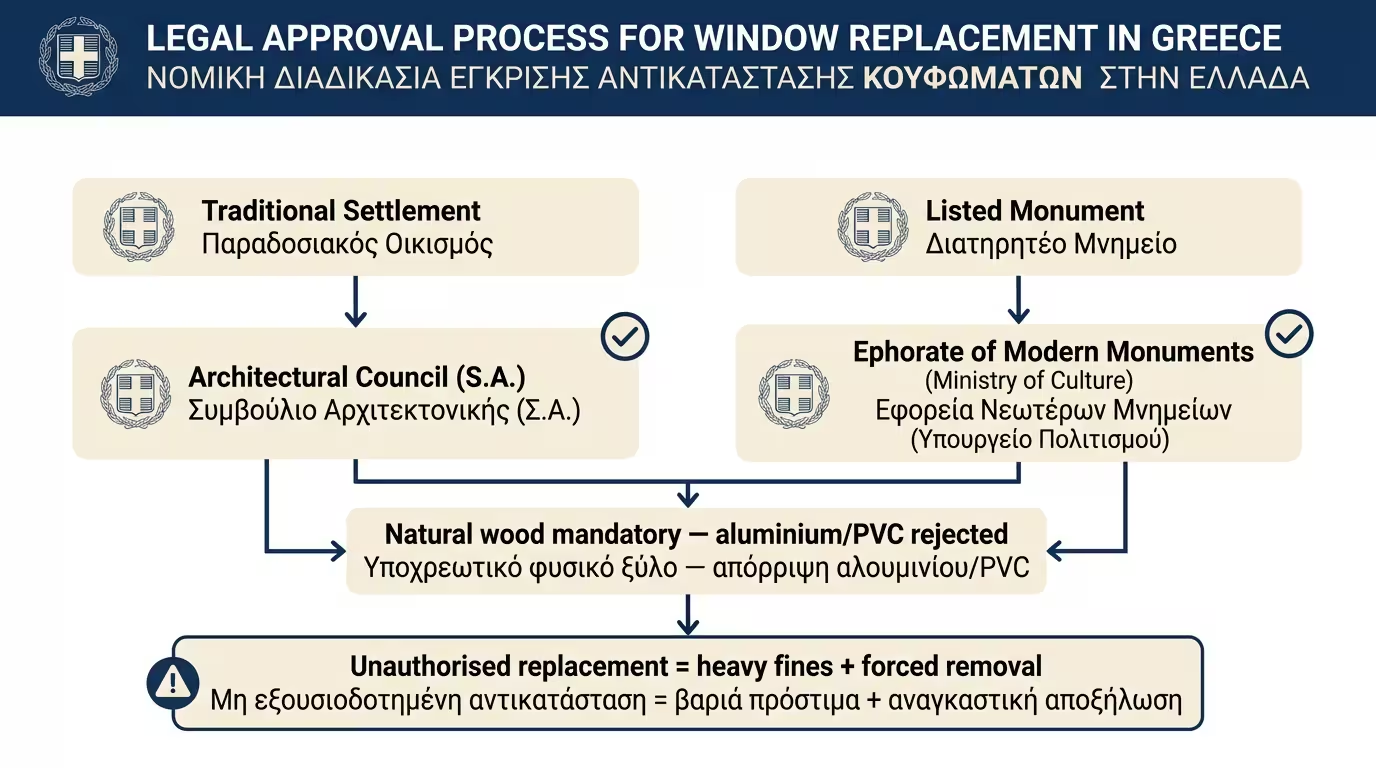
In Greece, replacing windows in buildings with special protection status cannot be done with a simple "Small Scale Permit" that your engineer issues in two days. Depending on the property's designation, the final say (and the approval of architectural drawings) belongs to:

1. The Architectural Council (S.A.): For buildings within traditional settlements or historic centres.

2. The Modern Monuments Commission (Ministry of Culture): For buildings that have been officially designated as "listed monuments".

These authorities are categorical: They require the use of natural wood and absolute fidelity to the original design. Any unauthorised replacement with industrial aluminium/PVC profiles incurs heavy fines and mandatory removal (demolition) of the new windows.

Legal framework - Architectural Council and Heritage Commission

2. The 3 Strict Specifications of the Committees

When your engineer submits the file with the replacement proposal, the inspectors examine the following characteristics under a microscope:

📐 Morphology and "Cuts" (Cross-Sections)

The new wooden window must be a faithful replica of the old one (1:1). This means that the external profiles, the panels (on shutters), the cornices and the frame width must have the same proportions as the originals.

🪟 Glazing Bars (Muntins)

In old neoclassical buildings, large panes were divided by wooden strips (the so-called "muntins"). Many companies today, for ease, glue fake strips onto the glass or place them inside the double glazing unit. Strict committees often reject this approach and require true (dividing) bars, which separate the glass into smaller, individual pieces - just as was done in the 19th century.

🎨 Colour Palette

You cannot paint the window any colour you want. In traditional settlements (e.g. Cyclades), specific shades are mandated (such as indigo, olive green or terracotta), which must match the local colour chart defined by the Presidential Decree for the area.

3. How Do We Achieve Modern Insulation in a "Traditional" Window?

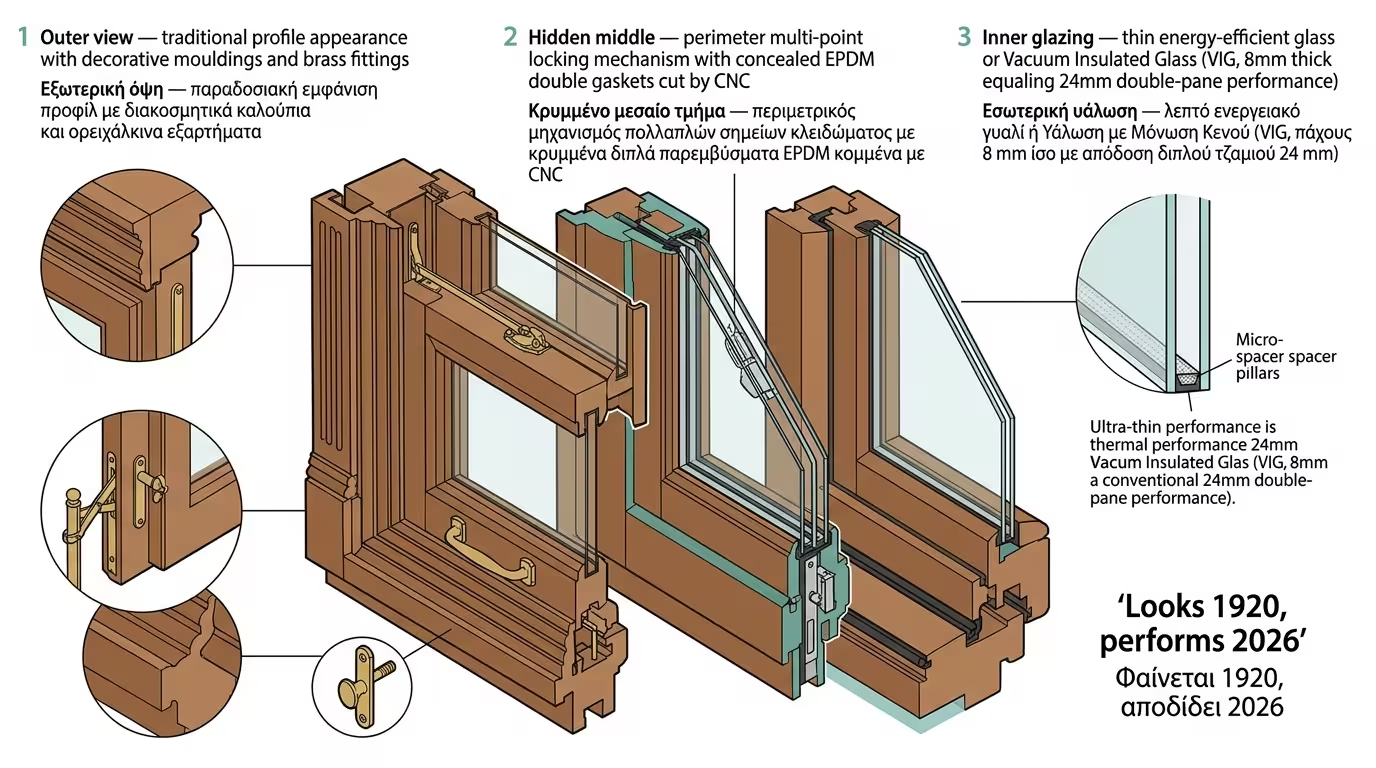
Here lies the magic of modern construction. Just because a window looks like it was built in 1920, doesn't mean it has to perform like one! Technology allows us to "hide" 21st century systems behind a retro facade:

Modern insulation behind a heritage facade - slim glazing, hidden hardware

🔬 Slim Energy Glazing

Instead of the enormous, heavy energy glass that requires a thick profile (which would be rejected by the committee), we use special thin energy glass units. For extremely demanding cases, there is also the Vacuum Insulated Glass (VIG) solution - vacuum-sealed glazing only 8 mm thick that insulates like a 24 mm double unit!

🔒 Concealed Locking Hardware

On the outside (or inside) you see a traditional brass bolt or an old-style hinge, but inside the profile hides an ultra-modern perimeter multi-point locking mechanism.

🔧 EPDM Perimeter Gaskets

The wood is routed with specialised digital machines (CNC) to accommodate double or triple sealing gaskets. These are not visible when the window is closed, yet they provide absolute airtightness and top-tier sound insulation (vital for the historic centres of cities).

4. In Summary

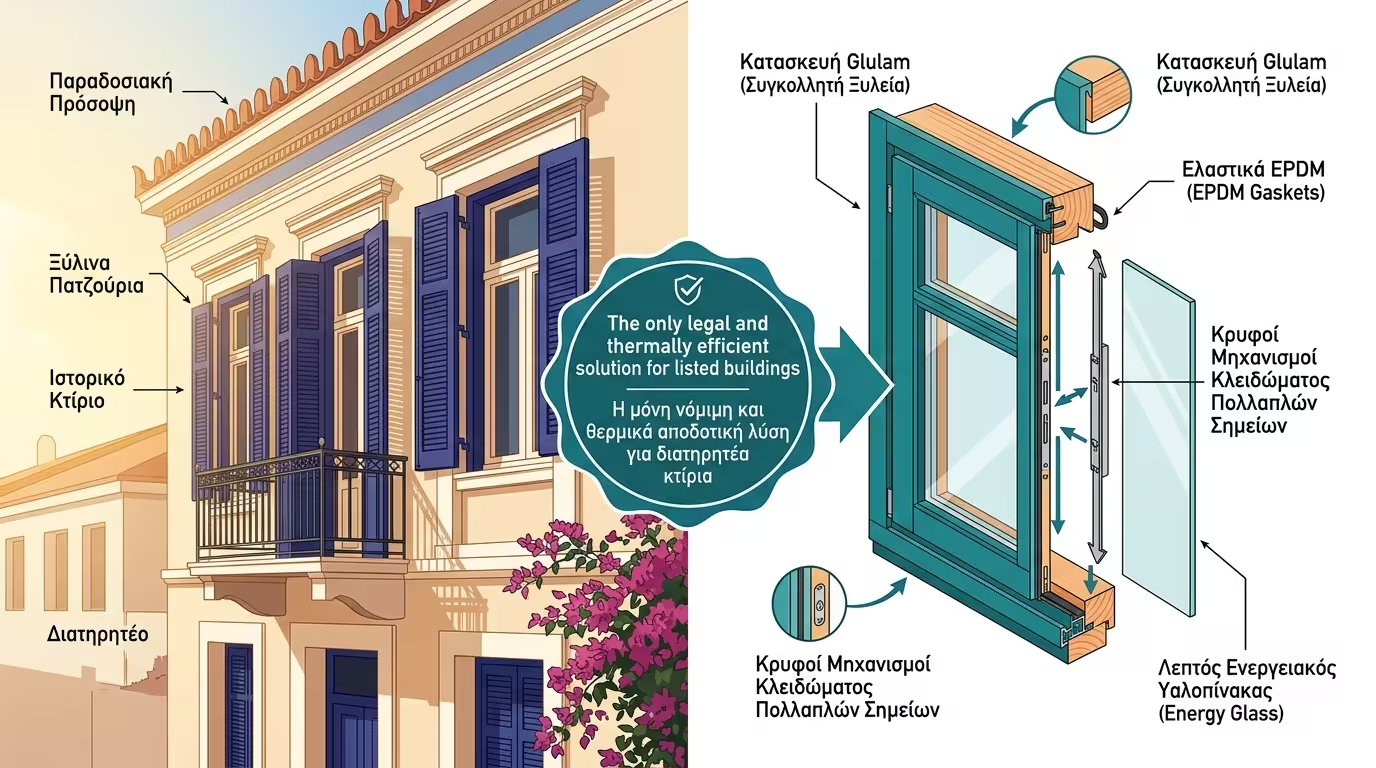
Renovating a listed building or a traditional home is a delicate "surgical" operation. Trying to convince the Modern Monuments Commission to accept aluminium "imitations" of wood usually leads to a loss of precious time and money. The only certain, legally correct solution is specially crafted, faithful replicas of next-generation wooden windows.

Listed buildings - next-gen wooden windows are the only legal solution
💡 Key Takeaway: For listed buildings and traditional settlements, natural wood is the only legal path - but with 21st century technology hidden behind the authentic facade.

Related Articles

Frame Materials & Finishes for Windows & Doors

Return to category.

Go to category

Preview