PVC-Aluminium Hybrid Systems: The Smart Combination of Economy and
Aesthetics
You're in the market research phase for your new windows and you've hit
the classic dilemma. On one hand, you read (quite rightly) that uPVC
windows offer the ultimate thermal insulation at the lowest possible
cost. On the other, you look at your building's façade and want that
modern, "sharp" aluminium aesthetic. Perhaps you want a very specific
metallic colour (e.g. a Sablé grey) or you worry that dark plastic will
deteriorate under the blazing Greek sun.
At this point, most consumers believe they must compromise: either
sacrifice aesthetics for economy, or pay a fortune for top-tier
thermal-break aluminium.
But there's a "hidden ace" in the industry that solves the problem. It's
the PVC-Aluminium Hybrid Systems. Let's see how this
brilliantly clever technological alliance bridges the gap, offering
everything in a surprisingly affordable "package".
1. What Exactly Is the PVC-Aluminium Hybrid System?
The logic of the system is to create a construction where each
material takes on the role at which it excels.
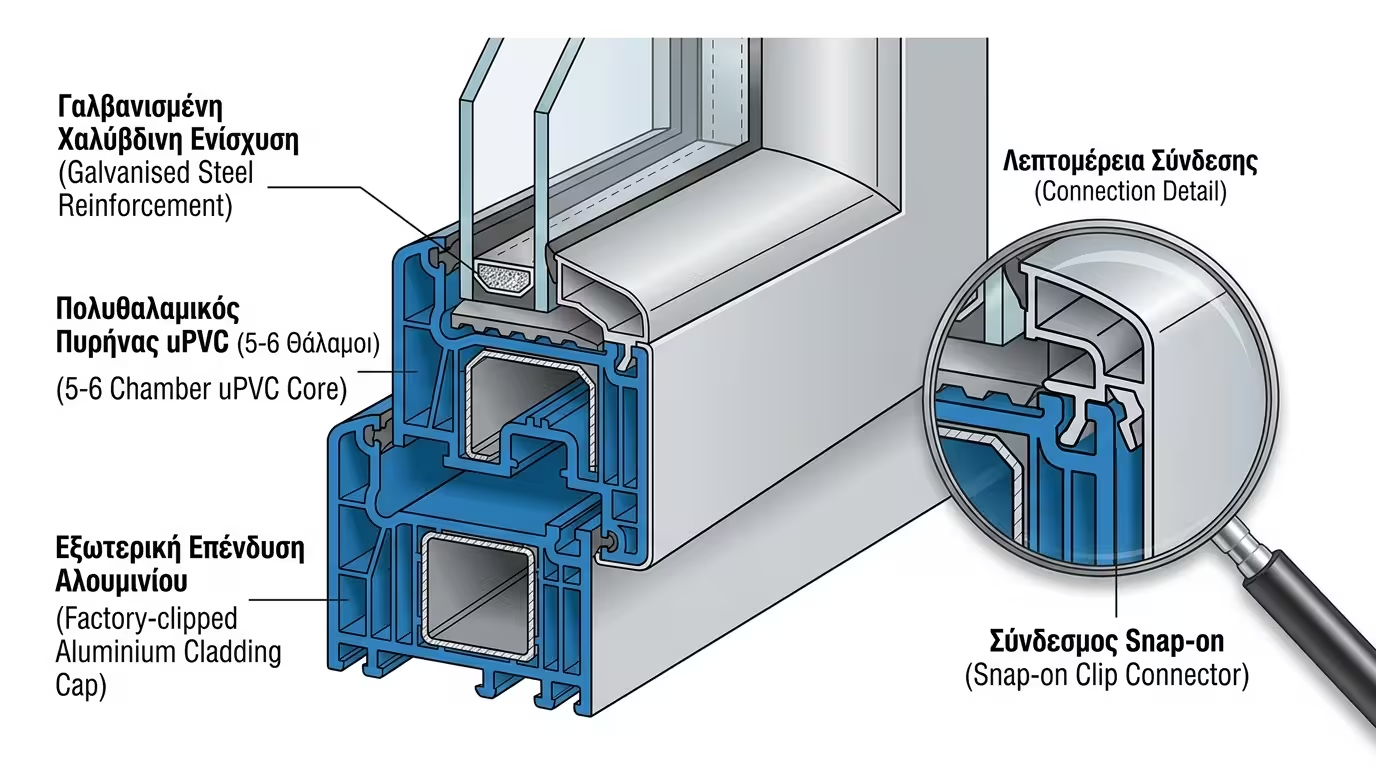
🏗️ The Core (uPVC)
The main body of the window (which ensures insulation, soundproofing
and sealing) is built from a top-quality 5 or 6-chamber uPVC profile, internally reinforced with the necessary galvanised steel. This
part faces the interior of the home.
🛡️ The Shield (Aluminium)
On the exterior side of the window, a slim, specially shaped
aluminium profile (known as cladding or cap) snaps
on at the factory.
✅ The Result
Standing outside the house, you see a 100% modern aluminium window.
Standing inside, you enjoy the top-tier thermal comfort of the
plastic core.
2. Why Add Aluminium to PVC? (The 3 Big Gains)
Adding the external aluminium cap is not merely a design trick. It
solves three fundamental problems of a plain uPVC window:
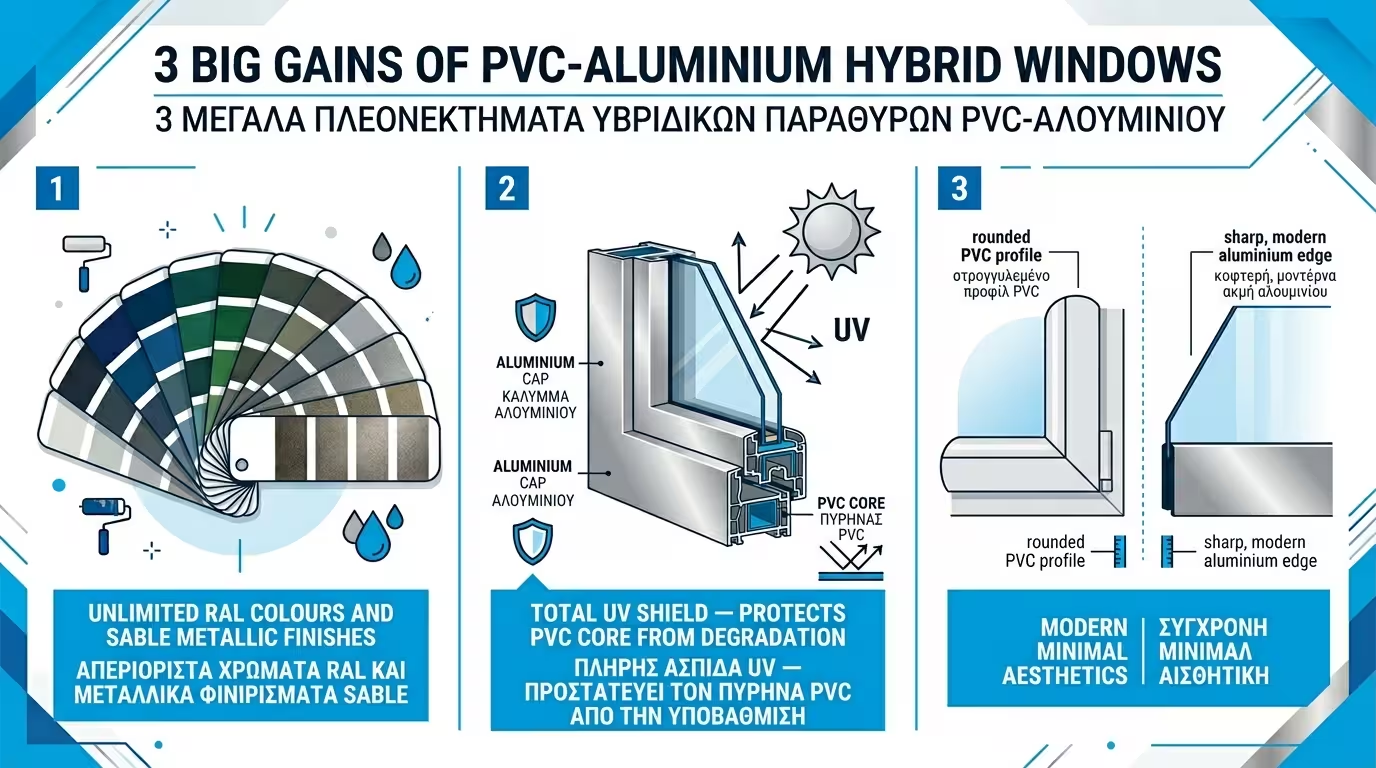
🎨 Unlimited Colours & Textures
uPVC is inherently limited in colours - it is confined to white or
specific film foils. Aluminium, by contrast, can be painted! With
the external cap, you can choose any RAL shade,
ultra-durable metallic powders (Sablé), or even anodising. You
perfectly match your building's façade to the architectural design,
without any restriction.
☀️ Total Resistance to the Greek Sun (The UV Shield)
If you want dark-coloured windows (e.g. black or dark grey) on a
south-facing elevation hammered by the sun all day, plain PVC
suffers, developing high surface temperatures. The aluminium cap
acts as the ultimate thermal shield. It absorbs UV
radiation and heat, protecting the plastic core from degradation and
extreme thermal expansion/contraction. Your window becomes
practically "bulletproof" against the weather.
📐 Modern, Minimal Aesthetics
Aluminium allows "sharp" corners and crisp, minimal lines that are
difficult to achieve with the typically rounder edges of plastic.
Your building's appearance is instantly upgraded to a contemporary,
high-end construction.
3. Technical Detail: How Does the Construction "Breathe"?
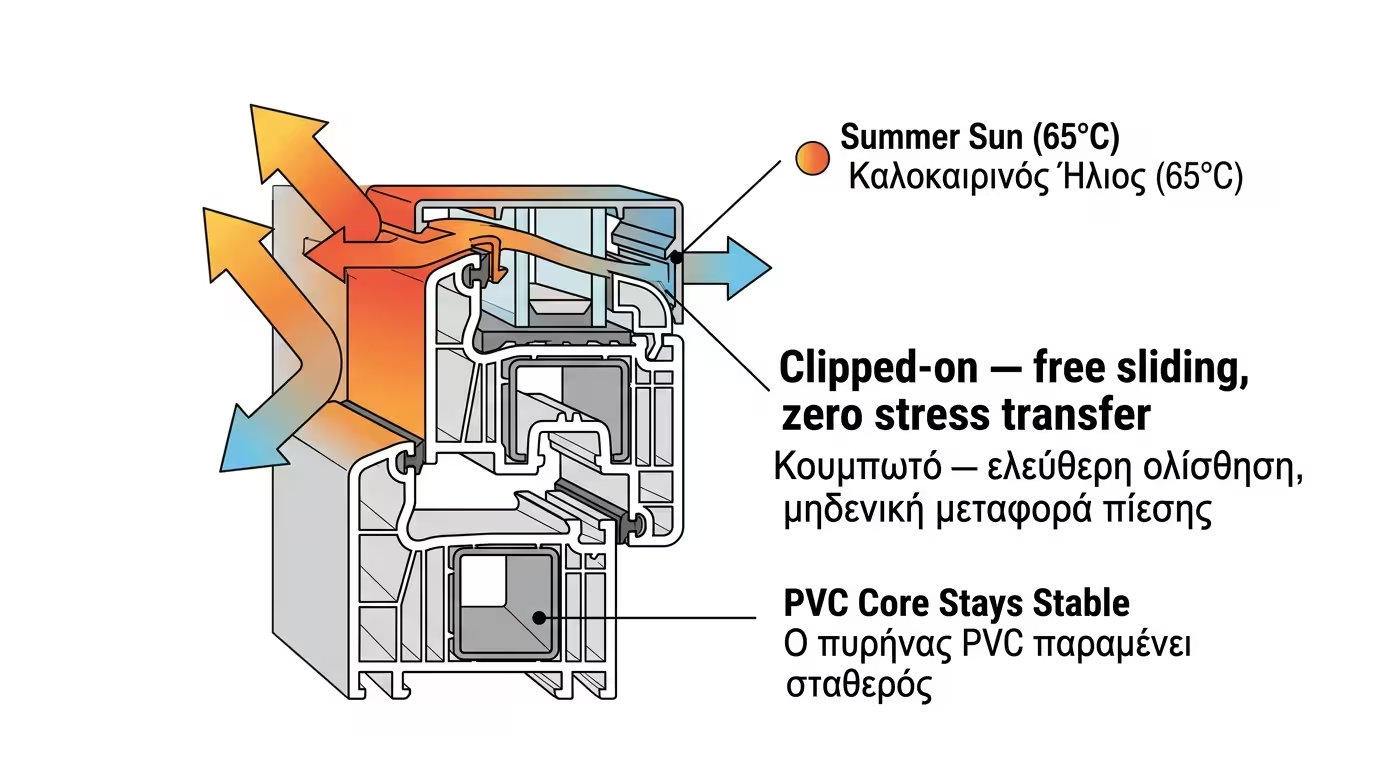
As engineers, we know that plastic and metal expand at different rates
when heated. If we glued them tightly together, the window would
distort.
⚙️ Clipped-On
How is this solved in hybrid systems? The external aluminium cap is not glued, but "clipped-on" to the PVC via special connectors. This allows the aluminium to expand
freely in the sun, "sliding" imperceptibly on the connectors, without
transmitting any pressure or distortion whatsoever to the internal plastic
window.
4. The Economic Equation (Value for Money)
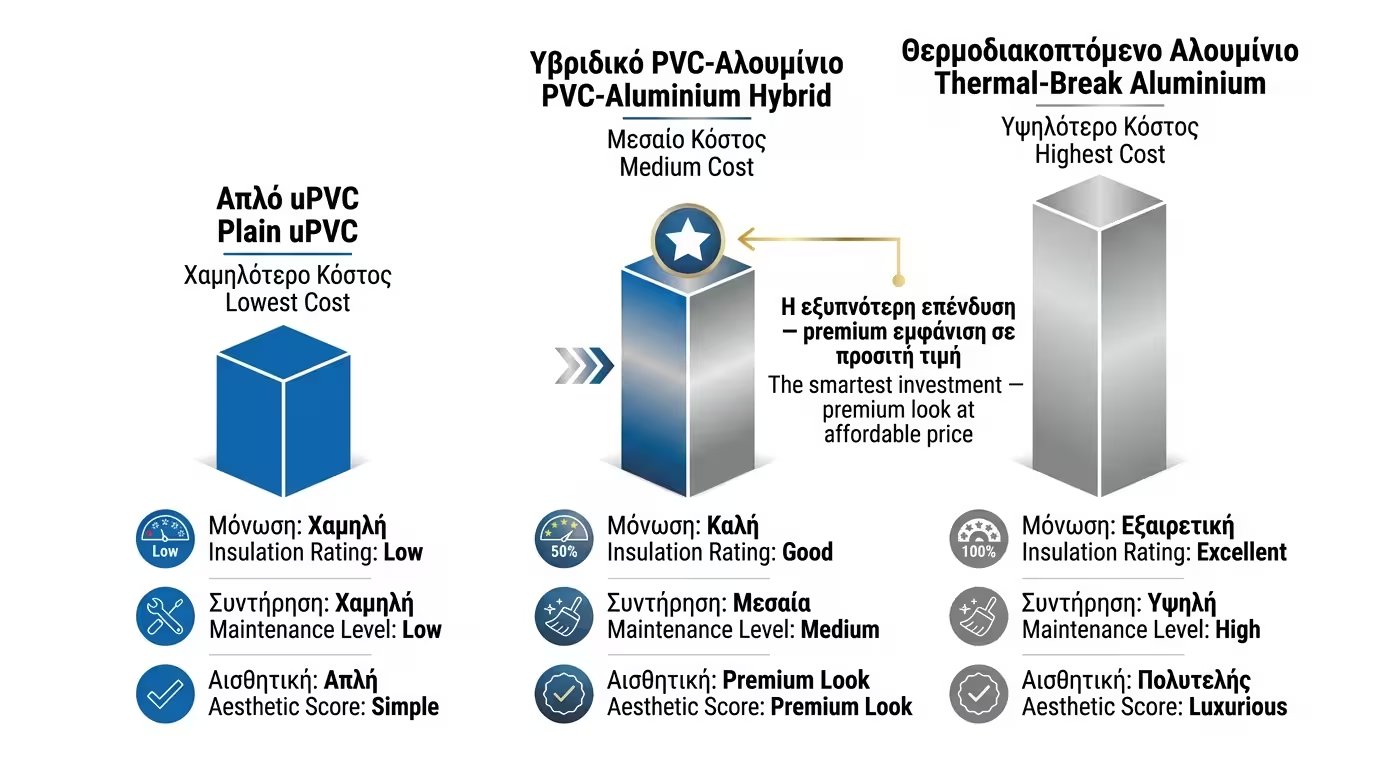
Let's talk numbers. The cost hierarchy in the market is as follows:
1️⃣ Plain uPVC
The most affordable.
2️⃣ PVC-Aluminium Hybrid
The middle ground.
3️⃣ Thermal-Break Aluminium
Top performance - the most expensive.
💡 Key Takeaway: By choosing the hybrid system, you secure
thermal transmittance values (Uf) that would cost a fortune
in pure aluminium, while simultaneously gaining premium aesthetics and zero-maintenance
metal on the outside. It is, by far, the smartest investment for the average consumer.
5. In Summary
You no longer need to compromise. PVC-Aluminium hybrid systems deliver
the warmth, the soundproofing and the economy of the synthetic core,
"dressed" in the unmatched architectural superiority and durability of
metal. It's the solution that fully satisfies both your accountant and
your interior designer!