📊 ACH 1
Every hour, all the air in the home is renewed once. If your home holds 300 m³ of air, 300 m³ of warm air escapes each hour.
Imagine driving your car on a freezing winter day. The heater is on full blast, but you've cracked the windows open two fingers wide. No matter how much heat the engine produces, you'll be cold - because warm air escapes and is constantly replaced by the freezing air outside.
Exactly the same thing happens in your home, even when the windows look closed. Gaps under doors, pipe holes in walls, shutter boxes and extractor fans act as "open windows". This continuous leakage is measured by an indicator called ACH (Air Changes per Hour).
ACH shows how many times in one hour the entire volume of air inside your home leaves and is replaced by fresh (but freezing) outdoor air.
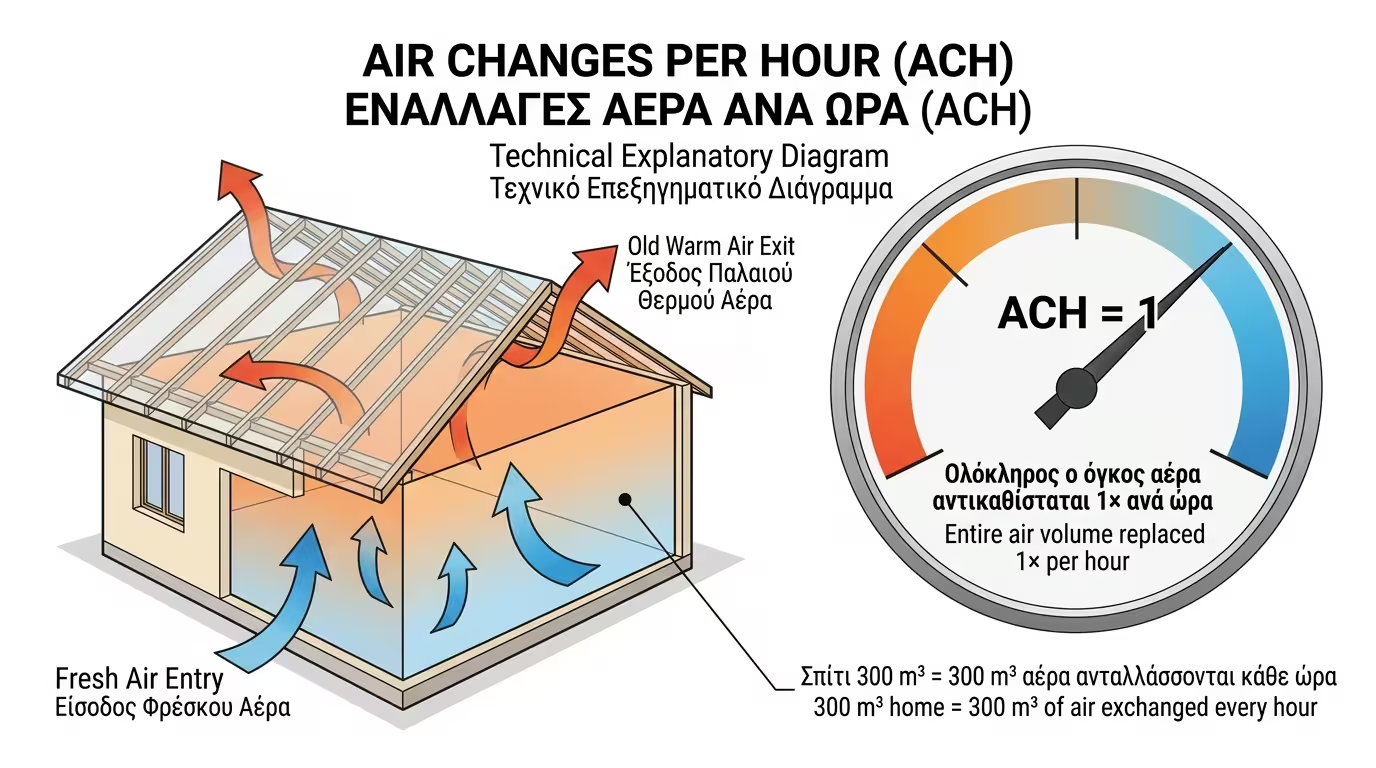
Every hour, all the air in the home is renewed once. If your home holds 300 m³ of air, 300 m³ of warm air escapes each hour.
In an old uninsulated home with timber windows, ACH can reach 3, 4 or even 5! That means 1,200-1,500 m³ of freezing air entering every hour - an enormous heating cost.
In modern, properly sealed homes, ACH drops to 0.5 to 1. Only 150-300 m³ are renewed per hour - enough for healthy air without wasting energy.
In ultra-modern Passive Houses (Passivhaus), ACH is strictly kept below 0.6, with ventilation handled exclusively by an MVHR system.
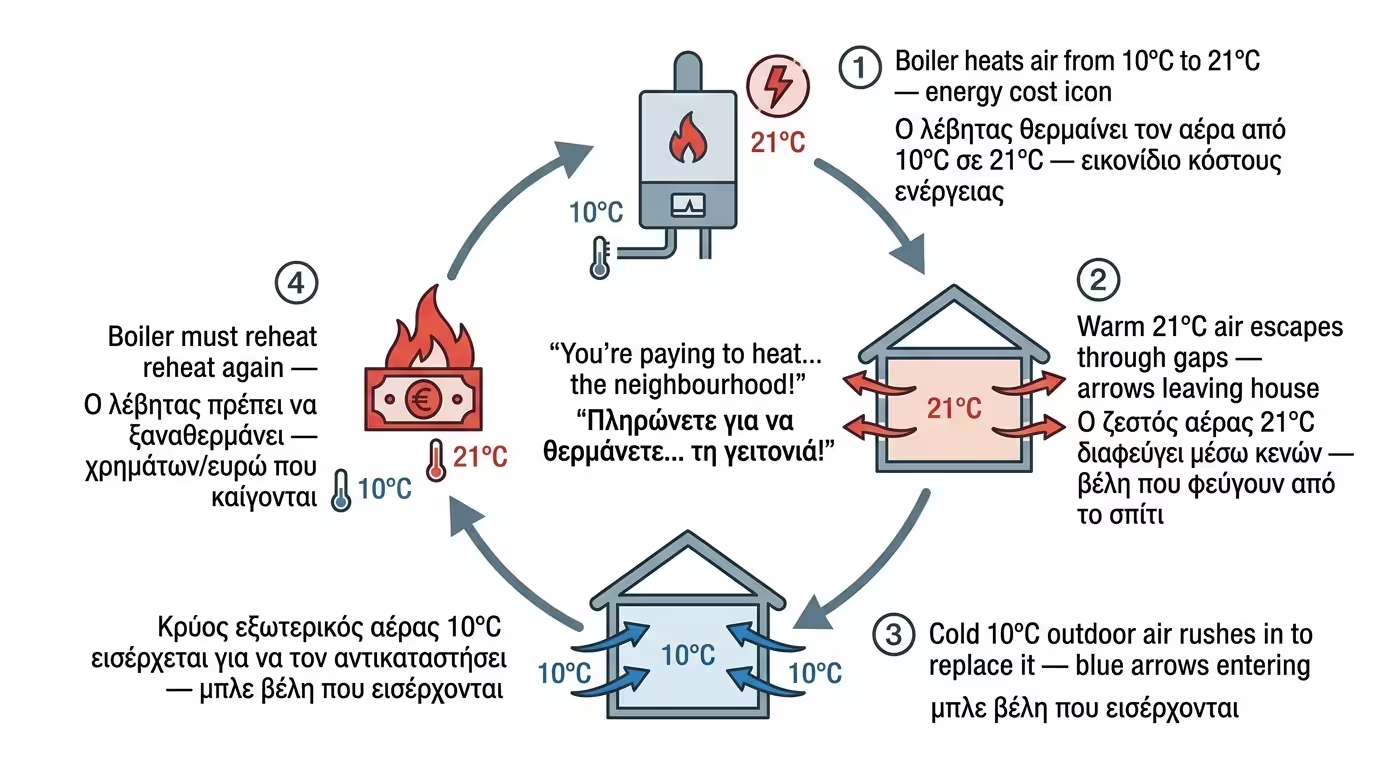
Your heating system (radiators, AC, heat pump) spends energy to heat indoor air from 10°C to 21°C.
If your home has high ACH, the heater warms the air, the air escapes through gaps, new freezing 10°C air rushes in, and the heater must spend again electricity or oil to reheat it. Essentially, you're paying to heat… your neighbourhood!
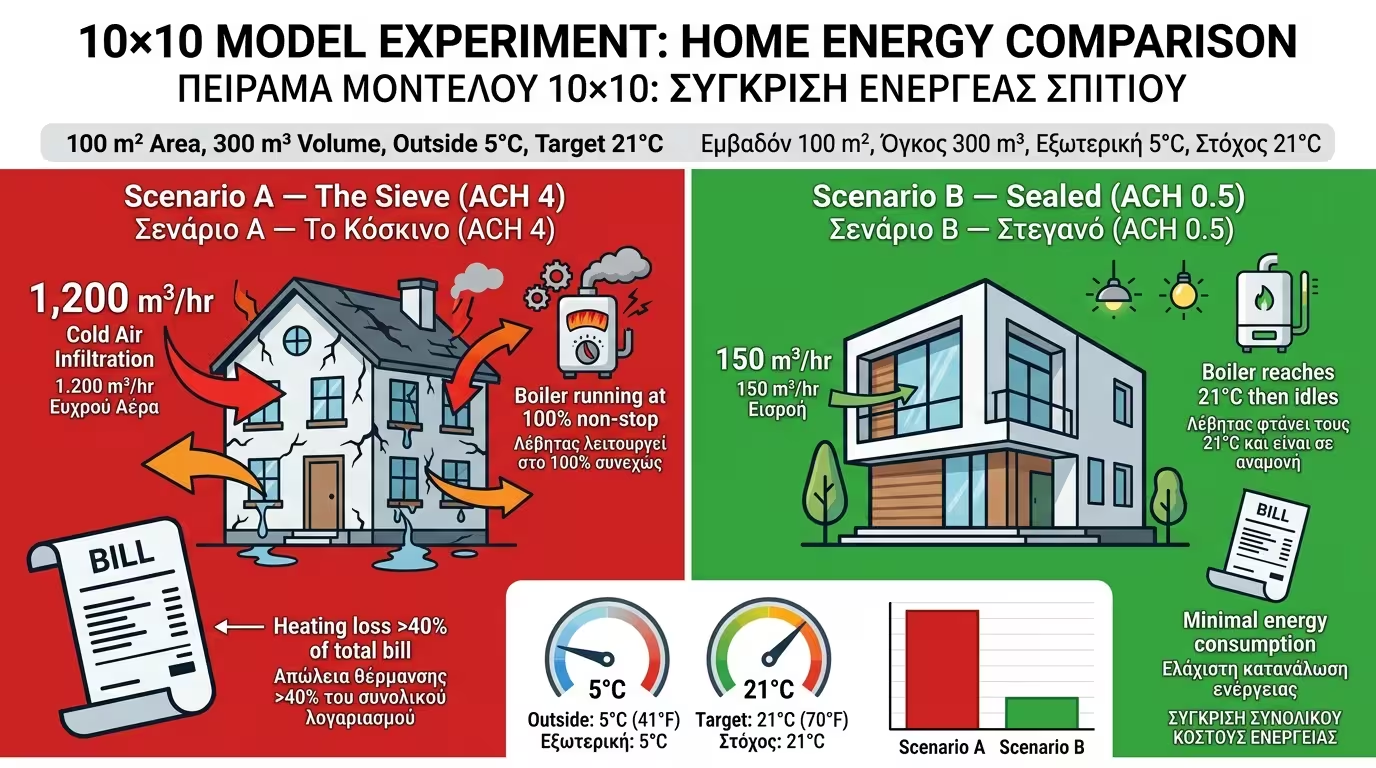
Our home is 100 m² with 3 m ceiling height. It holds 300 cubic metres of air. Outside it's 5°C and we want 21°C inside.
Old aluminium windows without seals, gaps under doors and an open fireplace. ACH is 4. Every hour, 1,200 cubic metres of freezing air (300 × 4) enter the house! The radiator runs at 100% non-stop, just to heat this uninvited air. Ventilation losses represent over 40% of the total heating bill!
We replaced windows, applied silicone sealant and plugged the gaps. ACH dropped to 0.5. Now only half the home's air (150 cubic metres) is renewed each hour - enough for healthy breathing. The radiator brings the room to 21°C, "cuts" operation and simply maintains warmth, consuming minimal energy.
The Final Conclusion: Wall insulation blocks heat from passing through the bricks. Airtightness (low ACH) blocks heat from escaping through the air itself! They are two halves of the same coin. Before spending thousands on a new boiler, make sure you've plugged the "holes" in your home!
Return to category.
Go to categoryReturn to the central guide.
Go to guide