
Air Changes per Hour (ACH): What are they?
What the ACH index means and how it translates directly into heating and cooling costs.
Read more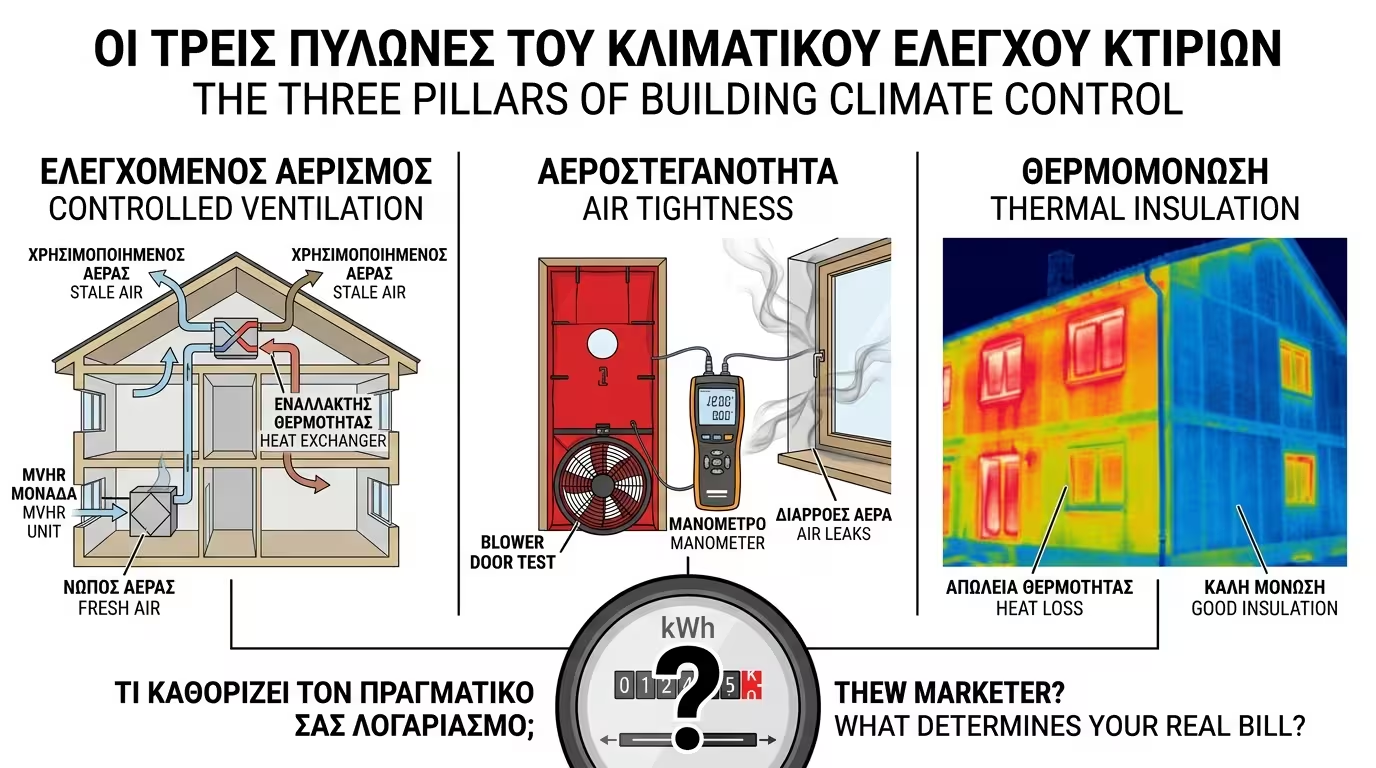
A perfectly insulated home is like a sealed thermos: it maintains temperature, but if it doesn't "breathe" correctly, it becomes unhealthy.
Learn why airtightness is the next big step after insulation, how we detect hidden leaks with Blower Door Tests and thermal cameras, and how our habits, mechanical ventilation and the local climate determine how many kWh the meter will ultimately register.
Air renewal is essential for health but is also one of the greatest sources of energy loss. Discover how to balance excellent air quality with maximum savings.
What the ACH index means and how it translates directly into heating and cooling costs.
Read moreWindow-opening tradition vs modern air renewal systems. What really saves you money?
Read more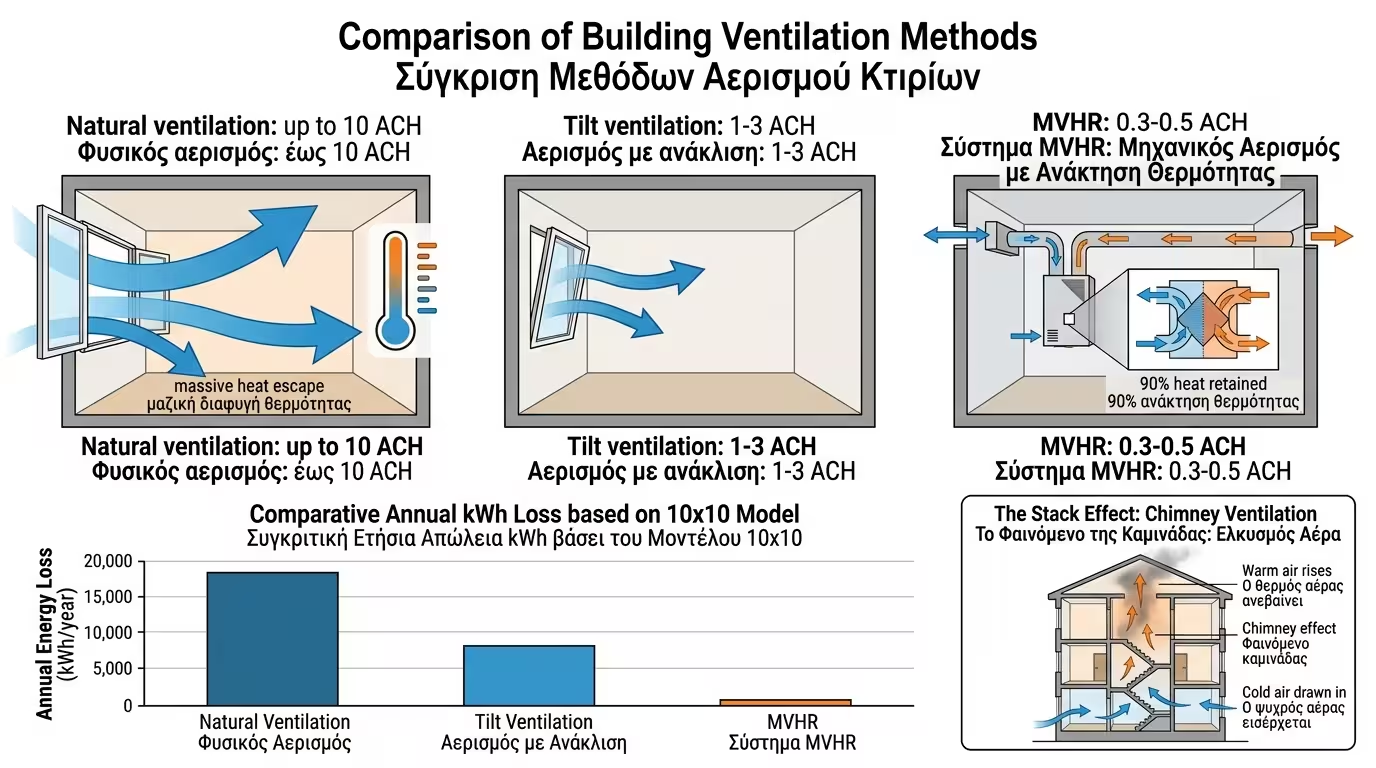
How warm air escapes like a balloon from upper floors, drawing freezing air through the front door.
Read moreThe game-changing technology: 100% fresh, filtered air while retaining up to 90% of the heat.
Read moreA practical daily guide. Flush out humidity and pollutants instantly without freezing walls and furniture.
Read moreBack to the lab: precisely measuring how much ventilation costs in our 100 sq.m. Model home.
Read moreWrapping a house in insulation isn't enough if air continues to flow uncontrolled through tiny cracks. See how we scientifically measure airtightness and seal the building envelope.
The test that creates artificial depressurisation to reveal every hidden air leak with hard numbers.
Read moreSockets on external walls, skirting boards, old shutter boxes: the map of where your home leaks.
Read more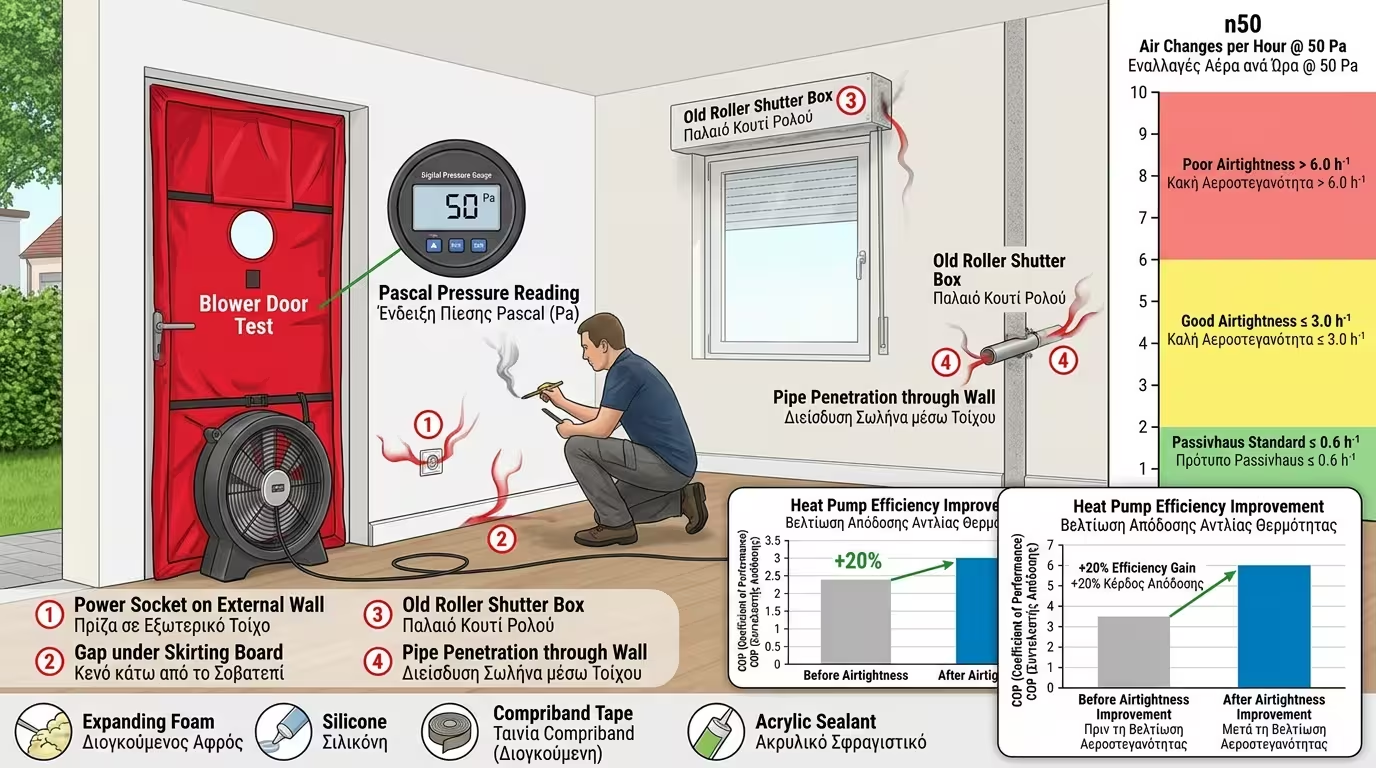
Why heat pumps and underfloor systems suffer in draughty homes and how simple sealing slashes consumption.
Read moreDiving into strict European standards. What numbers must a home achieve to be considered energy-excellent.
Read moreSolutions for DIYers and professionals. Which materials permanently seal micro-cracks around frames and pipes.
Read moreWhat's invisible to the naked eye is revealed by infrared radiation. Thermography is the ultimate diagnostic tool for thermal bridges, insulation defects and hidden moisture.
How the thermal camera works, how we "read" the colours and why a scan is essential before and after renovation.
Read moreFind the source before the wall turns black: detecting invisible pipe leaks and condensation points.
Read more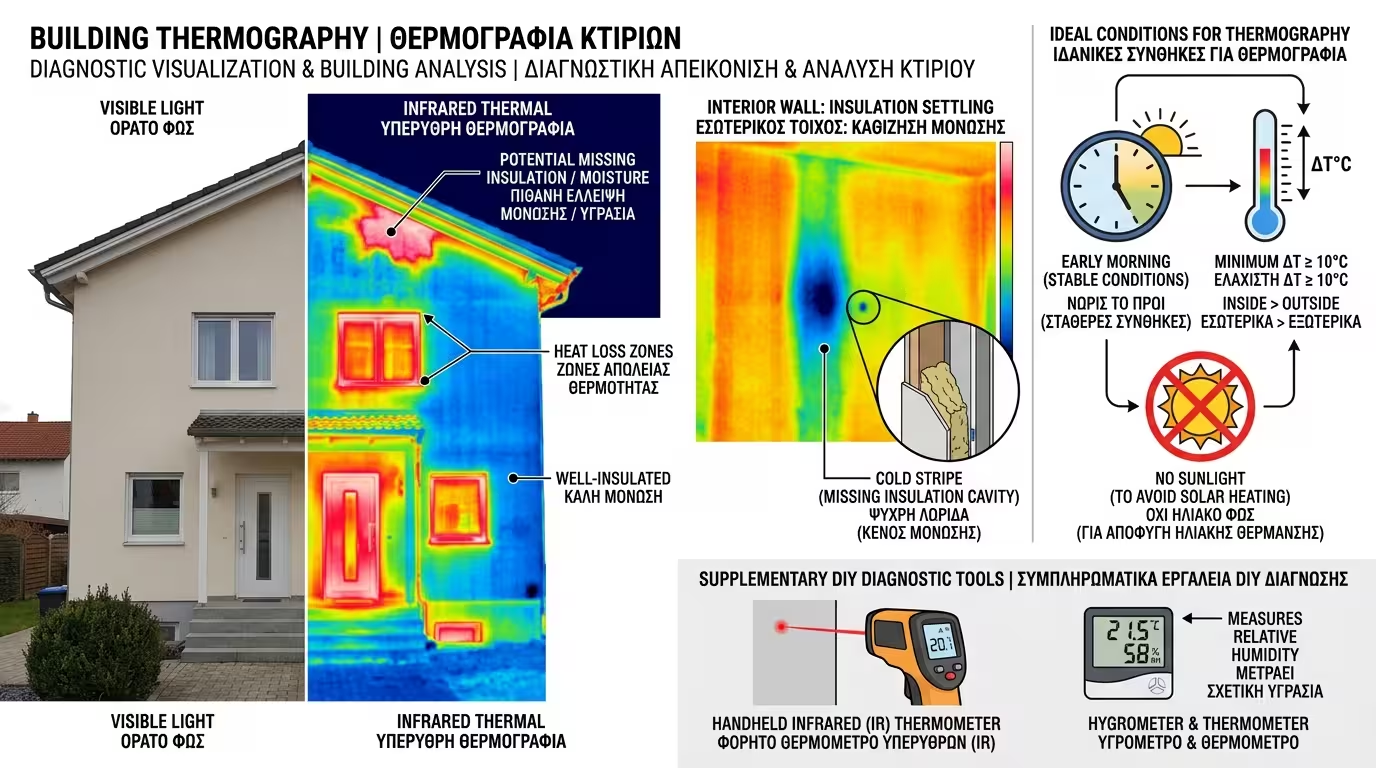
The 'lie detector' for your contractor: clearly showing gaps and material failures hidden inside walls.
Read moreWhy you can't scan at midday in summer and what conditions (large ΔT) give the clearest diagnostic image.
Read moreLow-cost tools for homeowners who want a basic, smart inspection of surfaces without professional gear.
Read moreWhy does the theoretical number often differ from the bill that arrives? We analyse the external (climate) and internal (habits, appliances) factors that determine real-world consumption.
Climate in numbers: scientifically comparing the heating needs of a mountain village vs an island.
Read moreWhy the Energy Performance Certificate doesn't always match the electricity provider's figures.
Read more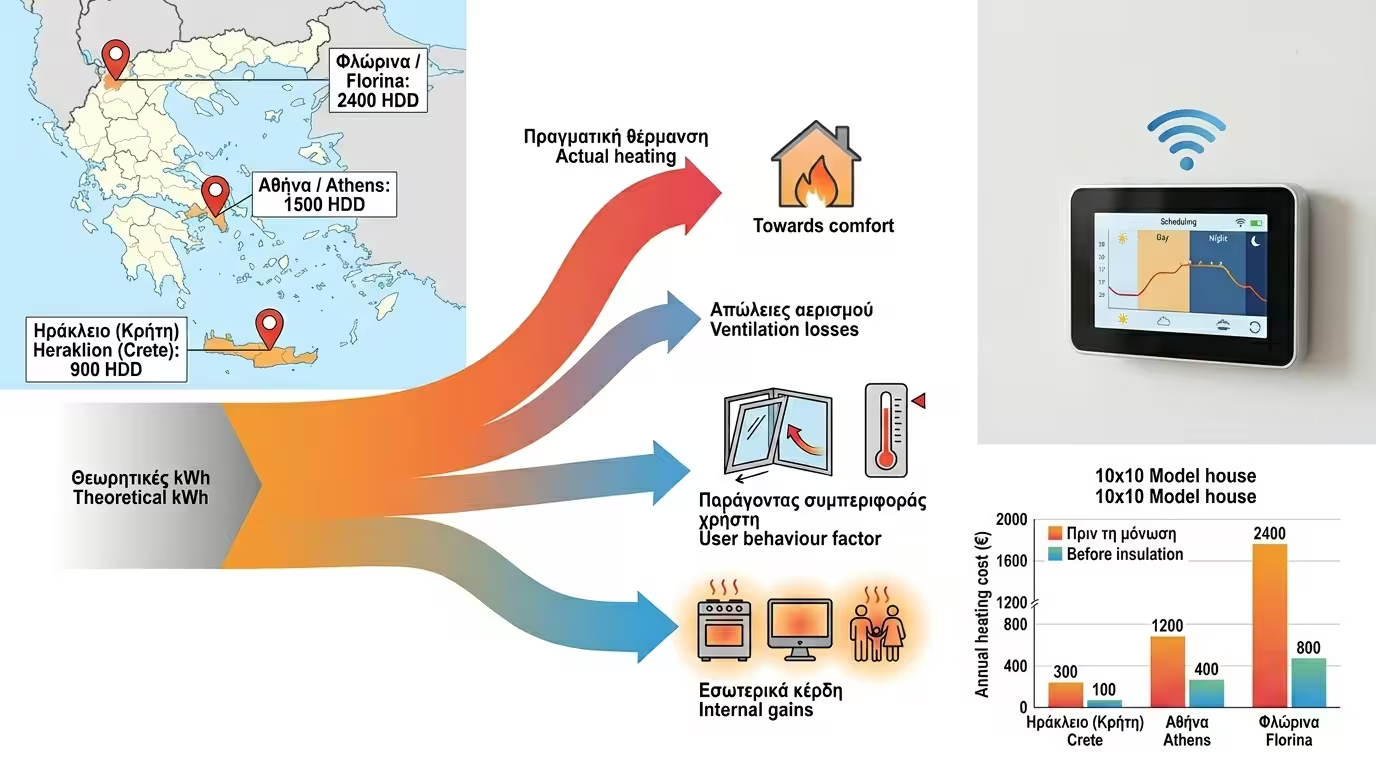
Thermostat at 24°C, windows on tilt all day: how much our habits actually cost in energy.
Read moreFree energy! How cooking, appliances, computers and even our presence actively heat the space.
Read moreCan an algorithm reduce the bill? The contribution of smart home to boiler and heat pump optimisation.
Read moreThe grand finale: Crete, Athens, Florina - real heating cost in euros for the same 100 sq.m. home.
Read moreReturn to the complete insulation guide.
Go to the guideIf you need a Blower Door Test, thermal camera scan or consultation - contact us.
Contact us