❌ Air Doesn't Actually Renew
The small gap isn't enough to change the entire air volume quickly. The air just swirls near the window without reaching deep inside the home. CO₂, moisture and cooking odours remain trapped indoors.
When it's 5°C outside, opening windows feels like suicide for your heating bill. Yet, if you don't ventilate, the house fills with steam from cooking, bathing and breathing. That moisture settles on cold exterior walls and within weeks the dreaded black mould appears.
The secret to proper ventilation isn't about how much you open the window, but how and for how long.
Many people think opening the bathroom or bedroom window 2-3 fingers (tilted) for 3 hours is helpful. This is the worst energy crime!
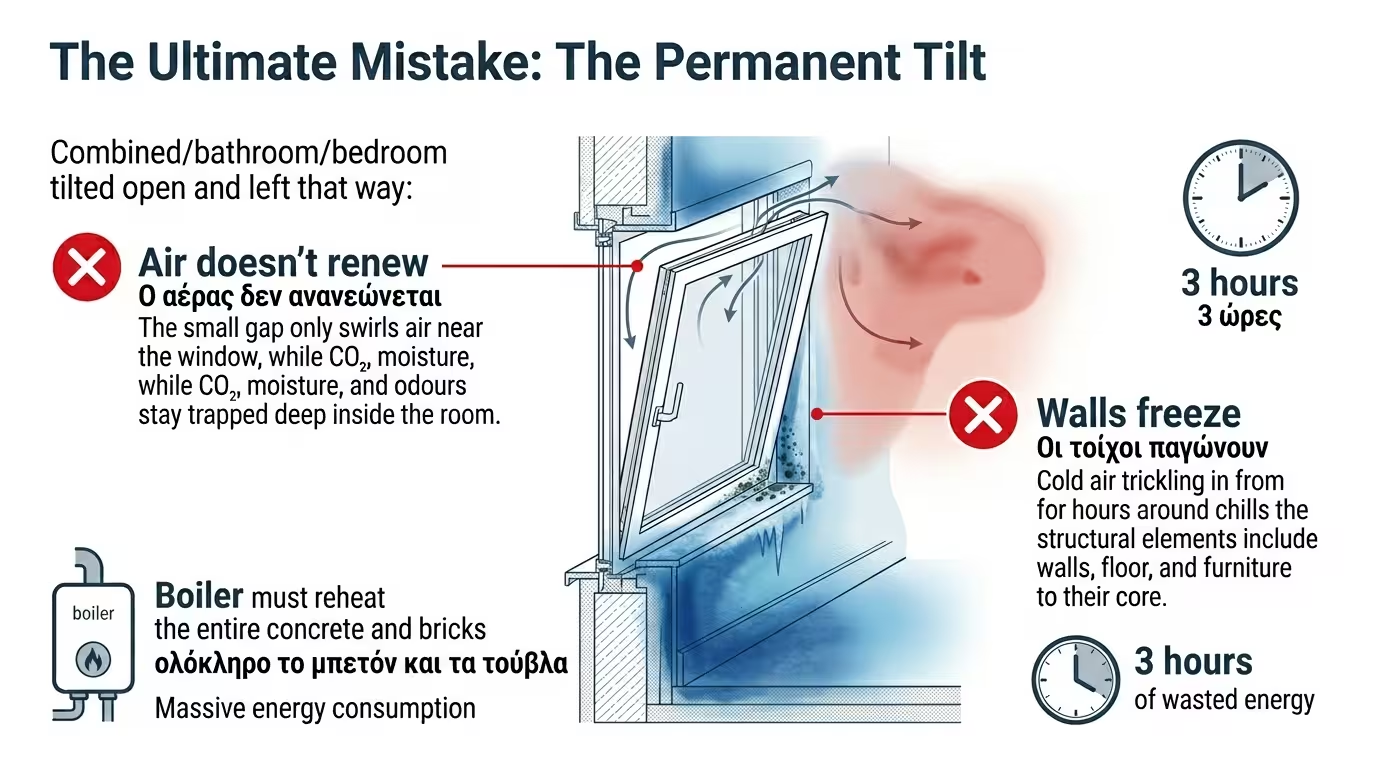
The small gap isn't enough to change the entire air volume quickly. The air just swirls near the window without reaching deep inside the home. CO₂, moisture and cooking odours remain trapped indoors.
Cold air trickling in for hours chills the building’s structural elements (the walls around the window, the furniture, the floor). When you finally close the window, your radiator doesn’t just have to heat the air - it has to reheat the entire concrete and bricks, which requires enormous amounts of energy! On top of that, the frozen frames around the tilt become a magnet for mould.
Physics tells us air has very low thermal capacity: it heats and cools easily. Walls and furniture (thermal mass) change temperature slowly. This is the basis of the 5-Minute Rule:
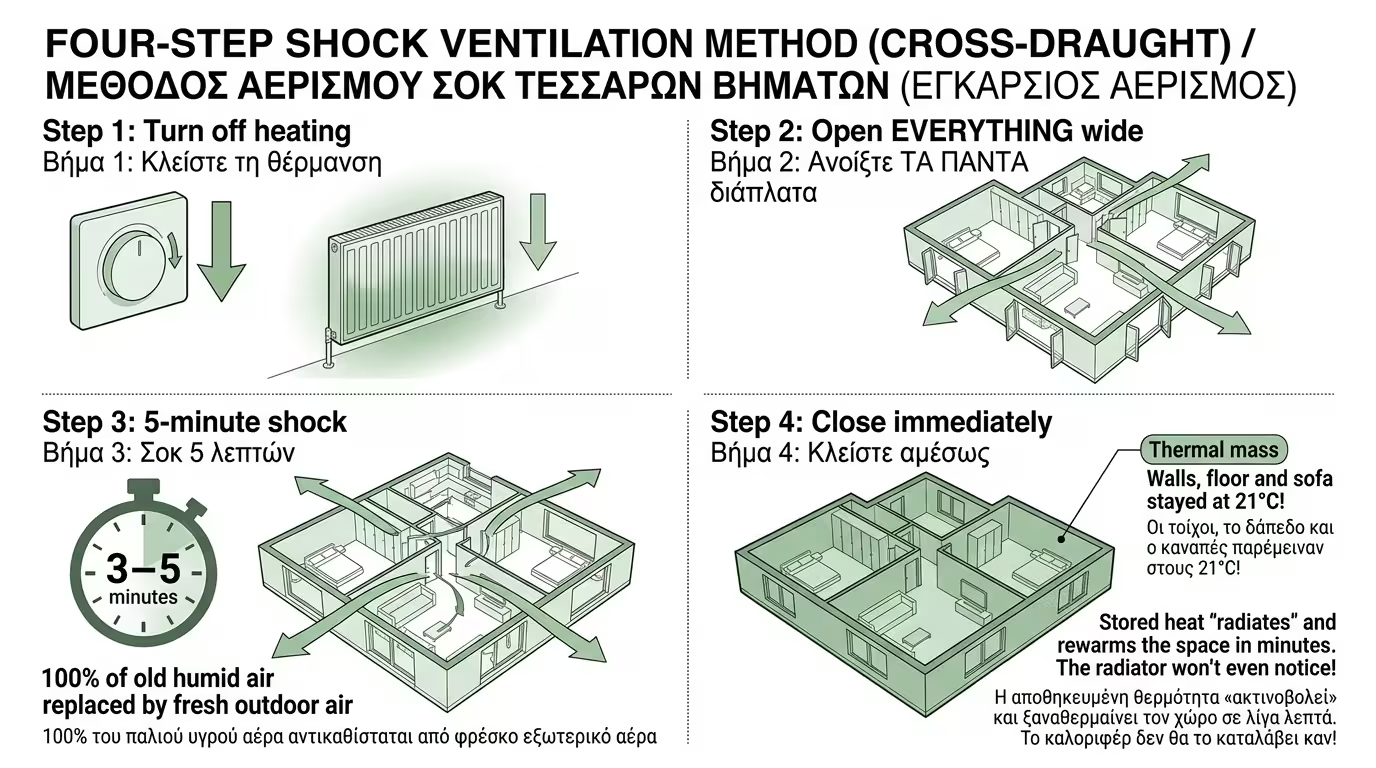
Lower the thermostat or turn off radiators - don't run them pointlessly.
Simultaneously open all windows and interior doors (ideally on opposite walls).
Let the cross-draught (cross-ventilation) sweep through the home. Within 3 to 5 minutes, 100% of the old, humid air has been expelled and replaced by completely fresh outdoor air.
Seal the house back up. Why does it work like magic? Because the process lasted only 5 minutes, the walls, the floor and your sofa didn’t have time to cool down! They stayed at 21°C. As soon as you close the windows, the heat stored in the walls “radiates” and warms the new, fresh air in literally a few minutes. Your radiator won’t even notice you opened up!
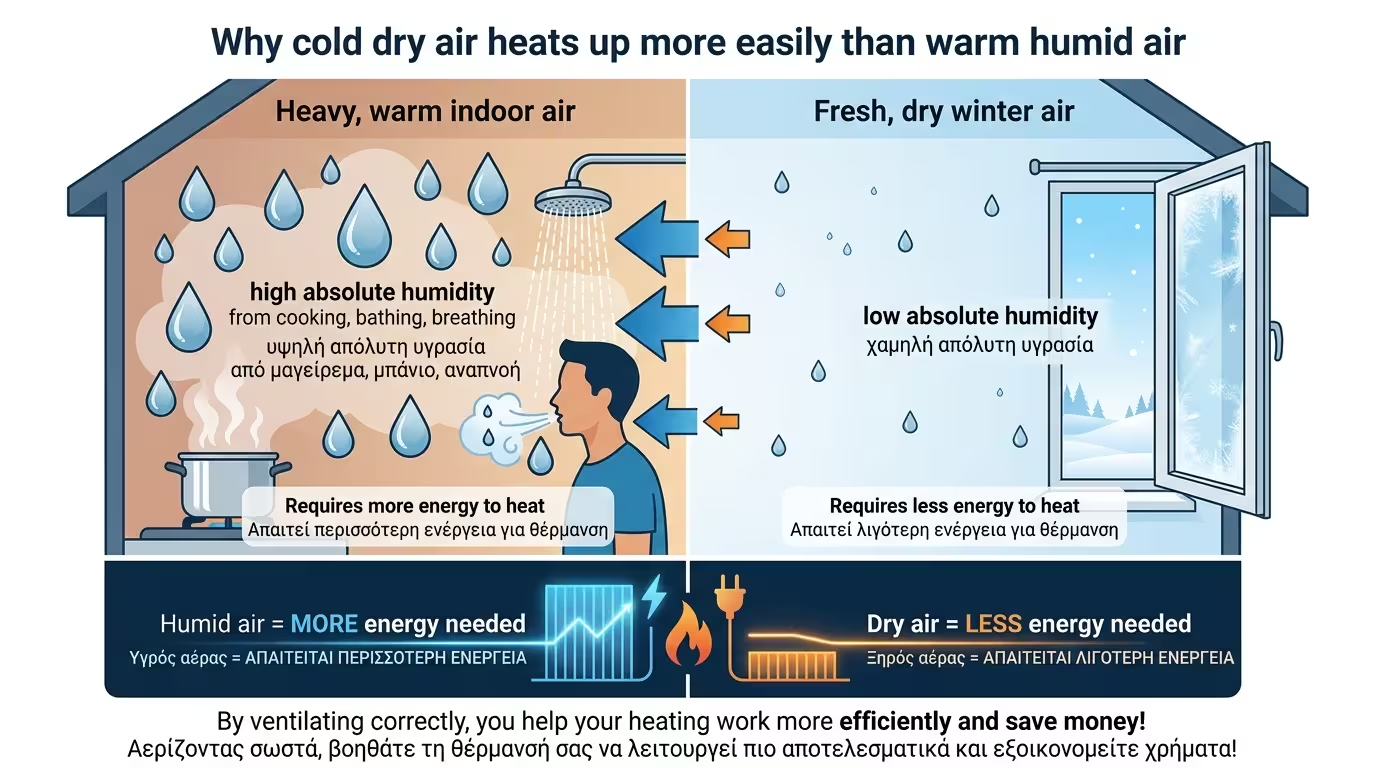
It sounds counter-intuitive, but it's true: fresh winter air is dry (low absolute humidity). The old air you expelled was laden with moisture from cooking, bathing and breathing. Dry air needs less energy to heat, because the heating system doesn't have to "boil off" all that water vapour in the heavy, humid indoor air you replaced. By ventilating correctly, you help your heating system work more efficiently and save money!
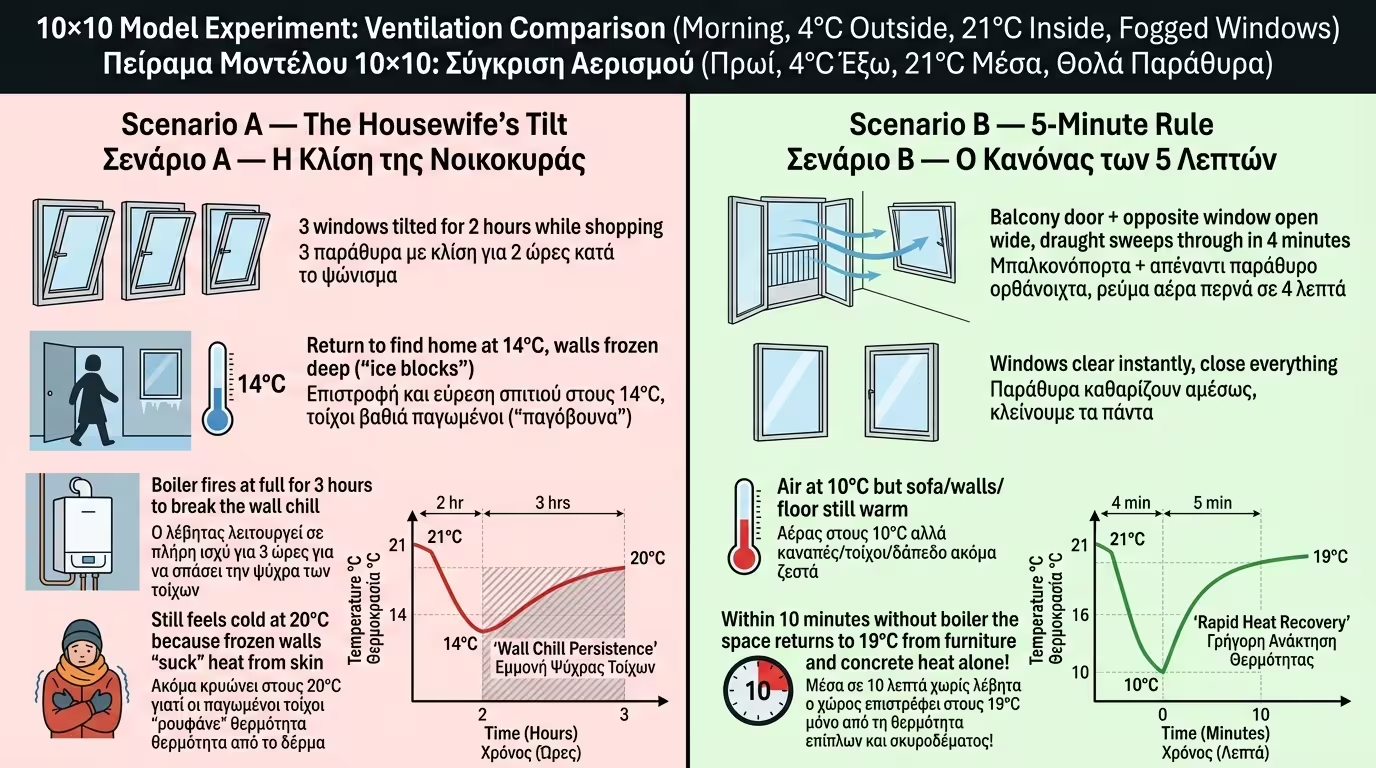
Morning, 4°C outside and 21°C inside. Windows are fogged from overnight humidity.
We tilt 3 windows and go shopping for 2 hours. We return: home at 14°C, walls are "ice blocks" - the concrete has frozen centimetres deep. We close. Gas boiler fires at full. It takes 3 full hours of non-stop running (a lot of money) to "break" the wall chill. Until then you feel cold even though the thermometer reads 20°C, because the frozen walls "suck" heat from your skin.
We open the balcony door wide + the opposite bedroom window. Draught! 4 minutes - windows clear instantly. We close everything. Air is at 10°C, but the sofa, walls and floor are still warm - they didn't have time to cool in 5 minutes. Within 10 minutes, without the boiler firing, the air returns to 19°C just from the heat released by furniture and concrete!
The Final Conclusion: Forget tilting windows in winter. Cross-ventilation "shock" for 5-7 minutes, 2-3 times daily, is the most effective, hygienic and 100% free method for pristine air while keeping the bill at a minimum.
Return to category.
Go to categoryReturn to the central guide.
Go to guide