
🧱 The Load-Bearing Wall
The existing wall of the building (brick or concrete). This forms the base on which the entire system is supported.
If you walk through the centre of a modern European city and look at the contemporary office towers, hotels or shopping centres, chances are you do not see painted render (as in conventional ETICS). You see large panels of aluminium, ceramic tiles, glass or even composite timber.
What hides behind those panels is the most advanced, durable and efficient building cladding system available today: the Ventilated Façade.
Let us shed light on how this top-tier system works and why architects love it, despite its high cost.
Unlike ETICS, where all materials are glued one on top of the other like a sandwich, the ventilated façade is based on the concept of distance. The system consists of 4 key layers (from inside to outside):
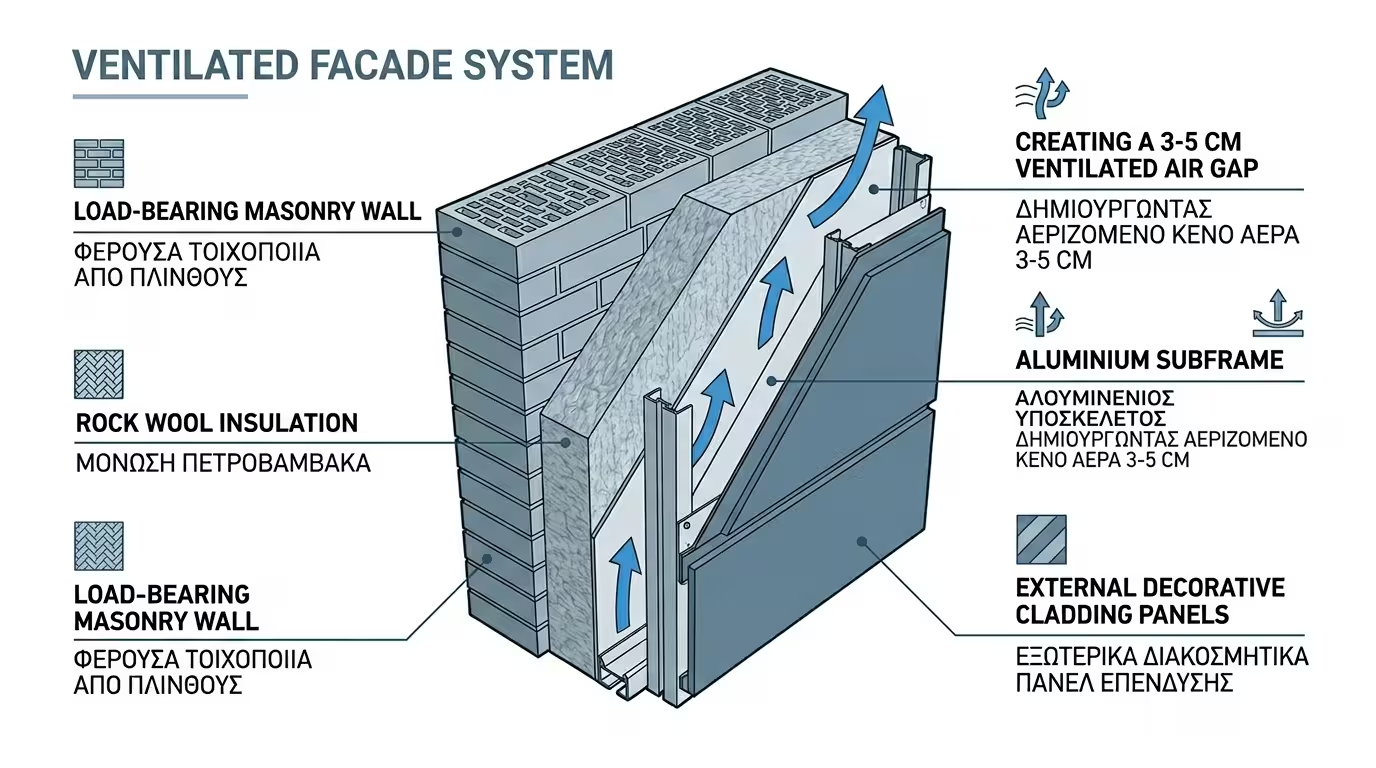
The existing wall of the building (brick or concrete). This forms the base on which the entire system is supported.
The insulation material is fixed onto the wall. Rock wool (or glass wool) dominates here because it is non-combustible and offers outstanding sound insulation. EPS/XPS is strictly avoided for fire safety reasons.
A robust aluminium subframe is screwed to the wall. This frame creates a gap of at least 3 to 5 centimetres between the insulation and the final cladding. This air gap is the "heart" of the system.
The decorative panels (e.g. Alucobond, HPL, ceramics, marble) are hung or screwed onto the frame. The joints between panels are often left open to allow air to enter.
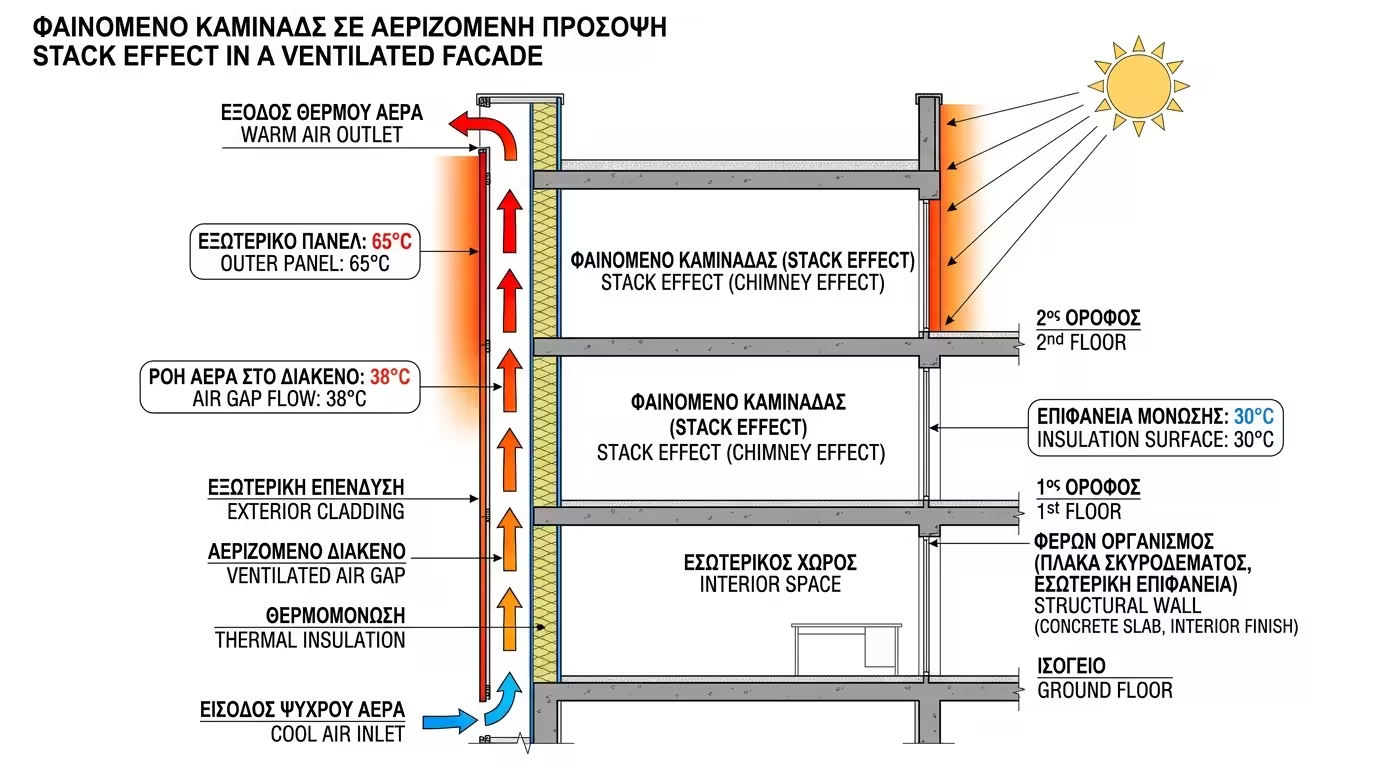
Why do we leave this gap? The answer lies in physics. When the scorching summer sun hits the external panels, they become extremely hot. However, behind them there is the air in the cavity. This air heats up and, as we all know, hot air is lighter and rises upwards.
This creates a natural, continuous air current from the base of the building towards the roof - the so-called Stack Effect. The rising air carries the panel heat away with it, expelling it into the atmosphere before it even touches the rock wool! The building practically "self-cools".
The ventilated façade is not just an insulation system. It is a complete building protection solution that excels in four critical areas.
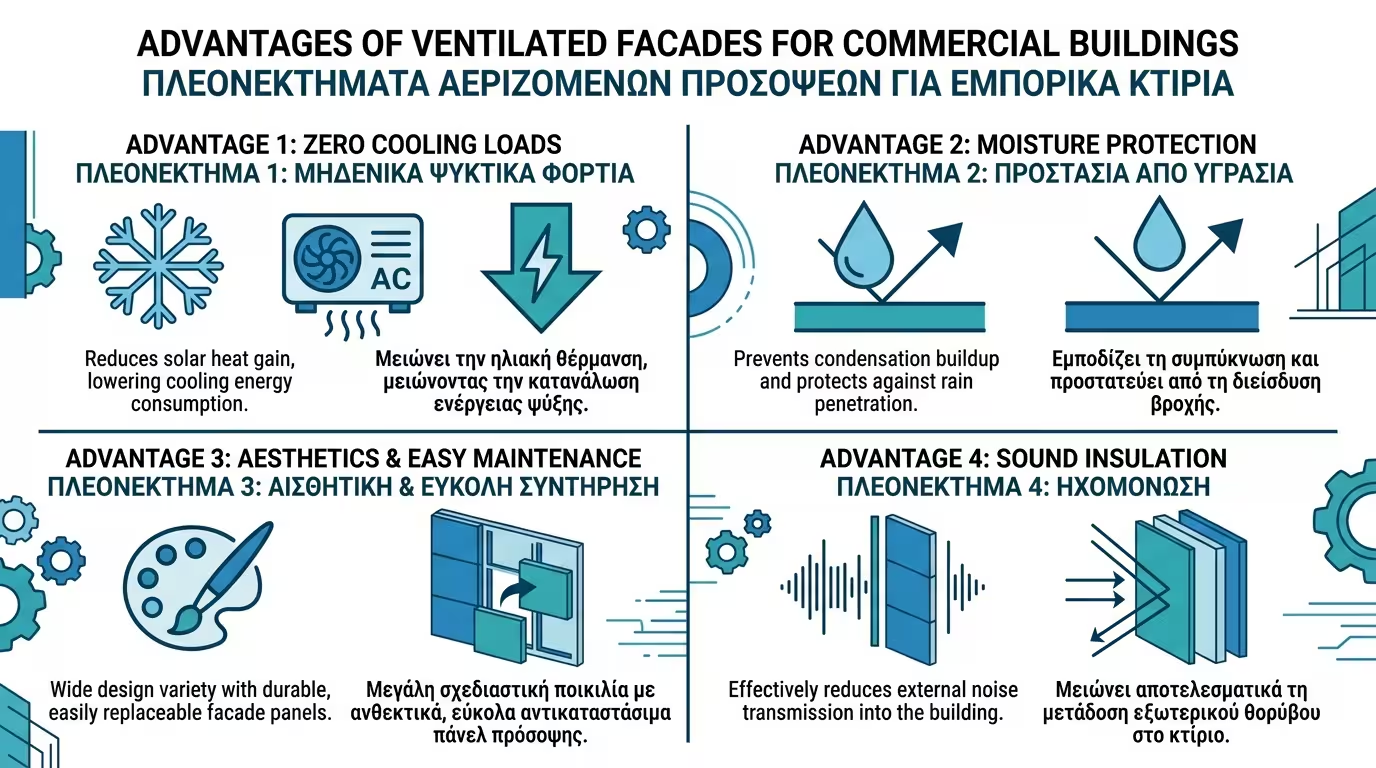
Thanks to the stack effect, office buildings (which have enormous cooling needs due to computers and occupants) can dramatically reduce their cooling costs.
Even if heavy rain penetrates through the panel joints, the water drains into the cavity and dries instantly from the air current. The rock wool stays 100% dry. No more mould.
The architect can give the building any appearance desired (wood, metal, stone). If a panel gets damaged or scratched, there is no need to strip the wall - simply unscrew the one panel and fit a new one in 5 minutes.
The combination of a hard panel, an air gap and rock wool creates an unrivalled sound trap. Buildings with ventilated façades in central Athens do not hear the slightest car horn from the street.
If it is so perfect, why don't we all install it on our homes? The answer lies in two disadvantages.
It is an extremely expensive system. While conventional ETICS costs around €55-70/sq.m., a ventilated façade (depending on the external panel) can start from €120 and exceed €250/sq.m.
The system adds considerable bulk to the building (insulation + aluminium frame + air gap + panels), often exceeding 15 to 20 centimetres in total depth.
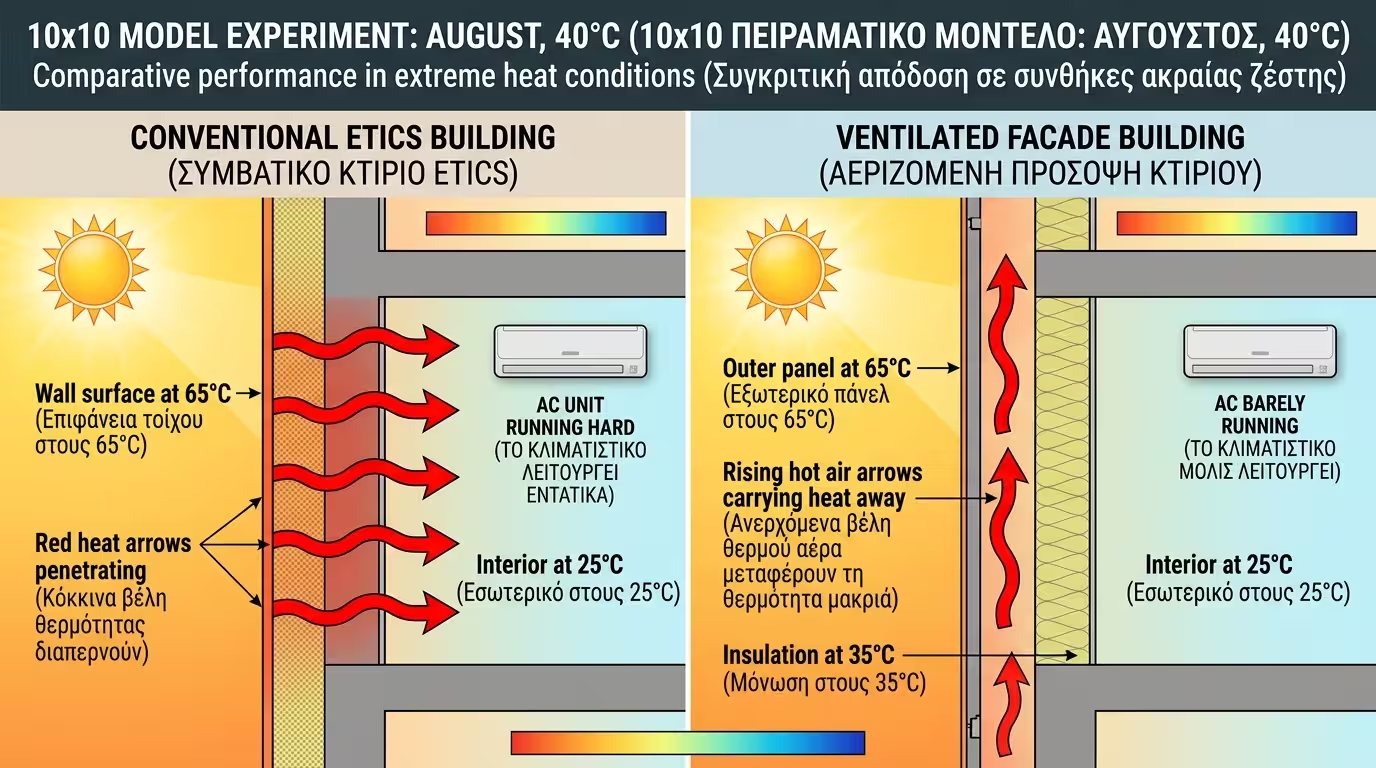
We equip our digital building with a ventilated façade using 10cm rock wool on an August day at 40°C. The external panel "roasts" at 65°C. In the gap, the stack effect expels the heat. The rock wool stays below 35°C. The interior wall remains at a cool 25°C with the air conditioner barely running.
💡 Conclusion: The ventilated façade is an expensive, heavy investment, but for commercial buildings or luxury constructions with high demands for durability and aesthetics, it is simply the best modern engineering has to offer.
Return to category.
Go to categoryReturn to the central guide.
Go to guide