🔊 The Source
Produced by something that vibrates the air. Examples: Your neighbour's voices, the TV, a barking dog, a car horn on the street.
To solve a noise problem, you must first make the right diagnosis. In building acoustics, the enemy isn't one single thing. It splits into two major, entirely different categories, depending on how it begins its journey.
If you try to stop one type using the materials designed for the other, you'll simply throw your money away.
This is the "classic" sound we all have in mind. It is produced by something that vibrates the air.
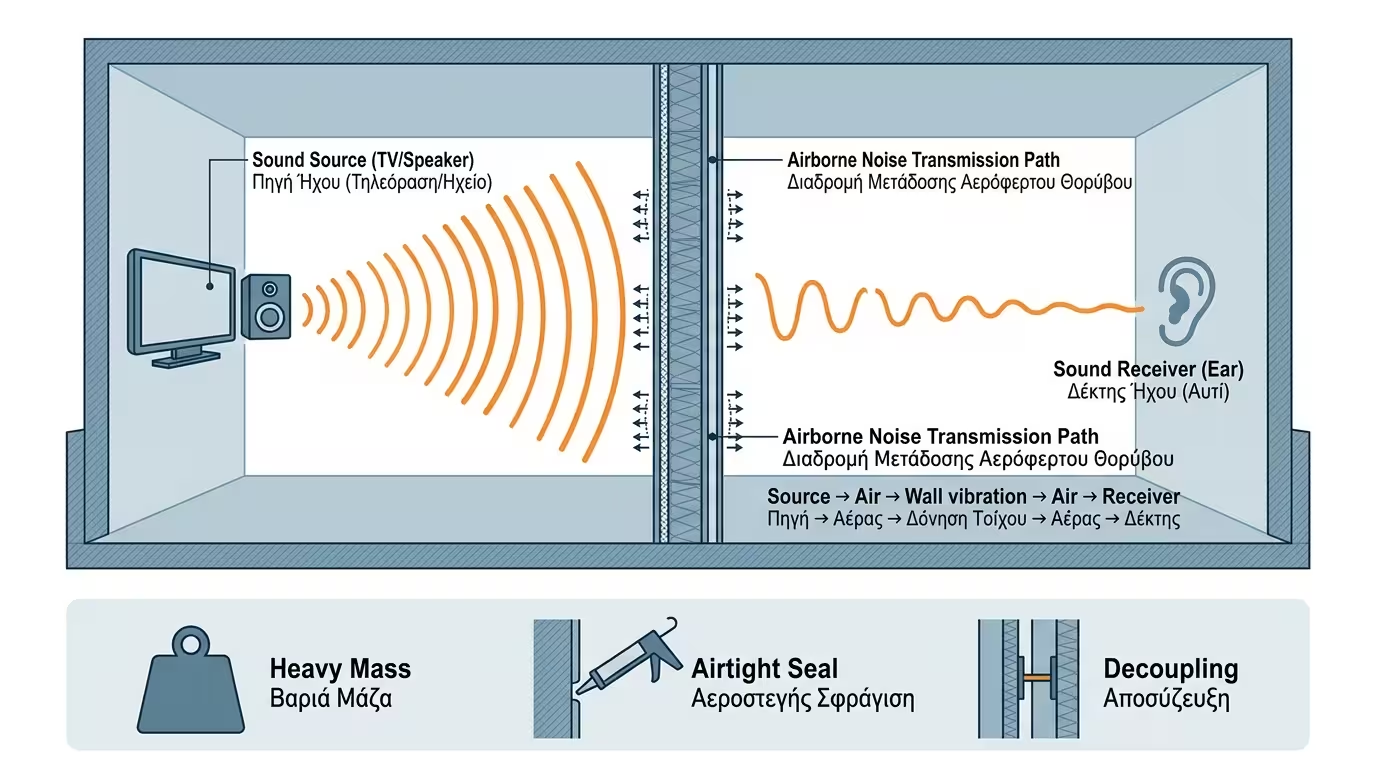
Produced by something that vibrates the air. Examples: Your neighbour's voices, the TV, a barking dog, a car horn on the street.
The sound waves (which are essentially air pressure changes) travel through the neighbour's room and hit the wall dividing you (the party wall). The energy of these waves makes the wall vibrate imperceptibly. The wall, in turn, acts like a loudspeaker membrane: it vibrates the air on your side, and so the sound reaches your ear.
Airborne noise is a (relatively) easy opponent. It's tackled with Mass (heavy walls), Airtightness (no gaps) and Decoupling (building an independent stud wall with an air gap and rock wool to "break" vibration transfer).
Here things get much harder. This is the "nightmare" of multi-storey buildings. It doesn't start from the air.
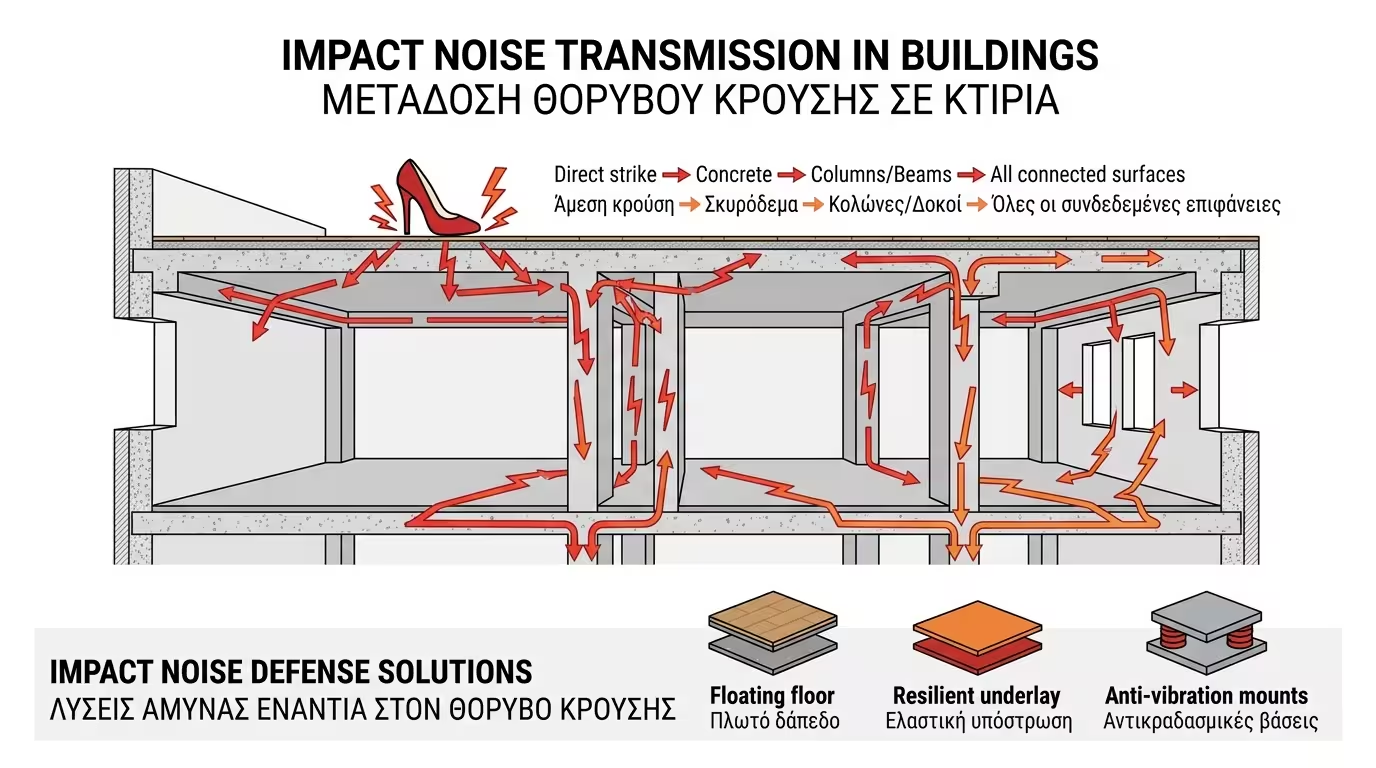
It starts from a direct mechanical strike on the building structure. Examples: High heels from the floor above, dragging a chair, a jack-hammer drilling a wall, or a washing machine bouncing during the spin cycle.
When the heel hits the floor, energy transfers directly into the concrete slab. Concrete is an excellent conductor of vibrations. The vibration travels at lightning speed through columns and beams, reaching your ceiling (or even your walls) and forcing them to emit sound.
A plasterboard suspended ceiling in your flat will barely help against footsteps. Impact noise must be stopped at its source. It requires resilient/anti-vibration materials (e.g. a floating floor with a special underlay) beneath the floor of the person causing the noise, so the impact is absorbed before it even reaches the concrete.
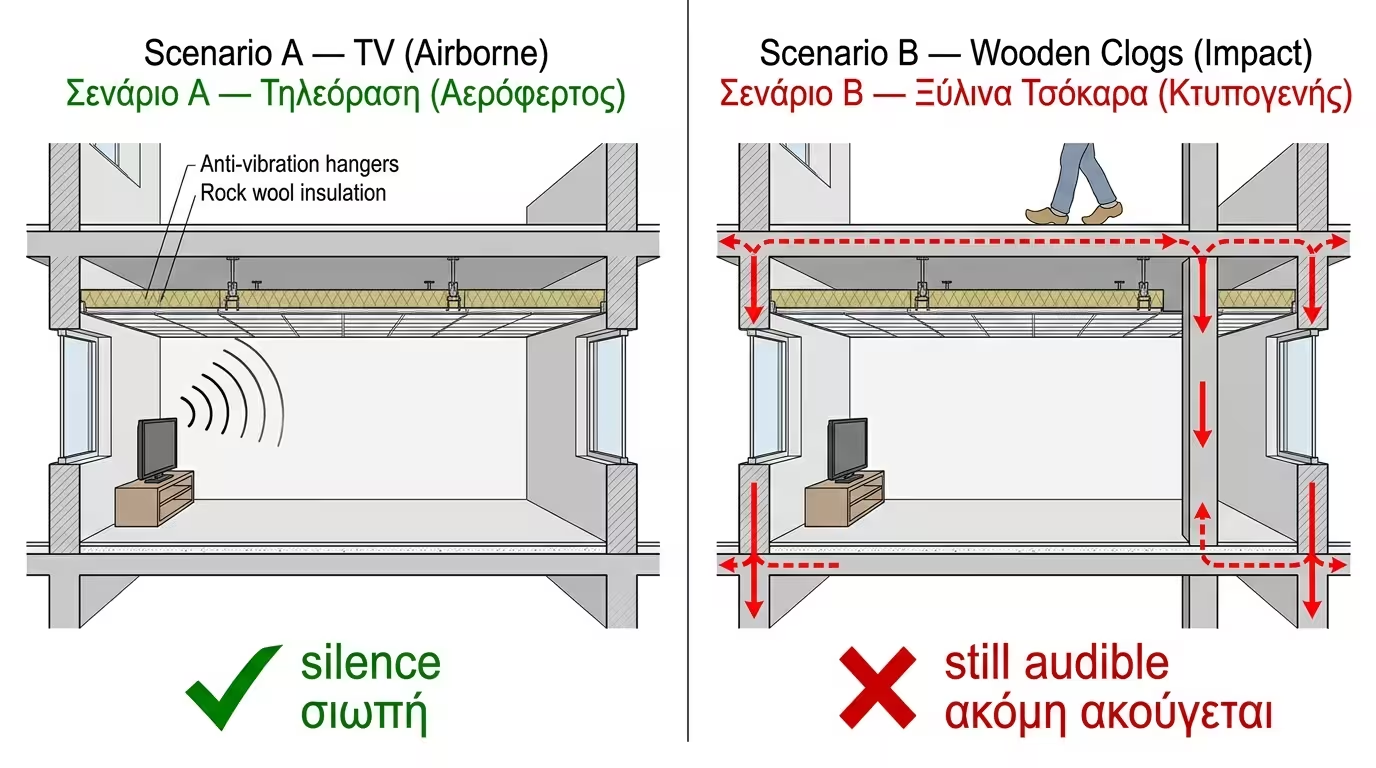
You live on the ground floor. Upstairs lives a neighbour. Let's test two scenarios:
The neighbour turns the TV up loud. You build a proper sound-insulating suspended ceiling with plasterboard, anti-vibration hangers and rock wool. Result? Perfect silence. The TV voices have vanished.
The neighbour walks in wooden clogs on bare mosaic tiles. You have the same perfect suspended ceiling, yet you hear the footsteps almost just as loudly! Why? Because the vibration from the clogs travelled down through the vertical columns and the perimeter walls of your living room, completely bypassing your insulated ceiling (Flanking Transmission). To stop hearing him, the neighbour would have needed a thick carpet (or floating floor) in his own flat!
When you call a specialist (or when you're shopping for materials), the first question must always be: "What type of noise am I trying to stop?".
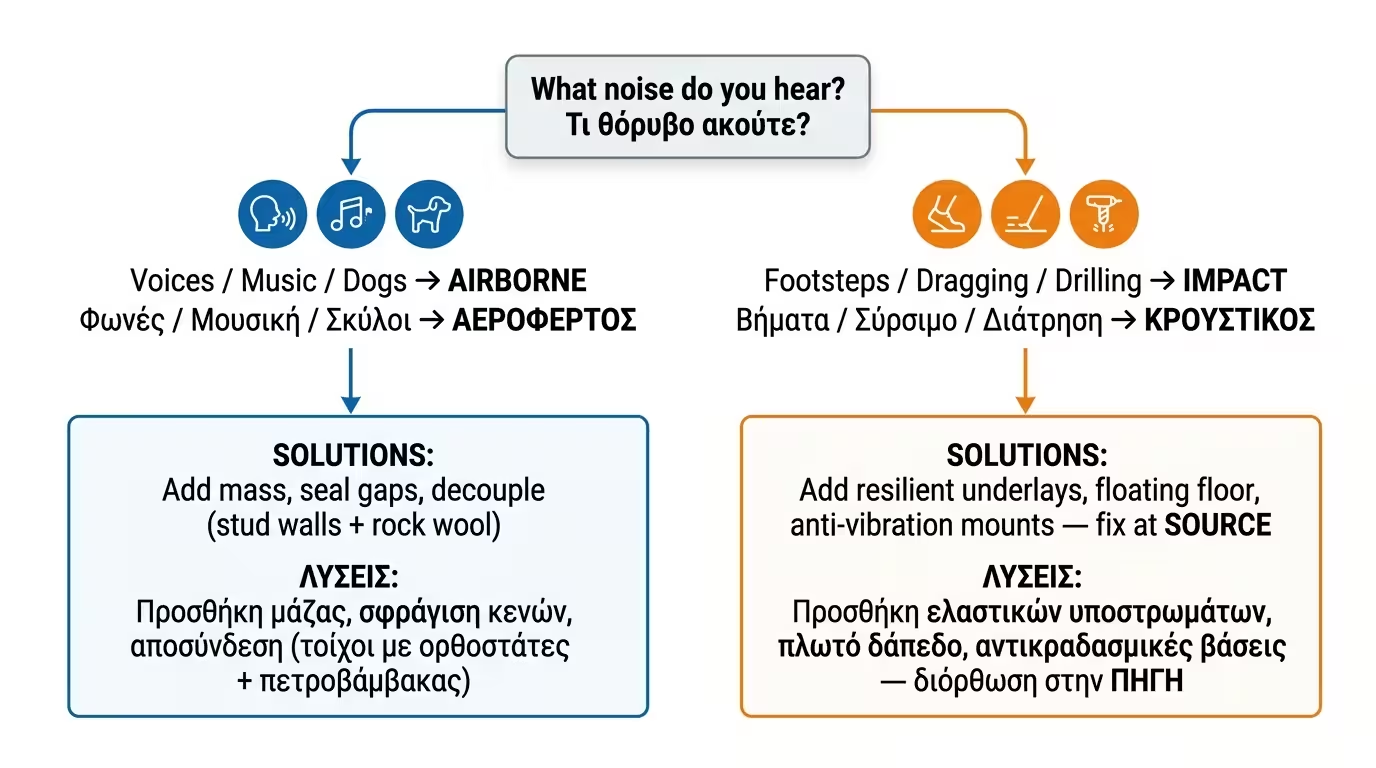
Add barriers: heavy walls, airtight seals, air gaps with rock wool. Stud walls and suspended ceilings are effective.
Add "shock absorbers": resilient underlays between the source and the building. Floating floor, anti-vibration mounts, isolation strips. The solution starts at the source, not at the receiver.
Return to category.
Go to categoryReturn to the central guide.
Go to guide