🌡️ The 40°C Weakness
The machine sends 40°C water to the radiators. But the freezing air pouring in through gaps drops the room temperature faster than the lukewarm radiator can heat it. The home stays freezing.
To understand why cold air destroys a heat pump, we first need to understand how this machine works, compared to your old oil boiler.
An oil boiler is like a sprinter. It fires up, burns fuel, sends scorching water (75°C-80°C) to the radiators, the home "bursts" with heat in 20 minutes, then switches off. A heat pump is a marathon runner. It hates sudden changes. It wants to switch on in November and off in March. It wants to run continuously at very low speed (inverter), sending lukewarm water (35°C-45°C) to the radiators or underfloor, keeping the home at a permanent, gentle temperature.
It is precisely at these low water temperatures that the pump performs its "miracle" and achieves a huge coefficient of performance (the famous COP).
But what happens if your home has window gaps and air draughts?
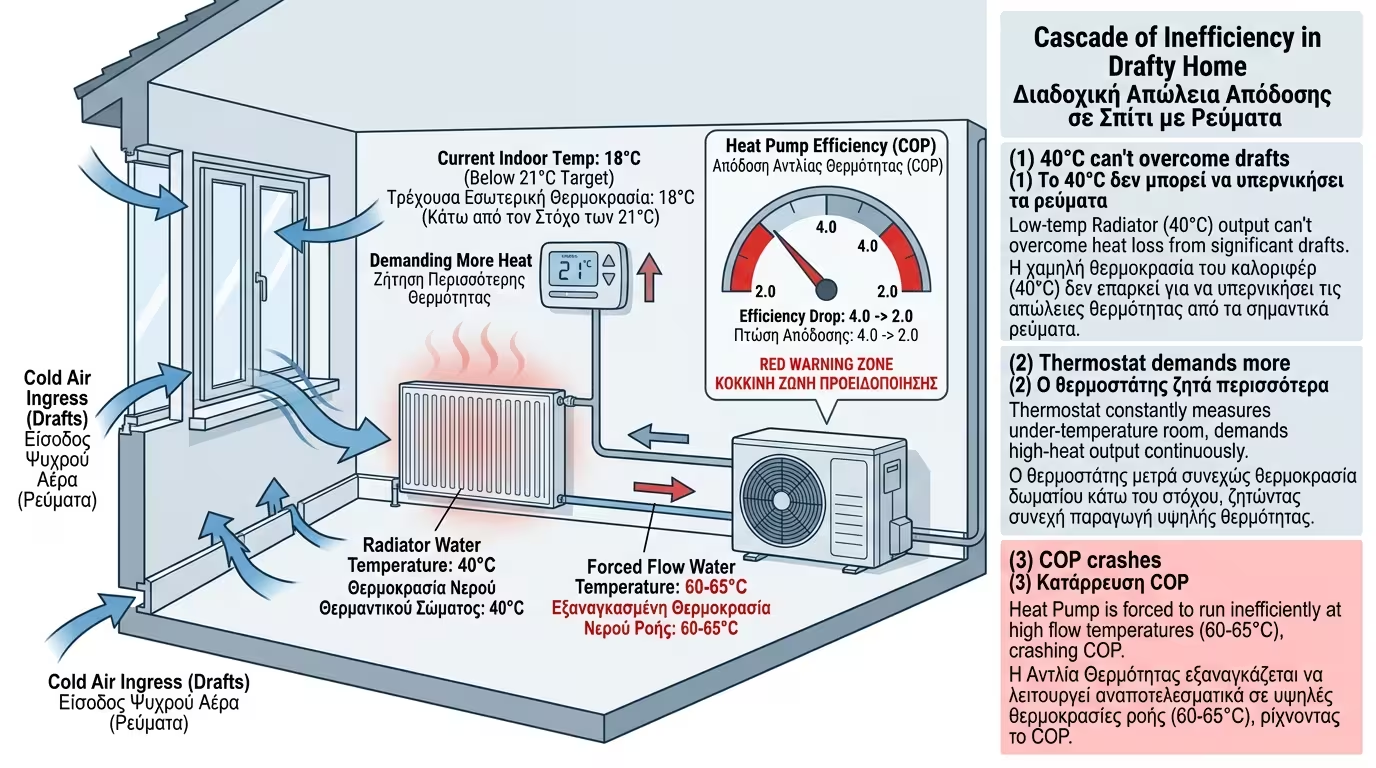
The machine sends 40°C water to the radiators. But the freezing air pouring in through gaps drops the room temperature faster than the lukewarm radiator can heat it. The home stays freezing.
The living-room thermostat sees that 21°C is impossible to reach. It orders the pump: "Hit the gas, we're freezing!"
The pump is forced to work at 100% capacity. It raises the water temperature to 60°C or 65°C to overcome the cold draughts. At 65°C the pump "suffers". Its COP drops sharply (e.g. from 4.0 to 2.0). This means that to produce the same heat, it consumes double the electricity!
If you seal the gaps, apply silicones and make the home airtight (achieving a good Blower Door Test), the story changes completely.
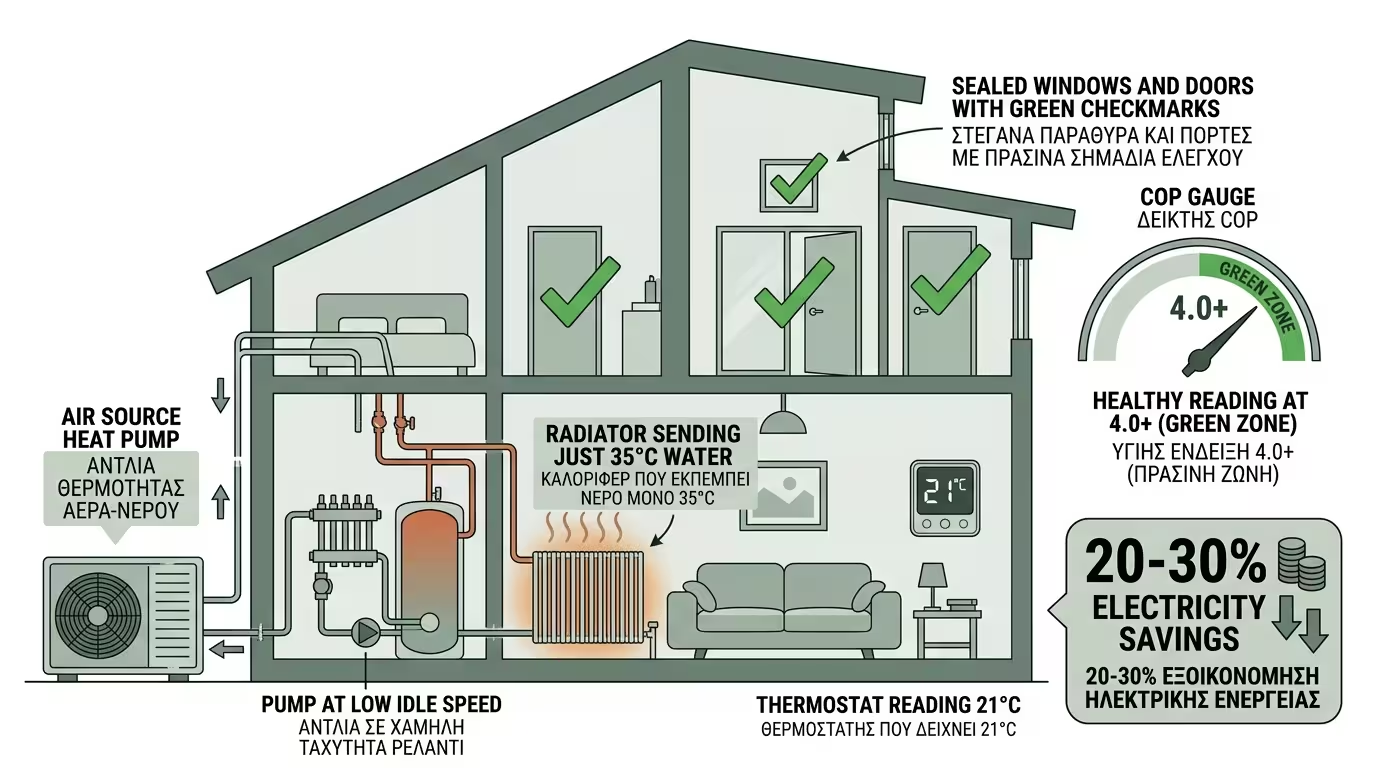
Indoor air is no longer forcibly replaced by the cold from the street. Heat is locked inside. Now the heat pump can comfortably send water at just 35°C to the radiators. Even with this lukewarm water, the home reaches 21°C and holds it with remarkable ease!
At these low water temperatures the compressor runs almost idle. The machine operates on its absolutely ideal curve. In practice, simply by cutting air draughts, you allowed the pump to work more relaxed, instantly gaining a 20% (up to 30%) saving on electricity!
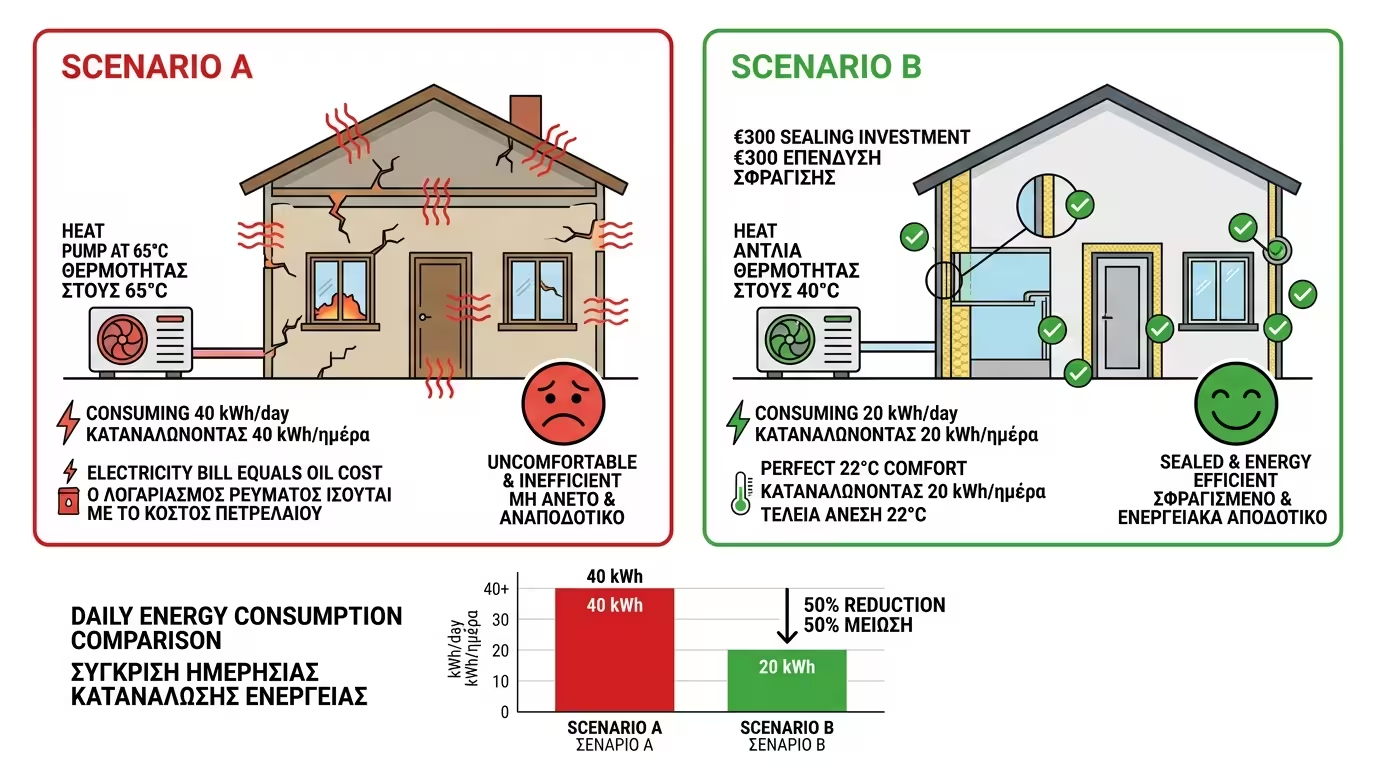
We made the investment and spent €6,000 on a top-of-the-line high-temperature heat pump.
We switch on the pump. Because the home leaks, the radiators must run at 65°C to warm us. The pump consumes 40 kWh of electricity per day. The electricity bill arrives and is the same (or worse) than last year's oil! We feel cheated.
We spend €300 to perfectly seal the shutter boxes, sockets and doors. The pump "realises" it is no longer losing heat. It automatically lowers the water to 40°C. The home sits at a permanent 22°C, perfect comfort, and consumption drops to 20 kWh per day. The machine finally delivers what its brochure promised!
The Final Conclusion: Don't buy a "Ferrari" if you plan to drive it on a dirt road. A heat pump is an excellent technology, but it demands a home that "respects" the heat it produces. Airtightness is not merely complementary - it is the fundamental prerequisite for any modern heating system to work correctly and economically!
Return to category.
Go to categoryReturn to the central guide.
Go to guide