
Resilient Wall Mounts and Hangers: The Secret to Breaking Contact with the Structure

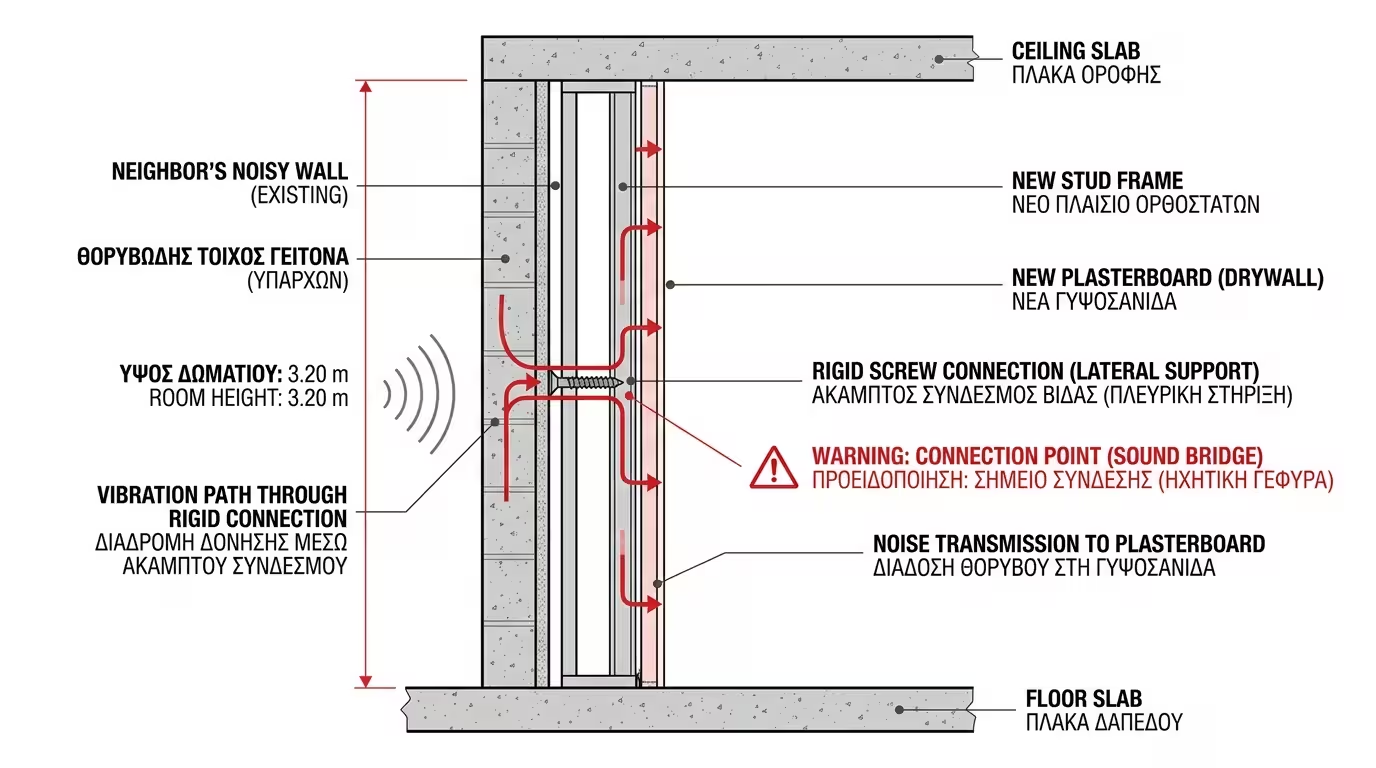
In the physics of sound, there is one absolute nightmare called an Acoustic Bridge. A sound bridge is created when two solid materials are connected in a rigid way (e.g. with a screw, a nail or a stiff metal bracket).

When the old wall vibrates from the neighbour's noise, the vibration finds the screw, races through the metal like an electric current, and strikes your brand-new plasterboard. The sound has simply "jumped" over the cavity and the rock wool you paid good money for!

The Problem of Support

When building an independent stud wall, the ideal is for it to be fixed only to the floor and ceiling, without touching the back wall at all.

However, if the room is tall (over 3 metres) or you plan to hang heavy cabinets on the plasterboard, the frame will buckle. The builder is forced to "tie" the new frame to the back wall for stability. How does he do it without creating a sound bridge?

Tall room: the stud frame must be tied to the back wall - risk of sound bridge

The Solution: The "Shock Absorbers" of Construction

This is where Resilient Mounts (Acoustic Wall Mounts) come in.

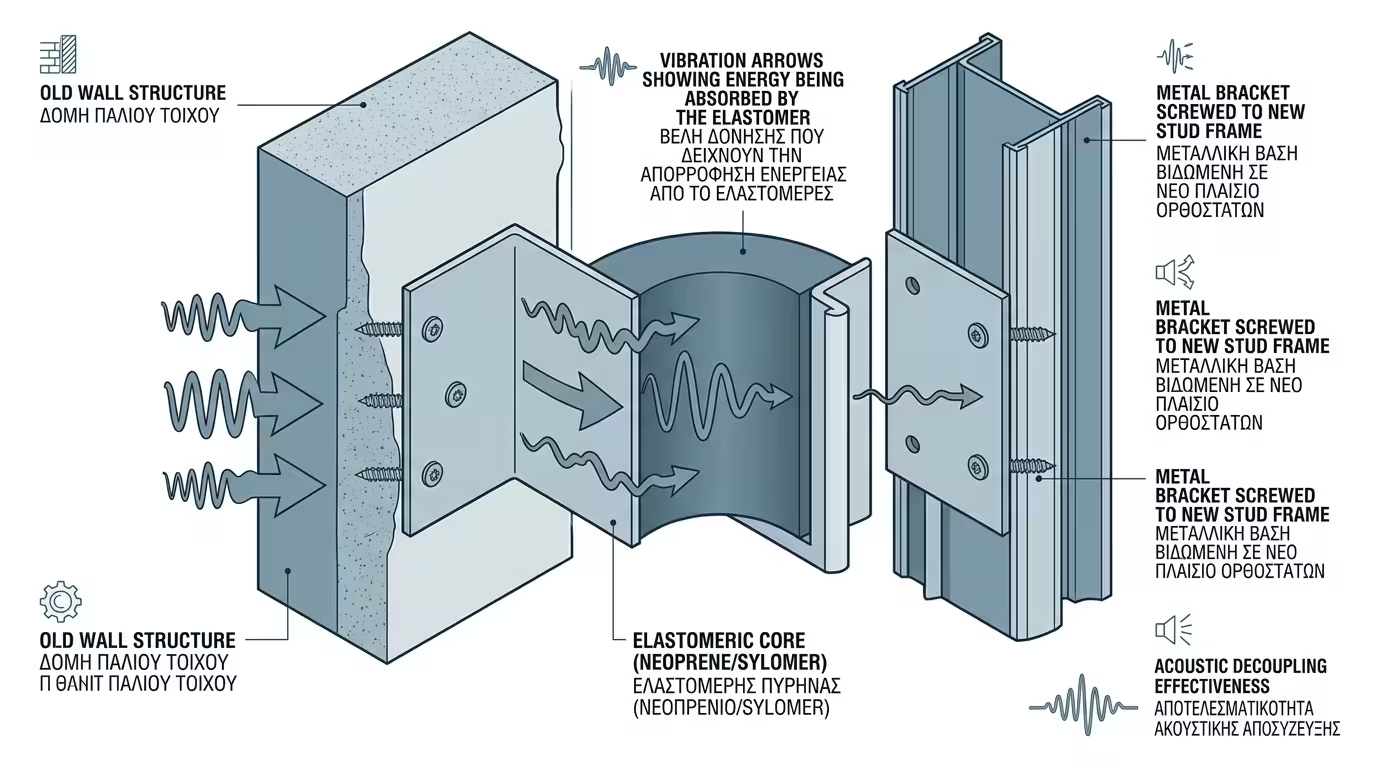
They are special metal fittings that have at their centre a "core" of elastic material (usually neoprene, rubber or advanced elastomers like Sylomer).

  • How they work: One end of the metal is screwed to the old wall. The other end is screwed to the new stud frame. However, these two metals never touch each other! They are connected only through the elastic core.
  • When vibration starts from the old wall, it reaches the rubber. The rubber compresses, absorbs the kinetic energy (like a car shock absorber going over a pothole) and does not let the vibration pass to your new wall.
Resilient mount: metal ends connected via an elastomeric core (Sylomer)

Not All "Rubbers" Are Equal

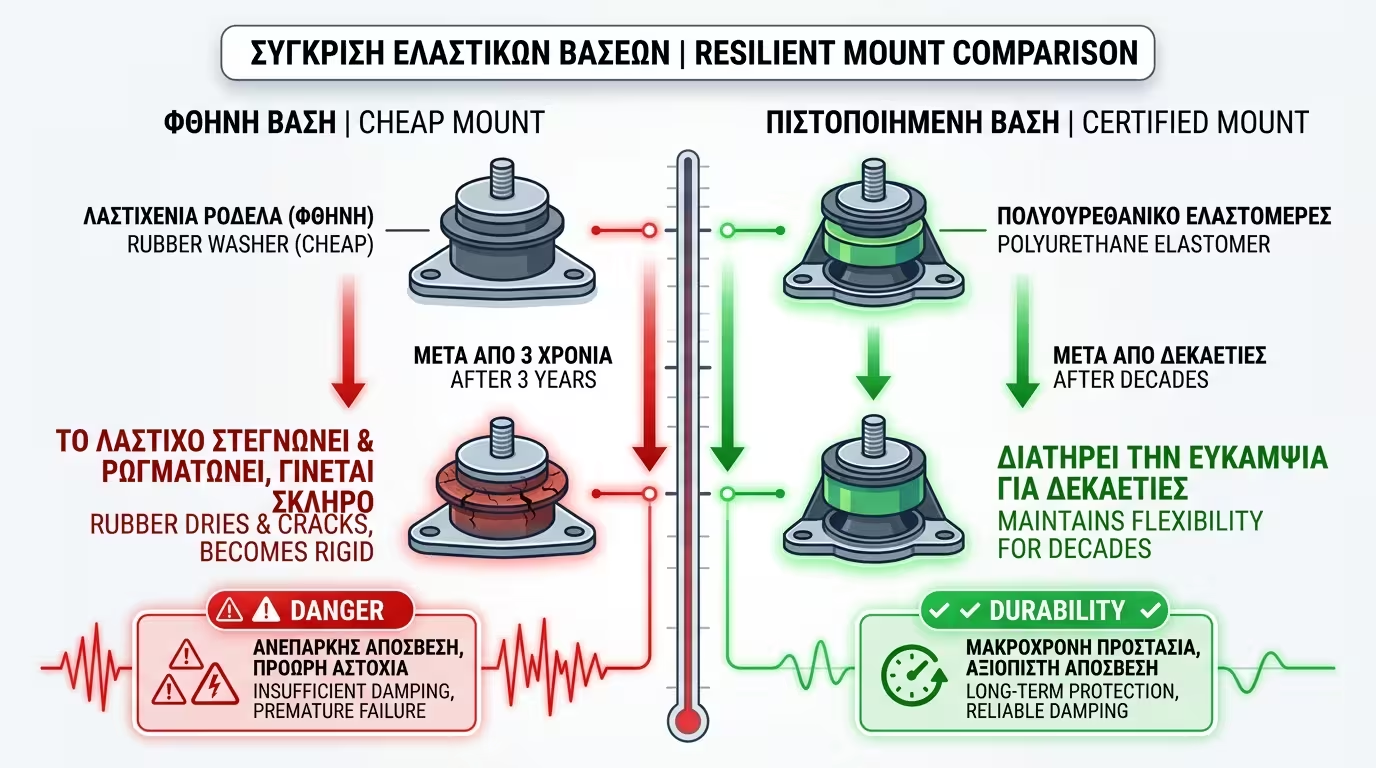
Beware of cheap imitations! Many shops sell plain metal brackets with a thin washer of cheap rubber and call them "resilient".

Ordinary rubber dries out after 2-3 years, "petrifies" and loses its elasticity. Proper resilient mounts use certified polyurethane elastomers that maintain their "rebound" for decades.

Cheap washer vs certified elastomer: after 3 years, the cheap one petrifies

The Experiment in Our Model (Supporting the 4×4 Wall)

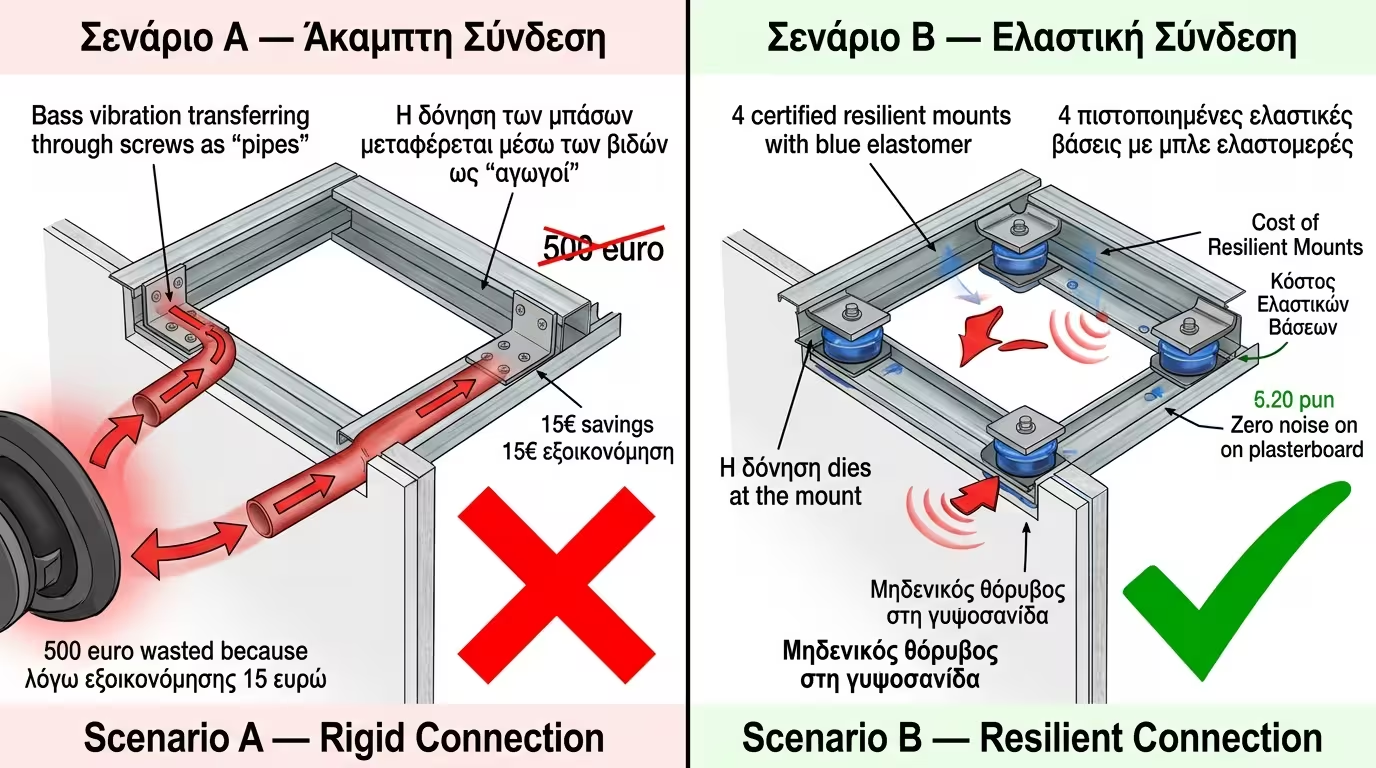
Experiment: Scenario A (4 brackets, bass passes) vs Scenario B (4 resilient mounts, zero vibration)

Our room has a high ceiling (3.20 m) and we want to mount a 65-inch TV on the new acoustic plasterboard. The builder must tie the frame to the neighbour's wall.

❌ Scenario A (The Catastrophic Screw)

The builder takes 4 plain metal angles and screws our frame to the neighbour's wall. We close with double plasterboard. That night, the neighbour plays music. Those 4 screws act as "pipes" that transport all the bass directly to our wall. We wasted €500 in materials because we skimped €15 on the mounts.

✅ Scenario B (Absolute Decoupling)

We buy 4 certified resilient wall mounts (with a blue elastomeric core). The builder ties the frame using these. We hang our TV safely (the wall is rock-solid). That night, the neighbour's music rattles his wall, the vibration reaches the mounts, but "drowns" in the elastomer. Zero vibration reaches our plasterboard.

The Final Conclusion: The decoupling rule is unforgiving: Never rigid on rigid. Whether building a wall or hanging a ceiling (with the resilient hangers we saw earlier), elastomeric shock absorbers are the only way to keep your frame standing without turning it into… the neighbour's loudspeaker.

Related Articles

Sound Insulation: Silence and Noise Protection

Return to category.

Go to category

Preview