Drainage Membranes (Dimple Boards): Their Role in Protecting
Waterproofing During Backfilling
If you visit any building site while basements are under construction,
you will see the external walls clad in a tough, black or brown plastic
in rolls, covered in raised bumps (like an egg carton).
Builders call it an "egg-crate" membrane. Its technical
name is High-Density Polyethylene (HDPE) Drainage Membrane. The biggest misconception is that many owners (and even some
contractors) believed this plastic is the waterproofing. Huge mistake! The dimple board alone waterproofs nothing (the roll joints leak). Its role
is purely protective and drainage.
1. The 2 Life-Saving Functions of the Dimple Board
Why should you never backfill a basement without one?
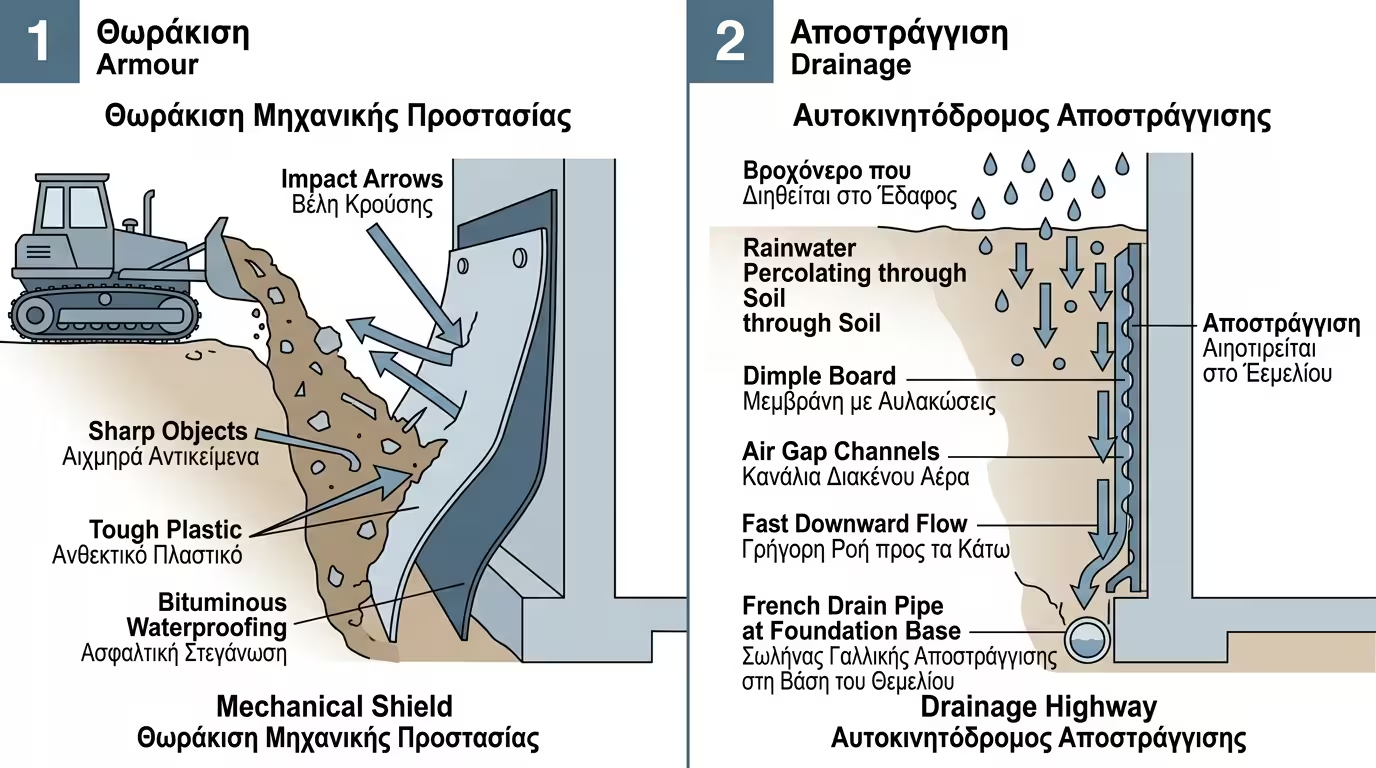
🛡️ The Mechanical Shield
When the bulldozer dumps soil, the mix contains stones, scrap metal,
broken bricks and roots. The tough plastic of the dimple board
absorbs impacts and scratches, acting as "armour" that protects the
delicate bituminous or cementitious waterproofing (or XPS insulation
boards) behind it.
💧 Drainage (The Water Highway)
Here lies the design magic. The raised bumps ("dimples") create an air gap between the soil and the wall. When rainwater percolates through the
soil and reaches the wall, it doesn't stick to the waterproofing. It finds
the gap created by the bumps and, by gravity, falls rapidly downward!
Where does it end up? Right inside the perforated drainage pipe (French
drain) at the base of the foundations.
2. The Eternal Question: Do the Dimples Face the Wall or the Soil?
This is the question that has caused the most arguments on building
sites. The correct answer depends on the type of membrane you bought:
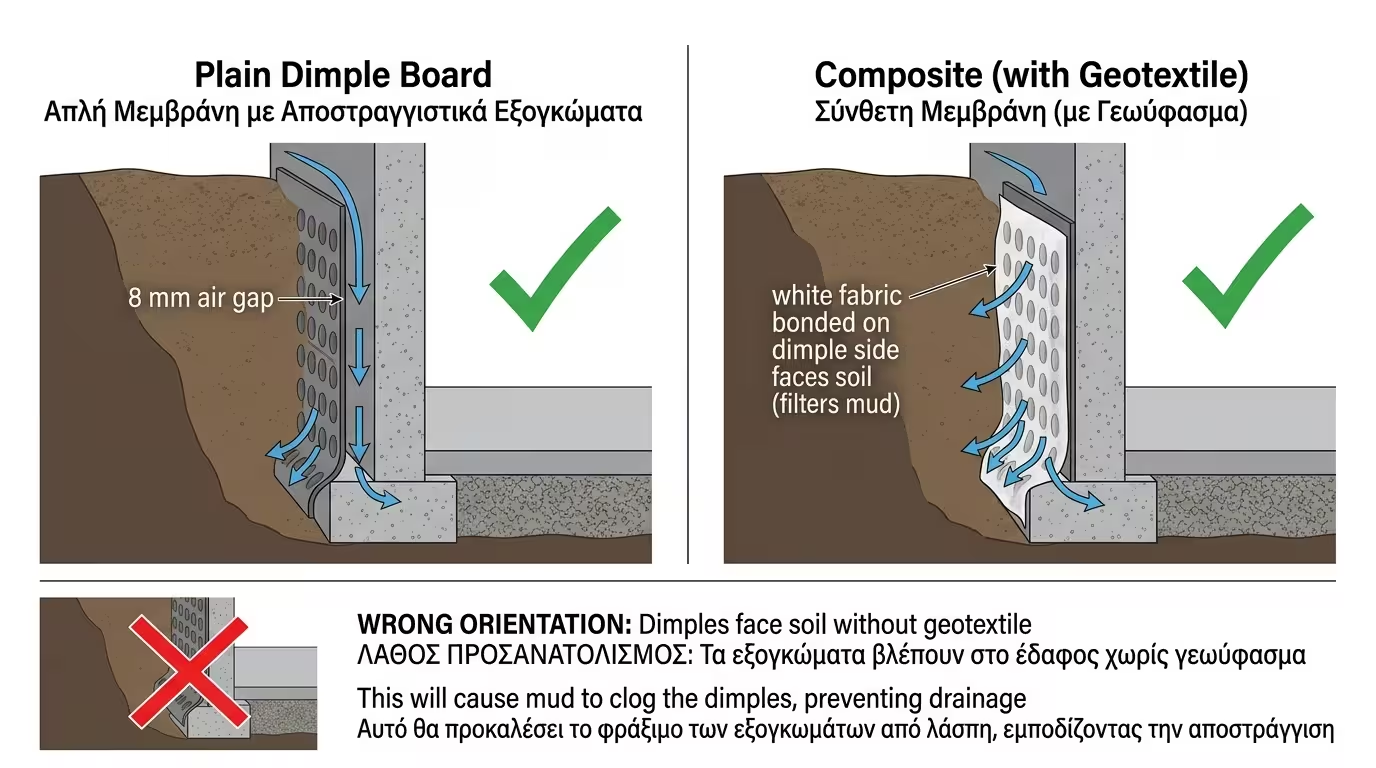
📐 The Plain Dimple Board
The general rule: the bumps (dimples) face the wall (or
the XPS insulation if fitted). This creates the air gap (approximately
8 mm) that lets the wall "breathe" and water run downward. The smooth
side faces the soil.
🧱 The Composite Dimple Board (With Geotextile)
In recent years, the premium solution is membranes with a white
fabric (geotextile) bonded onto the dimples. In this case, the fabric side faces the soil! The fabric filters the mud, clean water passes through the dimples and
drains downward, and the smooth side rests against the wall protecting
it.
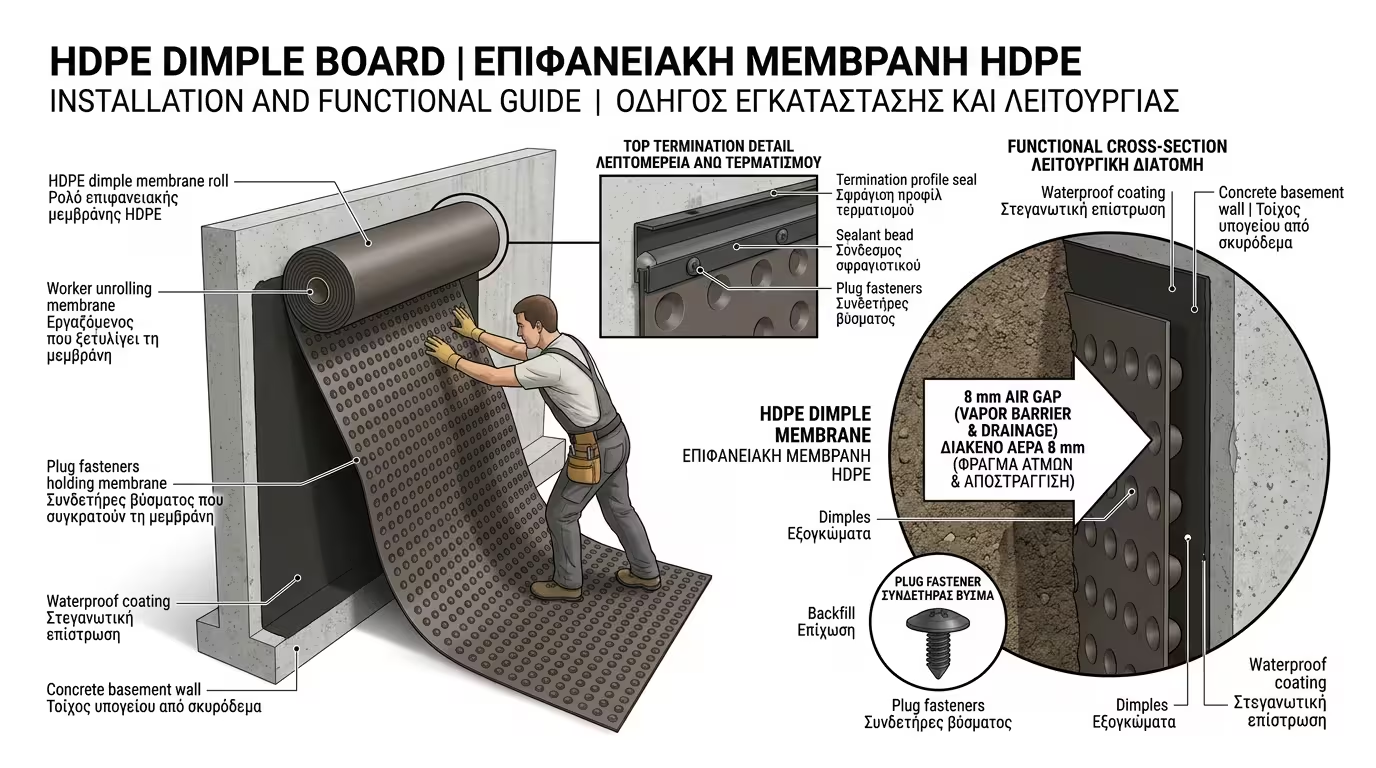
3. The Finishing Detail: Termination Profile
Many install the membrane but leave the top open (where the soil line
meets the ground floor). What happens then?
❌ Without Profile
Soil, mud and pebbles slip behind the membrane, clog the air gap and
neutralise the entire system.
✅ Best Practice
At the top, the membrane must be fixed with special plug fasteners
and "sealed" with a dedicated metal or plastic termination profile. This profile acts as a "lid" that prevents debris from falling
behind the membrane.
4. The Model Experiment (Backfilling the 10×10)
Our basement is ready, coated in thick bituminous emulsion. The soil
is about to go in.
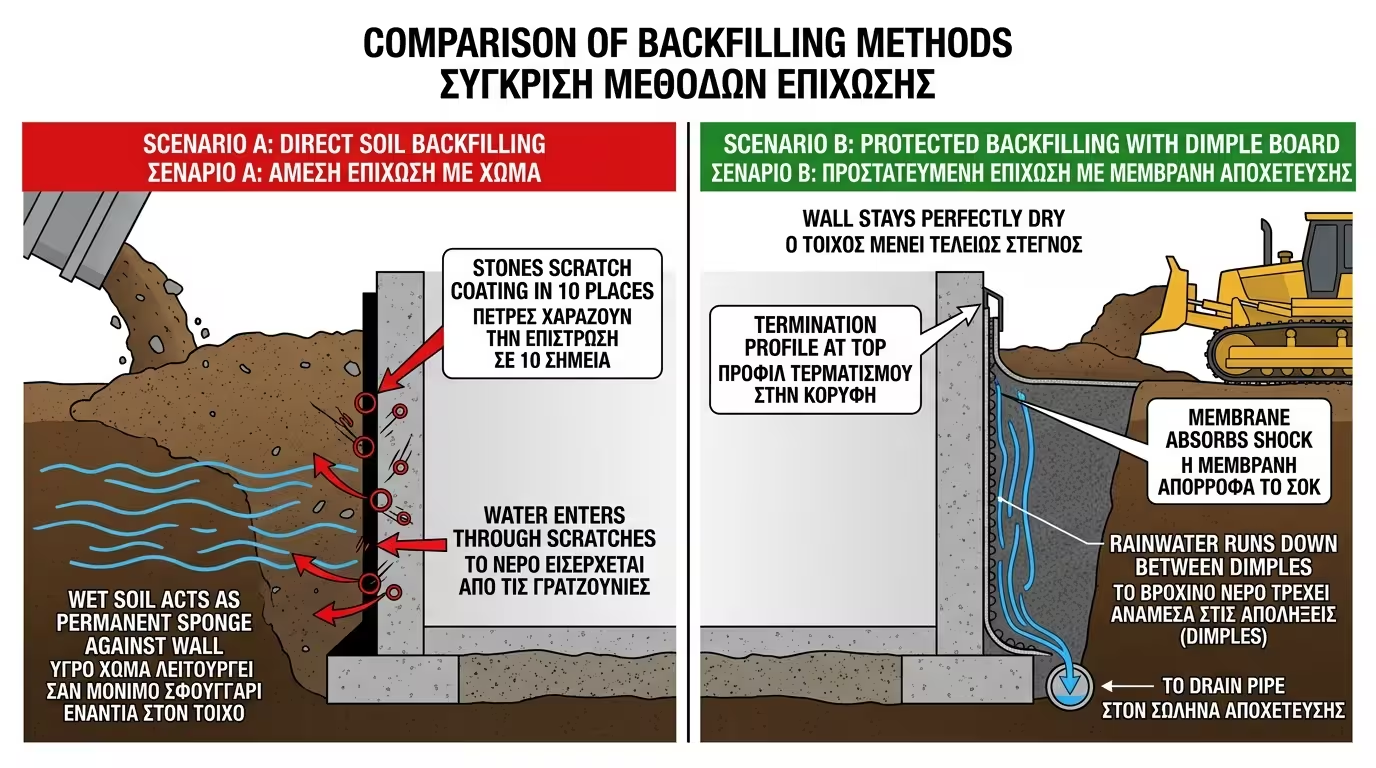
🔴 Scenario A (The False Economy)
We tell the contractor to dump the soil directly onto the bitumen to
save the €100 cost of the membrane roll. Stones scratch the bitumen
in 10 places. In winter, the wet soil sticks permanently to the wall
(holding moisture like a sponge). Water finds the scratches and
enters the basement. We built a perfect waterproofing job and destroyed it in the last
five minutes.
🟢 Scenario B (The Full Shield)
We unroll a composite dimple board with geotextile all around
(fabric facing the soil). We seal the top with the termination
profile. The bulldozer dumps tonnes of soil. The plastic absorbs all
the shock. In the rain, water passes through the fabric, races down
between the dimples and into the drainage pipe. Our wall doesn't even know it's raining!
Final Verdict: The dimple board is not your waterproofing
- it is its bodyguard. Never allow backfilling without carefully installing
this cheap but absolutely critical membrane. It keeps the soil away, drains
water fast and ensures your waterproofing lasts for decades.