
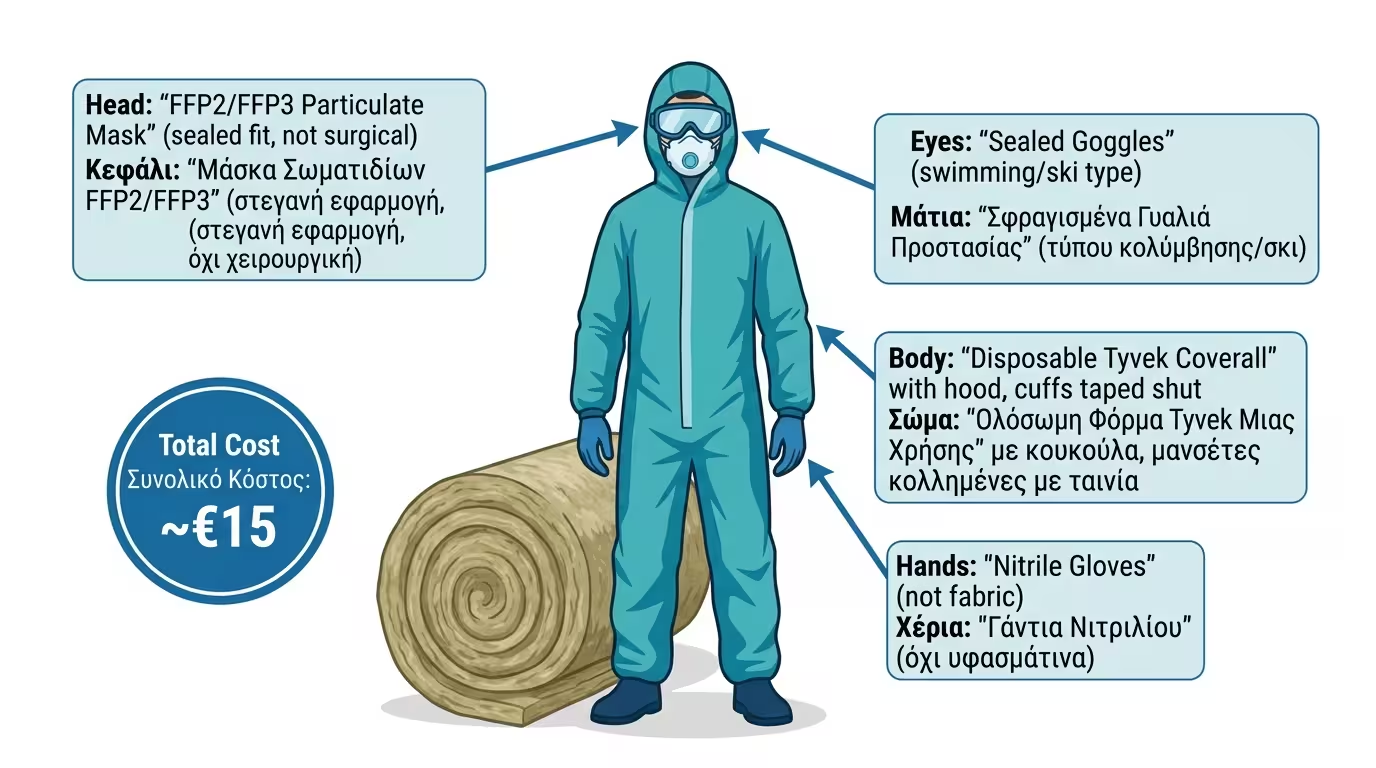
😷 FFP2 or FFP3 Particulate Mask
A simple surgical mask is not enough. You need a proper particulate respirator that seals tightly on your face, preventing you from inhaling the airborne fibre dust generated during cutting.
If you have ever handled a piece of rock wool or glass wool with bare hands, you know exactly what we are talking about. Within a few minutes your skin begins to sting, your eyes water and you feel an intense, unbearable itch that just will not stop.
This immediate reaction has created (quite understandably) a big fear: "Are these materials toxic? Are they the new asbestos?" The short answer is no, they are not toxic, but they demand absolute respect during handling. Let us explore why they cause this irritation and what Personal Protective Equipment (PPE) you need to work with them in complete safety.
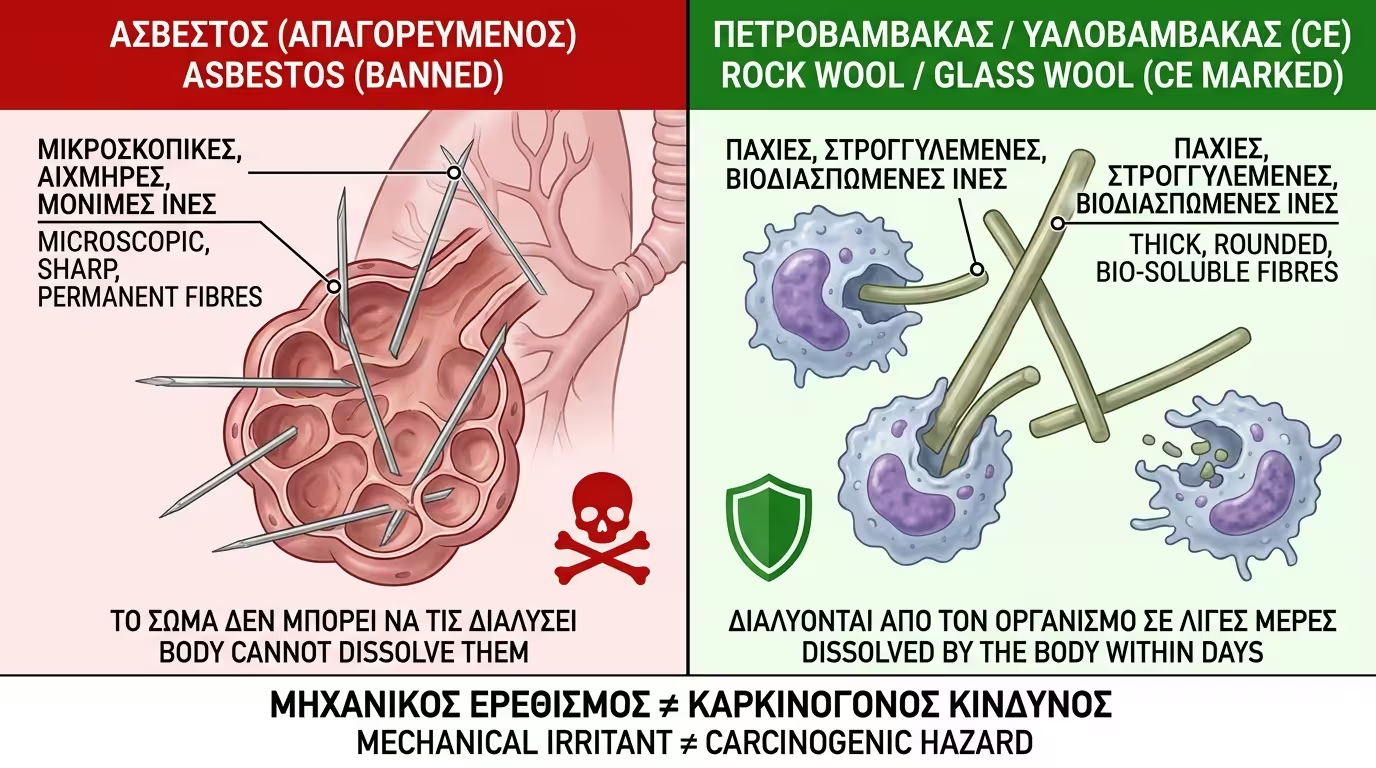
The comparison is common because both are fibrous mineral materials. However, science has thoroughly settled the matter. Asbestos was banned because its fibres are so microscopically thin and "sharp" that, if inhaled, they permanently embed in the lungs and the body cannot break them down.
Modern fibrous insulation materials (rock wool and glass wool) bearing the CE mark are manufactured from bio-soluble fibres. This means their fibres are thick enough not to reach deep into the lungs. Even if you accidentally inhale a small amount of dust, your body's immune system (macrophage cells) can dissolve and expel those fibres within a few days.
Conclusion: They are a mechanical irritant (causing scratching and itching) and not a chemical or carcinogenic hazard.
Whether you are a professional tradesperson or a weekend DIYer about to lay glass wool in the attic, you must never work in a short-sleeved shirt. Before opening the packaging, you should put on the following Personal Protective Equipment.
A simple surgical mask is not enough. You need a proper particulate respirator that seals tightly on your face, preventing you from inhaling the airborne fibre dust generated during cutting.
Sealed goggles (swimming- or ski-type) are essential, especially when installing insulation overhead in a ceiling and looking upward. A single fibre in the eye can cause severe irritation.
Keep as little skin exposed as possible. Many tradespeople wear cheap, disposable white Tyvek suits with a hood, taping the cuffs shut with masking tape for a full seal.
Avoid fabric gloves because fibres pass straight through the weave. Choose leather or nitrile-coated gloves instead.
Four critical steps that make the difference between a safe experience and an unpleasant one.
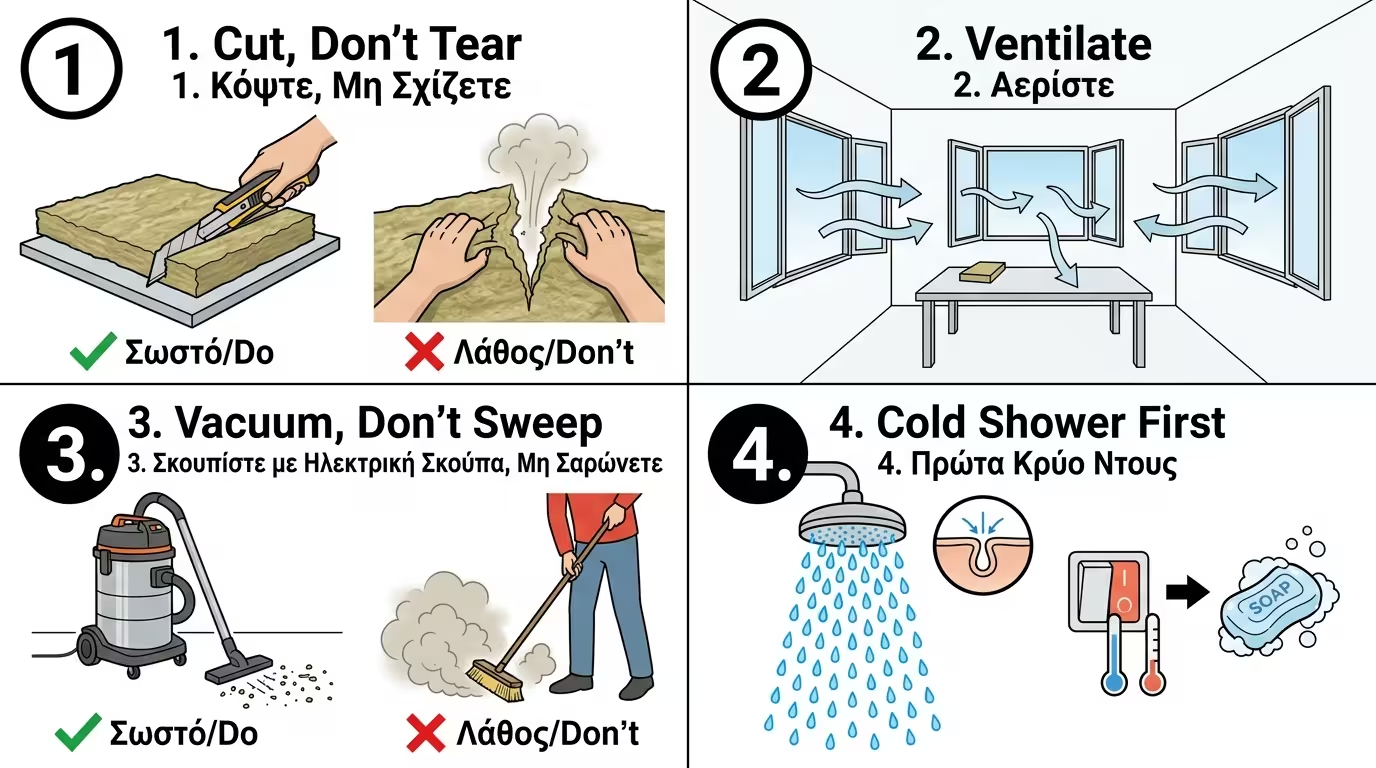
When you rip glass wool apart by hand, you release millions of fibres into the air. Always cut rolls and boards with a sharp utility knife or a dedicated insulation saw for a clean, controlled cut.
Open all windows in the workspace as wide as possible. If you are working in an enclosed loft, take regular breaks outside in the fresh air.
Once finished, do not reach for a broom to sweep the floor! You will kick all the dust back into the air. Use an industrial vacuum cleaner instead.
When finished, take a shower. Start with COLD water first. Cold water keeps skin pores closed, allowing fibres to wash off without embedding deeper. Once rinsed with cold, switch to warm water and soap up normally. Always wash work clothes separately from the family laundry!
Let us follow two friends who decided to insulate their respective attics on the same weekend. Same materials, entirely different approaches.
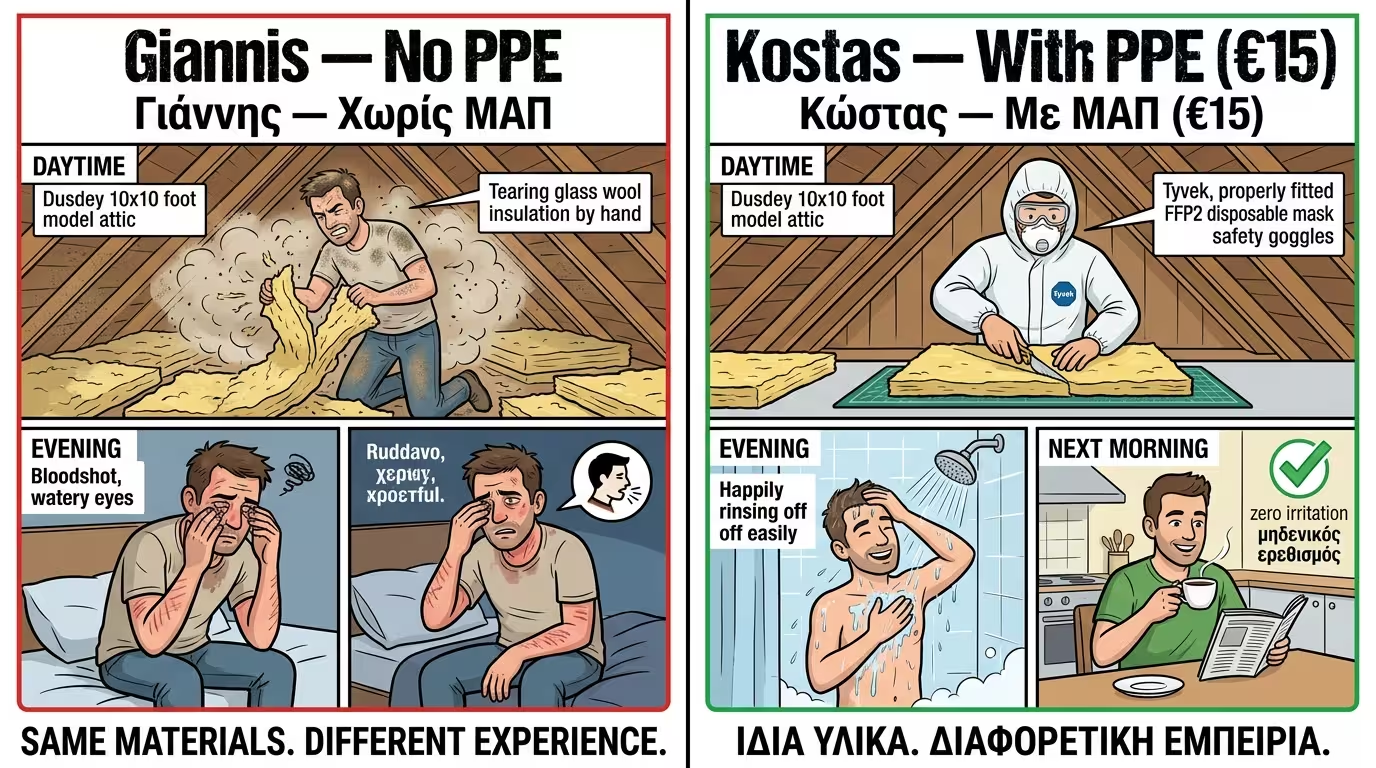
Climbs into the attic wearing a t-shirt and jeans. Tears the rolls apart by hand. That evening, his hands are bright red and he cannot sleep because of the itching. He coughs for the next two days because his throat is irritated by the fibre dust.
Buys an FFP2 mask, goggles, gloves and a disposable coverall (total cost €15). Cuts the material with a utility knife. Takes a cold shower that evening. Next morning he enjoys coffee in peace, his house is warm, and there is not the slightest scratch on his skin.
💡 Conclusion: Fibrous materials are perfectly safe inside your home (behind render or plasterboard you never touch them again). The only time they "bite" is during installation. Spend €15 on PPE and spare yourself a truly unpleasant experience.
Return to category.
Go to categoryReturn to the central guide.
Go to guide