🐛 Against Insects
Boron alters the protein structure of wool (keratin). When an insect (e.g. a moth) tries to eat it, it simply cannot digest it and dies.
When we discuss natural and biological insulation materials - such as wood, sheep's wool, hemp and cellulose (paper) - the first reaction of most homeowners is fear. It is perfectly logical: since they come from nature, won't nature itself (insects, rodents, fungi) want to… recycle them, eating through our walls?
The answer is that modern construction-grade biological insulation is nothing like the "raw" materials we find in the forest. They have undergone specialised treatment to become "invisible" or even hostile to invaders, while retaining 100% of their ecological character. Let us see the "secret weapons" of each material against unwanted visitors.
For materials such as sheep's wool and cellulose, the greatest theoretical enemies are moths, rodents and mould. To protect them, during manufacture they are impregnated with boric acid salts (an entirely natural mineral mined from the earth, also known as borax).
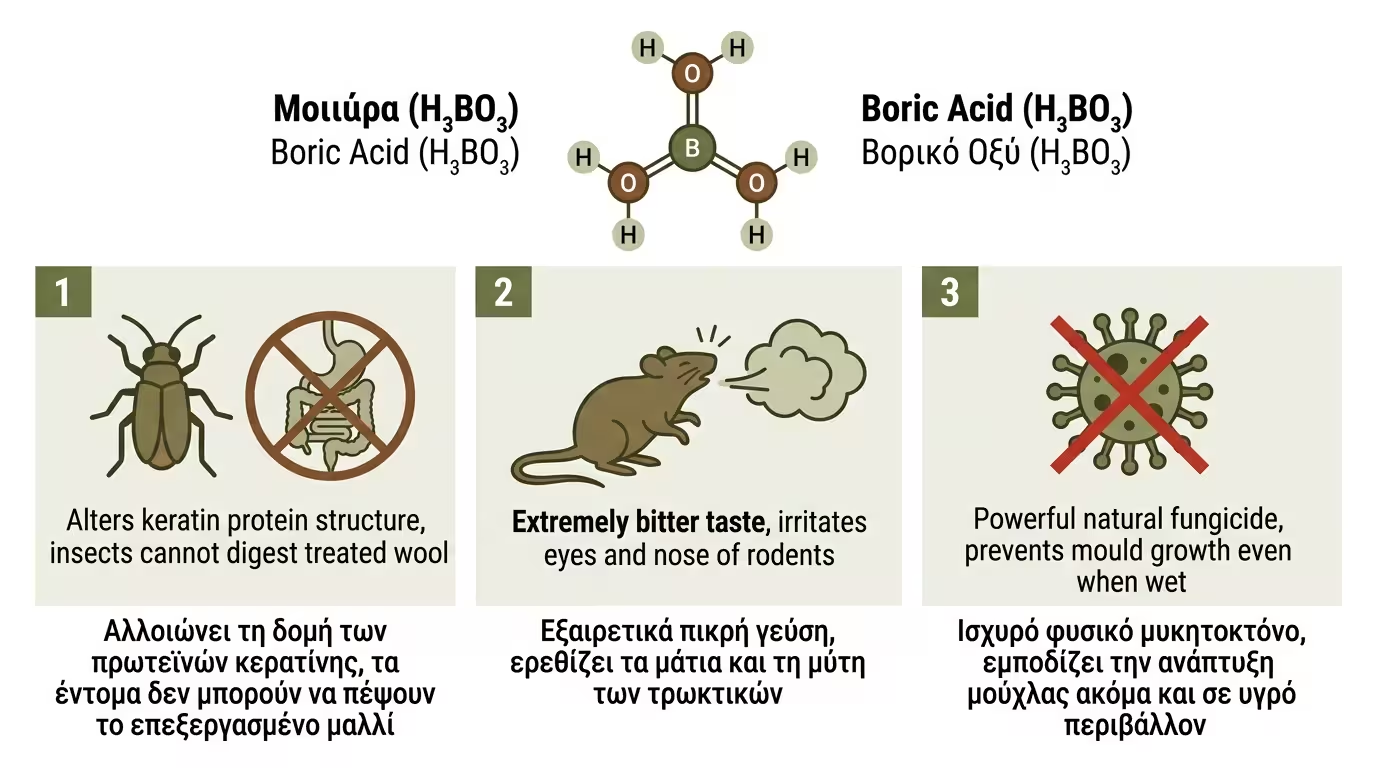
Boron alters the protein structure of wool (keratin). When an insect (e.g. a moth) tries to eat it, it simply cannot digest it and dies.
Boron has an extremely bitter and dry taste, while irritating the eyes and nose of rodents. A mouse will never choose to build its nest inside cellulose because the environment is thoroughly inhospitable.
Boric acid salts function as a powerful, natural fungicide. Even if cellulose gets wet, mould spores are unable to grow on its surface.
💡 Today, sheep's wool treated with the Thorlan IW method or ion plasma is also available, offering permanent moth protection without even using boron!
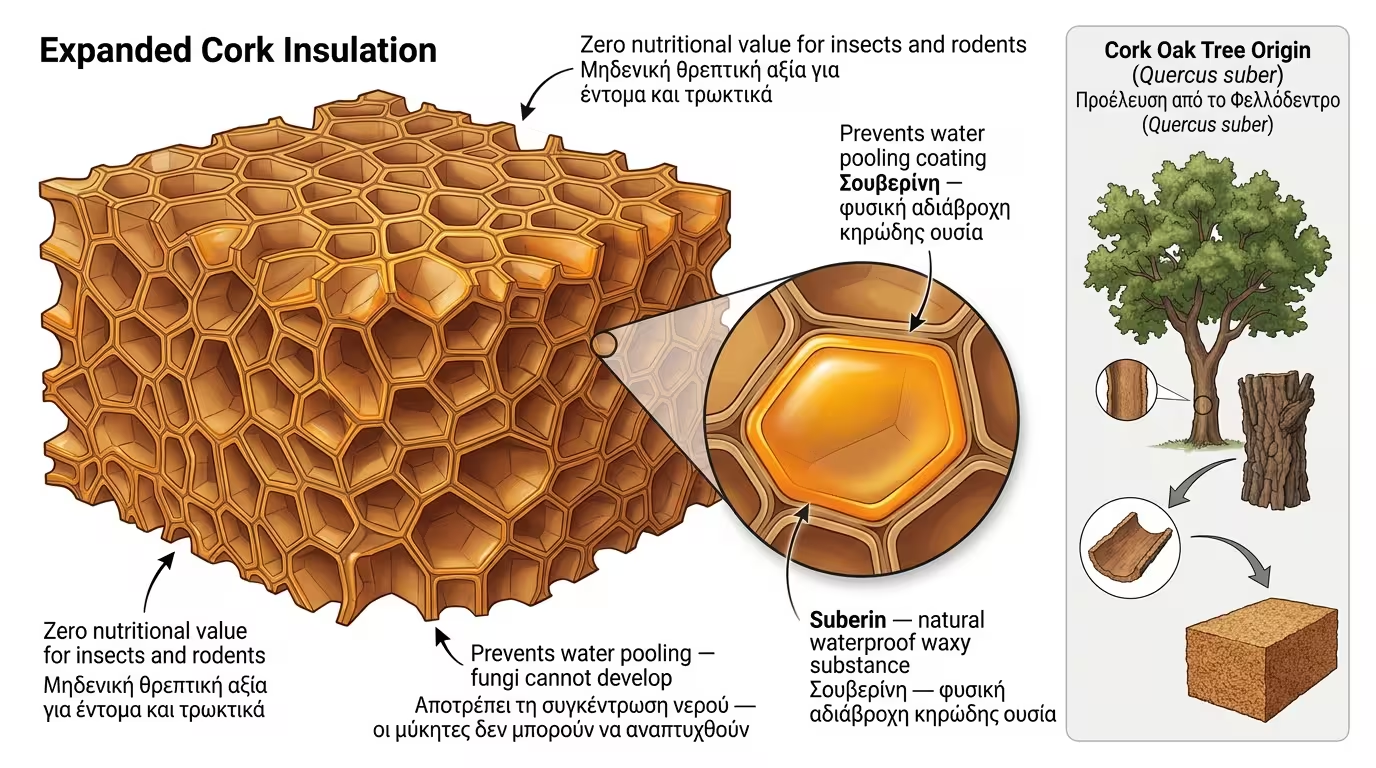
As we saw previously, expanded cork requires absolutely no additives whatsoever. Nature has already equipped it with suberin, a waterproof, waxy substance that coats its cells.
For insects (such as termites) and rodents, cork has absolutely zero nutritional value. Furthermore, because suberin prevents water from pooling inside the material, fungi (which need a damp environment to survive) never find fertile ground to develop.
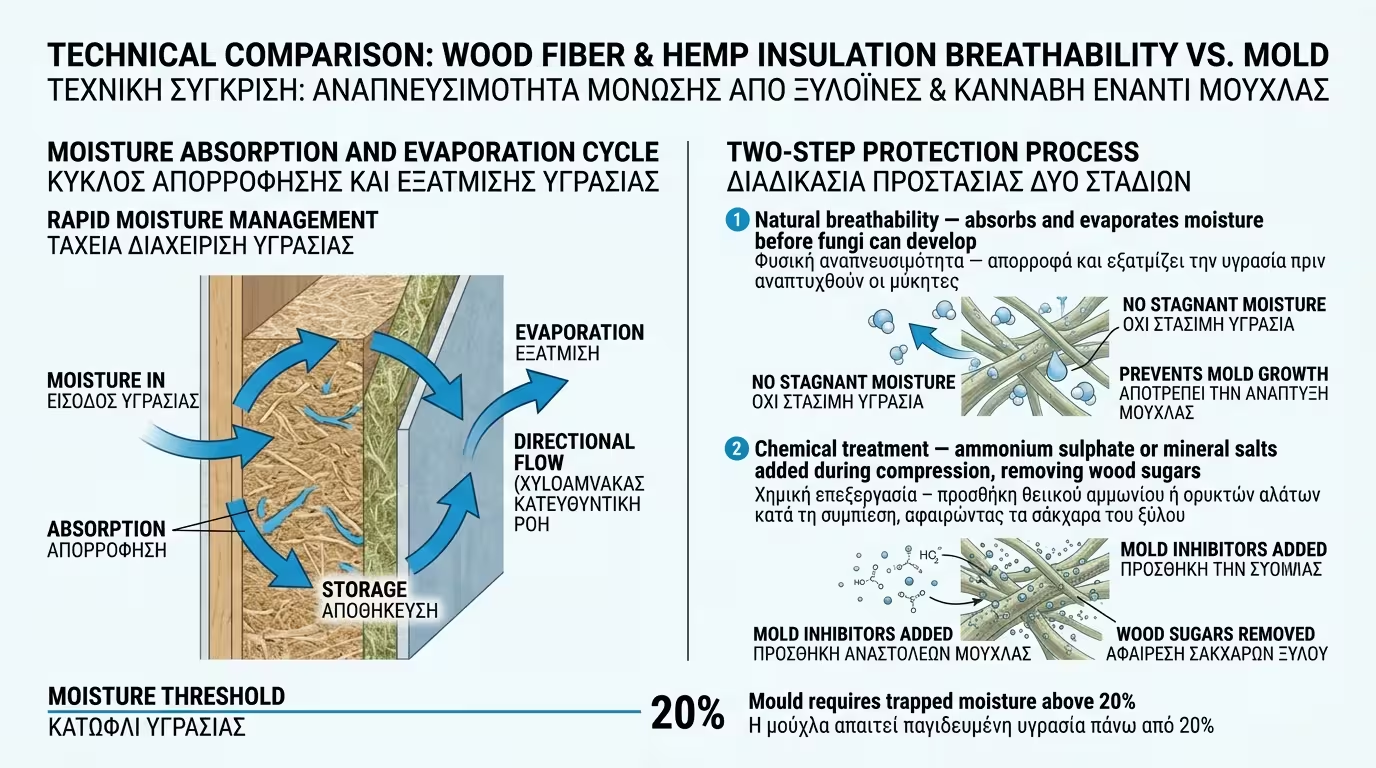
Wood fibre (xylovamvakas) and hemp rely primarily on their natural ability to manage moisture (breathability).
Mould and rot (decay) require trapped, standing moisture above 20% to begin. These materials, because they "breathe", absorb and evaporate moisture so quickly that the damp microclimate that fungi love never has a chance to form.
During compression into boards, the wood sugars (the insects' "treat") are removed and ammonium sulphate or mineral salts are frequently added, making them resistant and impervious to biological attack.
We have an invisible leak from a pipe inside an internal plasterboard wall. Water drips slowly for weeks.
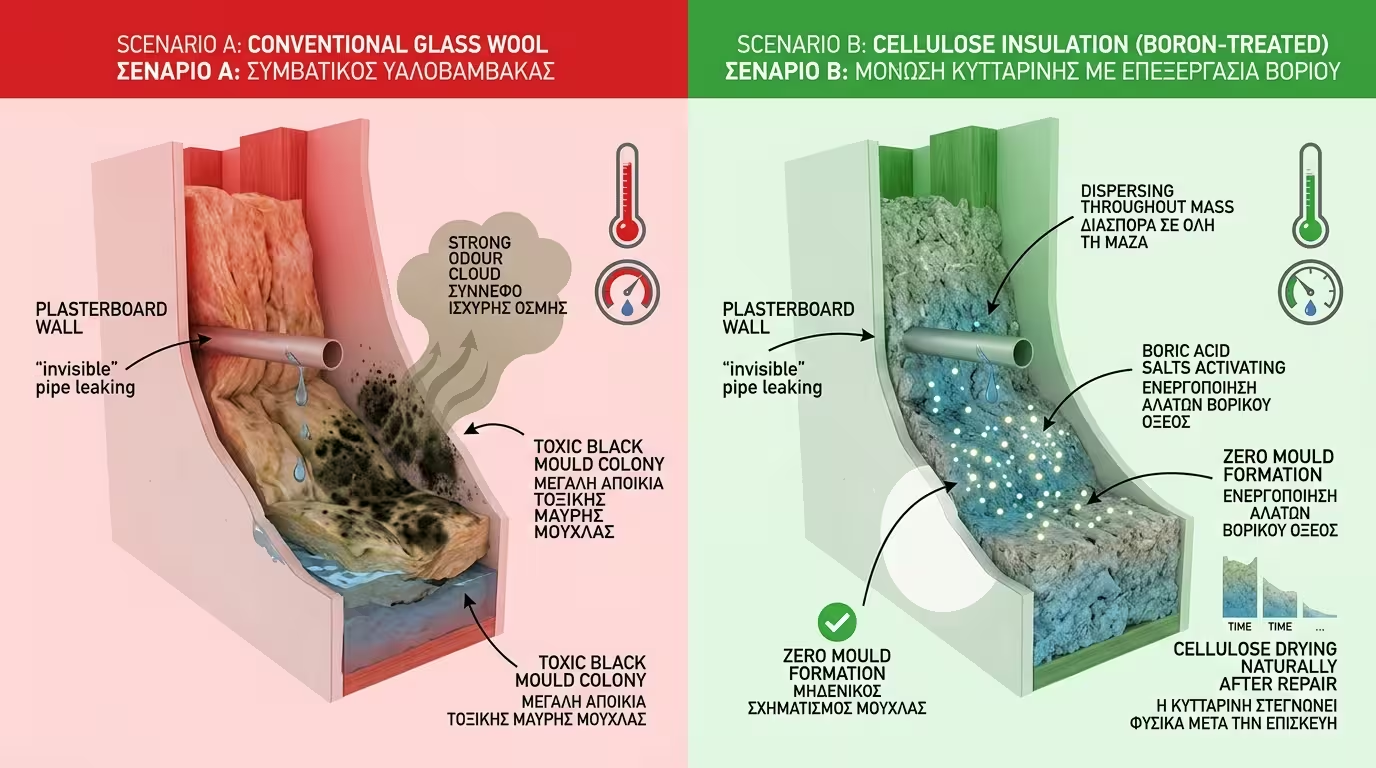
The water becomes trapped. The conventional glass wool slumps (loses its volume). Moisture cannot escape and within a few weeks a massive colony of toxic black mould forms, creating a strong odour that permeates the room.
The paper absorbs the water and disperses it throughout its mass, allowing it to dry gradually. The boric acid salts activate. Despite the wall being wet, not a single trace of mould develops. Once the leak is repaired, the cellulose simply dries out and continues insulating as if nothing had happened!
💡 Final Conclusion: Choosing biological materials does not mean compromising on durability. On the contrary, the combination of nature's clever structure with gentle mineral treatment (boron) makes these materials often far more resistant to time, moisture and pests than many cheap, conventional insulation products.
Return to category.
Go to categoryReturn to the central guide.
Go to guide