
Insulation Crash Test: EPS (Polystyrene/Styrofoam) vs Rock Wool - Fire on the Insulation

In the insulation market (especially for ETICS façades and roofs), two materials dominate: Polystyrene (expanded EPS or extruded XPS) and Rock Wool. Polystyrene is the contractor's favourite: lightweight, cheap, easy to cut and water-resistant. Rock wool is heavy, more expensive, requires a dust mask when cutting and "thirsts" for moisture if left unprotected.

If judged solely on ease of use, polystyrene wins by a knockout. But what happens when the thermometer hits 800 °C? Let's pit both materials against an industrial blowtorch.

The contenders: In one corner, Expanded Polystyrene (EPS - styrofoam, class E). In the other, Rock Wool (Stone Wool, class A1).

Round 1: Ignition (The Flame Begins)

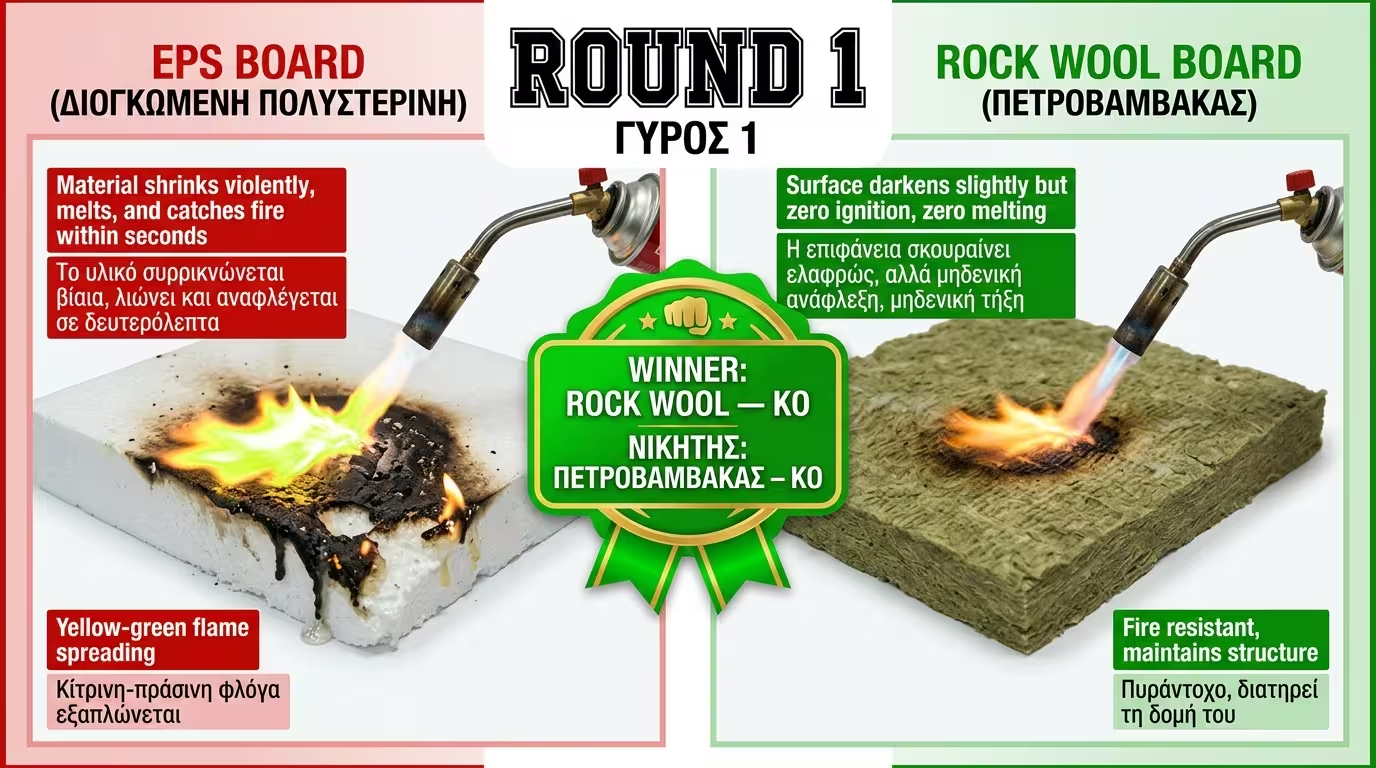
We light the blowtorch and aim it at both bare boards.

Polystyrene (EPS/XPS): The moment the flame approaches, the material goes into shock. Before it even catches fire, it begins to "shrink," contracting violently and melting, trying to escape the heat. If the flame persists for a few seconds, the polystyrene ignites. The flame then "runs" on its own across the material's surface, consuming its volume.

Rock Wool: The flame strikes the surface furiously. The material… doesn't care. It doesn't shrink, doesn't melt, doesn't catch fire. Because it's made from molten volcanic rock, the blowtorch flame feels like… a spring breeze.

Round 1 Winner: Rock Wool (knock out).

Round 1: EPS melts and ignites within seconds - rock wool shows no reaction at all

Round 2: Smoke (The Invisible Killer)

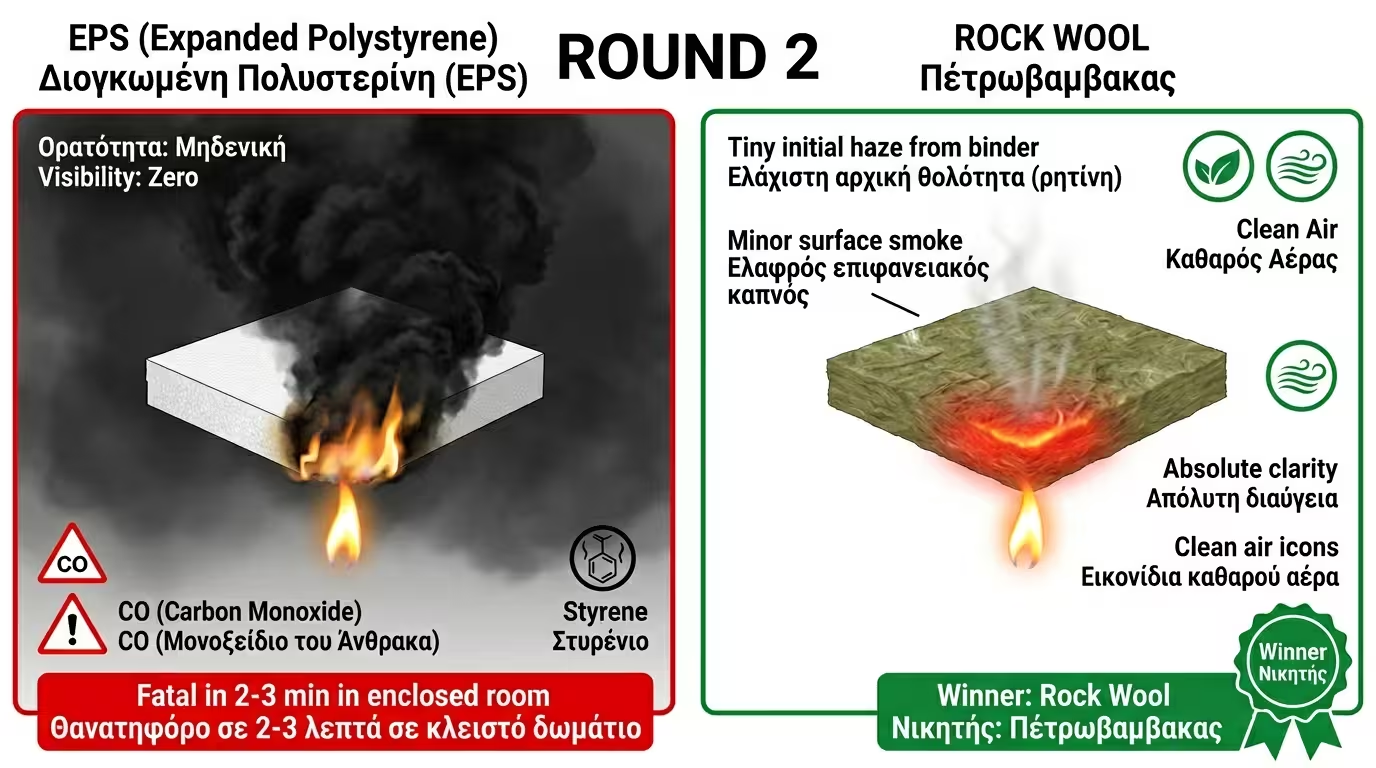
The fire continues to burn.

Polystyrene (EPS/XPS): As the plastic burns, the space instantly fills with thick, tarry, pitch-black smoke. This smoke is packed with toxic gases (carbon monoxide, styrene). In an enclosed room, within 2-3 minutes you've lost consciousness from asphyxiation and can't even see your hand in front of your face.

Rock Wool: We observe a faint, almost invisible haze for the first few seconds (some binding resins on its surface burn off). After that, absolute clarity. No black smoke, no toxic fumes whatsoever.

Round 2 Winner: Rock Wool (indisputable).

Round 2: black toxic EPS smoke vs zero smoke from rock wool

Round 3: Burning Droplets (The Sneaky Arsonist)

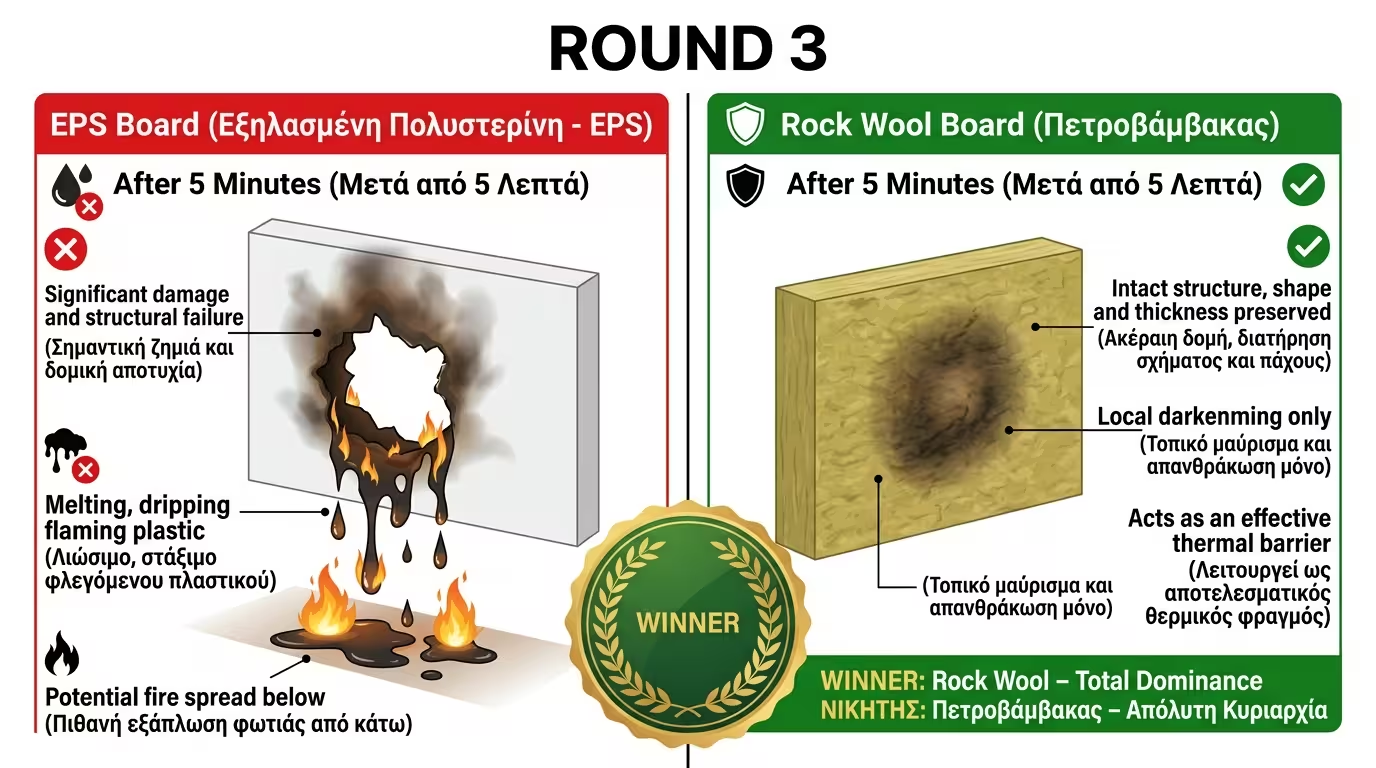
We leave the blowtorch on the materials for 5 minutes.

Polystyrene (EPS/XPS): The board has vanished. In its place there's a hole. The worst part? The material has melted into a hot, liquid mass that drips burning droplets onto the floor. If this happened in a ceiling, the burning plastic droplets would land on furniture, spreading the fire everywhere.

Rock Wool: The board is exactly where we left it. It has darkened locally but fully retains its shape and thickness. It now functions as the ultimate "shield," protecting everything behind it from the heat.

Round 3 Winner: Rock Wool (total dominance).

Round 3: burning EPS droplets drip down - rock wool stays dry, zero droplets

The Experiment in Our Model (The Wall of the 4×4)

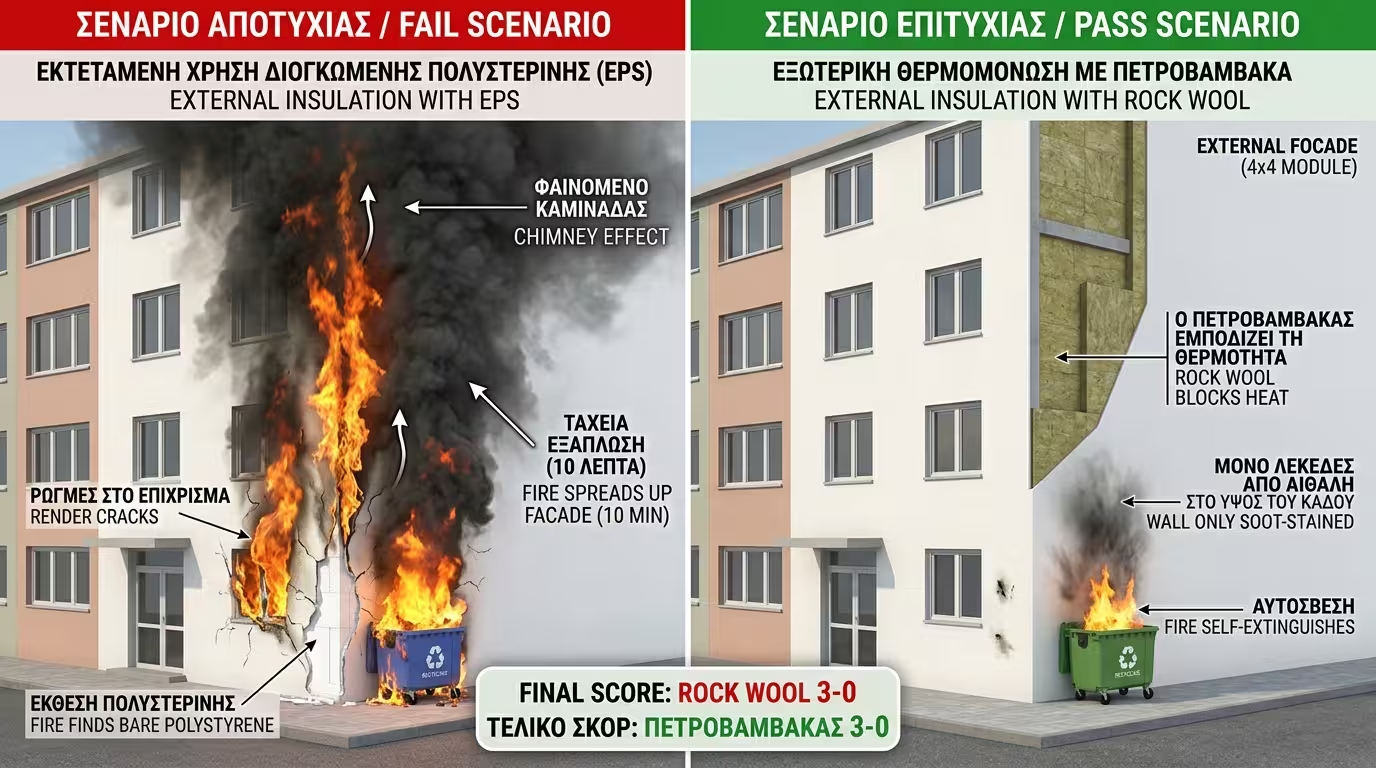
Real scenario: EPS ETICS façade engulfed in flames vs rock wool blocks fire entirely

We've applied ETICS (external wall insulation) to our house (the 4×4). Someone tosses a lit match into the recycling bin leaning against the external wall. The bin flares up.

❌ Scenario A (ETICS Façade with EPS)

The flame from the bin licks the external render of the house. Heat penetrates the thin render. The EPS behind it starts melting. The render loses its support, cracks, and the fire finds the bare polystyrene. Within 10 minutes, the fire climbs the entire building façade (Chimney Effect), burning the insulation all the way to the roof. Black smoke engulfs the whole house.

✅ Scenario B (ETICS Façade with Rock Wool)

The bin burns just as violently. Heat passes through the render and hits the rock wool. The rock wool blocks it. The fire stays strictly confined to the bin's height. It can't feed the flames, doesn't melt, doesn't let the render fall. The fire burns the rubbish and extinguishes itself. Our wall is simply blackened with soot. The house is saved.

Final Takeaway: EPS (polystyrene) isn't a "banned" material, but it is one that demands absolute respect. It must be enclosed behind thick, non-combustible renders or concrete so it never comes into contact with flame or high temperature. Rock wool, on the other hand, is the non-negotiable bodyguard: even if everything goes wrong, it will step in front and save your life.

Related Articles

Fire Protection: Passive Safety & Building Protection

Return to category.

Go to category

Preview