💧 Evaporative Cooling
It is exactly the same reason you feel cool when you sweat in summer: the sweat evaporates and lowers your skin temperature.
A thermal camera does not have X-rays. It cannot literally "see" through the wall. So how does it manage to locate a hidden water leak from a pipe that has burst deep inside the concrete?
The secret lies in a fundamental law of thermodynamics: Evaporation.
When moisture is trapped inside a structural material (such as brick, plaster or plasterboard), the water naturally tries to evaporate. The evaporation process, however, requires energy. As the water evaporates, it "sucks" heat from the surrounding material.
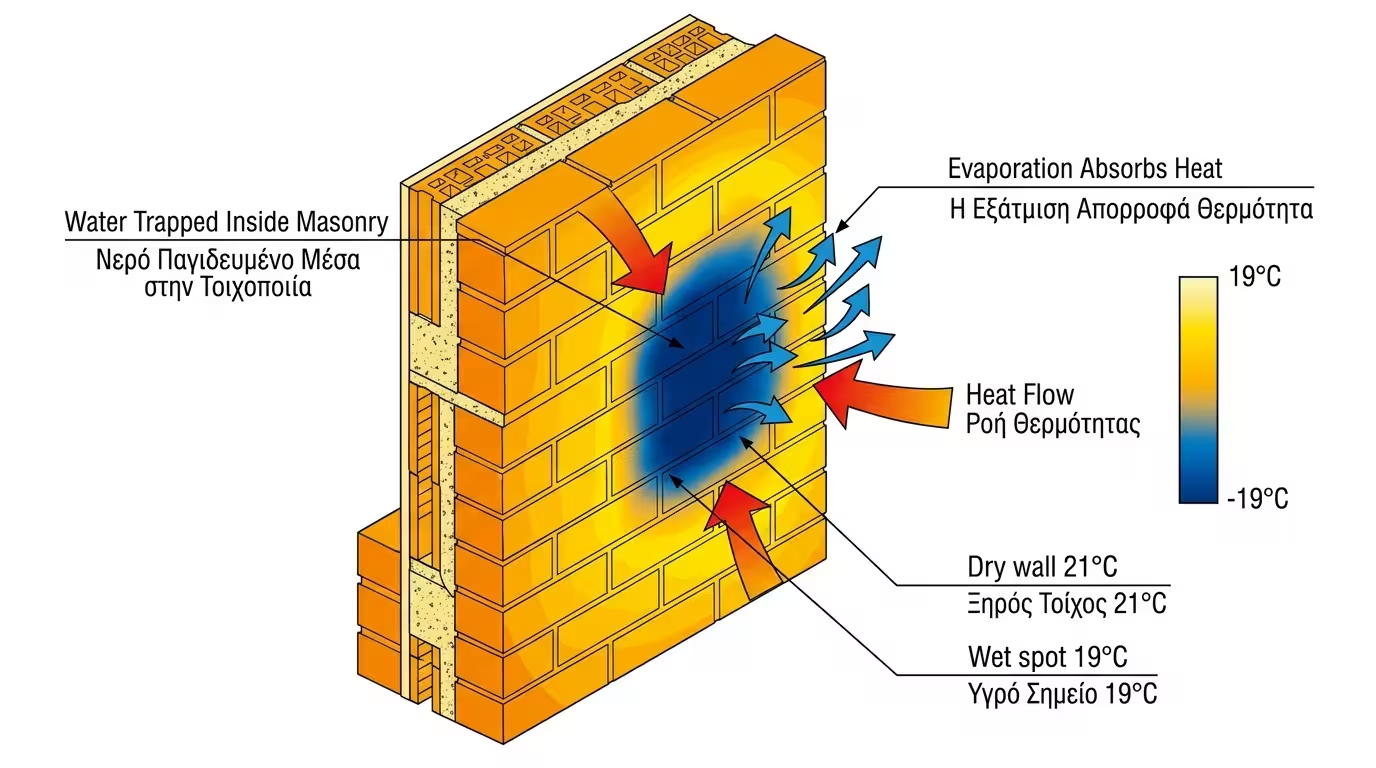
It is exactly the same reason you feel cool when you sweat in summer: the sweat evaporates and lowers your skin temperature.
On your wall, this wet spot becomes slightly colder (by 1 or 2 degrees) compared to the perfectly dry wall next to it. The thermal camera picks up this tiny temperature difference and paints the wet spot in a vivid dark blue on its screen, while the rest of the wall appears yellow or orange!
The biggest problem with water is that… it travels. Gravity and capillary action (wicking) make water move.
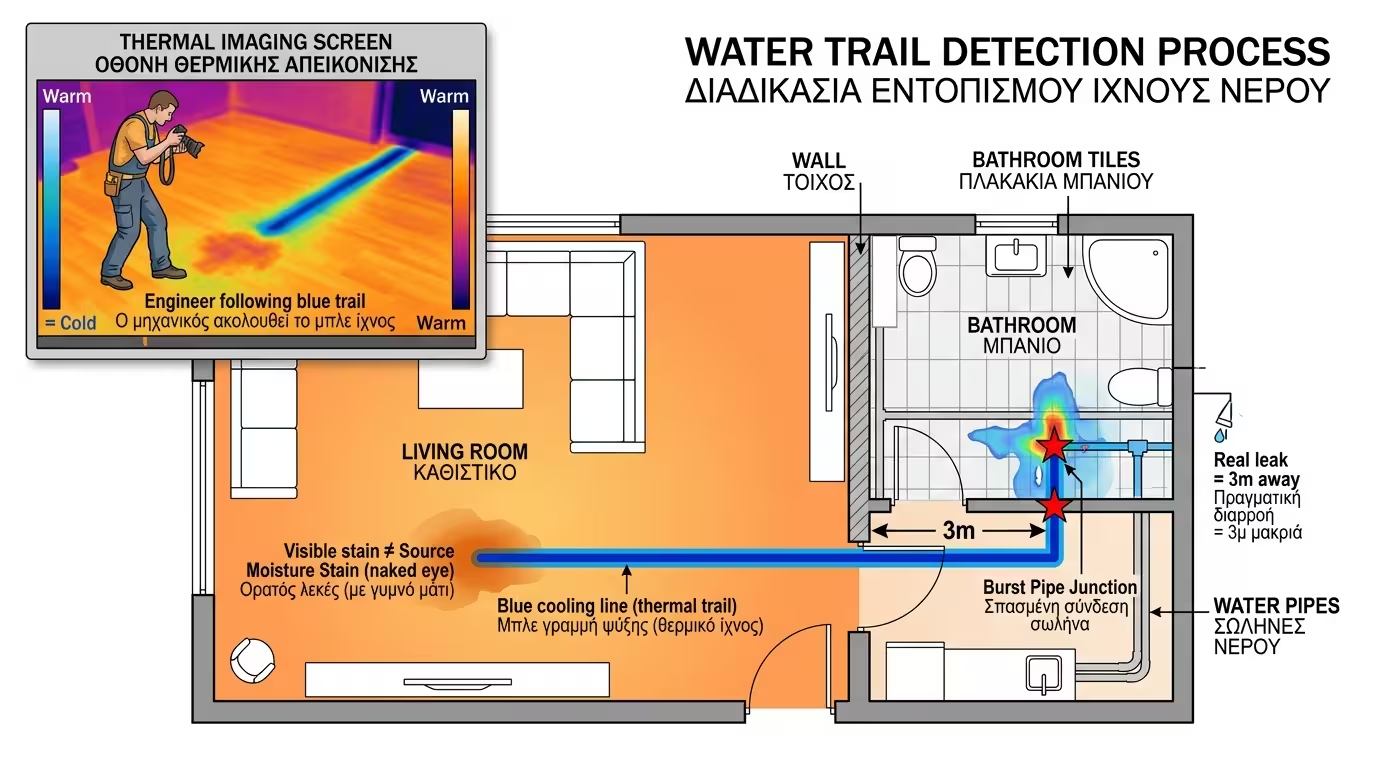
You may see a damp stain low on the skirting board of your living room. A conventional tradesman would start breaking the tiles right where the stain is. But the actual leak could be a burst pipe in the bathroom three metres away! The water simply flowed under the tiles and appeared in the living room.
With the thermal camera, the engineer sees the entire invisible "river". He follows the blue cooling line on his screen until he finds the exact point where the leak source begins.
Fungi (black mould) need two things to grow: moisture and a suitable temperature.
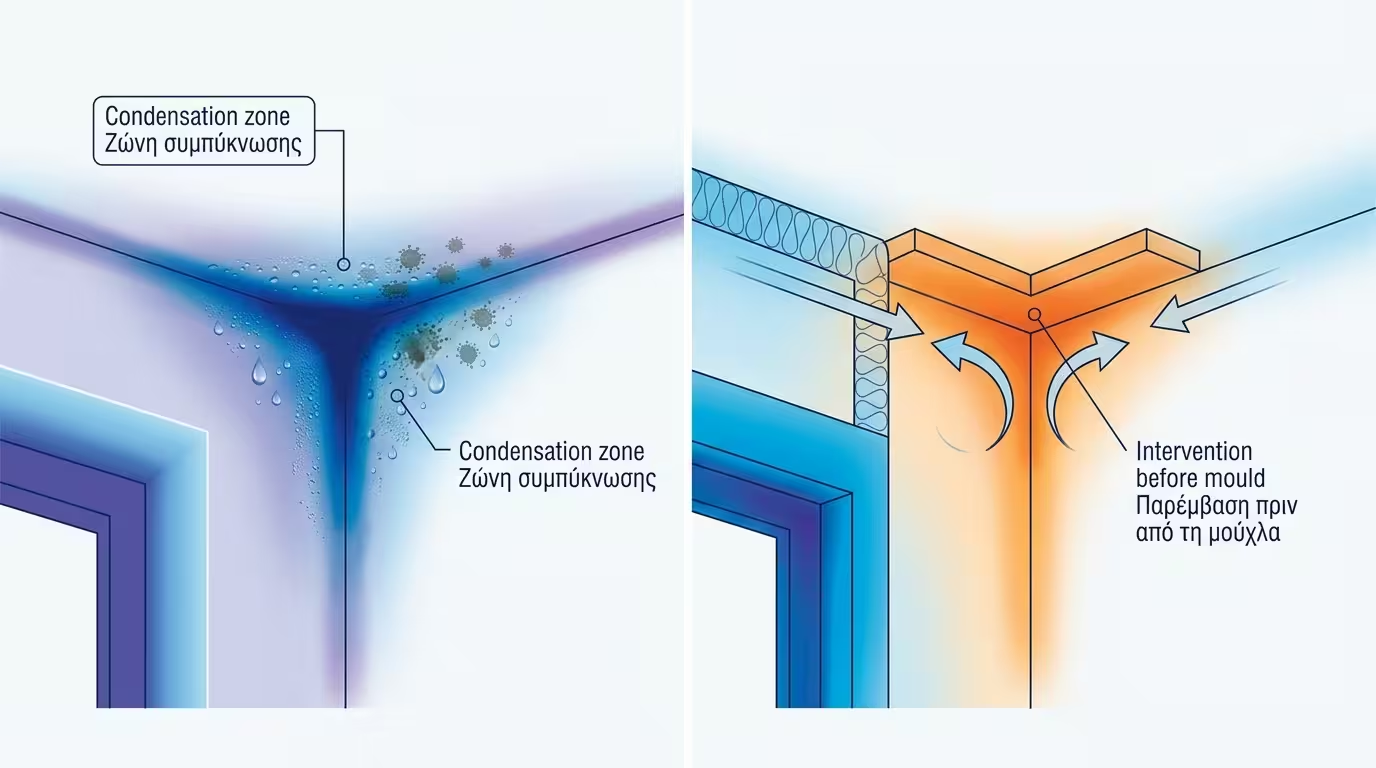
The thermal camera can identify the corners of your home (usually high on ceilings or behind heavy wardrobes) where temperature drops dramatically (thermal bridges) and condensation forms (like a cold bottle of water sweating in summer).
By identifying these frozen, damp spots before mould takes hold, you can intervene (e.g. improving ventilation, cleaning the wall, or adding localised insulation) and save your family from serious respiratory problems.
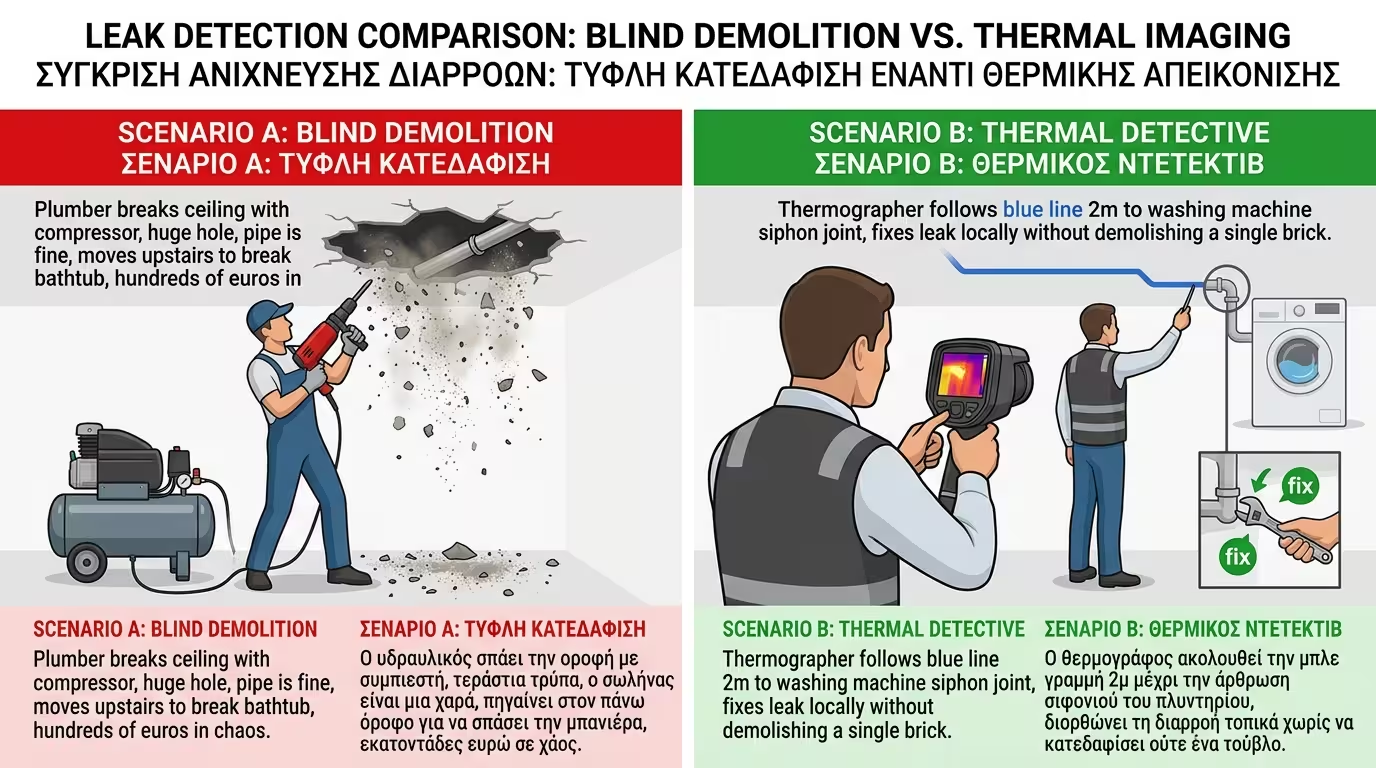
We are in the living room. We see the paint on the ceiling has formed a small "bubble", but no water is dripping. The upstairs neighbour's bathroom is directly above us.
We call the plumber. He says "probably the drain pipe has burst". He starts breaking our ceiling with a compressor. He makes a huge hole. The pipe there is fine. Then he goes to the upstairs neighbour and breaks his bathtub. The damage costs hundreds of euros in repairs and chaos, just to find the spot.
We bring the thermographer. He raises the camera. On the screen he sees the stain on the ceiling, but also an invisible blue line leading 2 metres further, directly under the neighbour's washing machine joint! We go upstairs. The washing machine siphon was leaking drop by drop under the tile. We fix the fault locally, without demolishing a single brick!
The Final Conclusion: Thermography is the ultimate money-saving tool when hunting for leaks. It transforms a blind and destructive guess ("break and see what's going on") into a surgical, precise and bloodless diagnosis.
Return to category.
Go to categoryReturn to the central guide.
Go to guide