
1️⃣ Panel Overheating
The external panel becomes extremely hot from the sun.
When we think of thermal insulation, our mind automatically goes to keeping the cold out in winter. Yet, in Greece's Mediterranean climate, protection from the scorching summer sun (also known as summer thermal protection) is equally, if not more, important.
In a typical building, the sun "roasts" the walls all day long. Even if you have conventional ETICS, the exterior render surface absorbs this enormous solar radiation and its temperature skyrockets. This is exactly where the Ventilated Façade changes the rules of the game, thanks to an air gap just 3 to 5 centimetres thick.
Let us look step by step at how this simple gap "deceives" the sun and slashes your electricity bill.
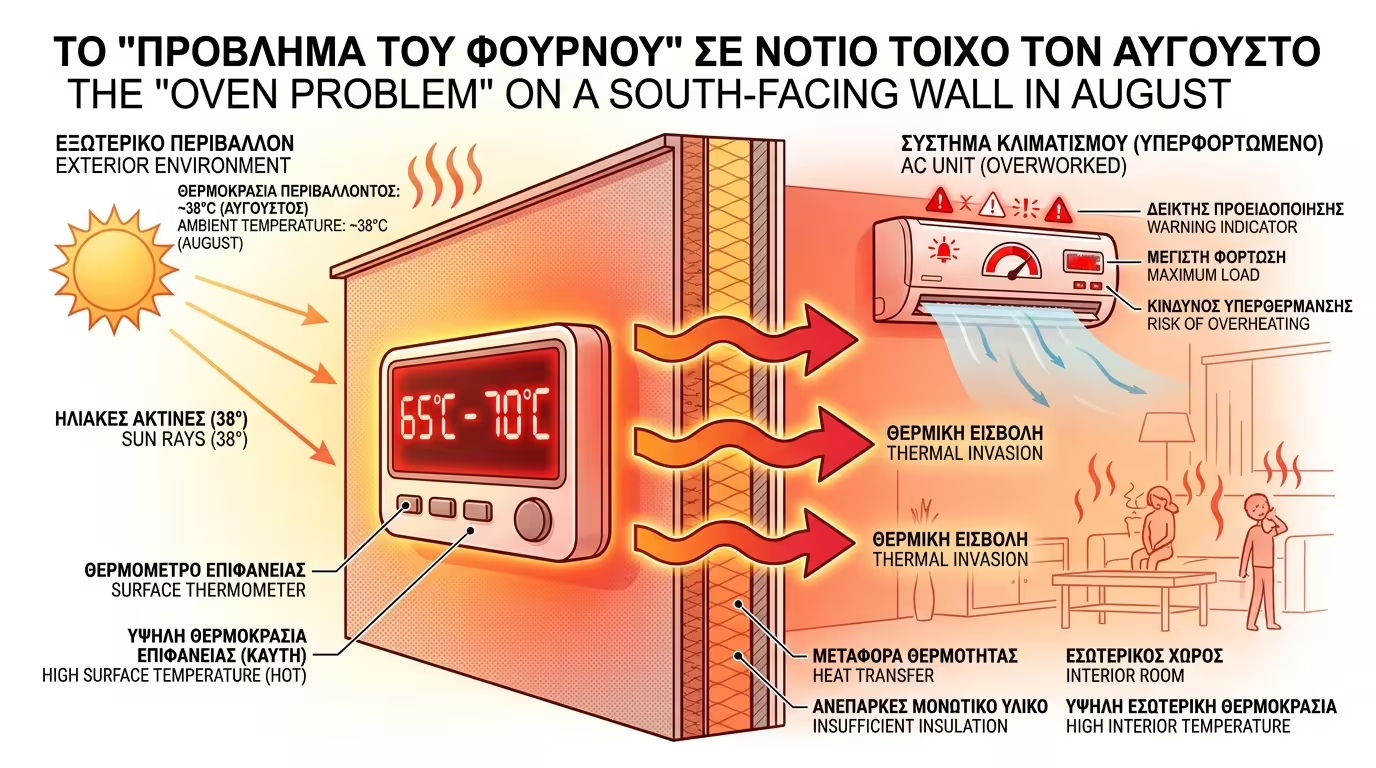
Imagine a south- or west-facing external wall at noon in August. The air temperature may be 38°C, but the wall surface (especially if it is painted in a dark colour) absorbs the solar radiation and can exceed 65°C to 70°C.
This enormous heat accumulates in the material (render or brick) and gradually begins to push through the insulation into the room. Your air conditioner (the cooling load of the building) must run constantly to counteract this invisible "attack" of heat coming from the walls.
The ventilated façade works like a shield. The external cladding (e.g. aluminium panels or ceramic tiles) takes all the battering from the sun. The secret, however, lies right behind it, in the air gap between the hot panel and the rock wool protecting the wall. Physics takes action through the "Stack Effect":
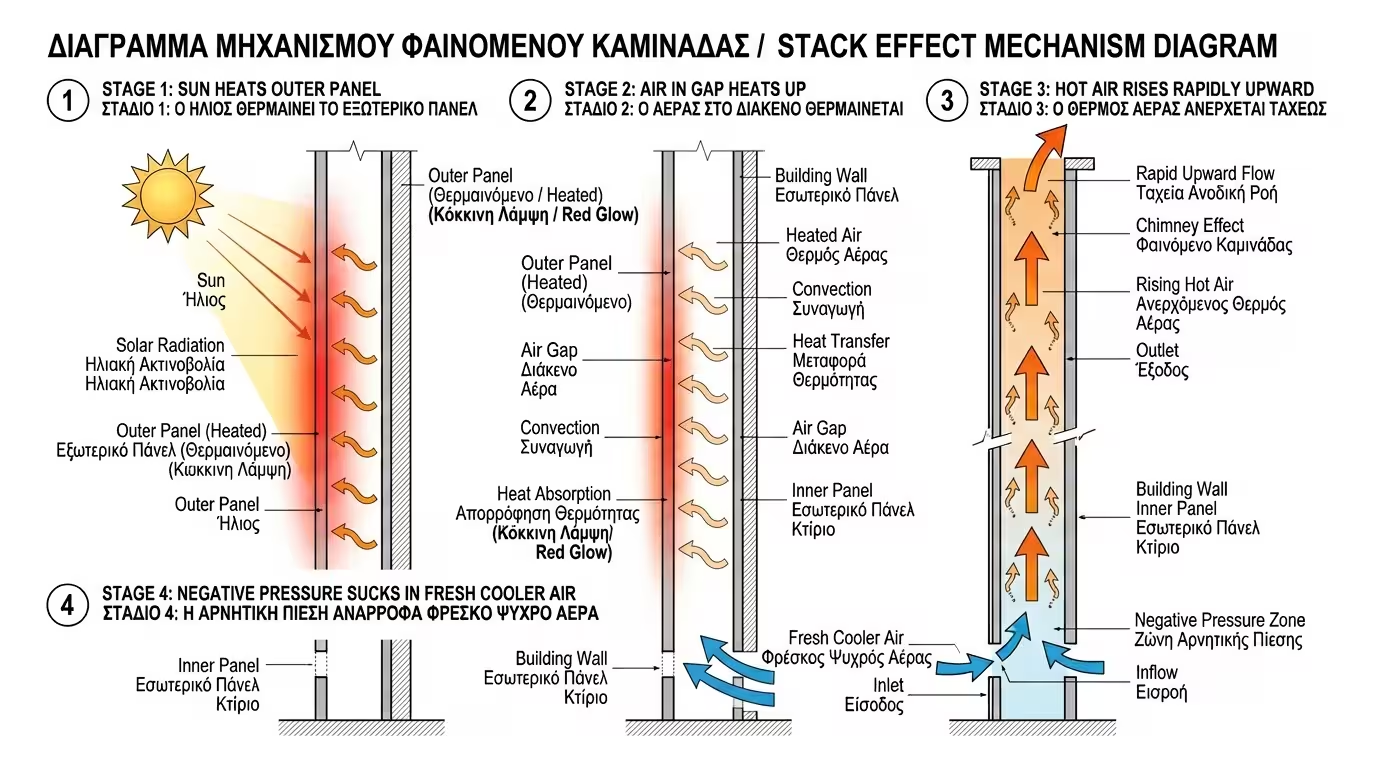
The external panel becomes extremely hot from the sun.
The heat from the panel warms the air trapped in the gap behind it.
The hot air expands, becomes lighter and starts rising rapidly upwards.
As the hot air exits through the ventilation openings at the top, it creates negative pressure (suction) at the bottom. Fresh, cooler ambient air enters from below.
💡 Note: This cycle continues non-stop as long as the sun is shining!
This continuous, powerful air current acts like an invisible conveyor belt. It carries away (removes) the accumulated heat from the external panel and throws it back into the environment, before it reaches the building's insulation.
Instead of your insulation fighting a panel burning at 70°C, it only has to face the air in the gap, which, due to constant flow, never exceeds the ambient temperature (e.g. 38°C). This enormous temperature difference is what practically eliminates heat transfer to the interior.
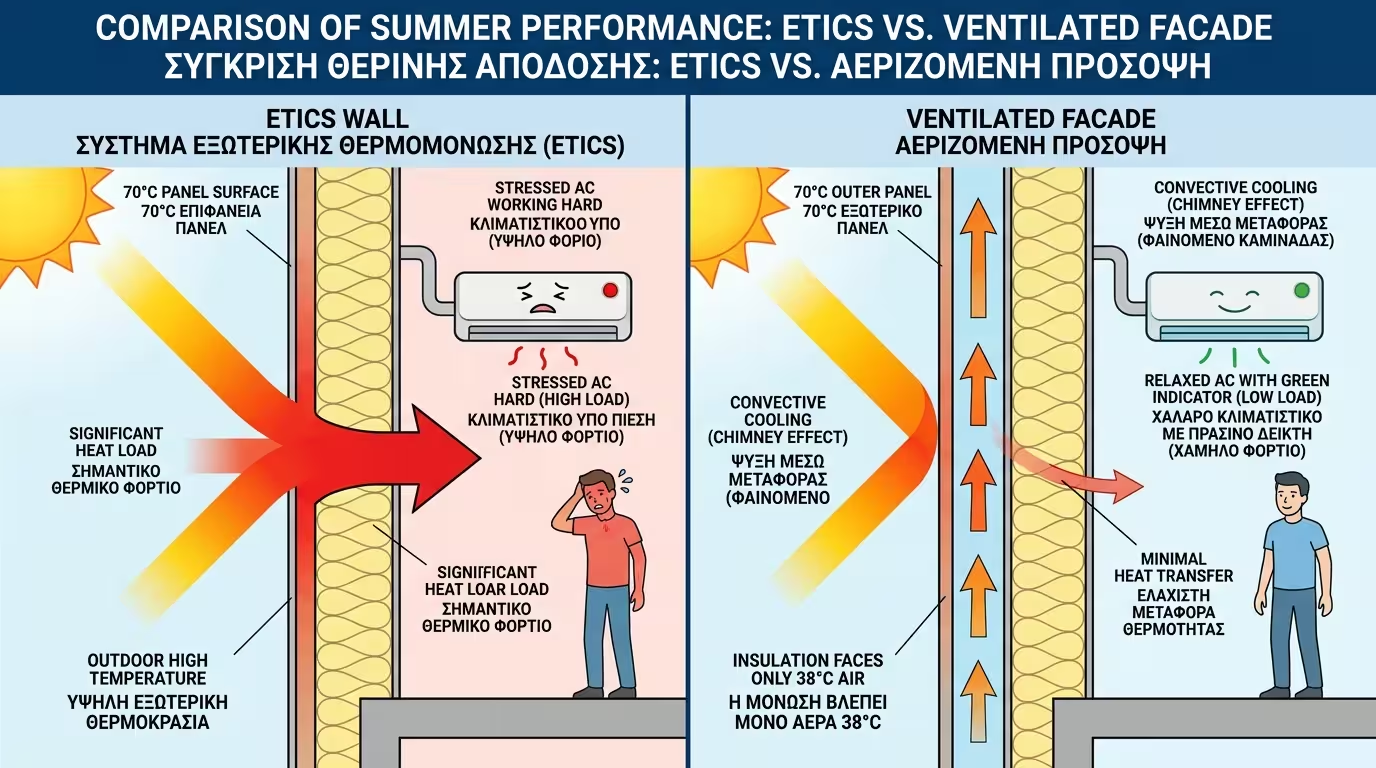
Mid-July in our digital laboratory. Outdoor temperature 38°C.
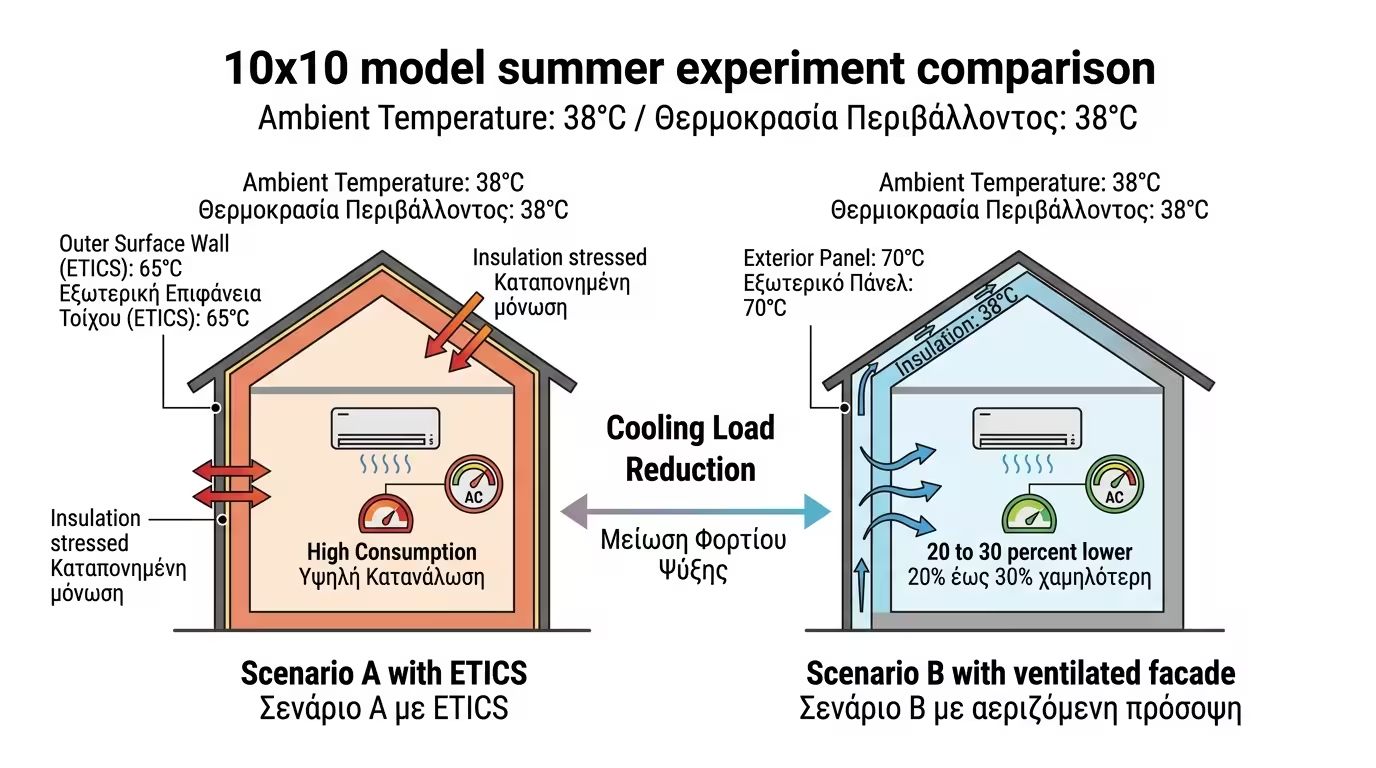
The wall surface "roasts" at 65°C. The insulation material faces enormous thermal pressure. The heat eventually penetrates the wall. The air conditioner burns several kilowatt-hours to keep the living room at 26°C.
The external panel hits 70°C. However, the air current in the gap expels the heat instantly. The outer surface of the rock wool never exceeds 38°C (air temperature). The thermal stress on the insulation is reduced by 50%!
The interior wall surface feels cool to the touch. The cooling loads of the space decrease by 20% to 30% compared to conventional insulation. The air conditioner barely runs.
💡 Conclusion: The air gap is not just an empty space. It is a powerful, free natural cooling mechanism. This is the main reason ventilated façades dominate in modern, glazed office buildings that suffer from summer overheating.
Return to category.
Go to categoryReturn to the central guide.
Go to guide