🪄 Magical Performance in Minimal Thickness
Just 2 to 3 cm of Aerogel render provides the exact same insulation as 8 to 10 cm of conventional EPS! This ratio means the wall barely "thickens" - ideal for historic buildings.
In listed buildings the law (and aesthetics) are absolute: the exterior appearance must not be altered. This effectively rules out conventional ETICS with thick EPS or rock wool slabs. If the interior space is small or features equally important frescoes, internal insulation is also off the table.
Enter a material originally developed to insulate astronaut suits and Mars rovers: Aerogel.
Aerogel is the lightest solid material on the planet. It consists of 90-98% trapped air within a nanoscopic silica lattice. Because air can't circulate inside these microscopic pores, heat transfer is virtually zero.
It is the undisputed champion of thermal insulation on Earth.
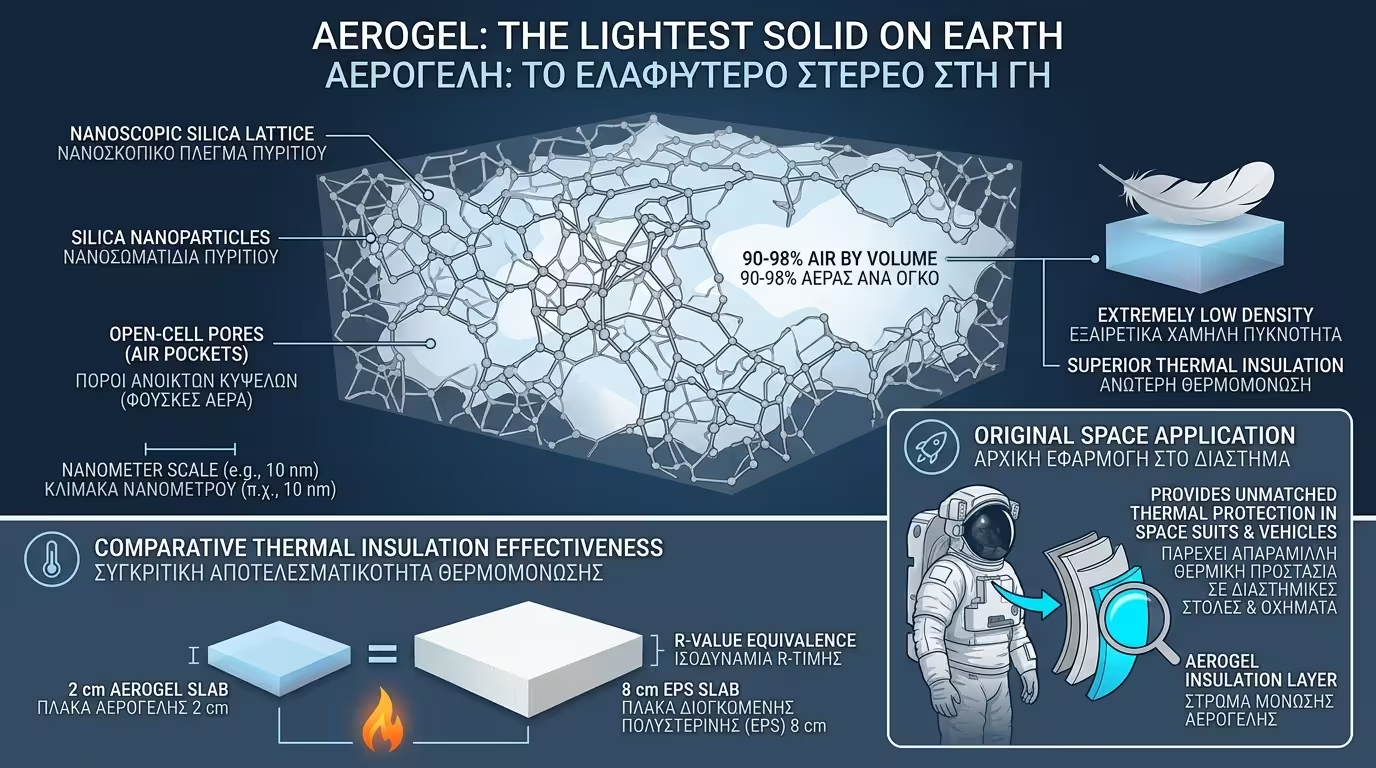
Building-material scientists took this space-age material, ground it into tiny granules and blended it with natural lime. The result is a thick insulating render.
Instead of bonding bulky boards, the craftsman takes a trowel (or spray-plastering machine) and spreads the mixture directly onto the old stone or brick wall of the listed building.
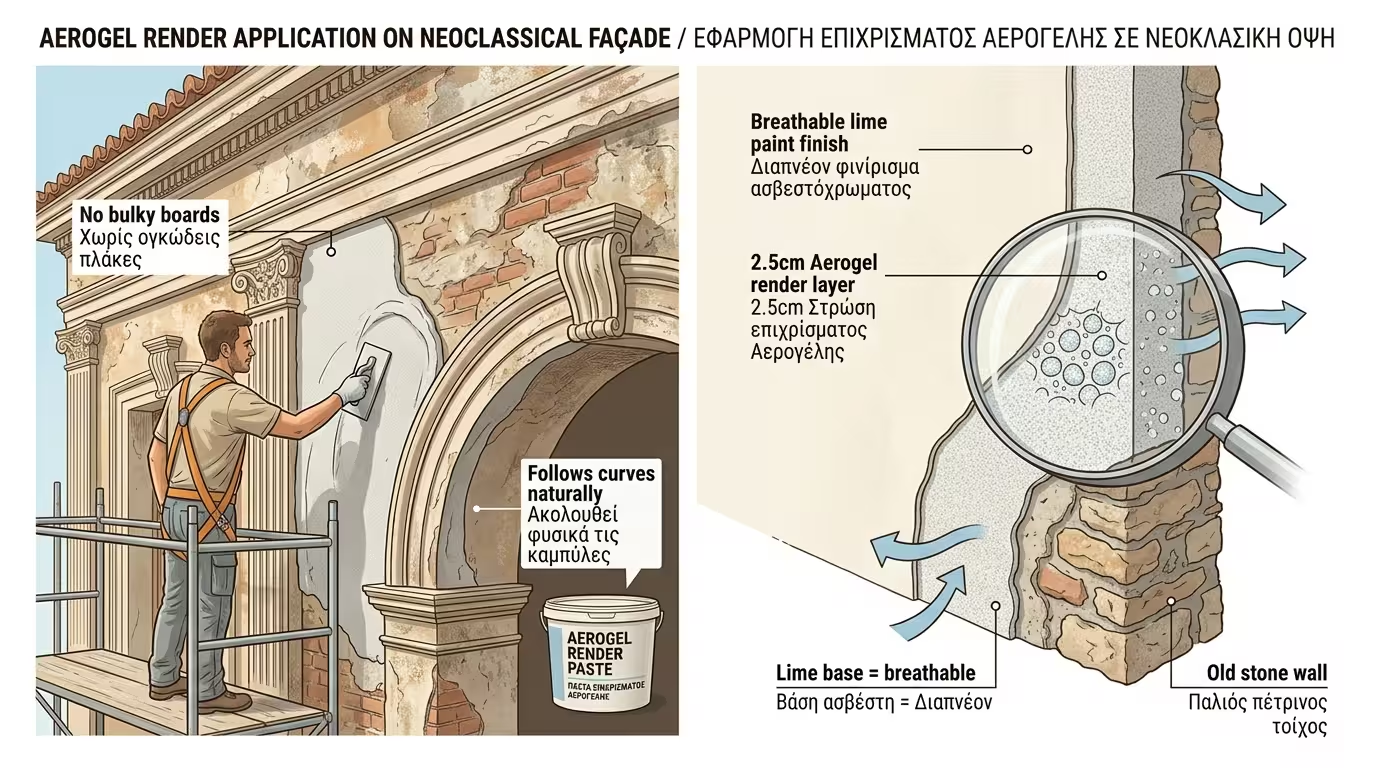
Aerogel render simultaneously answers every unanswerable question about energy-upgrading historic buildings:
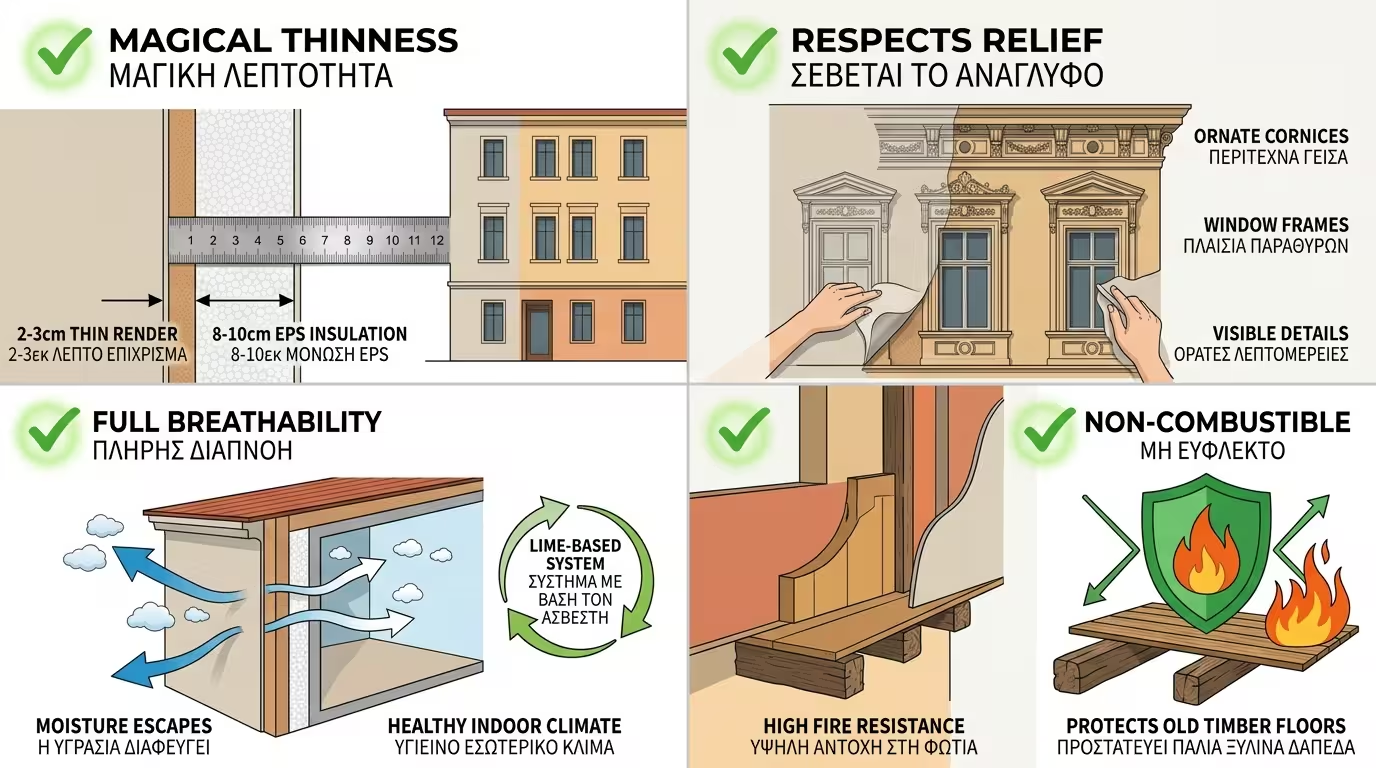
Just 2 to 3 cm of Aerogel render provides the exact same insulation as 8 to 10 cm of conventional EPS! This ratio means the wall barely "thickens" - ideal for historic buildings.
Because it's a paste (render) applied in a very thin layer, it perfectly follows the building's curves. Plasterwork, cornices and ornate window frames remain absolutely visible and accentuated.
It's lime-based. This means the old historic wall continues to "breathe" normally. Moisture isn't trapped, preventing mould and structural deterioration.
Unlike plastic insulants, Aerogel render doesn't burn - protecting old buildings that often have timber floors.
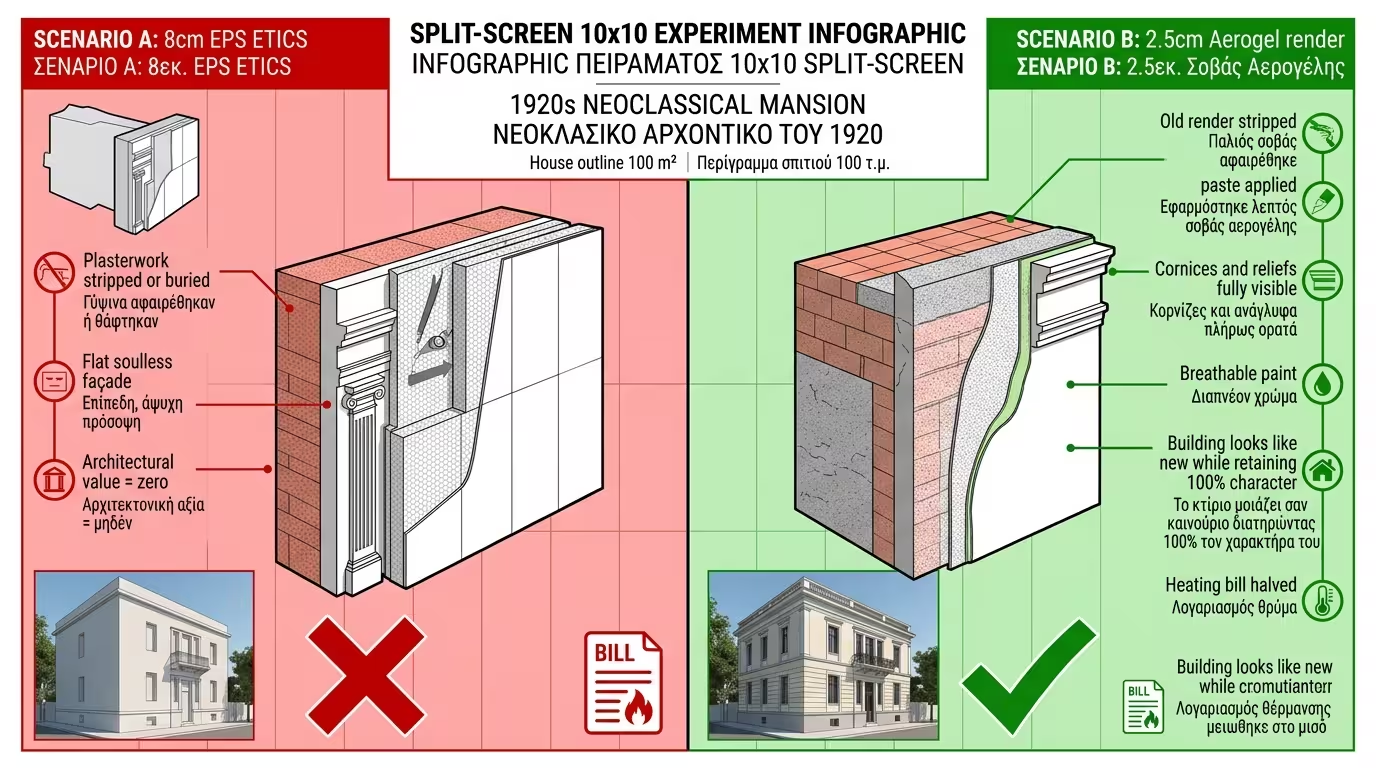
We want to renovate a stunning 1920s mansion with ornate balcony cornices. The walls are freezing cold.
The contractor applies 8cm EPS. To do it, he must strip the old plasterwork (destruction) or "bury" it inside the EPS. The house gets warm but now looks like a flat, soulless apartment block. Its architectural value drops to zero.
We strip the old deteriorated render. The craftsman sprays 2.5 cm of Aerogel render across the entire façade. The render "hugs" the cornices without covering them. We paint with a beautiful breathable finish. The exterior looks like it was built yesterday, retaining 100% of its character. Inside? The heating bill has halved!
The Final Conclusion: Aerogel render is a "premium" material and costs significantly more than a standard ETICS. But for listed buildings, neoclassicals and homes with high architectural value, it's not just an option - it's the only tool that permits energy upgrading without assassinating the building's history.
Return to category.
Go to categoryReturn to the central guide.
Go to guide