
🌡️ Thermal Insulation
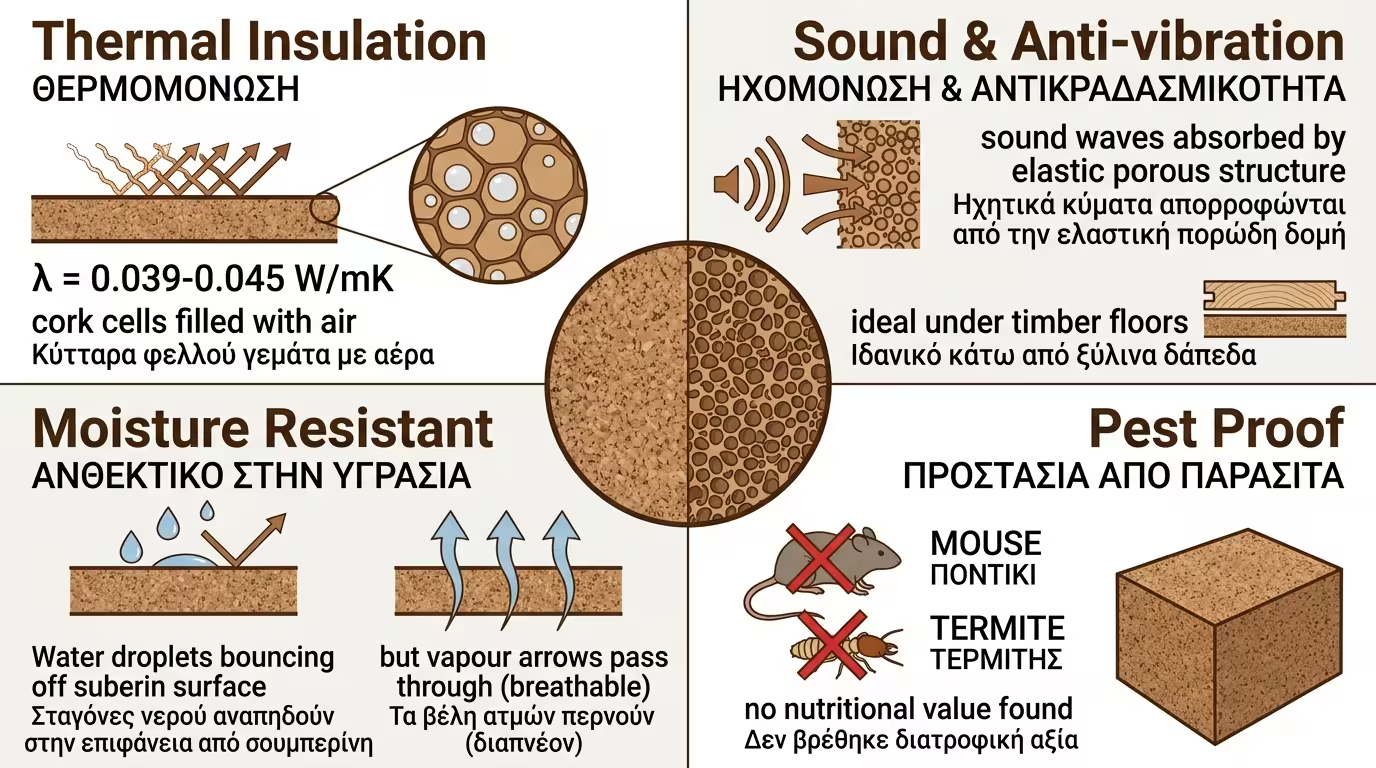
The thermal conductivity coefficient ranges from λ = 0.039-0.045 W/mK. It insulates almost as well as white EPS, but without any petrochemical content.
What if there were an insulation material that retains heat in winter, effectively kills noise, resists mould, lasts for decades without degradation, has a negative carbon footprint and in its production not a single tree is felled?
That material exists and it is called Expanded Cork. If you are planning a bioclimatic home or wish to strip synthetic chemicals from your walls, you have just found your most powerful ally. Let us see how it is produced, what makes it unique and why it costs what it does.
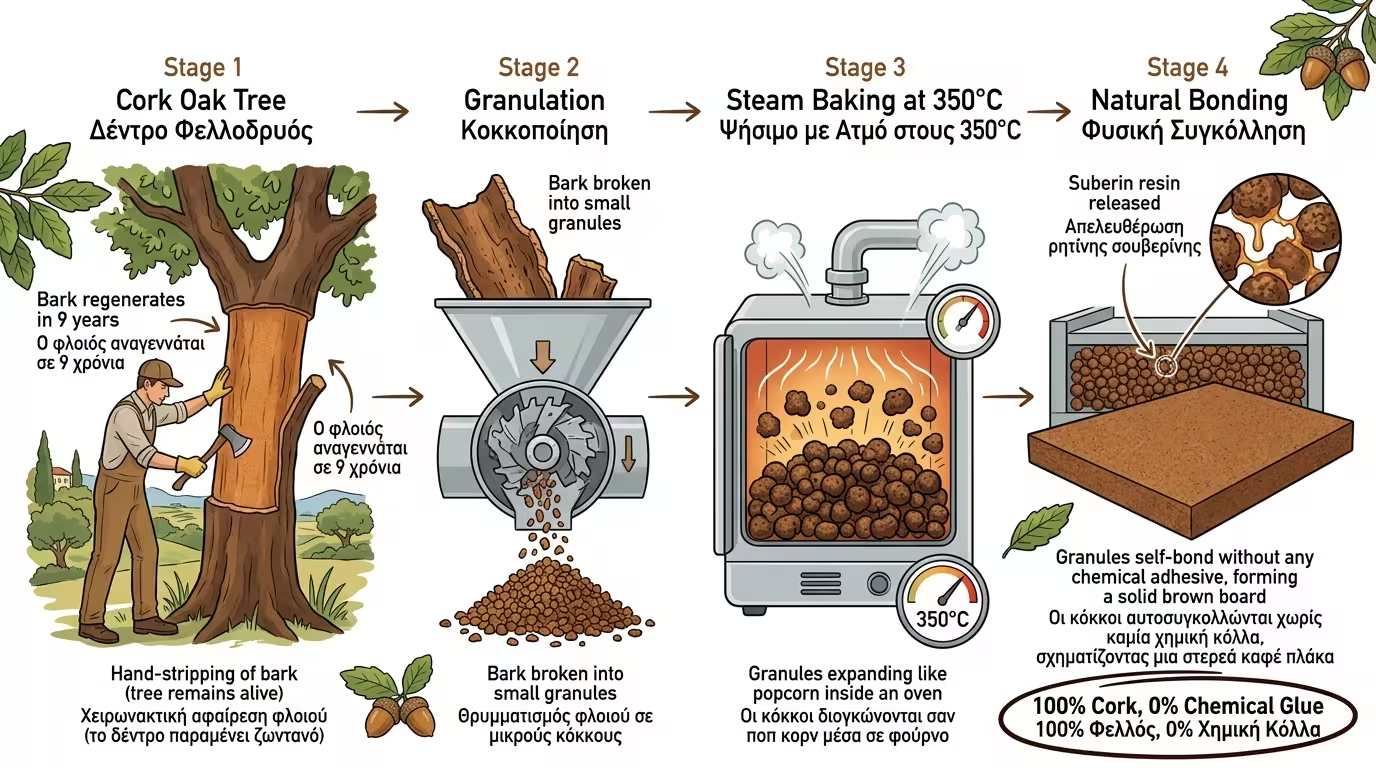
Cork comes from the bark of a specific tree, the Cork Oak (Quercus suber), a type of oak that thrives mainly in Portugal and the western Mediterranean. The remarkable thing about this tree is that it naturally regenerates its bark after harvesting. Farmers carefully strip the trunk every 9 years without causing any harm to the tree, which can live for centuries.
The production process is impressively simple: the bark is granulated into small pieces, which are then steam-heated at 350°C. Inside the kiln, the granules expand (exactly like popcorn) and release suberin, a natural resin contained within the cork cells. Suberin acts as a natural adhesive, bonding the granules together. The result is a dense insulation board that is 100% cork, with 0% chemical adhesive or additives.
Why is cork such an excellent insulator? The answer lies in its unique cellular structure. Every cubic centimetre of cork consists of millions of dead cells, each sealed and filled with air. This structure of microscopic "sealed air chambers" gives it a combination of properties that very few materials can match.
The thermal conductivity coefficient ranges from λ = 0.039-0.045 W/mK. It insulates almost as well as white EPS, but without any petrochemical content.
The elastic, porous structure of cork "swallows" both low and high frequency sound. It is ideal for placement under timber floors, absorbing impact noise and footsteps effectively.
Suberin makes it virtually waterproof while simultaneously permitting vapour breathability. This means it never rots, even if occasionally exposed to water.
Rodents and termites find absolutely no nutritional value in cork and avoid it entirely, unlike certain synthetic materials.
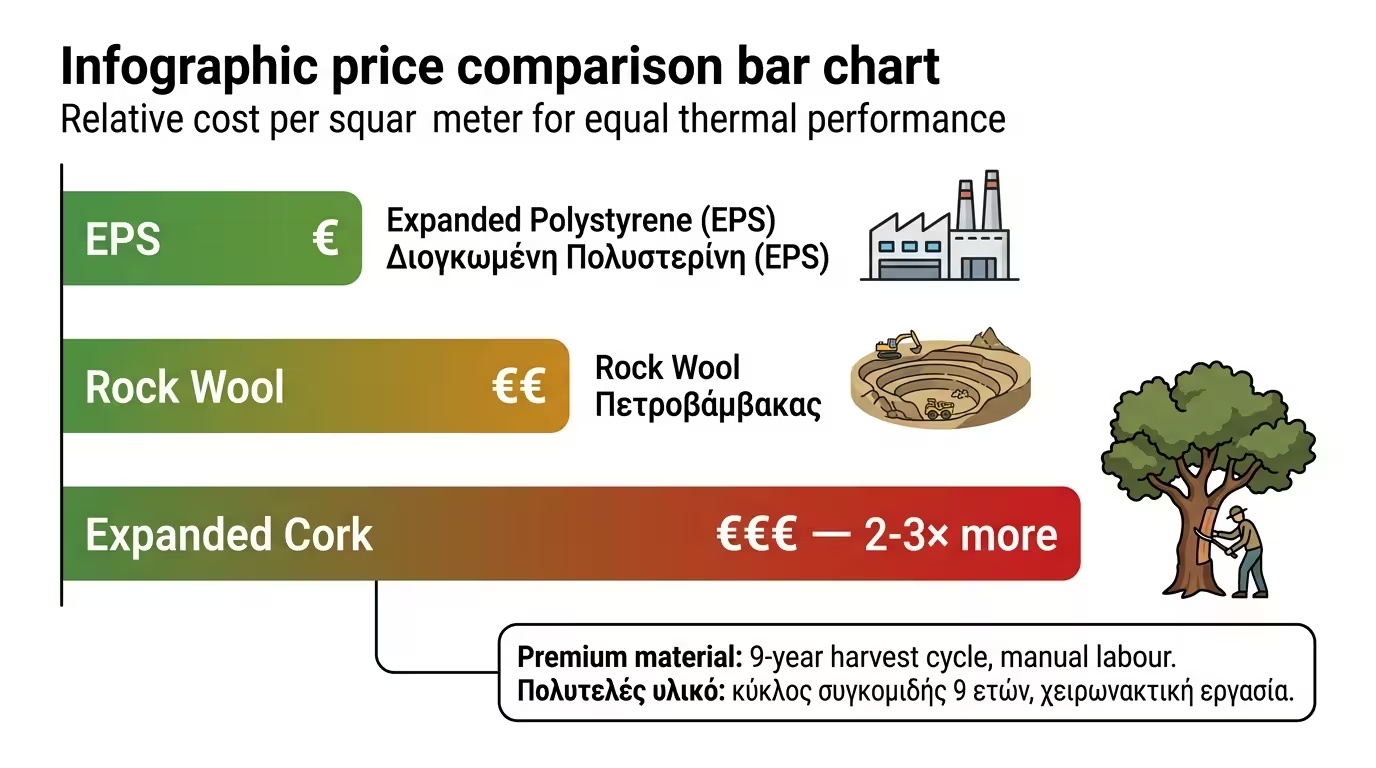
Expanded cork is a premium material and its price reflects that. Hand-harvesting, the 9-year bark renewal cycle and soaring demand have pushed prices to 2-3 times higher compared with EPS or rock wool for equivalent thermal performance. However, given its extraordinary durability (decades without degradation) and zero maintenance costs, the true value of cork reveals itself over the long term.
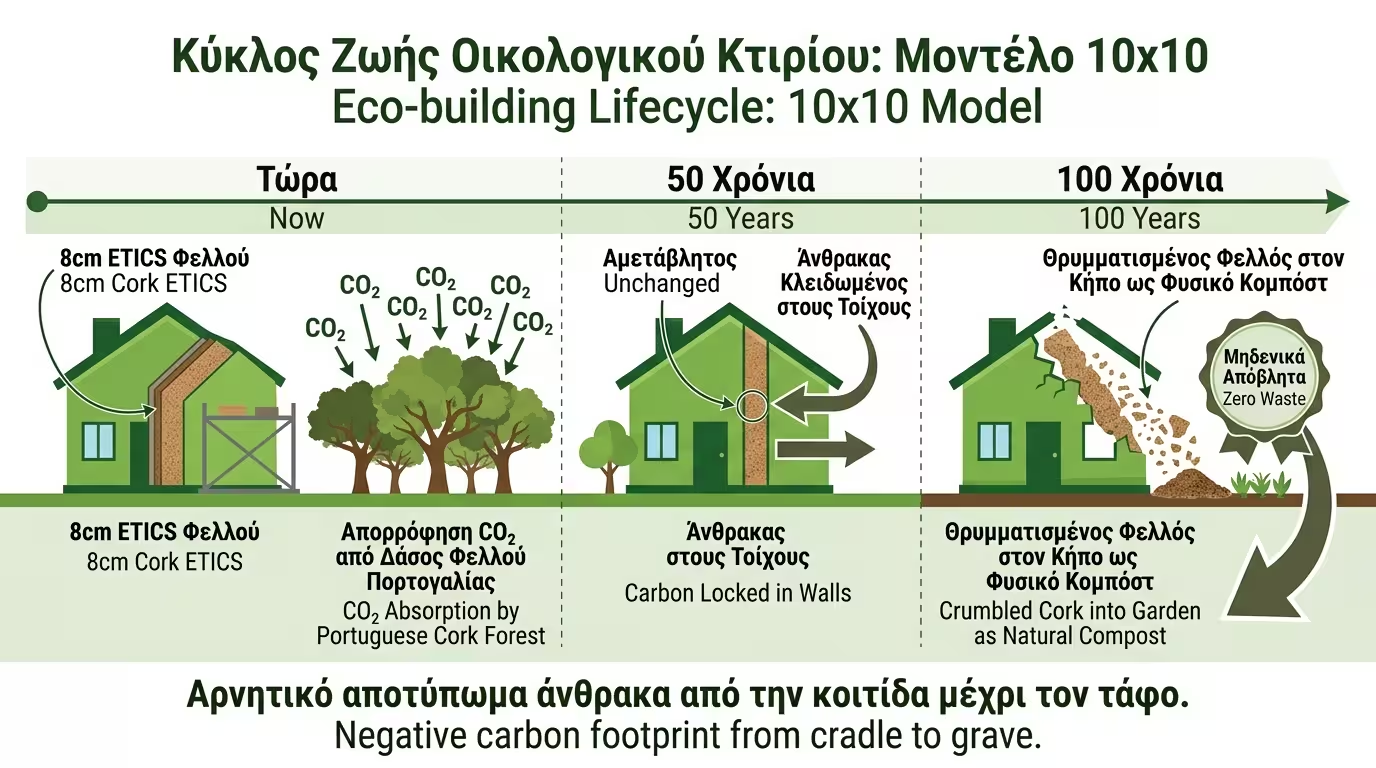
We are building our digital house as a 100% eco-friendly building. We choose external insulation (ETICS) with 8cm expanded cork boards across the entire exterior surface.
The house breathes freely, expelling moisture vapour naturally without membranes or mechanical ventilation. Temperature remains stable through winter and summer, and the acoustic insulation guarantees complete silence.
The Portuguese cork oak forests absorbed tonnes of CO₂ from the atmosphere during growth. Result: a negative carbon footprint across the entire life cycle. In 100 years you can crumble the cork boards into your garden - they become natural compost. Zero waste, zero pollution.
💡 Conclusion: If your budget is strictly limited, expanded cork is probably not your first choice. But if you are building your dream home with environmental awareness and long-term thinking, it is a genuine lifetime investment that will pay dividends in comfort, health and resale value.
Return to category.
Go to categoryReturn to the central guide.
Go to guide