1️⃣ Activation
As soon as the coating surface temperature reaches approximately 200°C – 250°C, its chemical components activate.
If you ask an architect how they want to design a modern commercial space, they'll most likely say: "I want exposed steel beams and columns." Bare steel is beautiful, imposing and delivers that industrial aesthetic.
However, as we've learned, bare steel buckles like spaghetti at 500°C. So how do we protect it without hiding it behind thick, ugly plasterboard or cement? The answer lies in the chemistry of Intumescent Coatings.
In their container, intumescent coatings look like a normal, perhaps slightly thicker, white paint. They're applied with a roller or (more commonly) an airless spray gun onto the metal. But when fire breaks out, this marvel occurs:
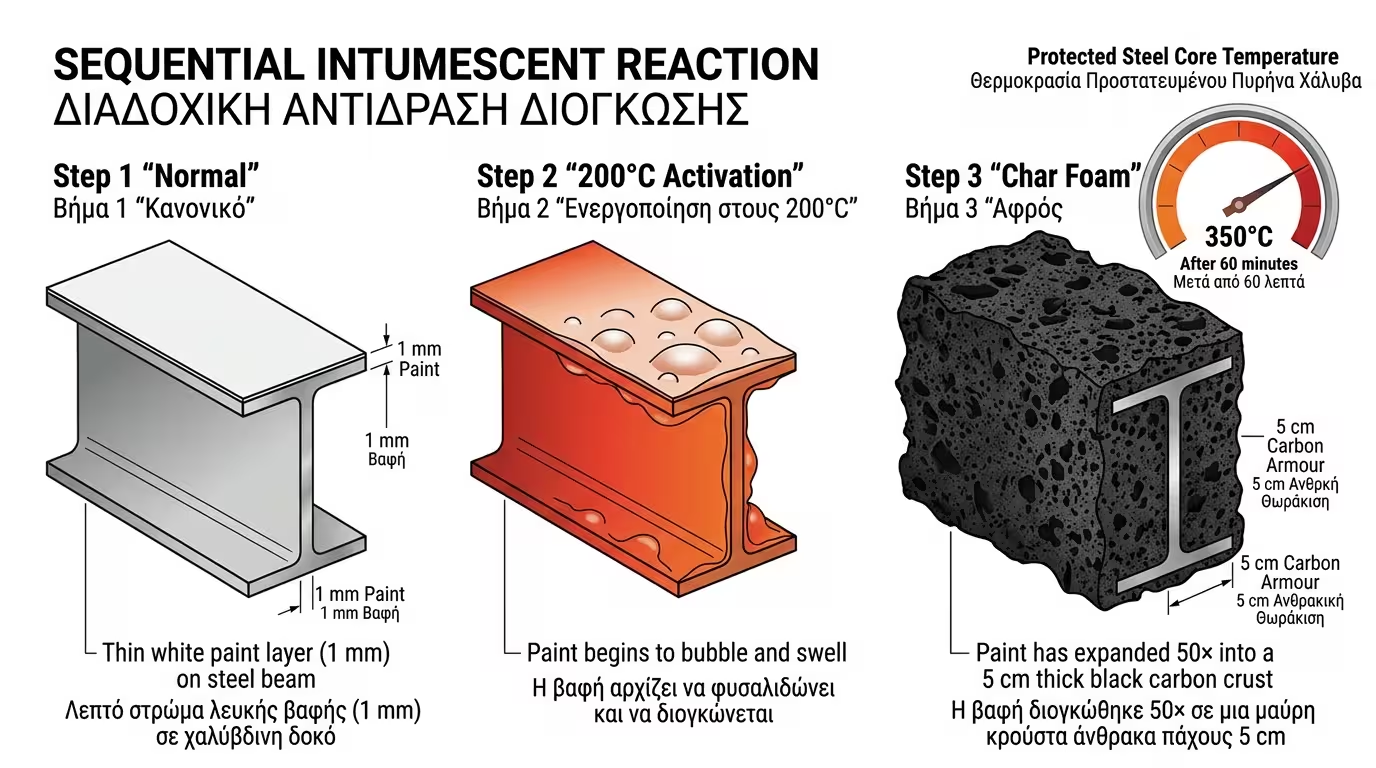
As soon as the coating surface temperature reaches approximately 200°C – 250°C, its chemical components activate.
The paint begins to "boil" and swell violently. It increases in volume by up to 50 times compared to its original thickness! One millimetre of paint becomes 5 centimetres of foam.
This foam isn't plastic. It's a crust of pure carbon, completely non-combustible, which acts as perfect insulation. It traps 1,000°C heat on the outside, keeping the steel's core below the critical 500°C limit for 60, 90 or 120 minutes.
The biggest mistake unskilled contractors make is buying a tin of intumescent paint and simply brushing it on. Protection requires a strict "sandwich" of three materials:
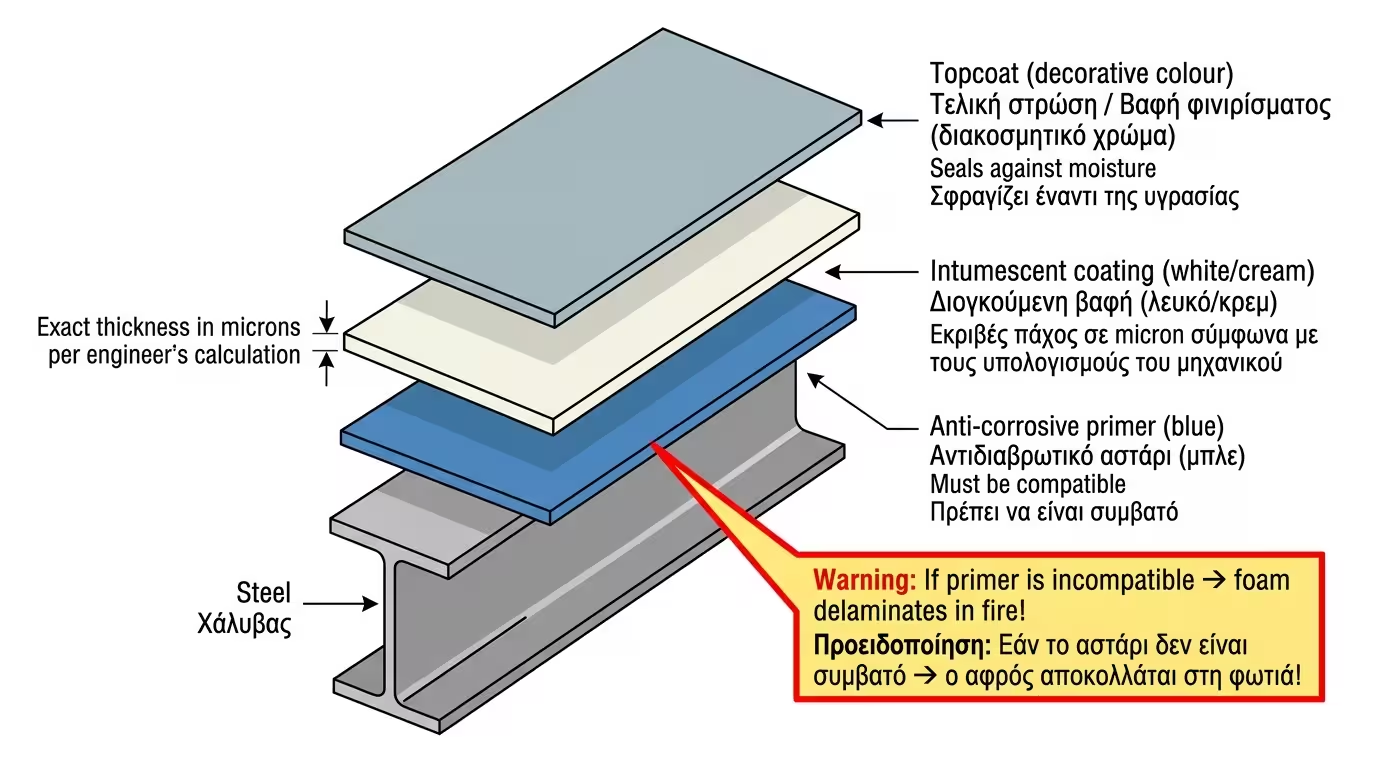
The metal must be perfectly cleaned (sandblasted) and coated with a specialist anti-corrosive primer. If the primer isn't compatible with the intumescent paint, in a fire the foam will delaminate and fall to the floor!
This is where it counts. The Fire Protection Engineer has calculated the exact thickness required, measured in microns. We don't "paint until it covers" - we spray specific grammes per square metre.
Intumescent paint is moisture-sensitive. If left exposed, atmospheric moisture will destroy its chemicals within a few years. So it's "sealed" over with a compatible decorative finish (e.g. black, grey or red) that waterproofs it.
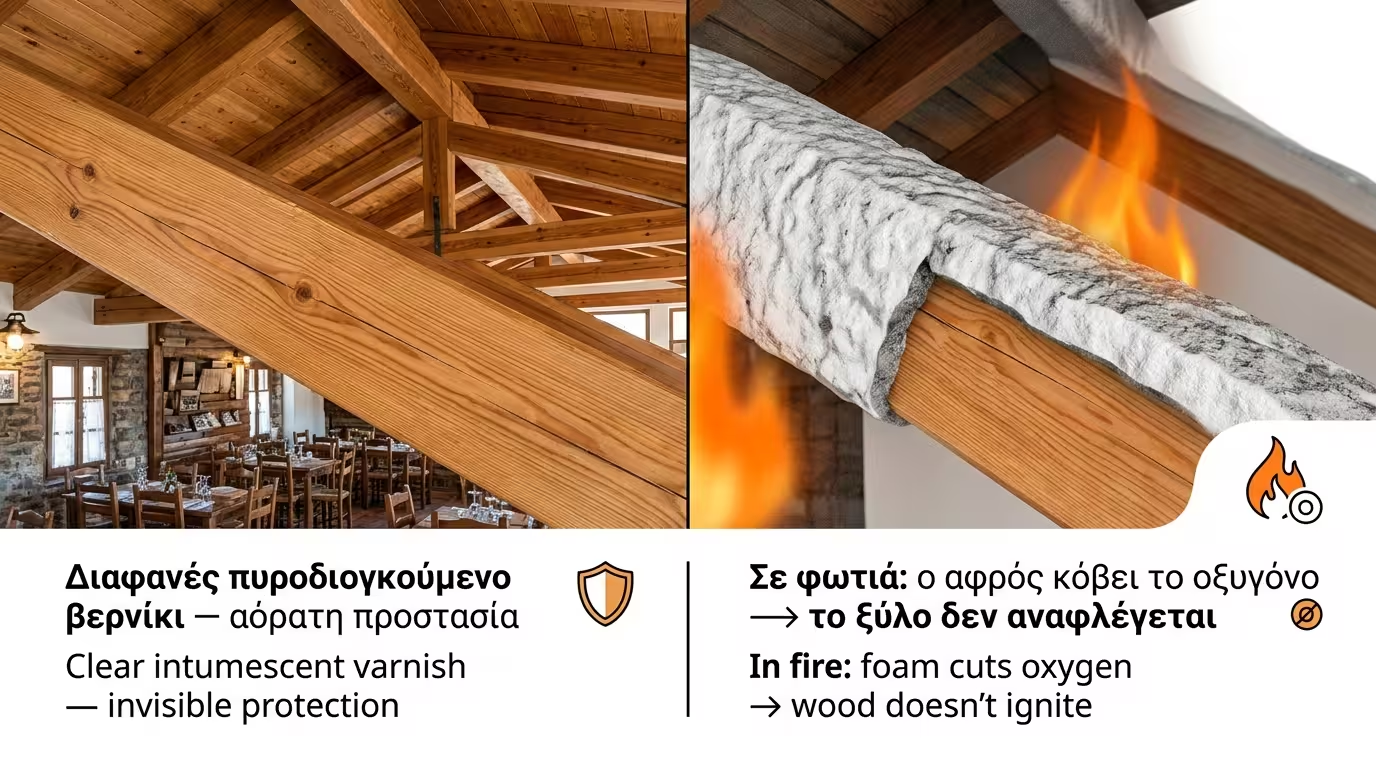
Although steel is their primary customer, there are special clear (or white) intumescent varnishes for wood too! If you have a beautiful old timber roof or exposed woodwork in a restaurant, you can coat it with intumescent varnish. In a fire, the varnish will swell, cutting off oxygen and preventing the wood from igniting, while preserving the aesthetics of the space the rest of the time.
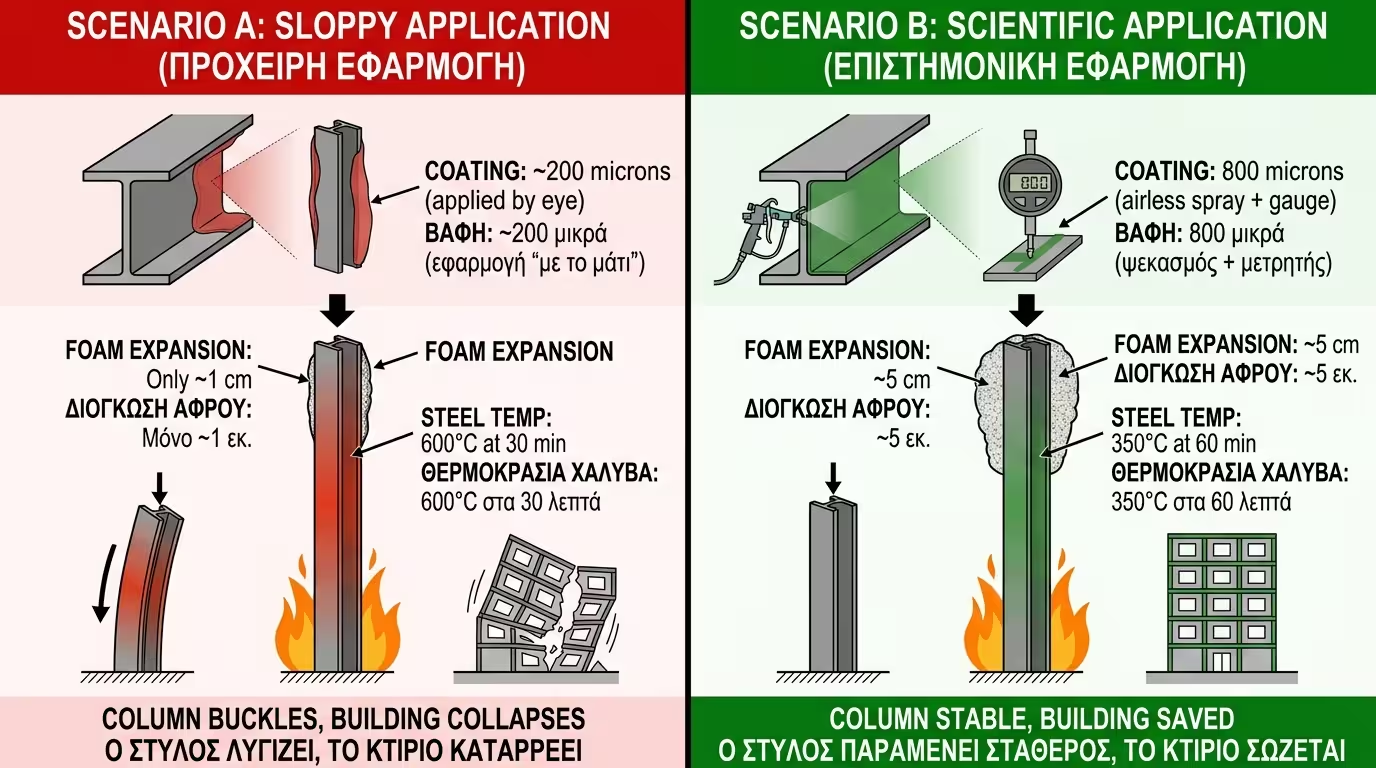
We're building a bar with large steel columns (HEB 200). The law requires fire resistance R 60.
The painter buys the paint and applies it "by eye," spraying a thin 200-micron coat because he was in a rush. Fire breaks out. At 250°C the paint swells, but because it was too thin, it creates only 1 cm of foam. The insulation is inadequate. At the 30-minute mark the steel reaches 600°C and the building collapses.
The engineer reads the product data sheet and demands 800 microns for the specific column. The applicator sprays 3 passes with the gun and measures thickness with a specialist micrometer. He finishes with the Topcoat. The same fire breaks out. The paint produces a massive 5 cm char foam. At 60 minutes, the steel is at just 350°C. The building is saved!
Final Takeaway: Intumescent coatings are the perfect marriage of aesthetics and absolute safety. But they don't forgive sloppiness. The correct application thickness and the right "sealing" are what determine whether the metal will stand or melt!
Return to category.
Go to categoryReturn to the central guide.
Go to guide