
Conventional vs Inverted Flat Roof Insulation
Insulation below or above the waterproofing? We analyse the pros and cons of each method.
Read more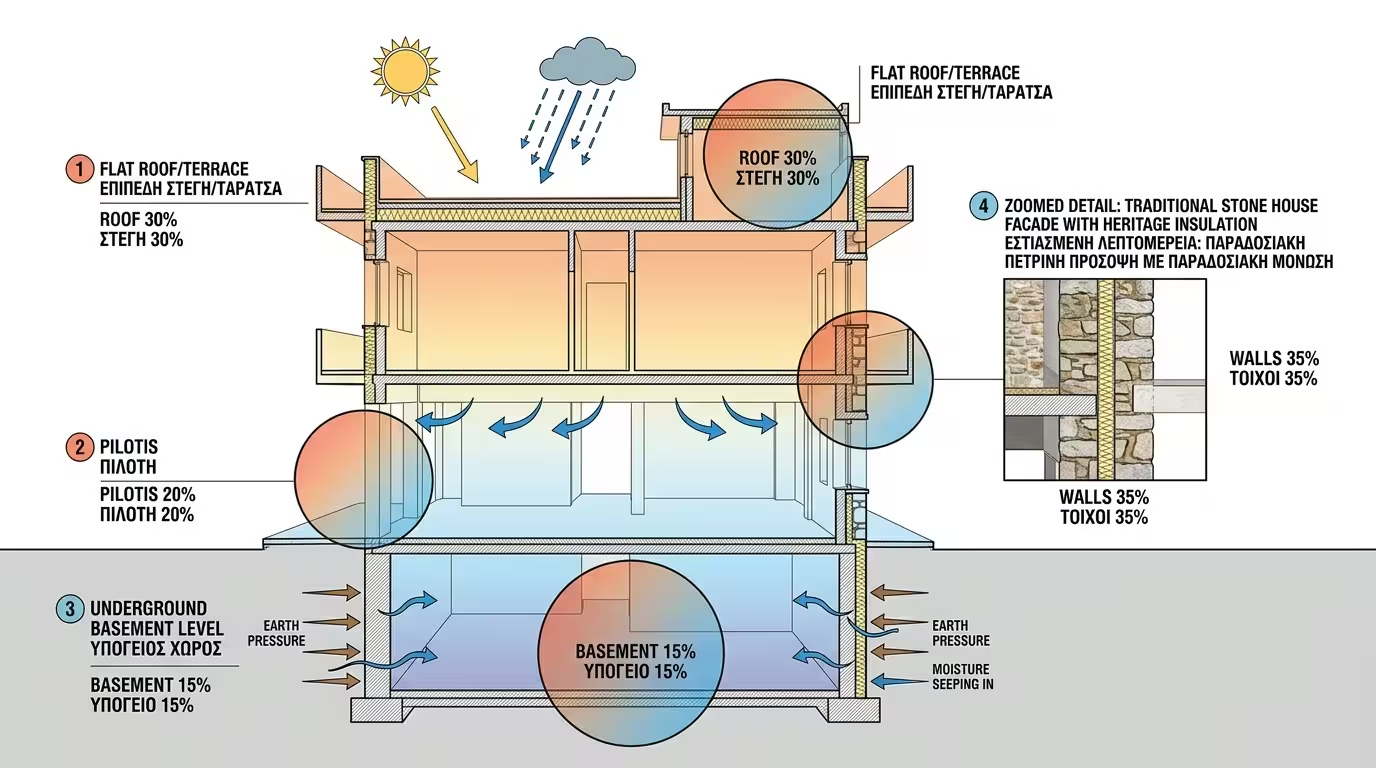
Walls are just the beginning. An uninsulated penthouse loses up to 30% of its heat through the flat roof, while a 1st-floor apartment "freezes" from the open pilotis below.
We explore solutions for walkable flat roofs, systems for basements battling ground moisture, and specialised practices for difficult renovations in traditional and stone-built houses.
The flat roof is the most exposed surface to sun and frost. Discover how to combine excellent thermal insulation with absolute waterproofing, depending on intended use.
Insulation below or above the waterproofing? We analyse the pros and cons of each method.
Read morePonding water is the silent killer. How correct slopes with lightweight concrete protect your investment.
Read more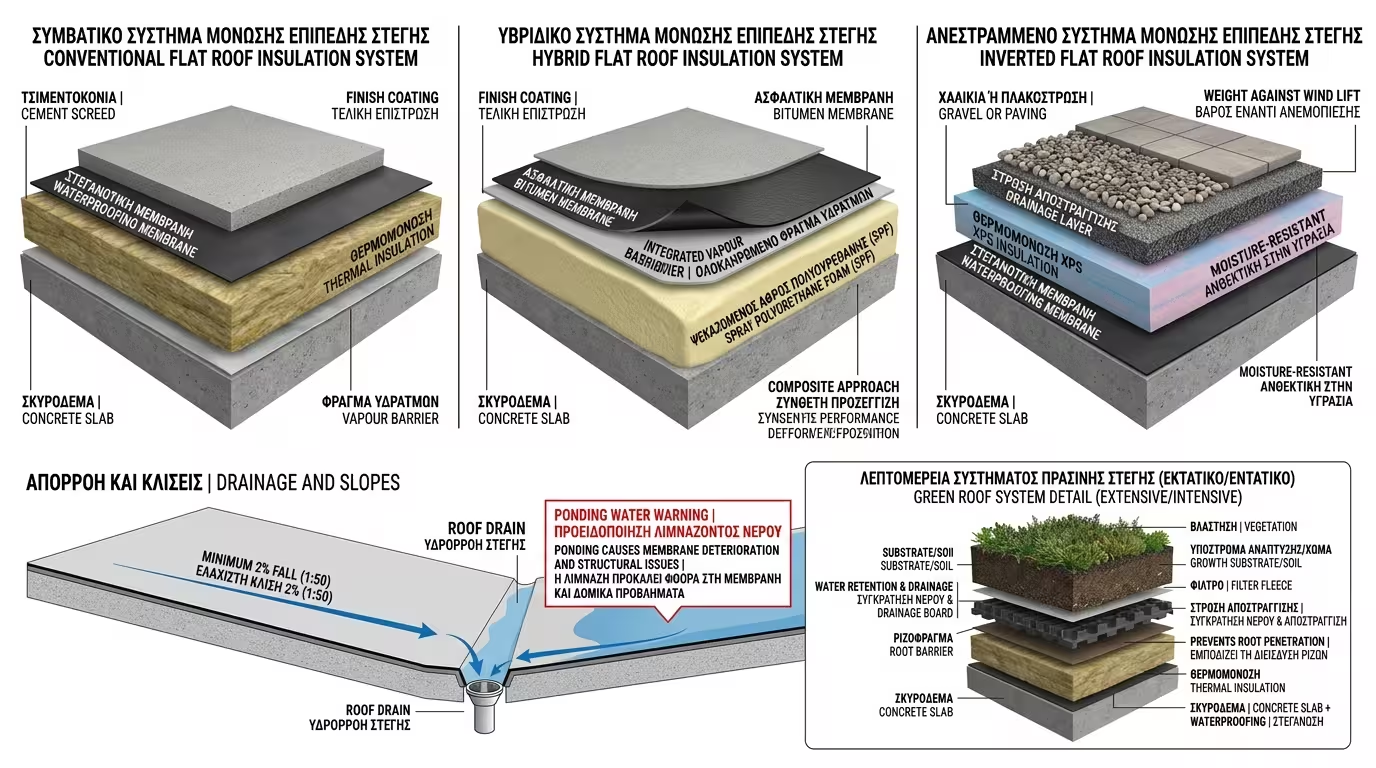
Spray foam and bituminous membranes create an impenetrable shield of high-performance.
Read moreWant to use your terrace? High compressive strength materials and final surface options (tiles, industrial floor).
Read moreBring nature to your terrace. Soil and planting as top-tier natural insulation, drastically cutting summer heat.
Read moreApplying the 10x10 Model to the roof! See how many euros a penthouse saves yearly with 7cm insulation.
Read moreA cold floor is the main cause of thermal discomfort. Whether you live above an open pilotis or on the ground floor, see how proper floor insulation cuts heat leaks.
Step-by-step guide to bonding insulation boards to the pilotis ceiling. Finally warm feet in winter.
Read moreXPS and vapour barrier to cut rising damp from the soil. For new builds and deep renovations.
Read more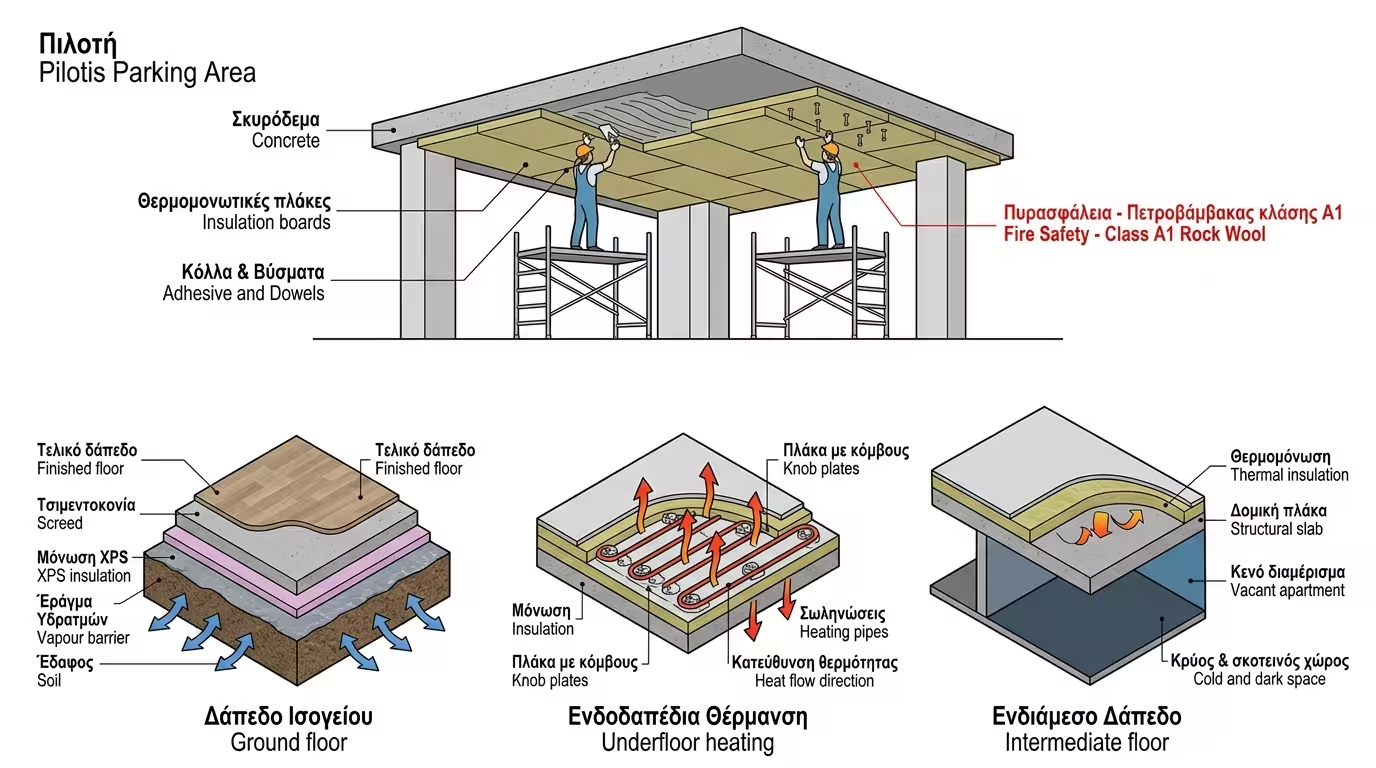
Knob plates that direct heat exclusively upward. The specialised substrate underfloor heating demands.
Read moreWhat to do when the neighbour below doesn't heat? Practical solutions to stop your floor stealing heat.
Read moreSafety first: fire regulations for open parking and why rock wool is the ideal solution.
Read moreUnderground spaces face enormous pressure from soil, water and temperature differences. Waterproofing and insulation here must be flawless, because later correction is often impossible.
XPS: the only material withstanding soil pressure and permanent moisture. New construction guide.
Read moreInsulation alone isn't enough if water accumulates. Drainage membranes and pipes for absolute dryness.
Read more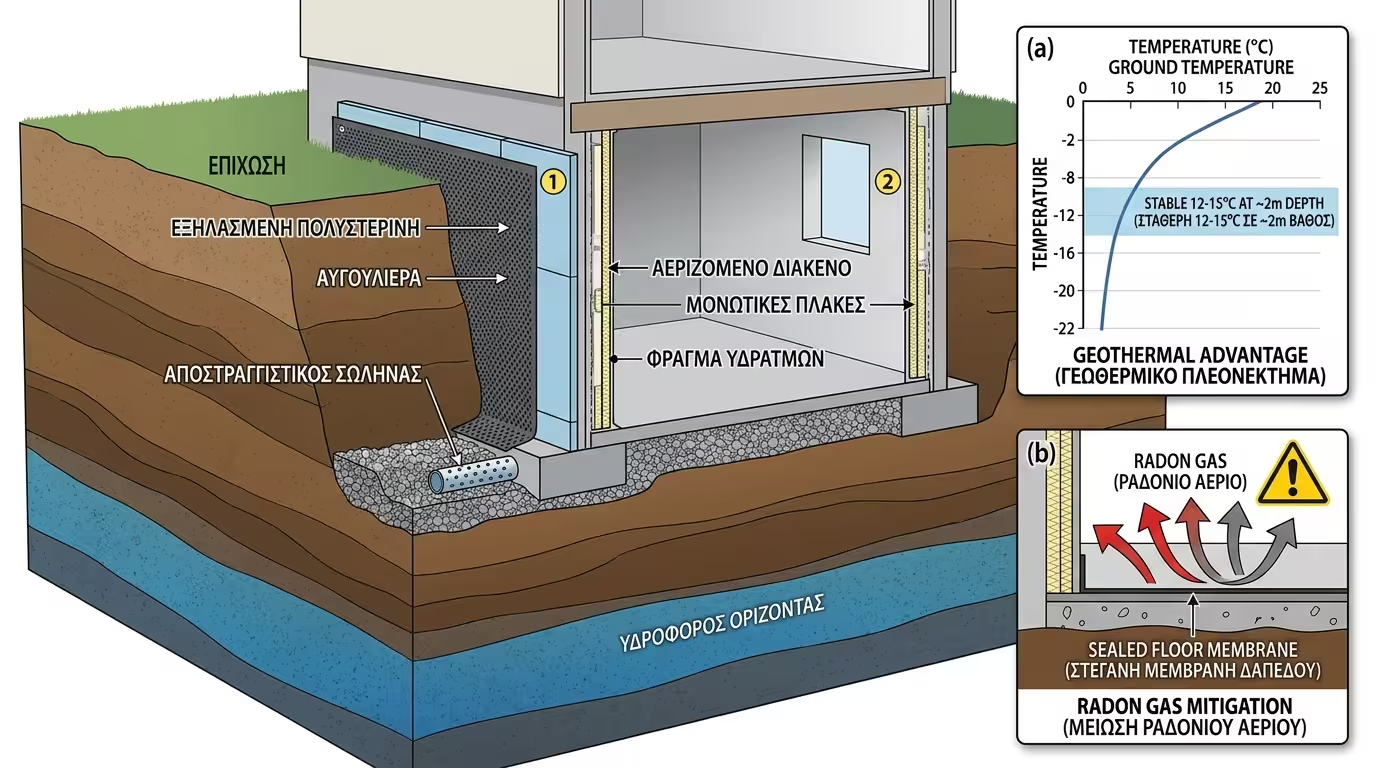
Can't dig around the perimeter? How to insulate an existing basement from inside while avoiding moisture trapping.
Read moreWhy basements maintain stable temperature year-round and how to exploit ground temperature.
Read moreAn invisible danger. How modern waterproofing membranes and proper slab insulation block the radioactive gas.
Read moreEvery old building has its own character. How do we energetically upgrade a traditional stone house or a listed building without destroying its unique architectural character?
Warning! Wrong materials can rot the stone. High-breathability materials (cork, wood fibre) for harmonious coexistence.
Read moreWant to see the beams from inside? External insulation above the deck, keeping the traditional ceiling intact.
Read more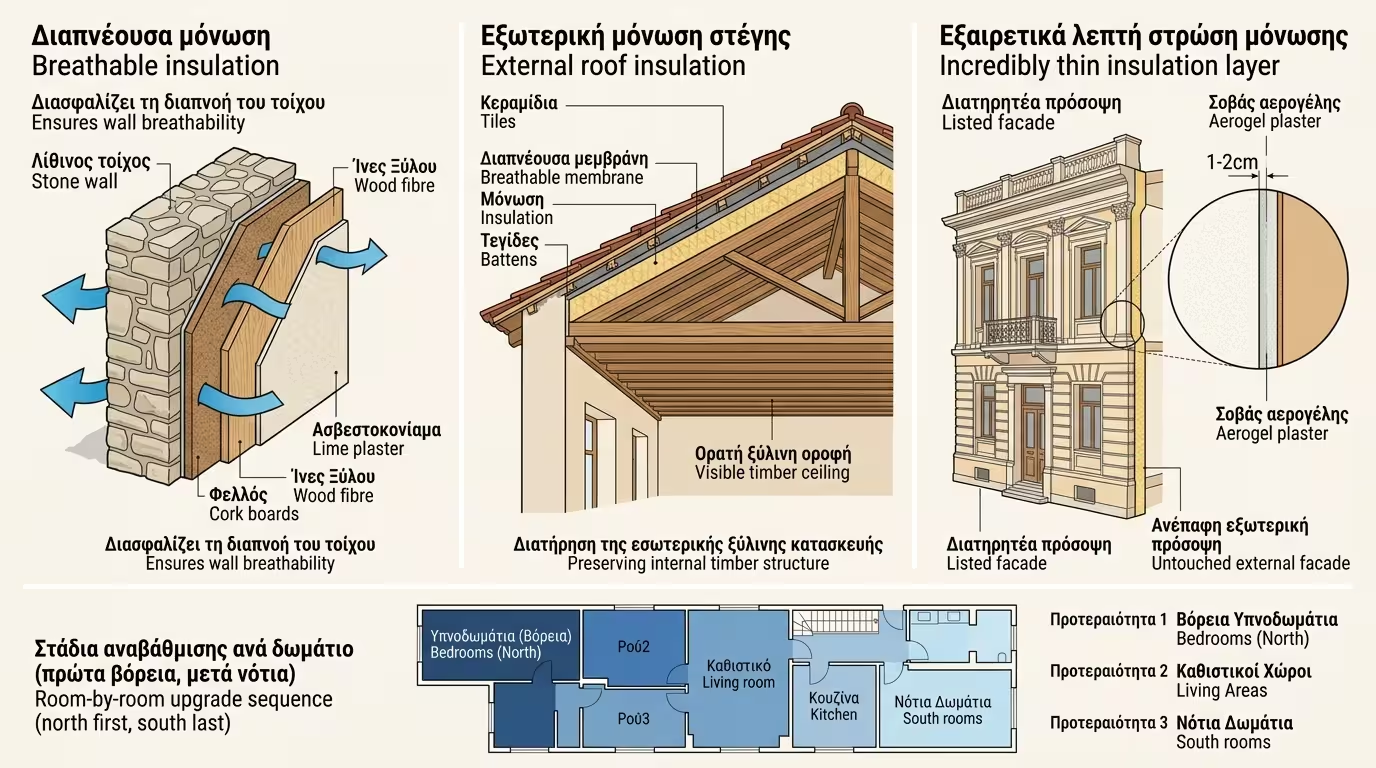
When changing the facade is strictly prohibited. Nanotechnology renders just 1-2cm thick provide a solution.
Read moreThe most economical attic upgrade. Mineral wool rolls between rafters and the critical vapour barrier.
Read moreLow-budget guide. How to internally insulate an apartment step by step, starting from the north-facing bedrooms.
Read moreReturn to the complete insulation guide.
Go to the guideIf you are planning roof, pilotis or renovation insulation - contact us.
Contact us