🏠 The 1st Floor
In winter (0°C outside), to reach 21°C in the living room, the heating must bridge a huge 21-degree difference.
When you step outside on a scorching August day and the thermometer reads 40°C, the heat is unbearable. But if you grab a spade and dig a hole 2.5 metres deep, you'll discover something magical: the soil down there is only 18°C!
The same holds true in January: the air outside is 0°C, yet the soil at 2.5 metres depth remains warm at 15-18°C. The ground acts as a giant thermal mass - an energy storage "battery" that absorbs extreme weather swings.
In energy, everything depends on the temperature difference (the so-called ΔT). Your boiler or air conditioner consumes energy to bridge this gap.
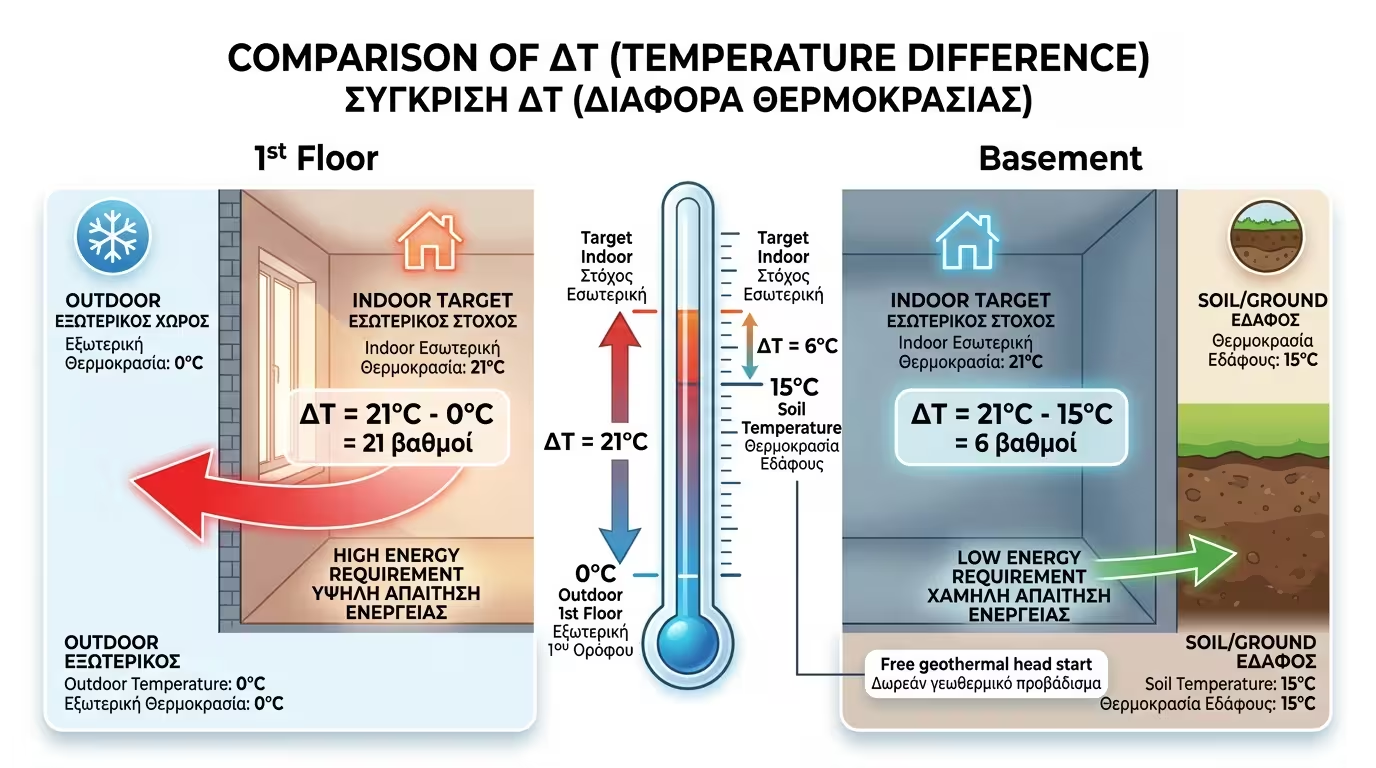
In winter (0°C outside), to reach 21°C in the living room, the heating must bridge a huge 21-degree difference.
The room is surrounded by soil already at 15°C. To reach 21°C, you need a difference of just 6 degrees ! The basement starts the "heating race" with an enormous free geothermal head start.
This natural behaviour of the earth has led to two impressive architectural practices:
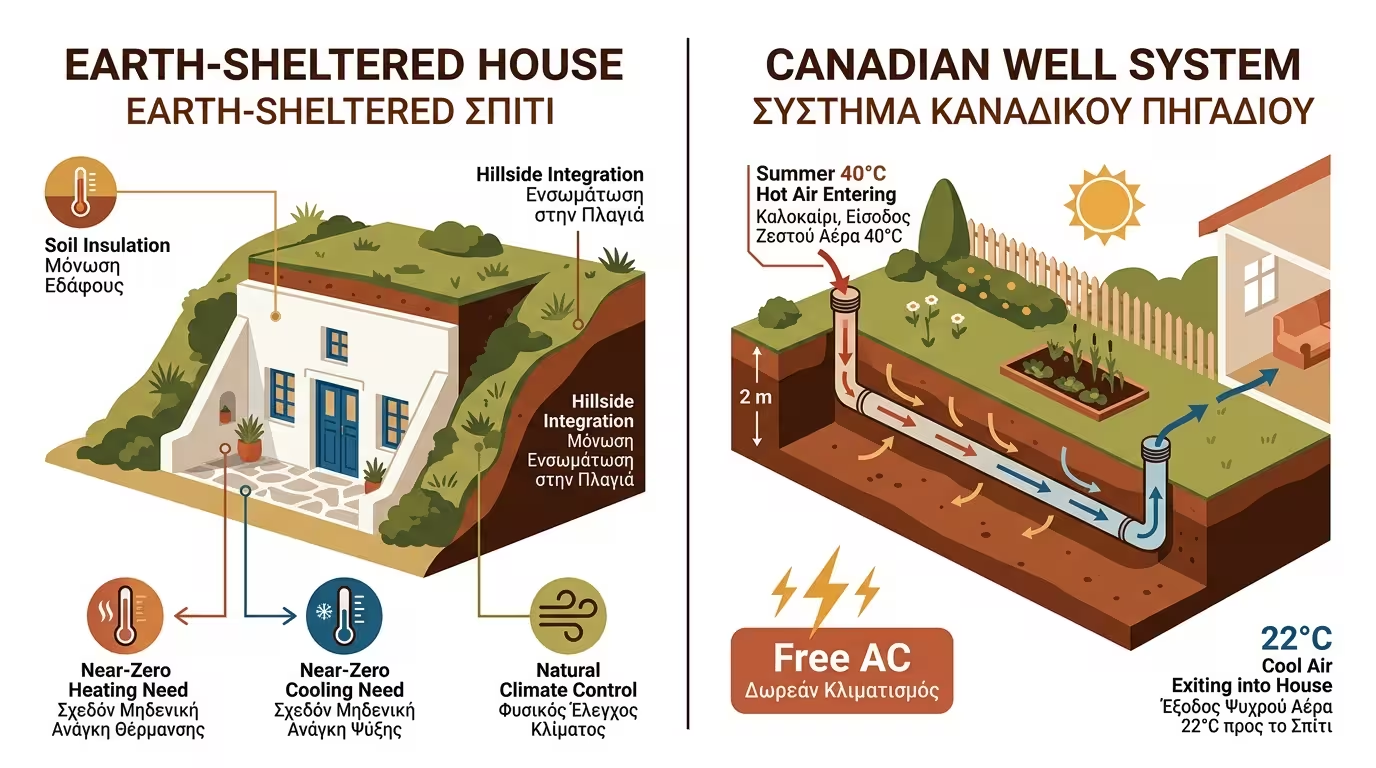
Houses built literally "inside" a hillside, leaving only the front facade open (very common in Greek islands). The soil hugs the walls and roof, offering absolute stability. An earth-sheltered house needs almost zero heating and cooling.
In Passive Houses, before fresh air enters the home, it passes through a long pipe buried 2 metres under the garden. In summer, 40°C hot air is cooled by the soil and enters the house at 22°C - free air conditioning!
Many wonder: "If the soil is at 15°C, why did we install XPS? Maybe we leave the wall bare to get the coolness?" The answer is no.
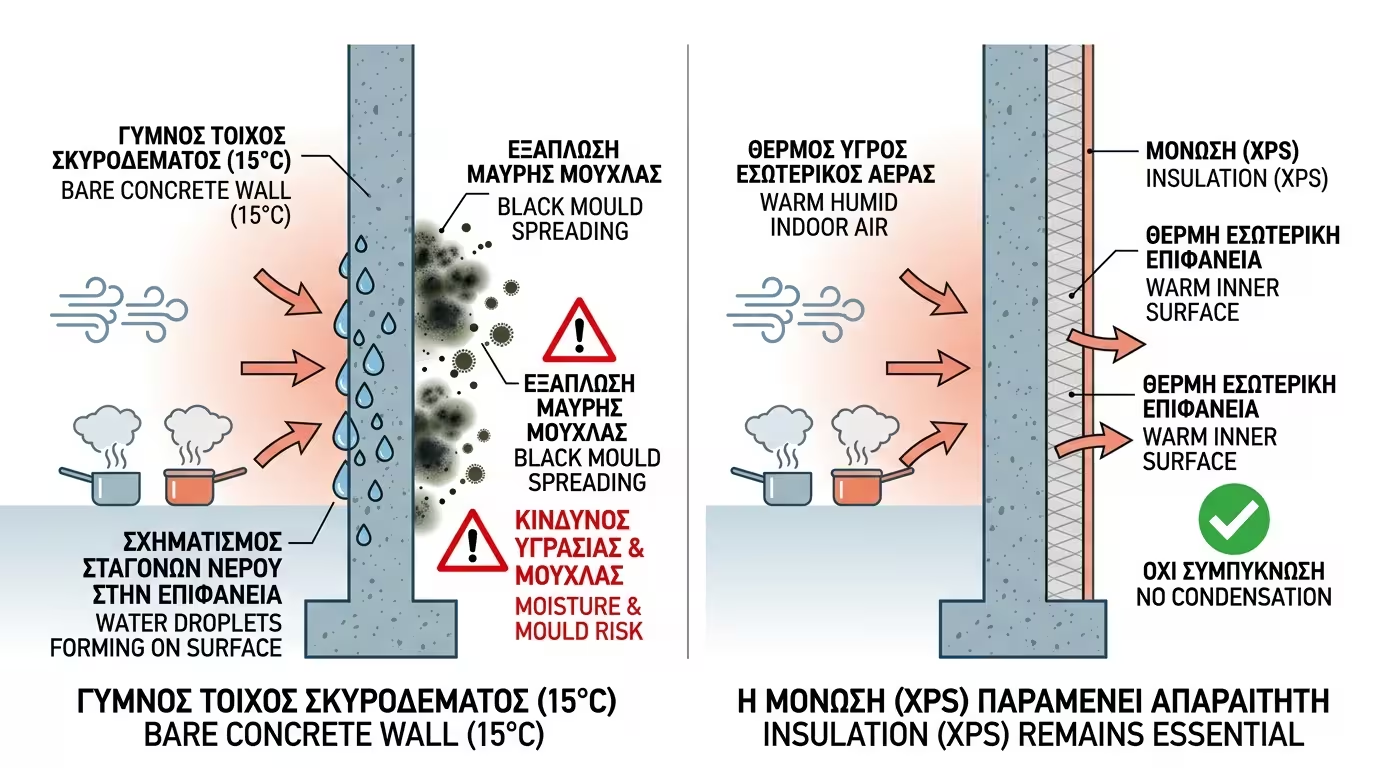
If you leave the wall bare, its surface sits at 15°C. Your home's warm humid air (from cooking, breathing) will hit this cold wall and condense instantly. The wall will "sweat" permanently and fill with black mould.
Insulation lets us control the room's temperature independently from the ground, while simultaneously blocking soil moisture.
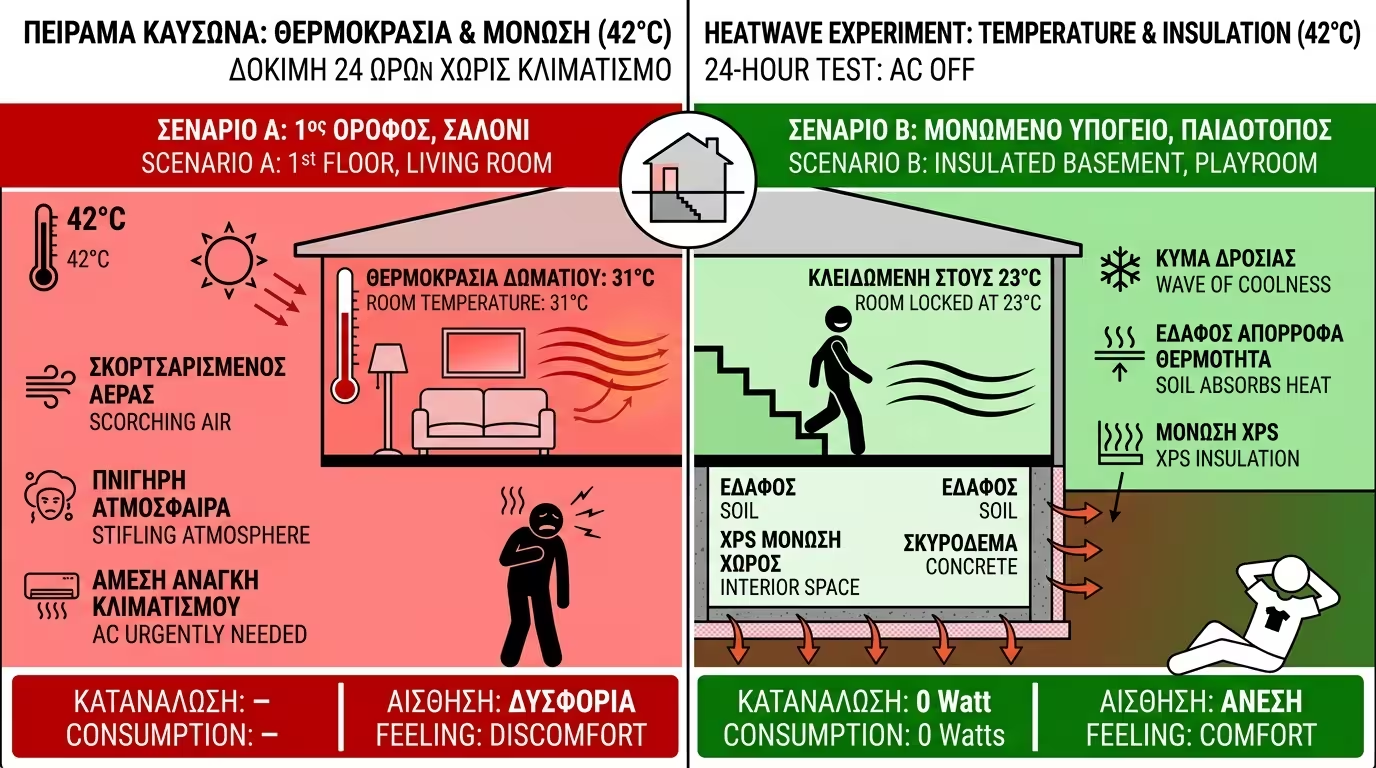
Late July, 42°C in the shade. We switch off all air conditioners for 24 hours.
The living room is surrounded by scorching air. Despite good external insulation, the room temperature climbs to 31°C. The atmosphere is stifling and AC is urgently needed.
We walk downstairs. With every step, a wave of coolness hits us. The basement temperature is locked at 23°C . The soil behind the XPS absorbs the room's heat. We sit on the sofa in a T-shirt, perfectly comfortable, without consuming a single Watt of electricity!
The Final Conclusion: The basement is not a "storage room". It's energetically the most privileged space in the entire house! With proper insulation and waterproofing, you can harness the earth's geothermal mass and create a room that will almost never need mechanical cooling in summer.
Return to category.
Go to categoryReturn to the central guide.
Go to guide