👁️ With the Naked Eye
If you look at this wall with the naked eye, you will notice absolutely nothing.
Fibrous insulation materials, such as mineral wool (glass wool and rock wool), are excellent at temperature retention and sound insulation. However, because they are soft like a "duvet", they require great care during installation, especially when fitted vertically (e.g. inside a plasterboard wall).
If the fitter cuts them narrower than the stud cavity, they won't wedge tightly. If the home has moisture (and no vapour barrier was installed), the rock wool absorbs water, becomes heavy and, sooner or later, slides downward due to gravity. This phenomenon is called "slumping".
What happens when the insulation slides? At the bottom of the wall a double, crumpled layer of rock wool piles up. But at the top of the wall (near the ceiling), a huge air void remains where there is nothing but bare plasterboard!
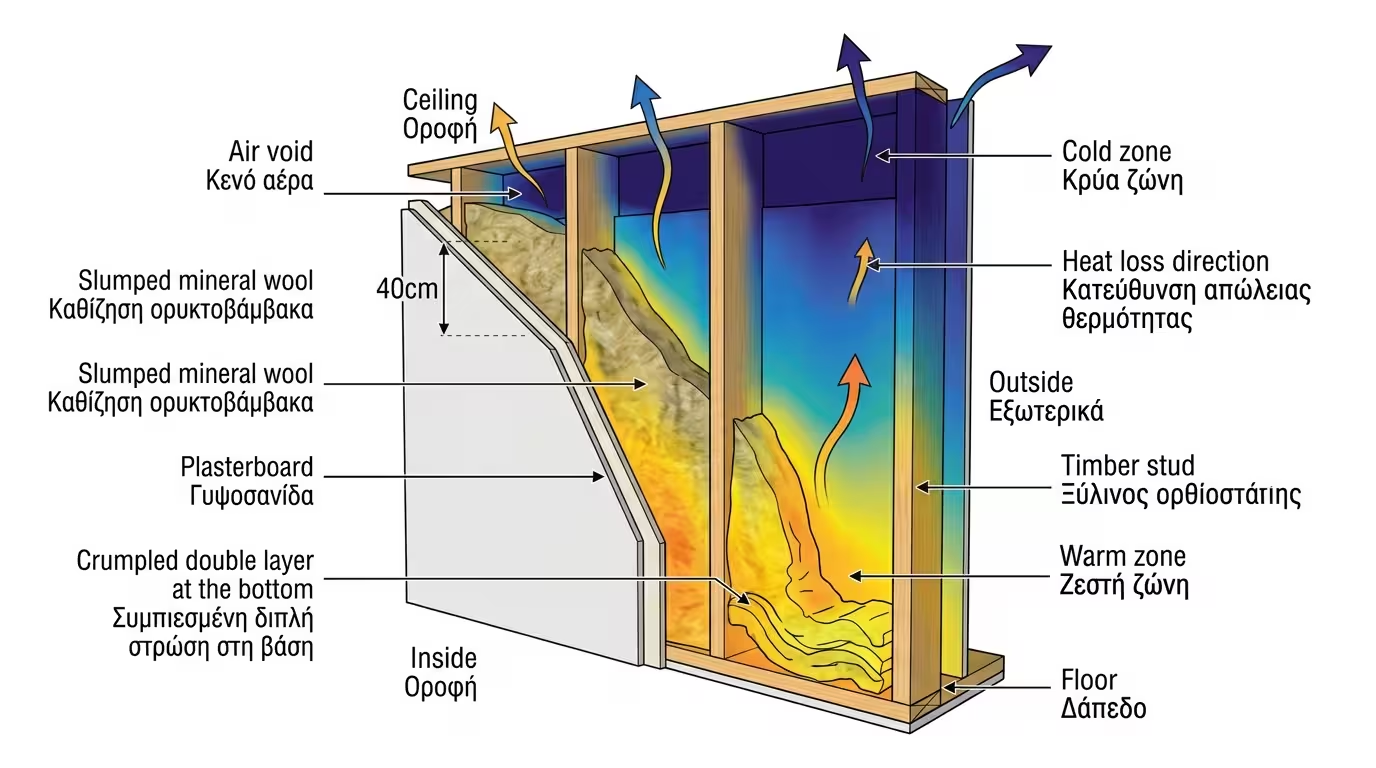
If you look at this wall with the naked eye, you will notice absolutely nothing.
If you look at it with a thermal camera on a cold winter day (with the heating on), the image is revelatory: The bottom of the wall will show warm colours (yellow, orange), proving the insulation holds the room's heat. The top will display large, dark blue or purple patches - the frozen void from which your heat escapes freely to the outside!
Slumping is not the only problem thermography uncovers. The camera sees everything:
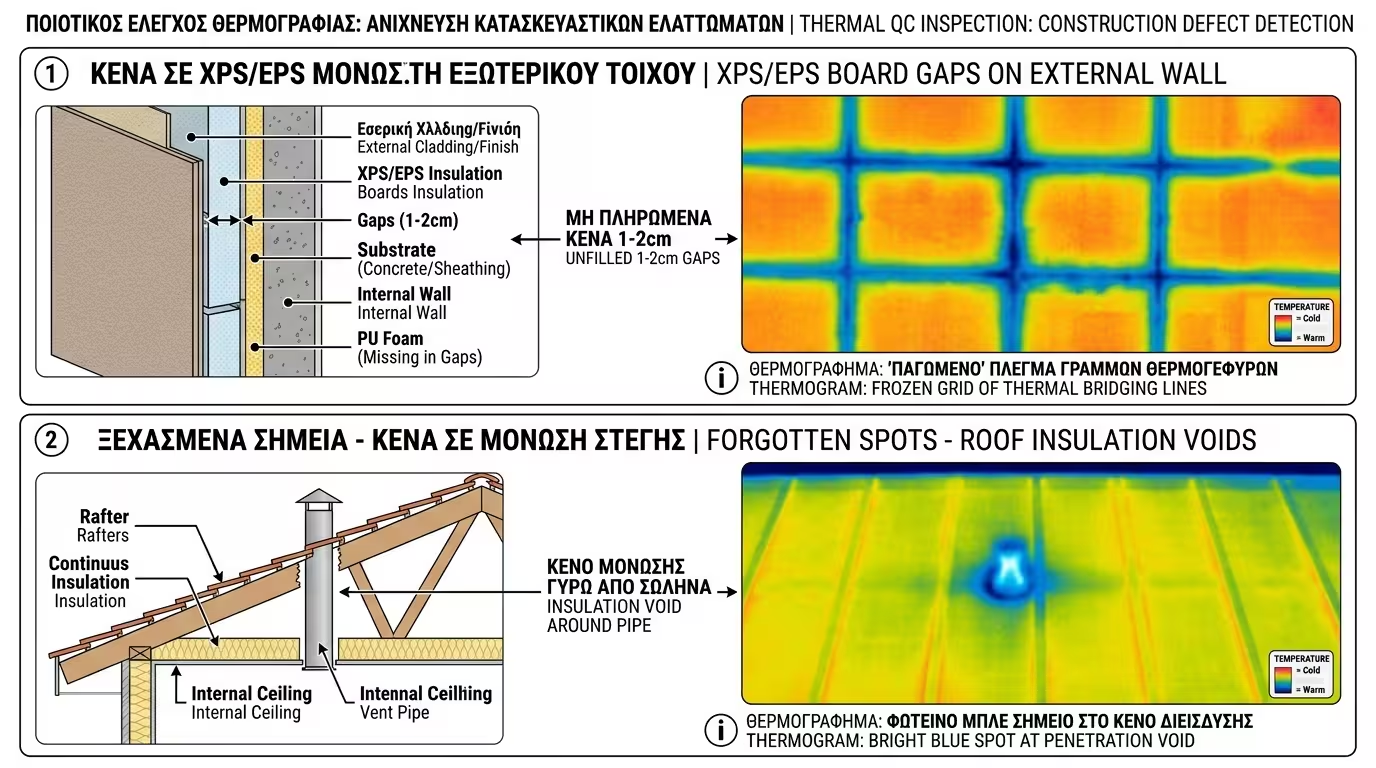
In an external insulation system or roof insulation, the rigid boards must fit perfectly edge to edge. If the contractor leaves a 1-2 cm gap and doesn't fill it with PU foam (but only covers it superficially with render), the camera will show a perfect, frozen "grid" of lines on your wall!
Very often, in hard-to-reach areas (e.g. behind rafters on the roof or around pipes), tradesmen can't be bothered to cut the material to fit the hole and simply leave it uninsulated. The camera will light up these spots like a beacon.
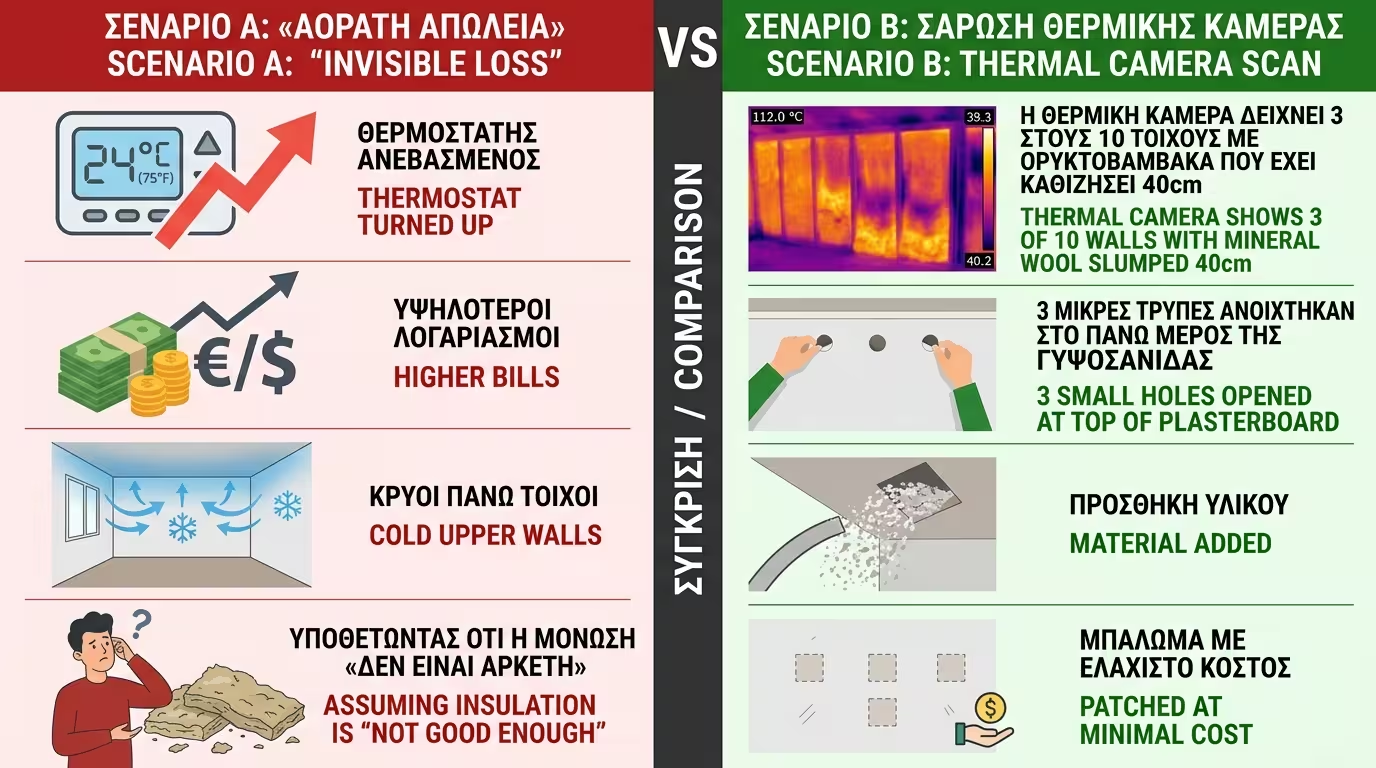
We converted the loft with plasterboard and installed rock wool. The second winter, we feel cold despite the heating working.
We assume "this year is just very cold". We turn up the thermostat, burn more electricity, but the upper walls still feel cold to the touch. We believe the insulation "isn't good enough".
We bring the engineer. The thermal camera shows that in 3 of the 10 loft walls, the rock wool has slid down by 40 cm! We now know with millimetre accuracy. We don't need to demolish the entire loft. We carefully open 3 small holes at the top of the plasterboard, add new material to fill the void, and patch. The problem is solved at minimal cost.
The Final Conclusion: Paying for the best insulation on the market does not guarantee results if the installation is poor. Thermography is the ultimate "Quality Control Certificate" for construction. Before accepting a major renovation or insulation project, demand a thermal camera inspection!
Return to category.
Go to categoryReturn to the central guide.
Go to guide