🧪 Component A (The Resin)
The base material, often coloured.
In the waterproofing world, we are used to looking for materials that stretch like rubber (elastomers) to follow building movement. But what happens when you need to store 50 tonnes of drinking water in a tank, or when you have a pool full of chlorine?
In those situations, "rubber" won't do. We need a material that is unaffected by chemicals, releases no toxic substances into the water and cleans effortlessly. Enter Epoxy Resins (Epoxy Coatings) - the most "hardcore" family of coating materials.
Epoxy systems always come in two separate containers:
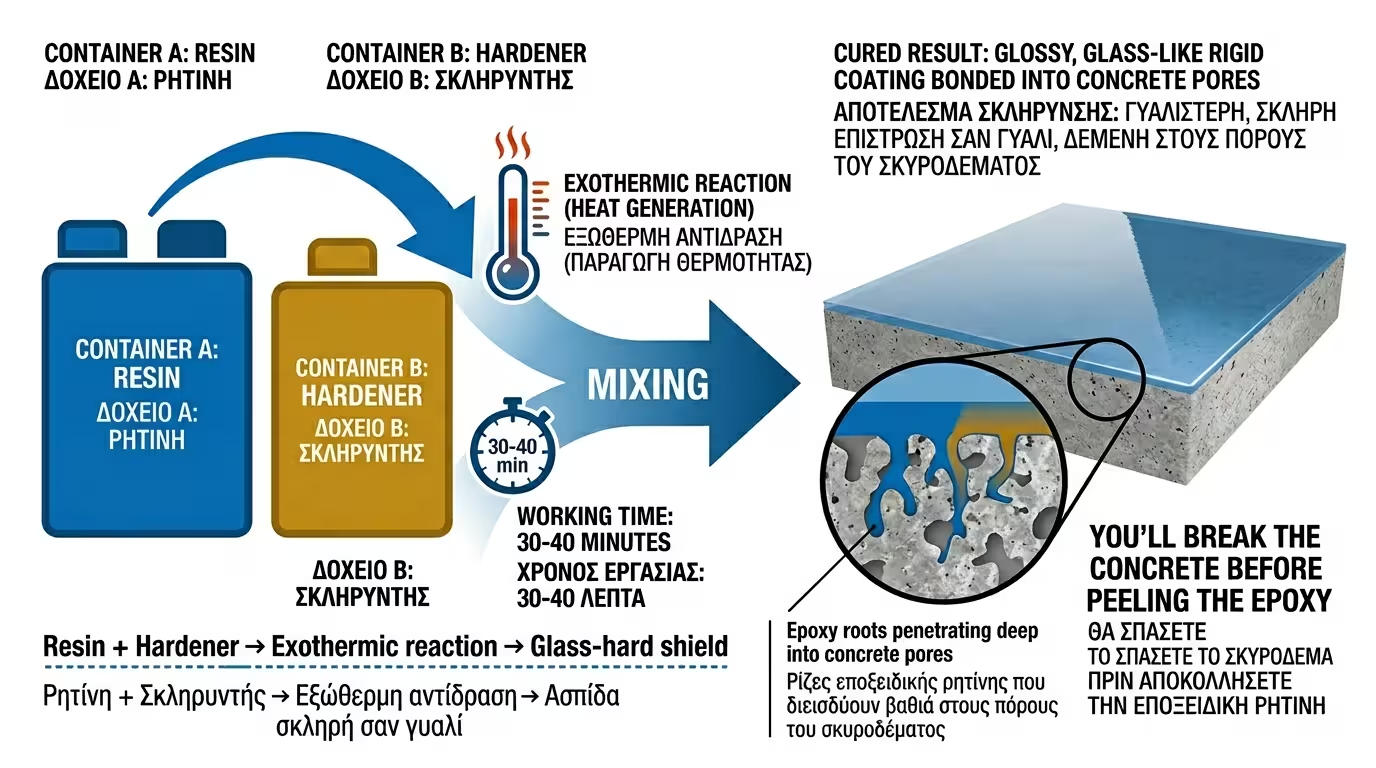
The base material, often coloured.
The chemical catalyst.
When you mix them, an exothermic reaction starts (the mix heats up). You have limited working time (typically 30-40 minutes). Once cured, it is no longer paint. It has transformed into a rigid, glossy plastic, so hard it resembles glass or enamel. It has anchored into the concrete pores with such force that if you try to remove it, the concrete itself will break!
Because they are expensive and demanding to apply, we don't just put them on a roof. We use them where no other material survives:
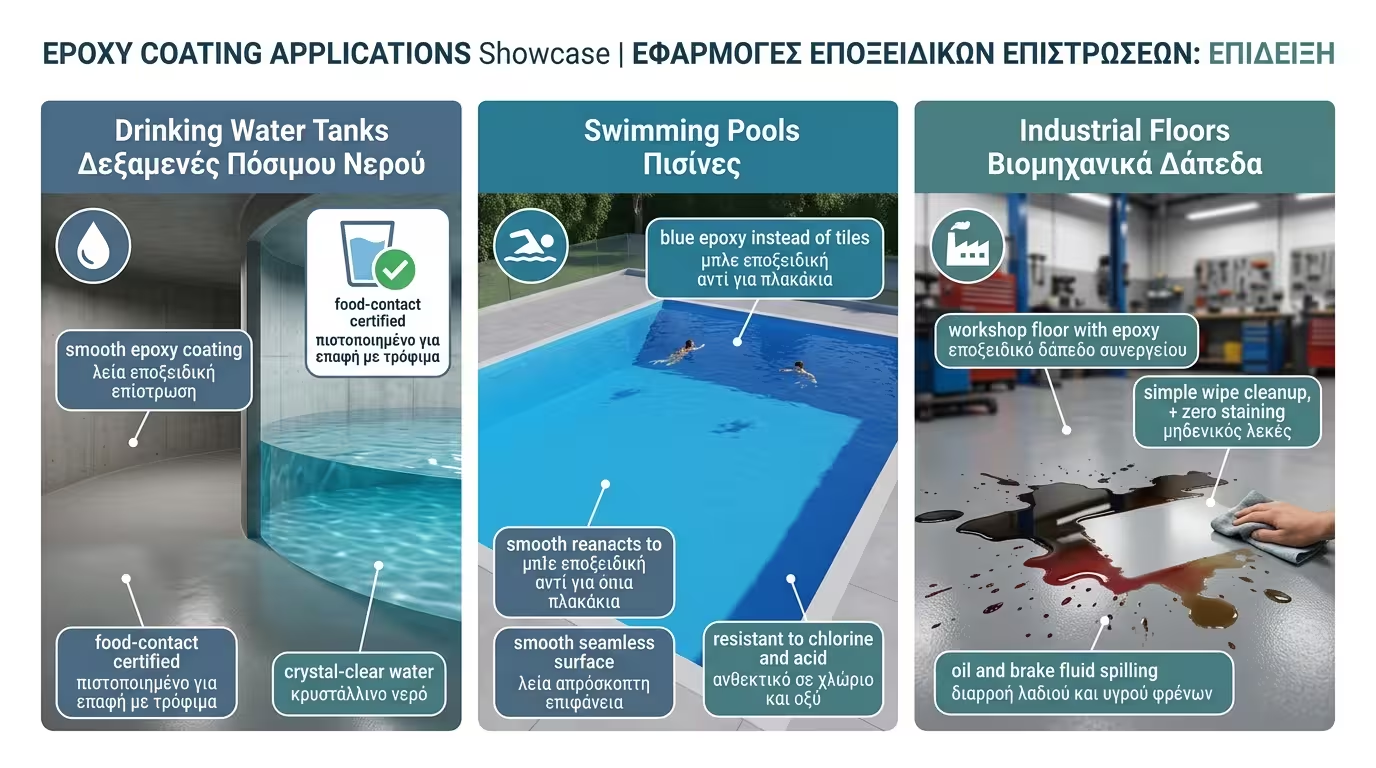
When fully cured they are 100% inert. Special solvent-free epoxy systems carry food-contact and drinking-water certification. The water stays crystal-clear, with no odours or plasticisers.
Many modern pools skip tiles and grout joints (which collect mould). Instead, the shell is rendered then coated with a specialist epoxy paint. The result is a smooth, seamless surface that resists chlorine, cleaning acids and abrasion - and cleans with a single wipe.
If brake fluid, engine oil or a strong acid falls on an epoxy floor, you simply wipe it. It doesn't stain, doesn't dissolve, doesn't react.
Epoxy's greatest strength is simultaneously its worst enemy. It is absolutely rigid (0% elasticity).
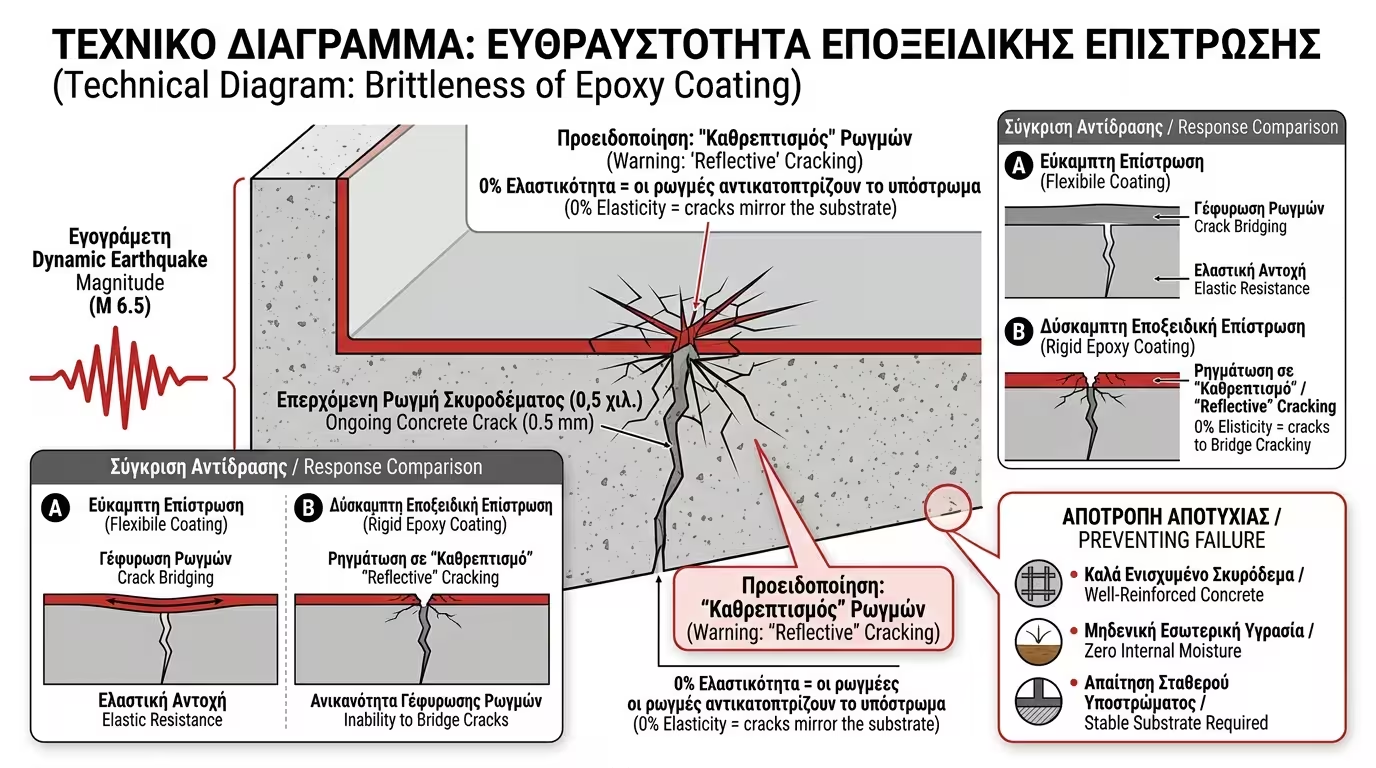
If the tank wall develops a half-millimetre crack (from an earthquake), the epoxy will "crack" at exactly the same point, as if a pane of glass shattered.
That is why, BEFORE applying epoxy, we ensure the concrete is excellently reinforced, perfectly stable and completely free of internal moisture.
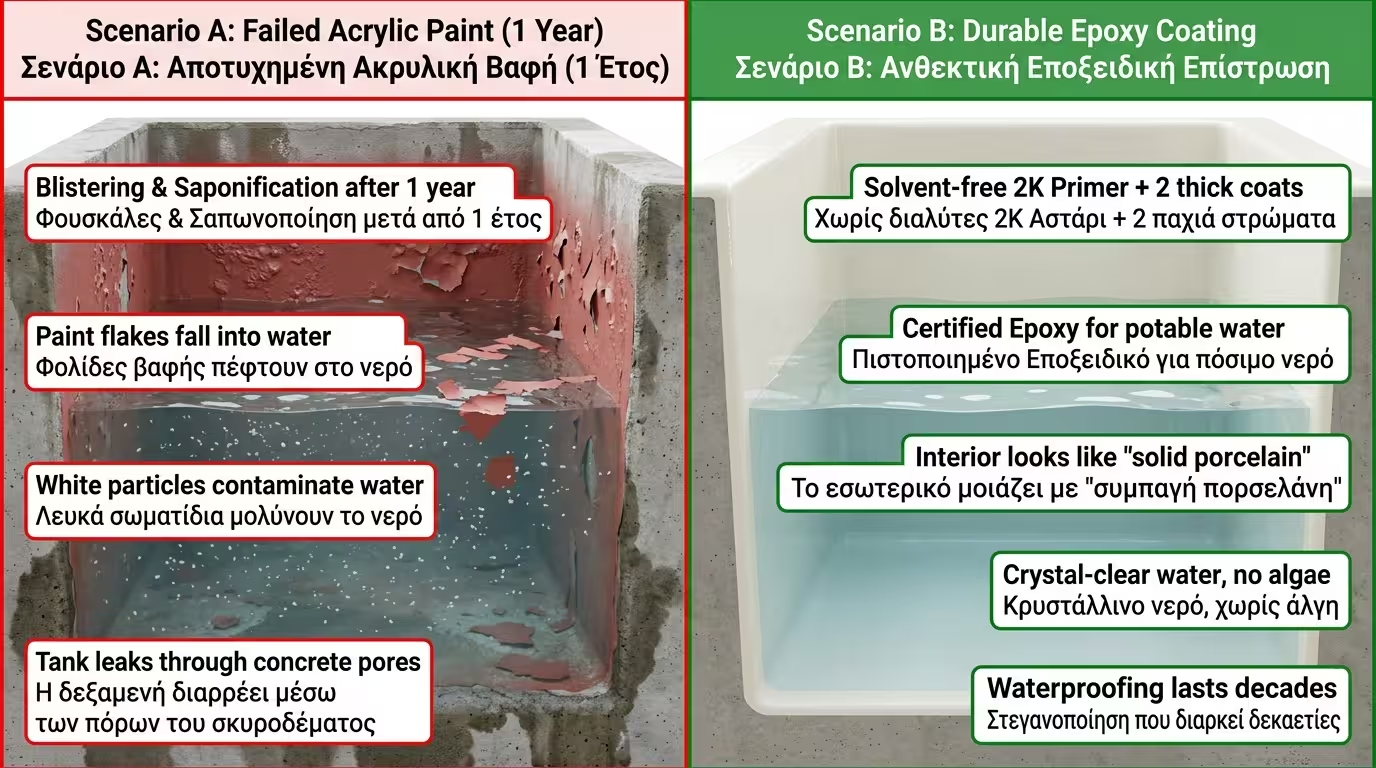
We built a concrete water-storage tank for our house.
The tradesman suggests a simple water-based acrylic pool paint. After a year permanently submerged, the paint "blisters" (saponification). It flakes, releases white particles into the water and, worst of all, the tank leaks through the concrete pores.
We grind the tank's interior. We apply a solvent-free 2-component epoxy primer followed by two thick coats of drinking-water-certified epoxy paint. The inside now resembles solid porcelain. The water stays crystal-clear, the walls don't grow algae and the waterproofing will last decades.
Final Verdict: Epoxy systems don't forgive mistakes, moisture or poor concrete. But when applied correctly on stable surfaces, they create the hardest, most chemically resistant and hygienic "shield" that industry has ever discovered.
Return to category.
Go to categoryReturn to the central guide.
Go to guide