Internal Insulation with Plasterboard: Step-by-Step Construction - Materials & Techniques

The most widespread, reliable and "clean" method for insulating a wall internally is dry-lining (plasterboard). Beyond top-tier thermal and acoustic insulation, it delivers a brand-new, perfectly level, smooth wall ready for painting-while concealing cables and pipes.

Whether you plan to do the work yourself (DIY) or supervise a contractor, these are the 6 strict steps that must be followed for a truly professional, moisture-free result.

1. Layout, Tracks & Studs (Steps 1 & 2)

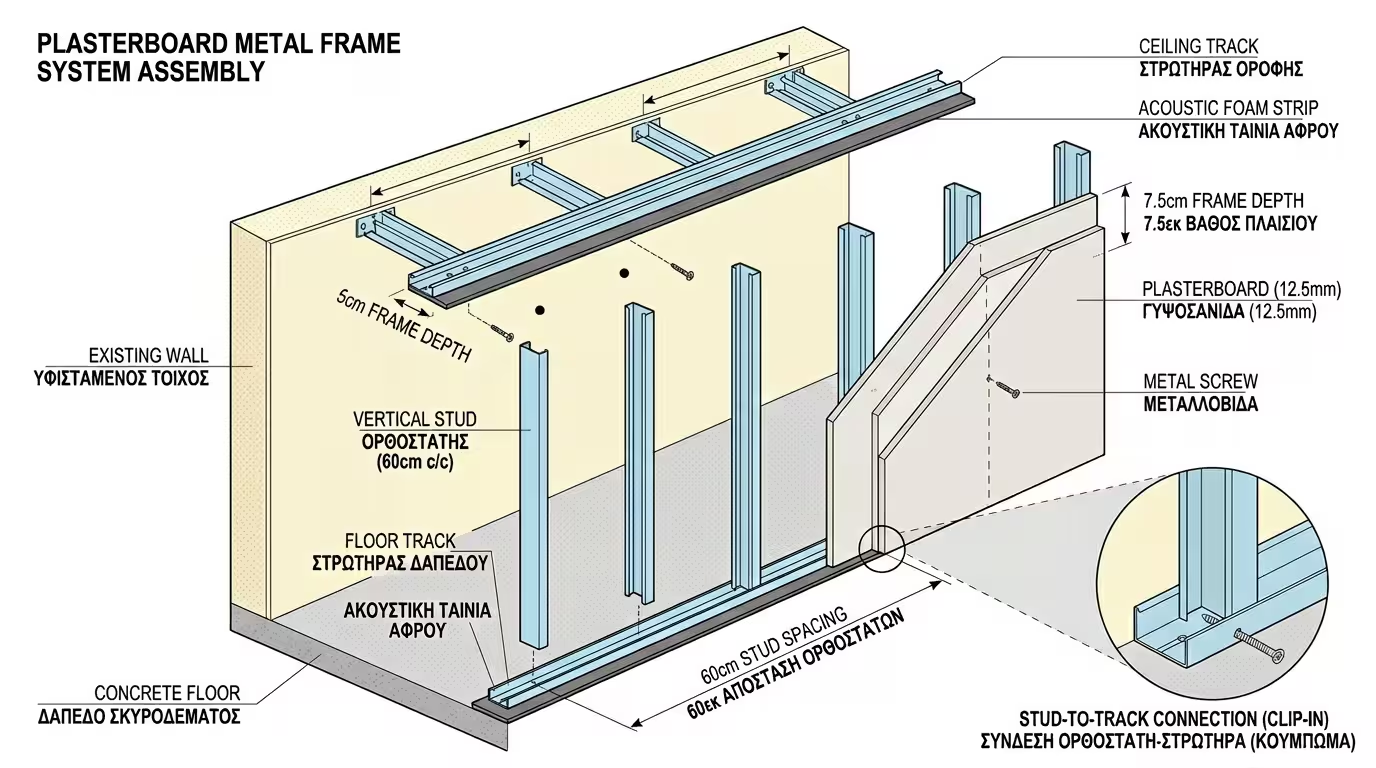
Everything starts with proper alignment. Using a laser level, mark the floor and ceiling line where the new wall will stand. The gap between the old wall and the new plasterboard determines the insulation thickness.

Metal stud frame - tracks and studs for plasterboard

1️⃣ Perimeter Tracks

Screw U-shaped metal tracks into the floor and ceiling. Tip: Before fixing the tracks, stick a special foam acoustic strip to their base. This prevents vibration transfer to the structure and helps seal micro-gaps that would otherwise create cold bridges.
2️⃣ Vertical Studs

"Clip" the vertical metal profiles (C-studs) into the tracks every 60cm (this equals half a standard plasterboard width of 120cm, so every board edge lands on a stud). The studs are not tightly screwed - they float to allow micro-movements. The stud depth is determined by the desired insulation thickness (typically 5cm or 7.5cm).

2. Insulation & Vapour Barrier (Steps 3 & 4)

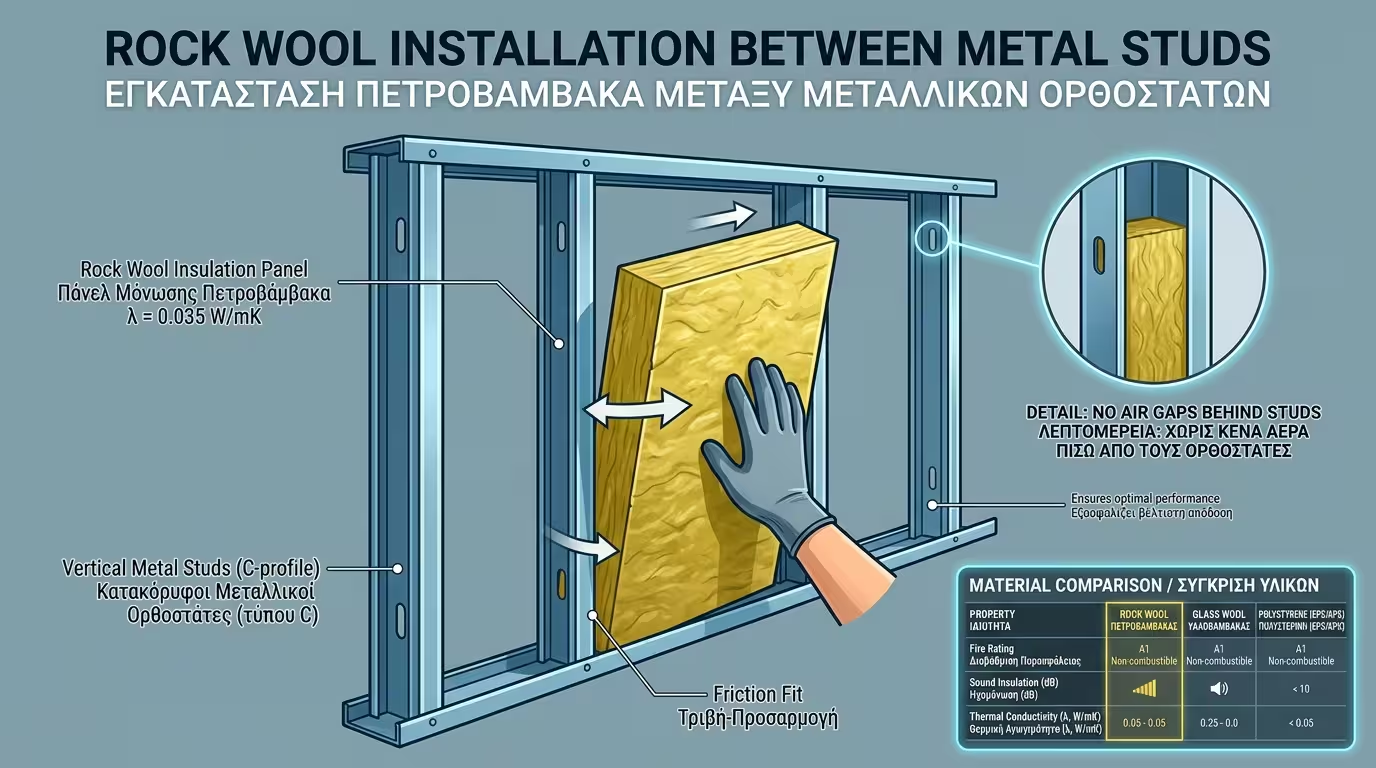
This is the heart of the system. In the gaps between studs, we install the insulation - rock wool or glass wool are the top choices.

Installing rock wool between metal studs

🪨 Why Mineral Fibre

It wedges perfectly between studs with no air gaps, offers top-tier sound insulation and is completely non-combustible (Class A1 fire rating). The material must cover the entire surface of the old wall, with no gaps behind the studs. Even the smallest uncovered patch creates a thermal bridge.

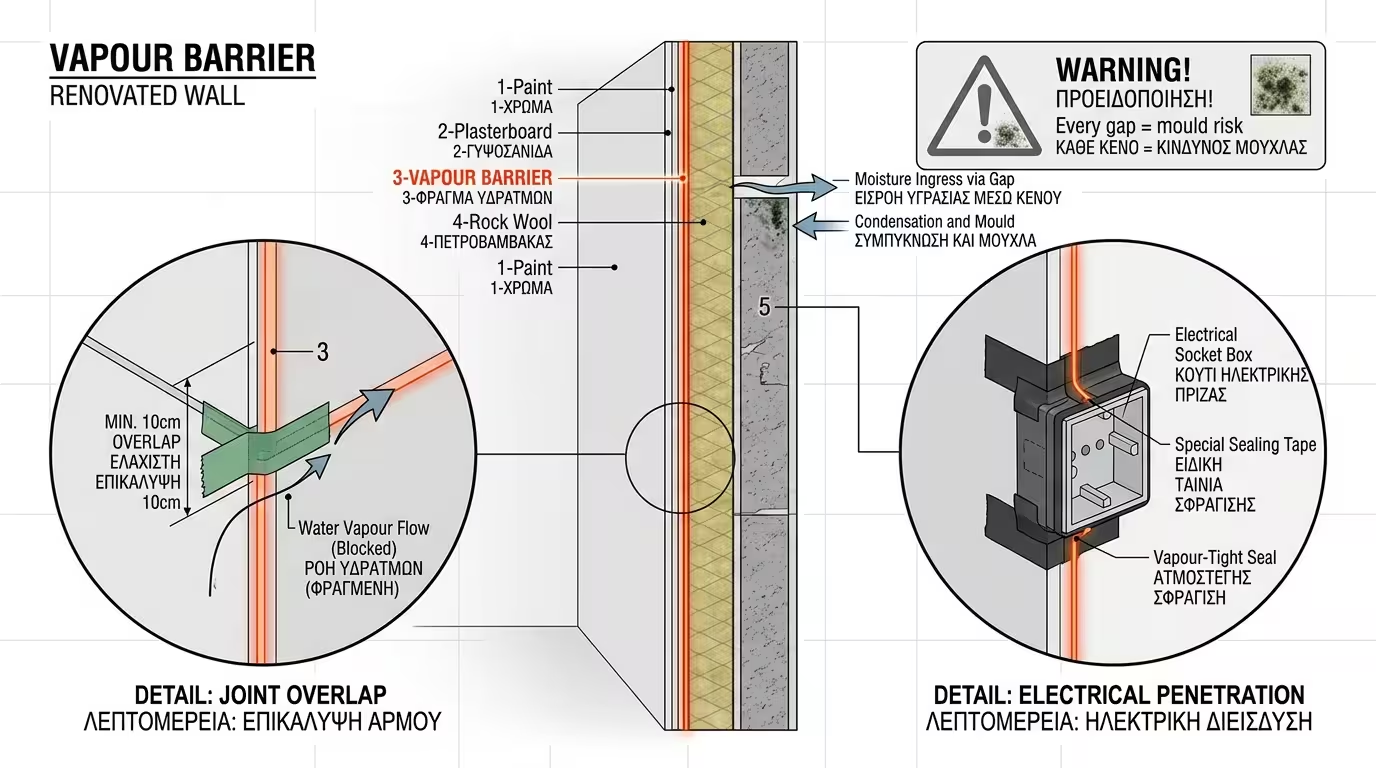
If you skip this step, your insulation risks rotting within a few years. This is the most critical detail that many tradespeople "forget" or skimp on.

Installing vapour barrier on the warm side

🛡️ Vapour Barrier

Over the rock wool (on the room side), a special nylon membrane is stretched. It stops the warm, moist room air from entering the insulation, travelling through the rock wool, hitting the frozen old wall, and condensing into water. Every single joint and every cable/socket penetration must be hermetically sealed with special adhesive tapes. A single gap is enough to ruin the entire system.

3. Plasterboard Fixing & Finishing (Steps 5 & 6)

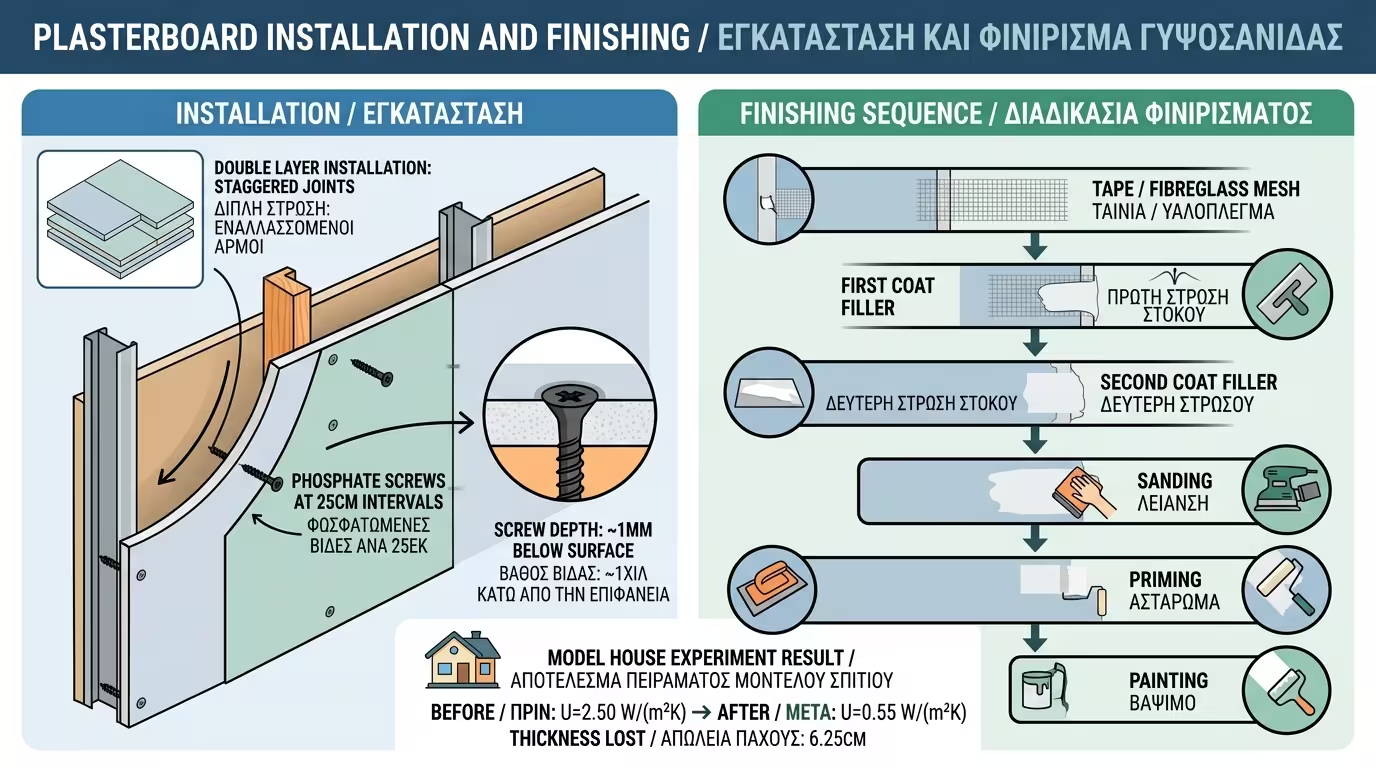
Plasterboard sheets are screwed onto the metal frame with phosphate screws every 25cm.

Jointing plasterboard - final finish

🔧 Fixing the Boards

Plasterboard sheets are screwed onto the metal studs with phosphate screws every 25cm. Tip: If you want the wall to bear heavy loads (a wall-mounted TV, kitchen cabinets) or achieve top-tier soundproofing, choose double plasterboard (two layers with staggered joints).

🎨 Jointing & Finishing

Self-adhesive paper tape or fibreglass mesh is applied to every joint, followed by 2–3 coats of filler. Once dry and sanded smooth, the wall becomes perfectly flat and even. All that remains is priming and painting - you now have a brand-new, level wall!

📐 The 10x10 Model Experiment: We take the north-facing bedroom wall of our digital house (U=2.50 W/(m²K)). We build a dry-lining system: 5cm metal frame + 5cm rock wool + single plasterboard 1.25cm. Total thickness lost: just 6.25cm from the room. New U-Value: approximately 0.55 W/(m²K) - a dramatic improvement. The room now heats in half the time and the bed next to the wall is finally comfortable and warm, no longer feeling like sleeping next to a refrigerator.

Related Articles

Insulation Systems: Complete Solutions for Every Building

Return to category.

Go to category

Preview