✅ Option A - XPS
Bond XPS boards directly to the waterproofed concrete (they never absorb water) and render with mesh (like ETICS).
Trying to stop water from the inside of a wall is perhaps the greatest challenge in construction. To understand why, you need to know the term "Negative Pressure".
When we insulate a basement from outside, groundwater pushes the coating onto the wall (positive pressure). When we insulate from inside, the water already in the concrete pushes to peel the material off (negative pressure). If you simply paint the wall or apply tar, water pressure will create "blisters" and the material will burst within months.
Since simple membranes can't hold the water, we use science. The solution is called Cementitious Crystalline Waterproofing.
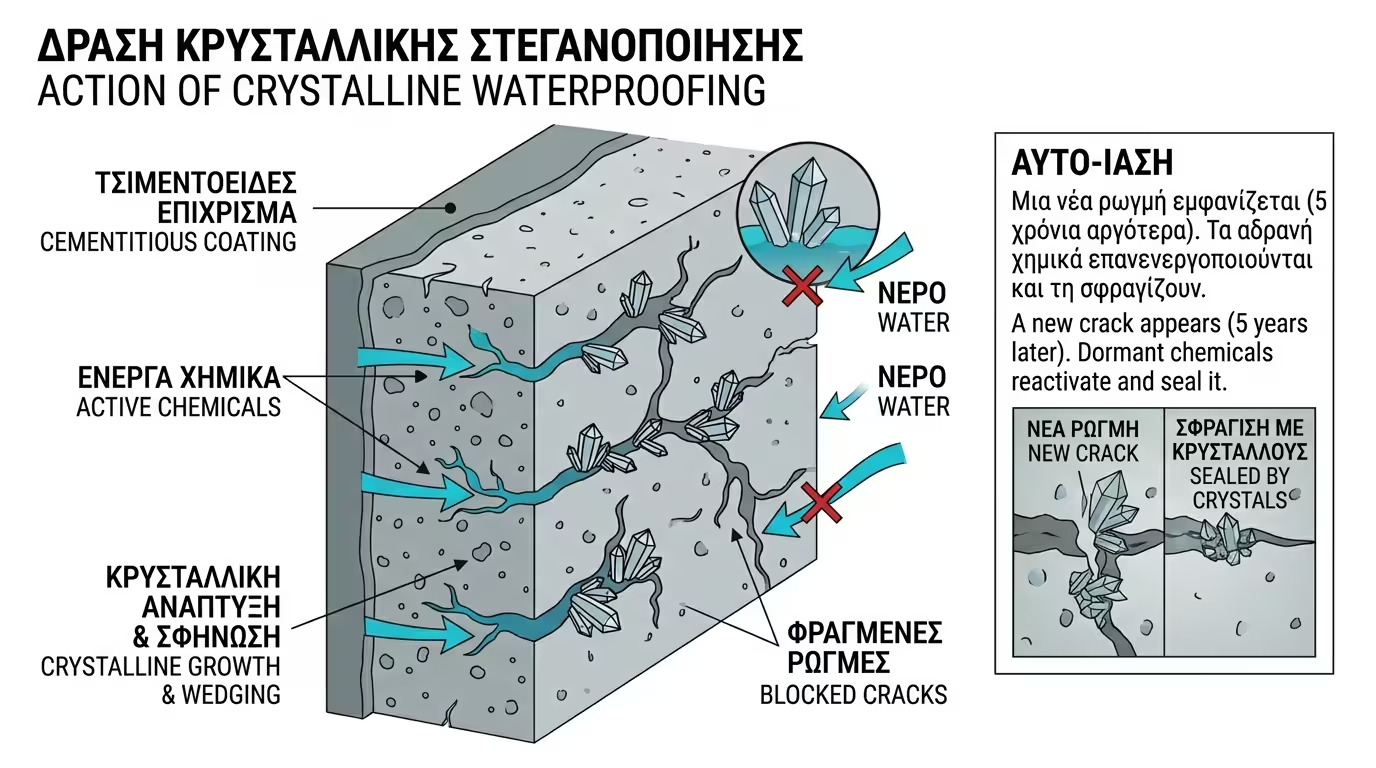
These materials look like grey mud (cement) that you brush onto bare concrete. Their secret? They don't just sit on the surface. They contain active chemicals that penetrate deep into the concrete pores. When these chemicals meet moisture, they react and form insoluble crystals.
The most impressive part? If a new crack appears 5 years later and water enters, the dormant chemicals in the wall wake up, reactivate and create new crystals to seal it!
Once the wall is bone dry thanks to the crystals, insulation is next (because the basement is still freezing).
The big mistake: Many build a stud frame, stuff it with rock wool and close with plain plasterboard. If even a trace of moisture gets through in the future, it's trapped behind the plasterboard, the rock wool rots and the room fills with dangerous, invisible black mould.
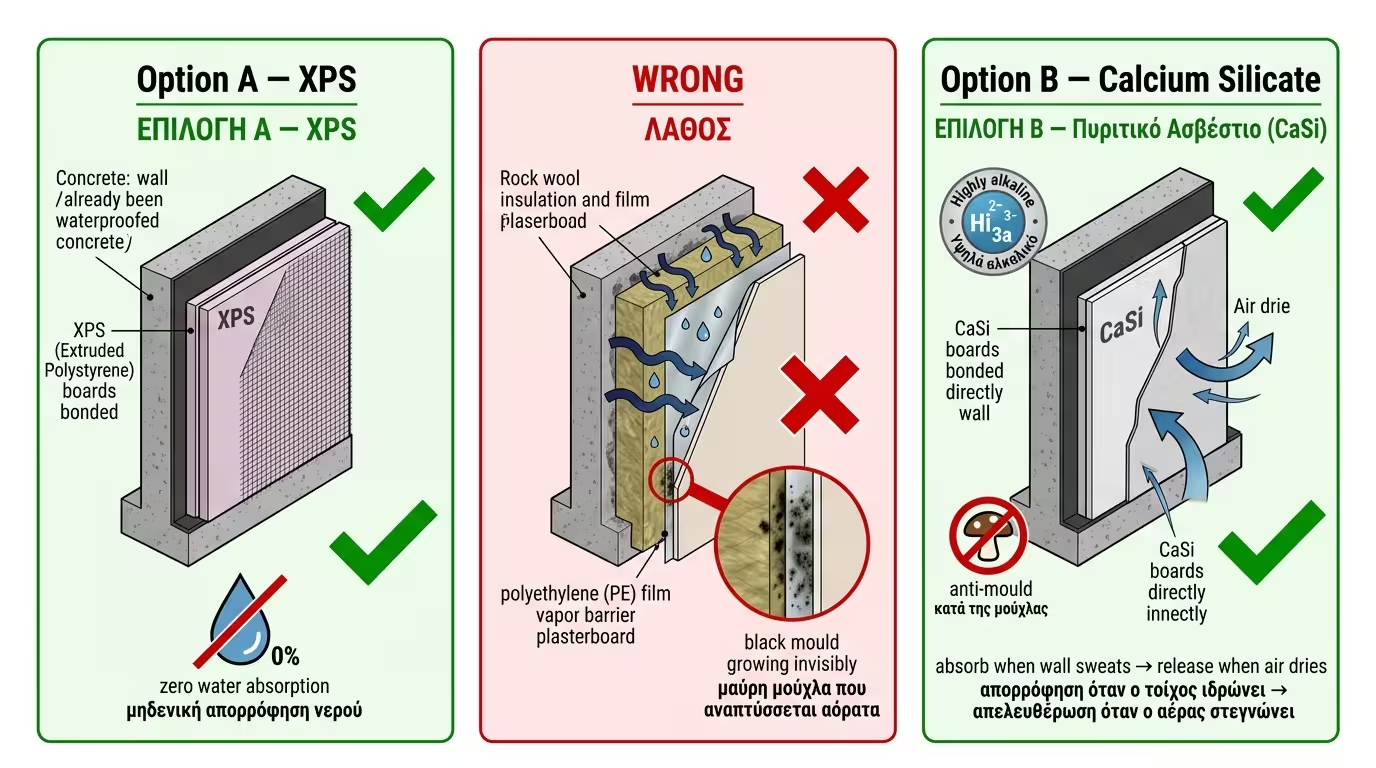
Bond XPS boards directly to the waterproofed concrete (they never absorb water) and render with mesh (like ETICS).
Specialised boards that act as regulators: if humidity rises, they absorb it and release it slowly into the room air when it dries. They're highly alkaline, completely preventing mould.
Our old basement faces the street, so we can't dig. We want to turn it into a playroom.
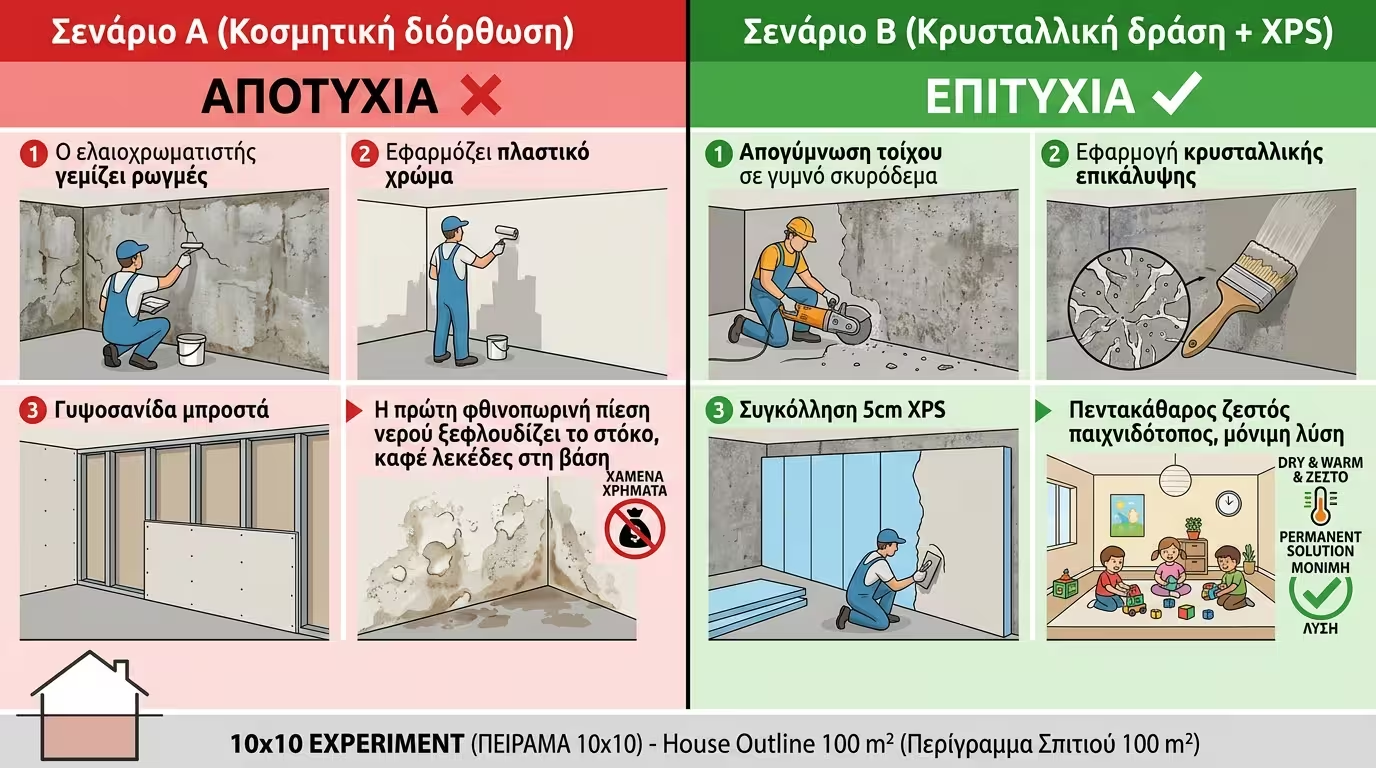
We hire a painter. He fills the cracks, applies a "strong" plastic paint and covers it with basic plasterboard. Come autumn, water pressure peels the filler behind the board. In winter the room smells heavy, and by spring the plasterboard shows brown stains at the base. Money wasted.
We strip the wall to bare concrete. Apply crystalline cementitious coating. Leave it a few days, spraying it with water (the crystals need moisture to activate). The wall becomes hard and bone dry. Bond 5cm XPS and render. The playroom is spotless, warm, odourless, and the solution is permanent - without touching a single pavement tile outside!
The Final Conclusion: External excavation (if feasible) will always be the "King" of protection. But if your hands are tied, internal negative-pressure waterproofing is the ultimate "Plan B". It requires meticulous stripping and specialised materials, but it transforms a useless, unhealthy space into a perfect, liveable room.
Return to category.
Go to categoryReturn to the central guide.
Go to guide