
How ETICS (External Insulation) "Eliminates" Thermal Bridges

When engineers across Europe realised that buildings were losing enormous amounts of energy from columns and beams (thermal bridges), they understood that the traditional building method (the "sandwich" insulation between bricks) was now outdated. They had to find a way to protect the entire skeleton of the building simultaneously.

The solution that dominated worldwide goes by the acronym ETICS (External Thermal Insulation Composite System), known in Greece simply as External Insulation or Thermoprosopsi. Let us see why it is the ultimate thermal bridge killer.

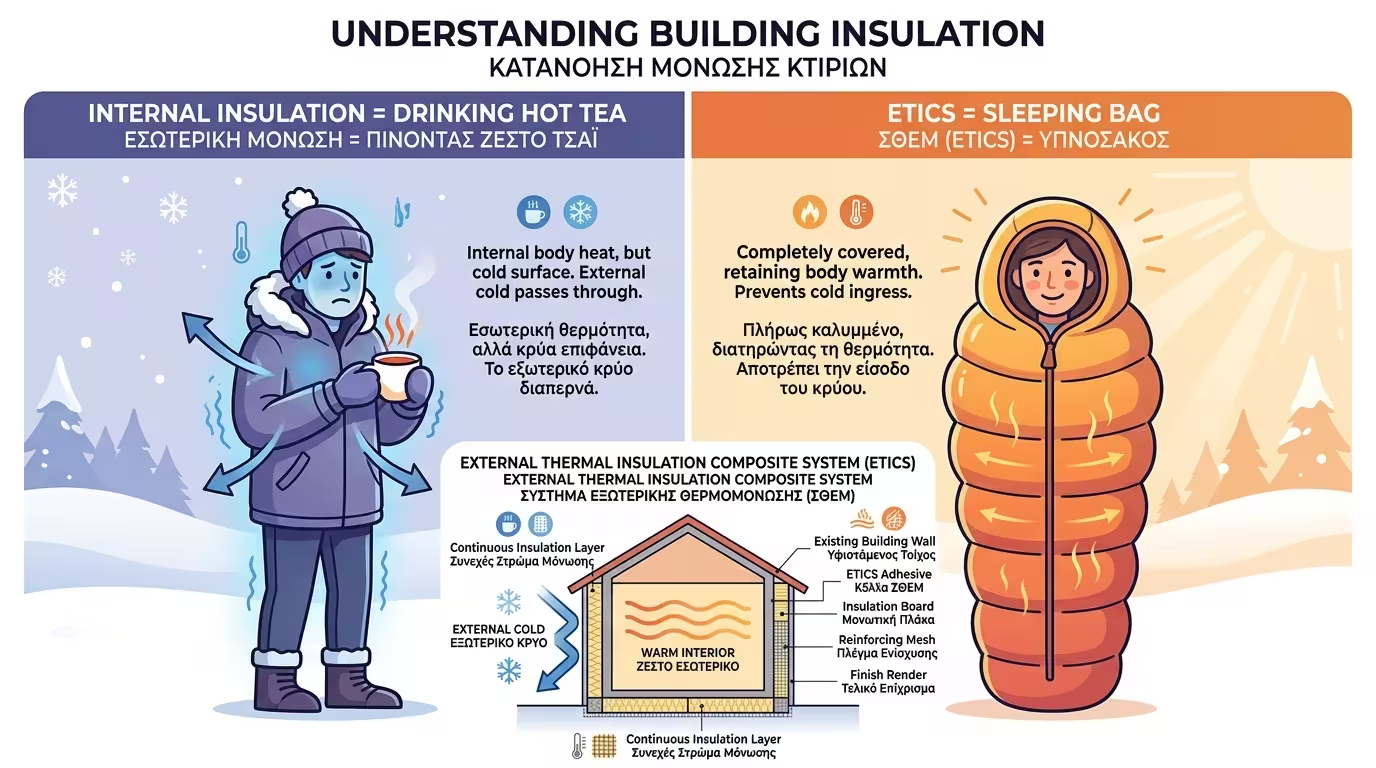
1. The "Sleeping Bag" Logic

Imagine your house as a person in winter. If you do internal insulation, it is like swallowing hot tea: you warm up inside, but your skin (the external walls) remains freezing.

ETICS works entirely differently. It takes the insulation boards (polystyrene, rock wool, etc.) and glues them to the external, exposed side of the building. The house is "dressed" entirely, from foundations to roof.

ETICS - sleeping bag logic for building insulation

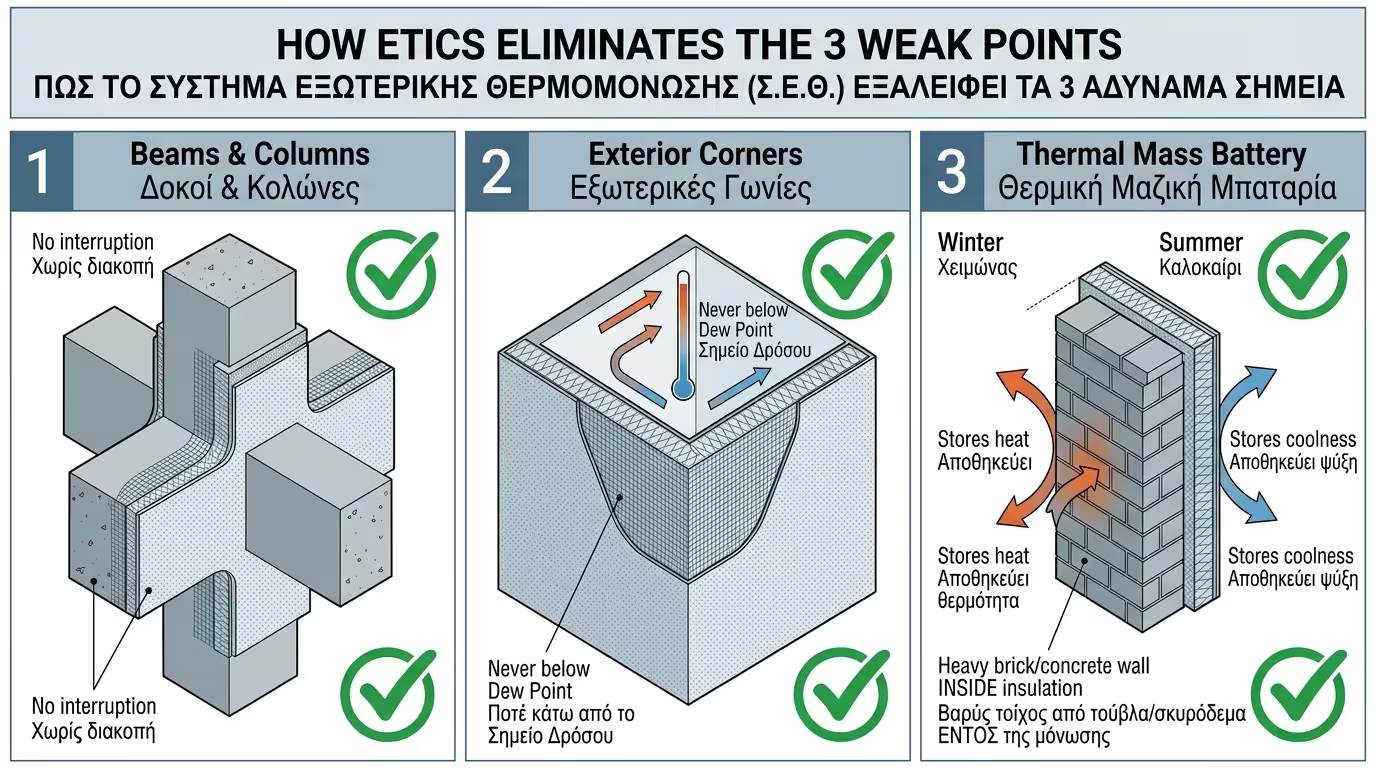
2. How Does It Eliminate the 3 Weak Points?

Let us see how ETICS tackles the "criminals" mapped in the previous article:

ETICS eliminates thermal bridges - beams, columns, corners

🏗️ Concrete Beams and Columns

Because insulation goes on the outside, it passes over bare columns and beams without any interruption. The freezing concrete no longer comes into contact with cold air. It takes on your living room temperature! The thermal bridge is cut clean.
📐 Exterior Corners

ETICS "hugs" the building's corners, creating a thick shield. The brick at the corner no longer cools, so it never falls below the Dew Point. Black mould in corners becomes definitively a thing of the past.

🔋 Mass Protection (The "Battery")

As we saw in the Thermal Capacity article, by leaving the heavy walls (bricks/concrete) inside the insulation envelope, you turn them into enormous thermal batteries that keep the house warm in winter and cool in summer.

3. The "Thorn" of Existing Balconies

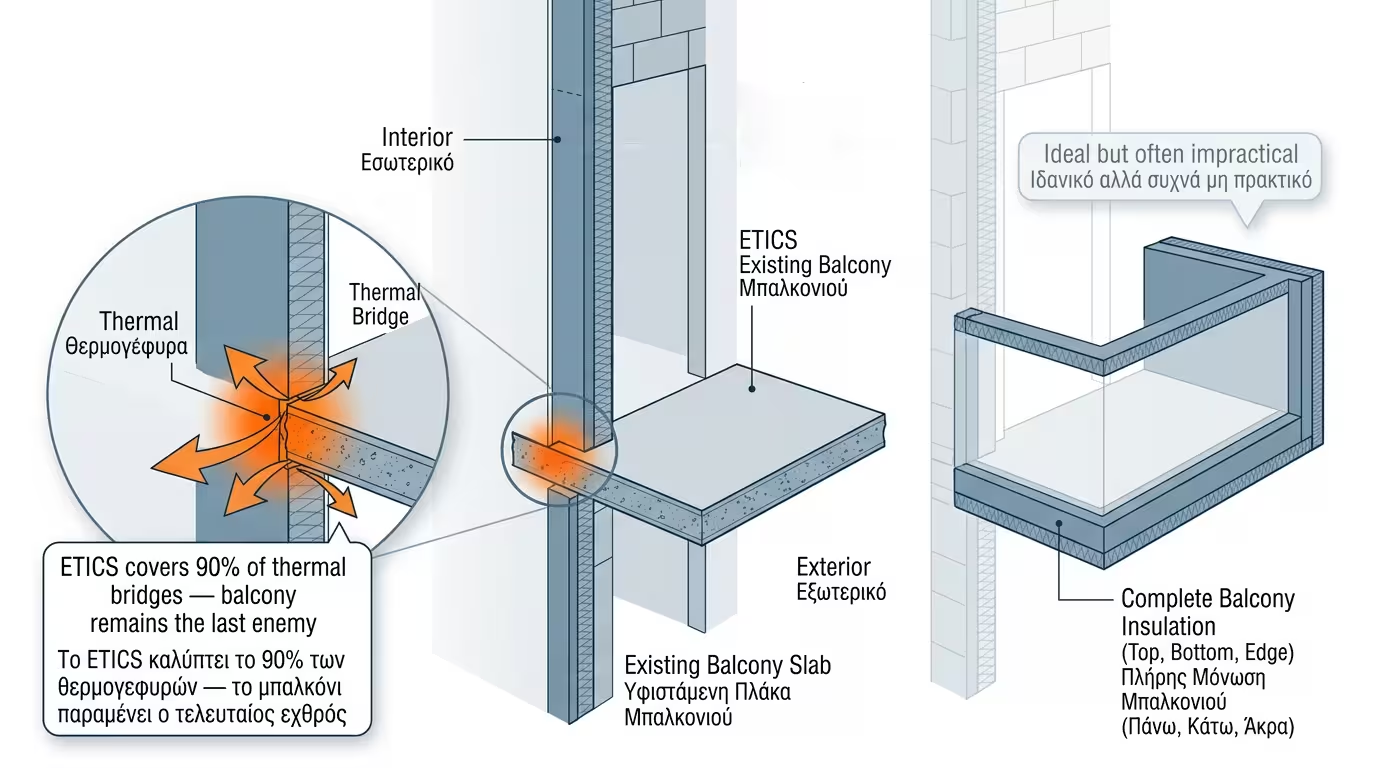
Here we must be absolutely honest. ETICS is miraculous, but in existing, old buildings, balconies remain the "last enemy".

Because the balcony slab protrudes, the thermal facade meets an obstacle. To "kill" the balcony thermal bridge with ETICS you would need to insulate the balcony from above, below and on the edge (which is often impractical due to cost and floor height). ETICS usually terminates above and below the balcony slab, leaving a small leak. However, it still covers 90% of the building's total thermal bridges.

Balconies - last enemy in ETICS

4. The 10x10 Model Experiment

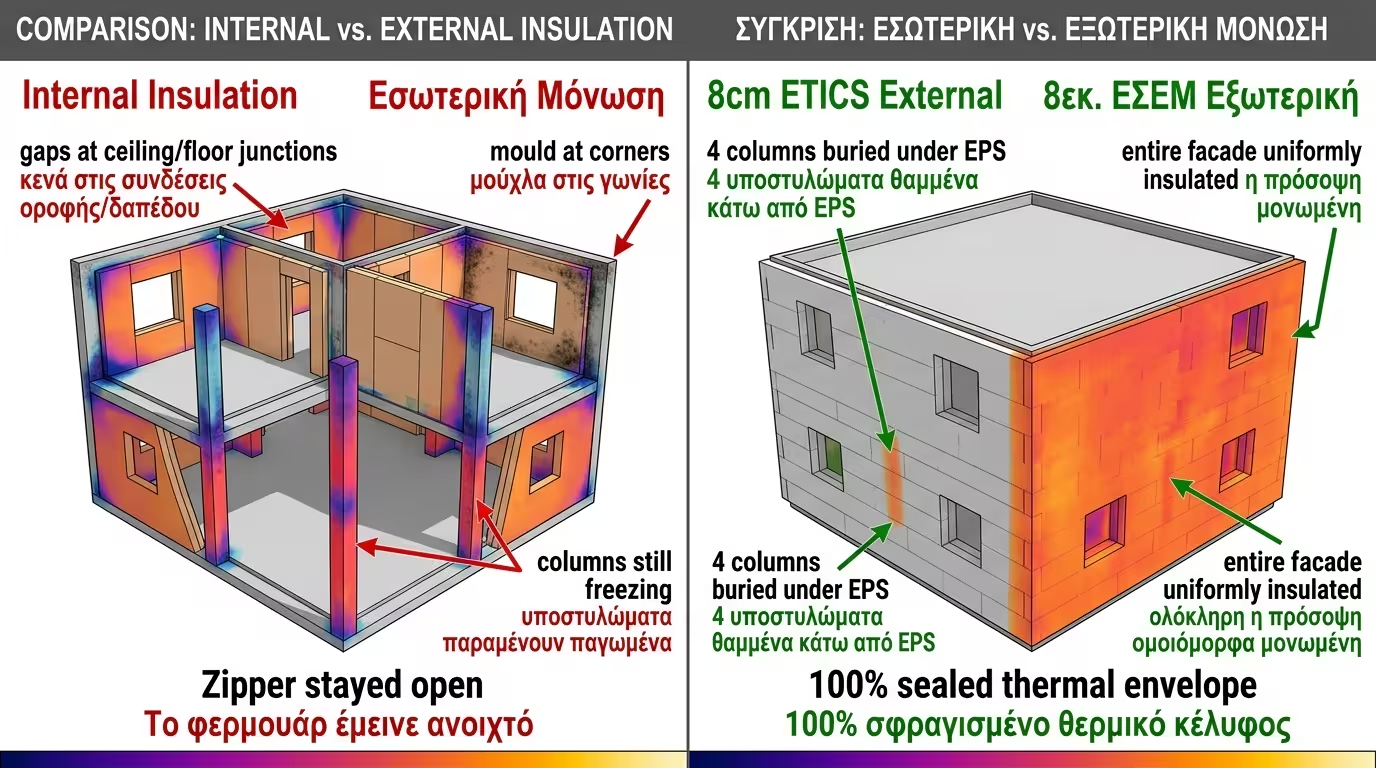
10x10 experiment - internal vs external ETICS insulation

We decide to insulate our digital house, which has 4 concrete columns at the corners.

❌ Scenario A: Internal Insulation with Plasterboard

We place insulation from the inside. The air warms, but the corner columns remain freezing on the outside. Where internal insulation meets ceiling and floor, gaps form. The first winter, heat "escapes" from there and the joints grow mouldy. The zipper stayed open.

✅ Scenario B: 8cm ETICS on the outside

The technician glues the panels all around the exterior. The 4 columns are "buried" under 8cm of EPS. The house now works like a huge thermos. No corner cools, no condensation droplet forms internally. The thermal envelope is 100% sealed!

💡 Final Conclusion: External Insulation (ETICS) is not just "a way" to insulate; it is the only scientifically correct way to truly protect a concrete building, minimising thermal bridges. It is the investment that makes the biggest difference to your home's comfort and health.

Related Articles

Thermal Physics & Calculations: From Theory to kWh and Euros

Return to category.

Go to category

Preview