
Smart Thermostats: How Much Electricity Do They Save in a Well-Insulated Home?

A well-insulated home (or Passive House) reacts very slowly to temperature changes. It takes a long time to cool down, but also a long time to warm up. A traditional On/Off thermostat (that simply switches the boiler on and off) cannot manage this inertia. The result is constant temperature "swings" (from 19°C to 22°C and back), wasting enormous amounts of energy.

Smart Thermostats are not simply remote controls on your phone. They are micro-computers that learn how your home behaves.

1. The PID Algorithm (Prediction and Smoothness)

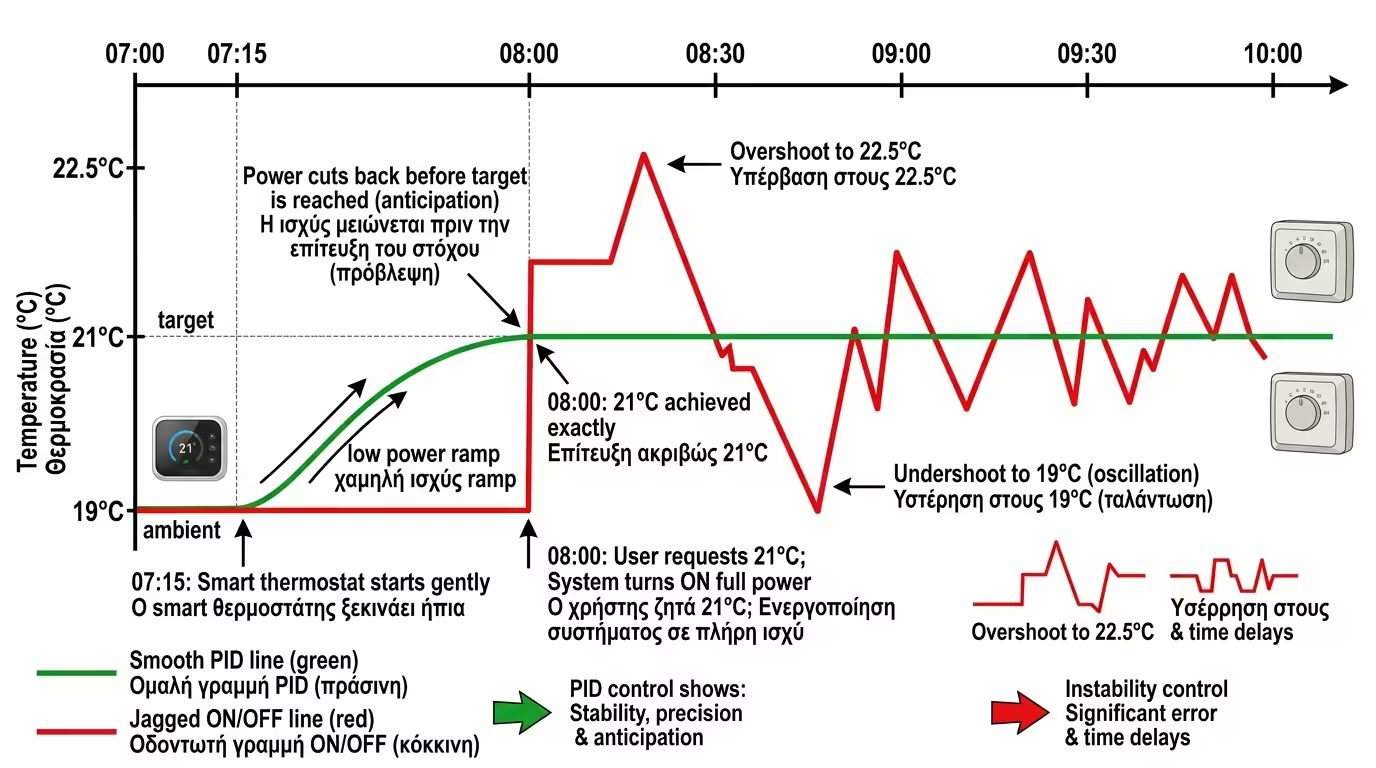
The old thermostat waits for the home to cool (e.g. to 19°C) before kicking in. The smart thermostat features a PID algorithm (Proportional-Integral-Derivative). What does this mean? It learns how long your home takes to warm up. If you ask for 21°C at 08:00, it won't fire up the boiler at 08:00. It will start gently at 07:15, so at exactly 08:00 you have the perfect temperature, without "revving" the machine (heat pump or gas boiler).

As the temperature approaches 21°C, it cuts the boiler's power before the target is even reached, because it knows the heat already produced in the radiators is enough to cover the rest!

PID algorithm - gentle start at 07:15, perfect 21°C at 08:00

2. Weather Compensation (Internet Connection)

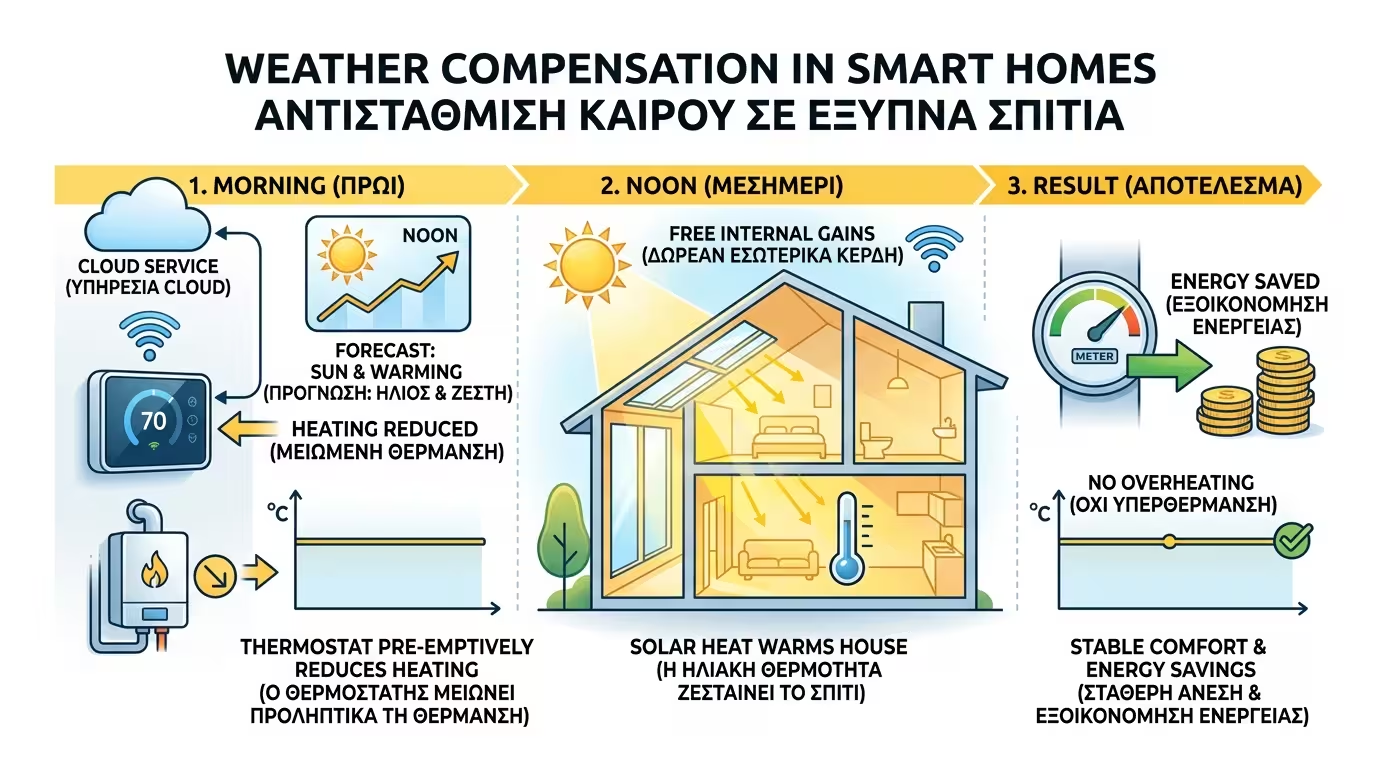
Instead of only looking at the living room temperature, the smart thermostat connects to Wi-Fi and "sees" the weather forecast for your area. If it knows that at noon a bright sun will come out and the outdoor temperature will rise sharply, it preventively lowers the heating from the morning! It knows the sun (internal gains) will take over heating the home for free through the south windows, preventing overheating.

Wi-Fi forecast - lowers heating before the sun comes out

3. Geofencing (It Knows When You're Away)

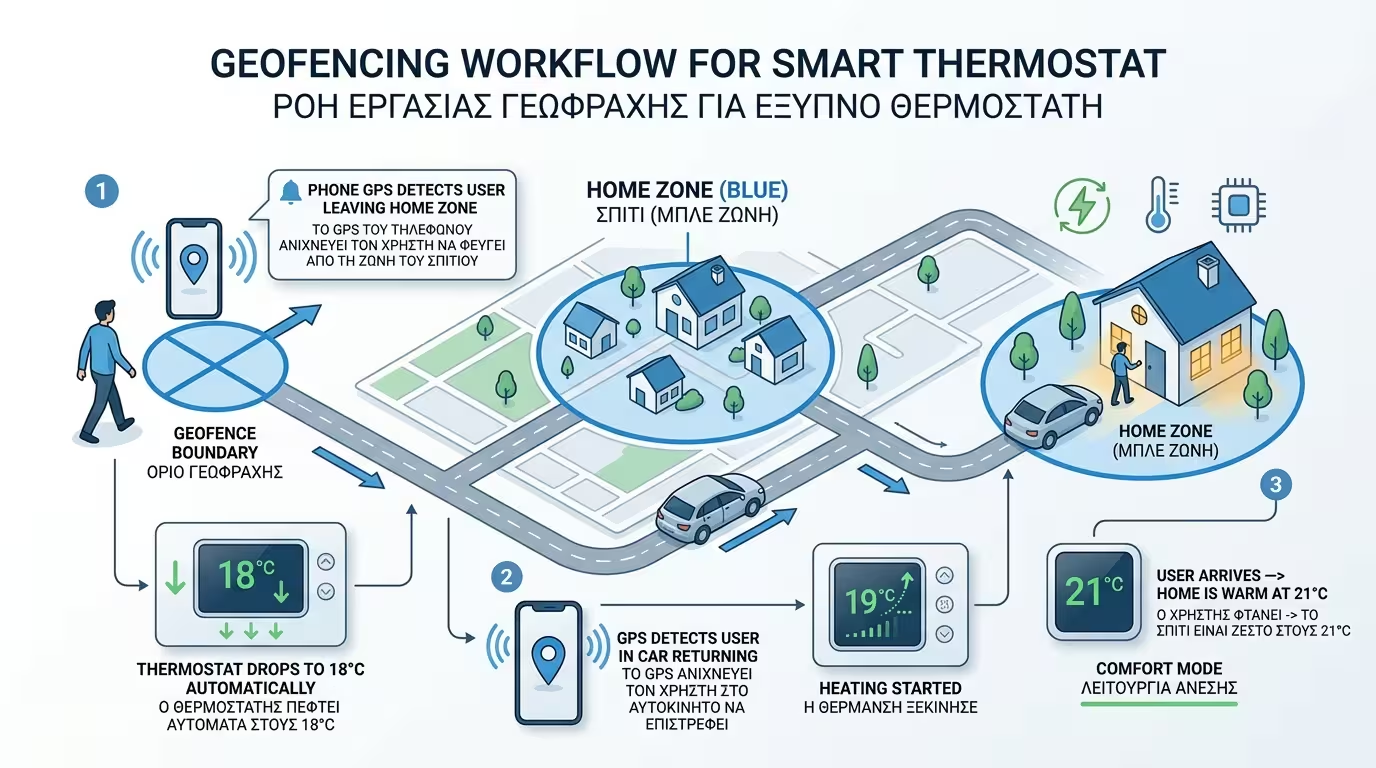
Via your phone's GPS, the thermostat detects when you move away from home (e.g. going to work) and automatically drops the temperature to 18°C. As soon as the GPS shows you've got into the car and are returning, it starts heating. You walk into a warm home without having to remember to flip switches.

Phone GPS - automatic heating adjustment based on location

4. The 10x10 Model Experiment (The Battle of Thermostats)

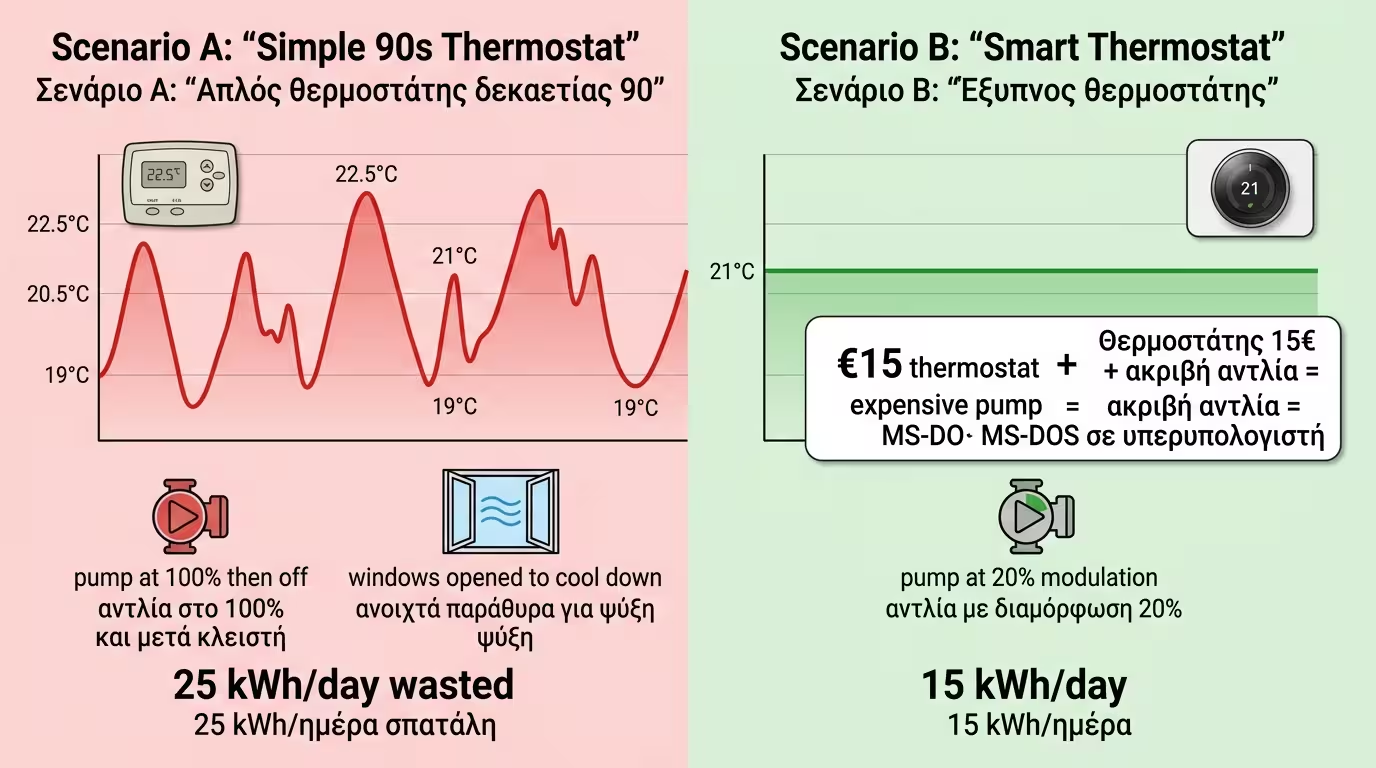
10x10 experiment - simple thermostat 25 kWh vs smart 15 kWh

Our perfectly insulated home has a modern heat pump. Outside it is 5°C.

❌ Scenario A (The Simple Thermostat)

We set the heat to 21°C. Temperature drops to 20.5°C. The thermostat "wakes up" and orders the pump: Give 100% power! The radiators blaze. The living room hits 21°C and the thermostat switches off. But the hot water already in the radiators keeps radiating! The living room goes to 22.5°C. We feel too hot, open a window, the heat escapes. A vicious waste cycle: 25 kWh per day.

✅ Scenario B (The Smart Thermostat)

The thermostat senses the temperature drop before we feel it. It doesn't order 100% power. It "talks" to the heat pump and says: Run at 20% of your power (modulation), just to maintain 21°C. The home temperature is an absolutely steady, flat line. No swings, no overheating. Consumption: 15 kWh per day!

The Final Conclusion: Connecting an expensive heat pump or condensing boiler to a simple €15 thermostat is like buying the fastest computer on the market and installing… MS-DOS. A €150-250 investment in a smart thermostat is the fastest payback move in the entire building (it typically pays for itself in the very first winter).

Related Articles

Ventilation, Airtightness & Real Consumption: Climate Control

Return to category.

Go to category

Preview