1️⃣ Temperature Rises
Fire hits the ceiling and the temperature rises. The plastic pipe begins to soften and melt.
In modern construction, most water supply and drainage pipes are made of plastic (PVC, polyethylene, polypropylene). These materials are excellent for water, but in a fire they become our worst enemy.
As soon as the room temperature reaches 100°C – 150°C, the plastic pipe softens. Shortly after, it melts, burns and disappears. The hole that was drilled in the concrete (or plasterboard) to pass the pipe is now left completely wide open. Fire finds an exit, climbs through the hole and passes to the floor above as if entering a chimney.
This process of turning a hole into a fire conduit must be prevented with Fire Stopping Systems.
For plastic pipes, the industry has created an engineering marvel: the Fire Collar.
It's a metal ring that is screwed into the ceiling (or wall), directly around the plastic pipe. Its secret lies inside, where there is a thick coating of intumescent graphite.
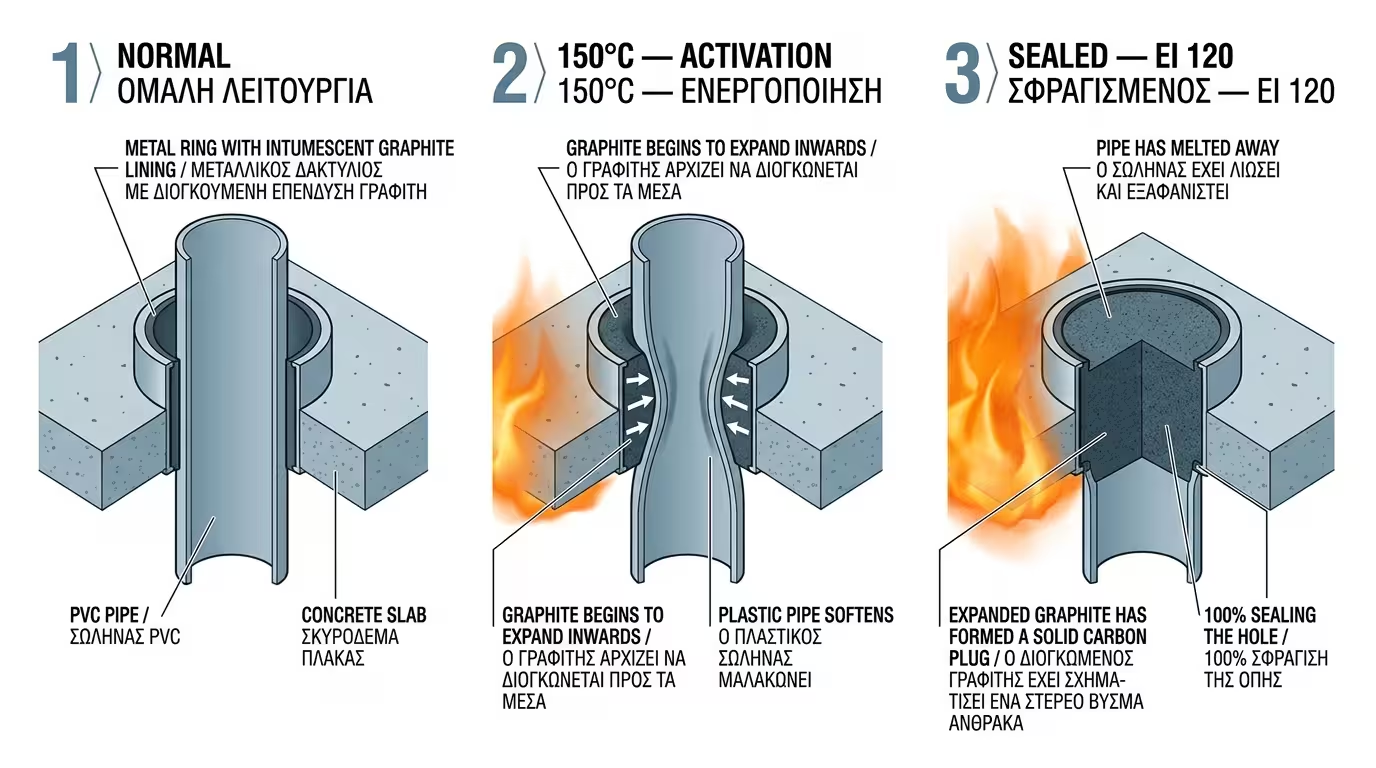
Fire hits the ceiling and the temperature rises. The plastic pipe begins to soften and melt.
Simultaneously, at 150°C, the intumescent material inside the collar "wakes up." It expands with tremendous force inwards (since the outer metal casing doesn't let it expand outwards).
As it swells, it crushes the softened plastic pipe like a press!
Within minutes, the pipe has disappeared and the collar's material has formed a solid, impenetrable carbon "plug" that seals 100% of the hole in the concrete, cutting off the path to flames and smoke for 120 minutes (EI 120)!
💡 Alternative – Fire Wrap: There is also the Fire Wrap alternative, which is the same intumescent material in a roll. It is wrapped around the pipe inside the slab hole and sealed with cement, doing exactly the same job without the outer metal casing.
If the pipe is metallic (copper, steel), it won't melt. So we don't need a collar to crush it. However, it creates another enormous problem: it conducts heat.
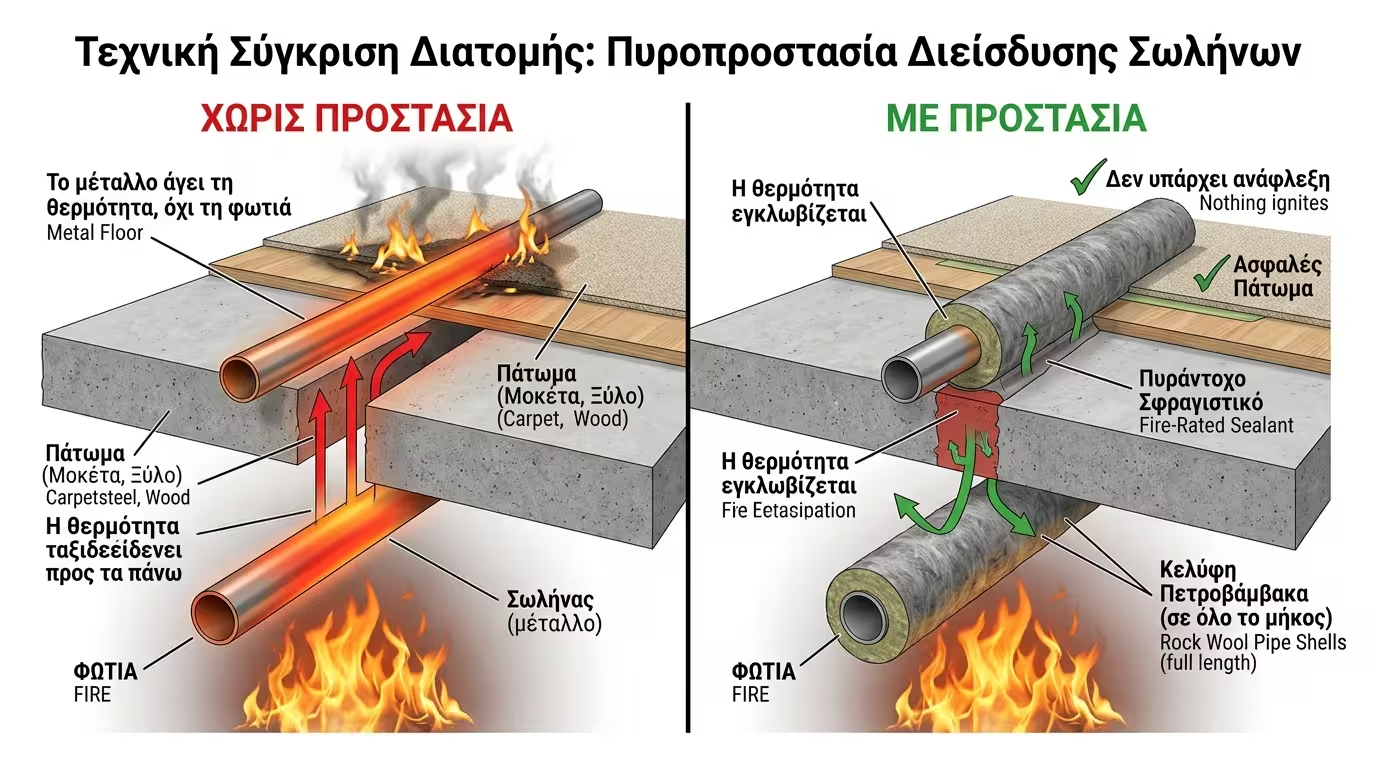
The fire below will turn the copper pipe red-hot (incandescent). The heat will travel through the metal and reach the floor above. If the glowing pipe touches a wooden floor, carpet or paper, it will ignite them!
We seal the gap around the pipe with fire-rated sealant/silicone to block smoke. We wrap the pipe (on both floors) with special rock wool pipe shells. This way, the heat is trapped inside the metal and cannot ignite surrounding materials!
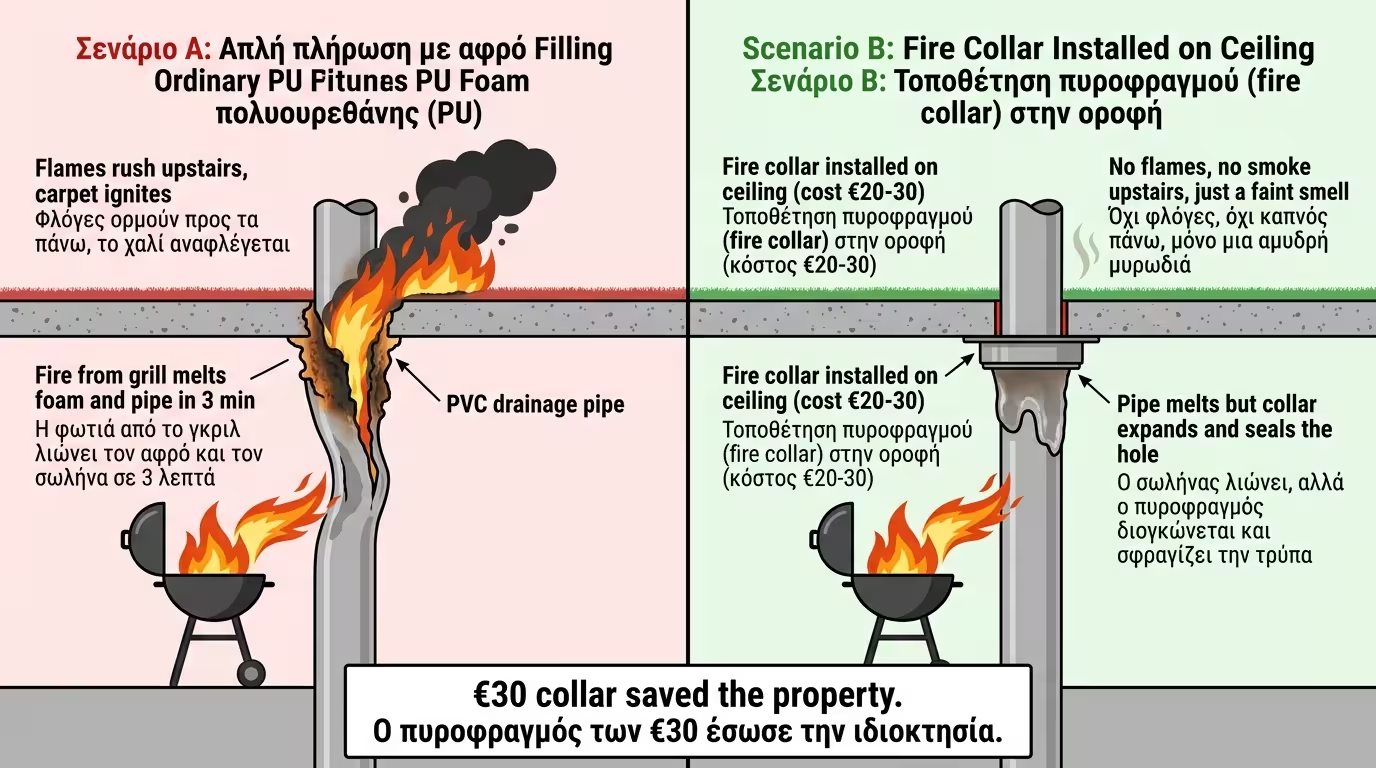
We're on the 1st floor. The drainage pipe (PVC Ø100) goes down to the ground floor, where a grill is operating. The grill catches fire.
The plumber left the plastic pipe bare and the hole around it filled with ordinary polyurethane foam. In 3 minutes, the foam and pipe melt. Flames from the grill rush through the hole. Our carpet on the 1st floor catches fire. Our home burns because of the downstairs neighbour.
We had insisted the plumber install a Fire Collar on the ground-floor ceiling (cost approximately €20–30). The grill ignites. The plastic pipe melts, but the collar reacts. It expands, crushes the plastic and "plugs" the slab hole. We smell a hint of burnt plastic, but no flames and no smoke enter our home. A €30 plug saved an entire property.
Final Takeaway: The best fire compartment in the world is useless if it has "holes." Plumbing pipes are the hidden killers in fire spread. No plastic pipe should penetrate a slab or fire-rated wall without wearing its intumescent "collar."
Return to category.
Go to categoryReturn to the central guide.
Go to guide