
Floating Floor for Drums: How to Play Drums in an Apartment Without Driving Your Neighbours Crazy (Tackling Low Frequencies)

There is a huge misunderstanding about drums in apartments, especially with electronic (e-drums). The drummer puts on headphones, all you hear in the room is a faint "tap-tap" on the rubber pads, and they believe they're silent.

The neighbour below, however, doesn't hear music. They hear every time the drummer's foot hits the kick pedal and the hi-hat pedal.

1. The Problem: Impact and Low Frequencies Through Concrete

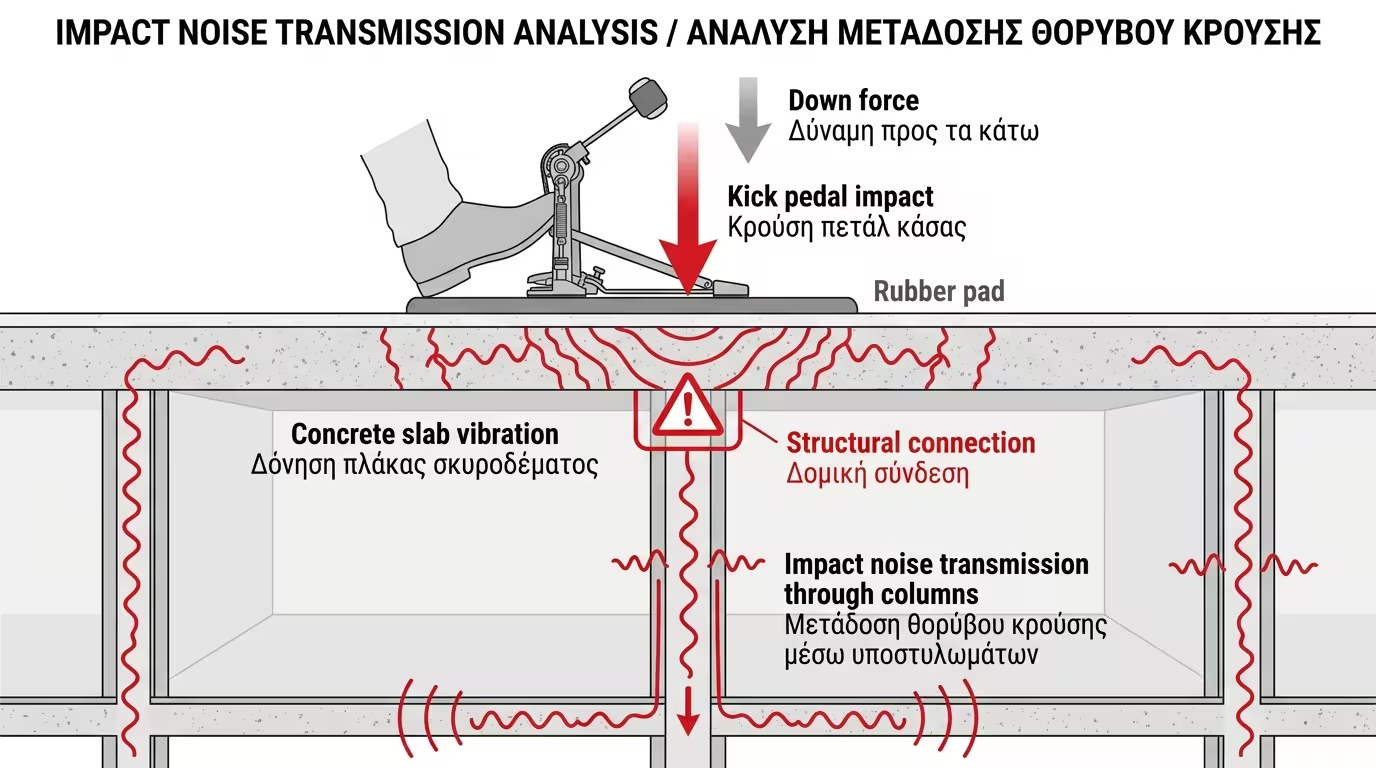
This noise is not airborne - it is purely impact noise with enormous energy in the low frequencies. Every pedal strike transfers all its mechanical force straight into the floor, vibrates the concrete slab and the sound multiplies through the building's columns. It is like rhythmically hammering the floor with a mallet.

Neither carpets, nor foam sheets, nor gym mats (yoga mats) can stop this weight and vibration. You need Decoupling.

Impact noise from drums: the pedal strike transfers through concrete to the floor below

2. The Solution: A Local Floating Floor (Drum Riser) - Step by Step

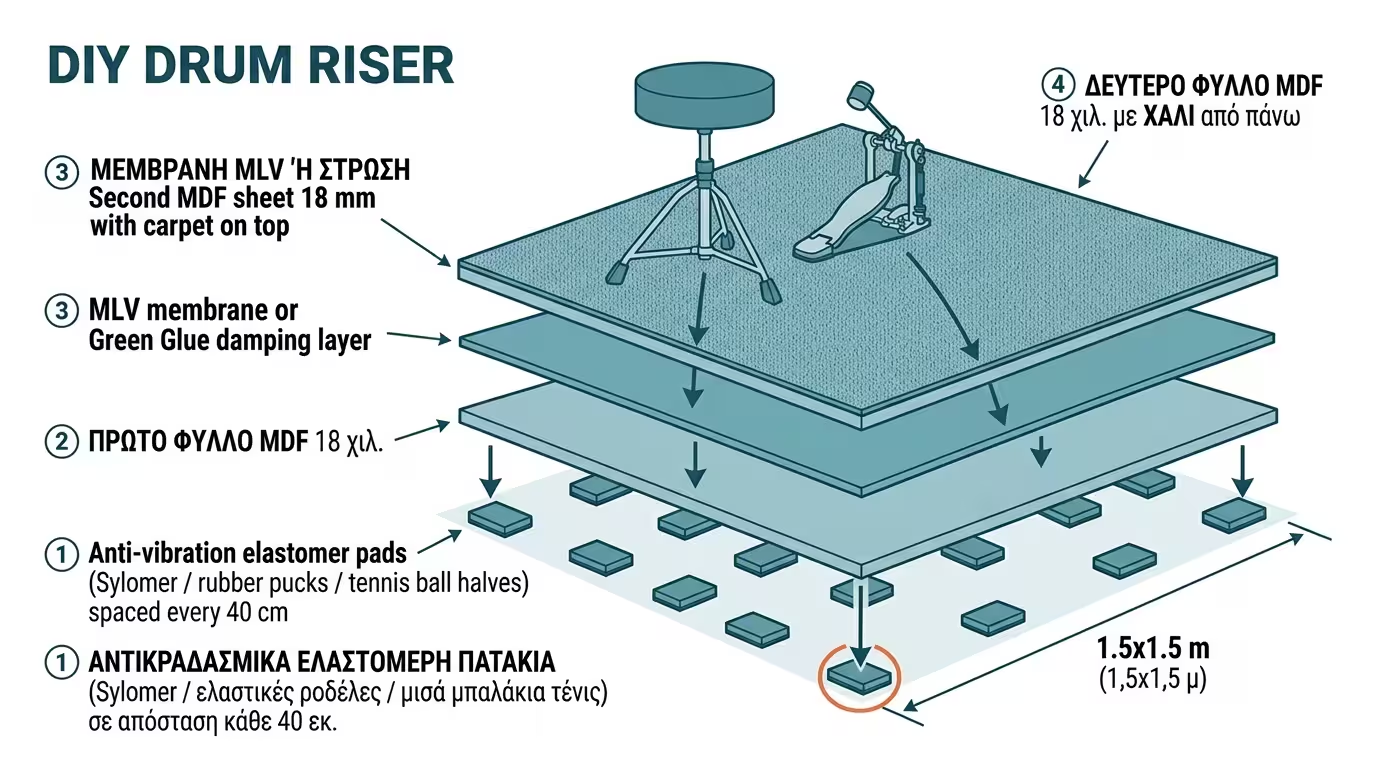
Instead of ripping up the entire room floor for a floating floor (as we saw in Category D), you build a small, independent platform only for the area occupied by the drums and your stool (usually 1.5 × 1.5 metres).

This platform is a "Mass-Spring-Mass" system turned horizontal:

Drum Riser: floating platform 1.5×1.5 m with MDF, MLV and anti-vibration pads

1️⃣ The "Spring" (The Shock Absorbers)

Anti-vibration materials go at the base of the platform. Be careful - don't use a single soft sponge because the riser will… rock like a boat while you play! We use specialist elastomer pads (e.g. Sylomer, rubber pucks, U-boats or even… tennis balls cut in half for a more DIY approach) placed at strategic points (e.g. every 40 cm).
2️⃣ The "Mass" (The Heavy Platform)

A heavy surface sits on top of the pads. Ideally, we use two sheets of thick MDF (e.g. 18 mm each) or marine plywood.

3️⃣ The "Damper" (The MLV)

For the ultimate result, between the two MDF sheets we place a mass-loaded vinyl (MLV) membrane or specialist damping compound (Green Glue). This makes the wooden platform "dead" (it doesn't resonate).

4️⃣ The Top Surface

On top we place a carpet or a heavy rug to stop the pedals and drum stands from sliding.

3. Realistic Expectations: Electronic vs. Acoustic Drums

This platform is a mechanical marvel, but you need to know what it can and what it CANNOT do:

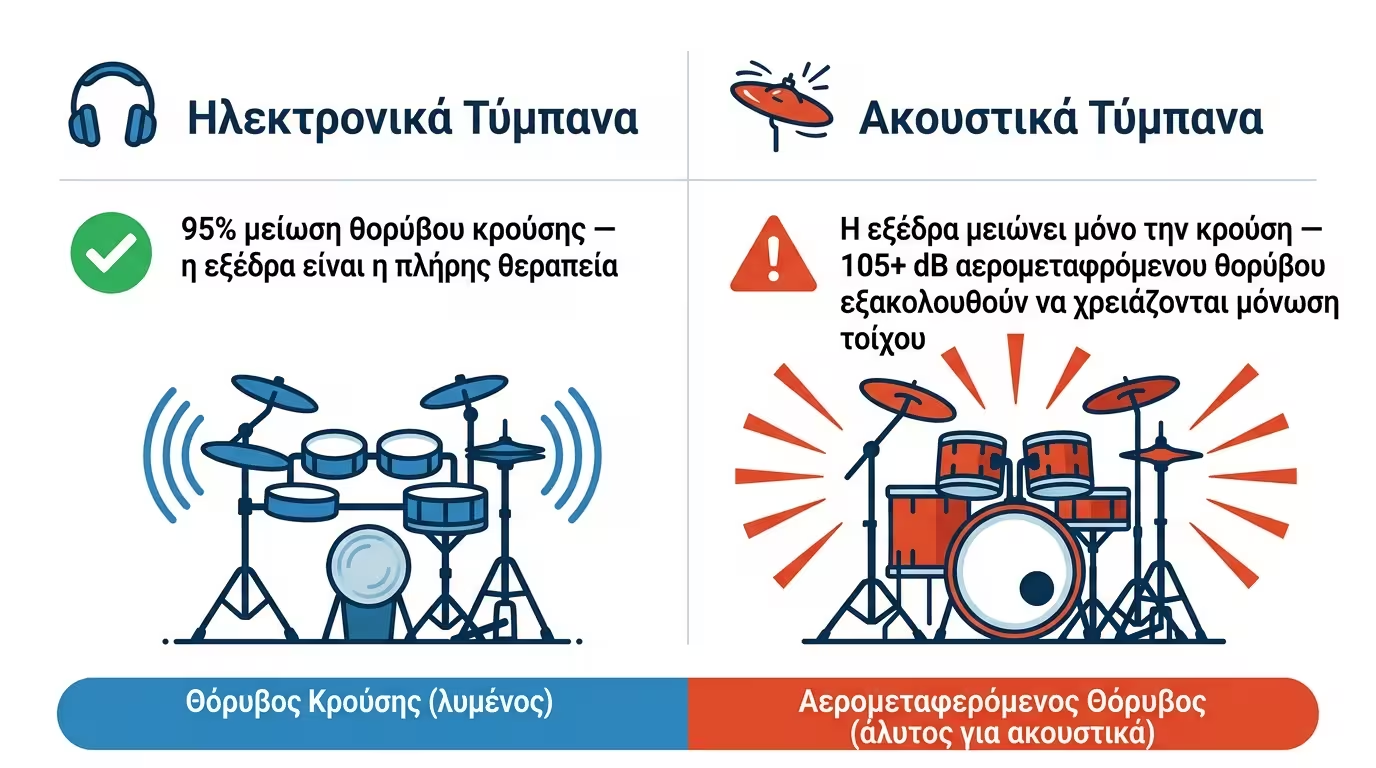
Comparison: electronic drums (95% cure) vs acoustic drums (impact only, walls still needed)

🎧 For Electronic Drums

It is the ultimate cure. It will cut 95% of the problem. The neighbour below will never hear your kick drum again. You are free to play at 3 in the morning.

🥁 For Acoustic Drums

Here things get tough. The riser will cut the direct kick impact on the concrete (the impact noise). However, acoustic drums simultaneously produce 105+ dB of airborne noise (cymbals, snare). That airborne noise will hit your bare walls and pass through to the neighbours. For acoustics, the riser is merely the first step. You will also need wall insulation (or the Room-in-Room we saw earlier).

4. The Experiment in Our Model: Rehearsal in the 4×4

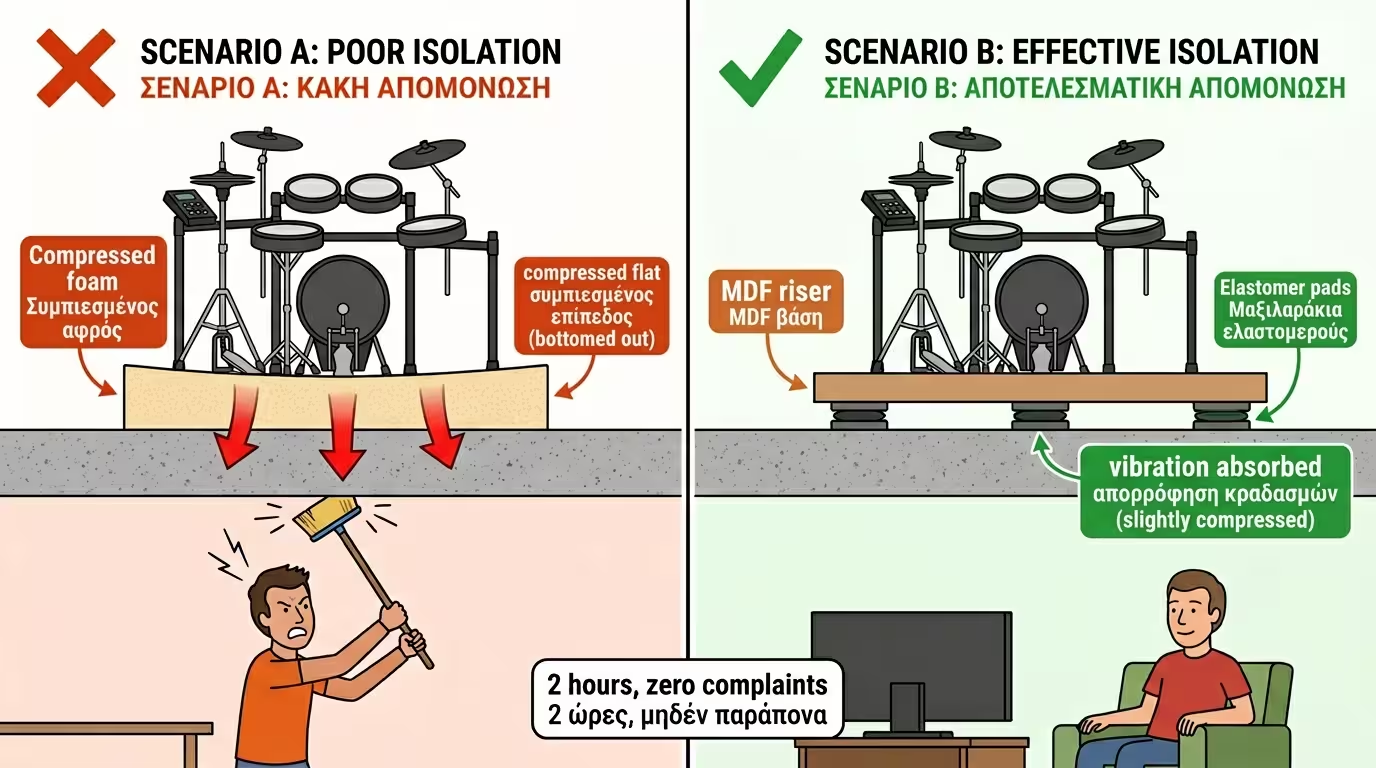
Experiment: Scenario A (foam, failure) vs Scenario B (DIY riser, 2 hours no complaints)

We bring our new electronic drum kit into the room.

❌ Scenario A (The Foam)

We place the drums on a thick foam block found in the storeroom. We play a fast track with double kick. The foam compresses completely (bottoms out) under the pedal weight. The impact passes to the concrete. Within 5 minutes, the neighbour below is banging the ceiling with a broom.

✅ Scenario B (The DIY Riser)

We build a wooden platform with MDF, placing specialist elastomer pads underneath (or the famous tennis-ball hack). We mount the drums. We play exactly the same track. The platform vibrates slightly, absorbing the impact, but the pads suspend the weight and let nothing pass to the concrete. We play for 2 hours. The neighbour notices absolutely nothing!

The Bottom Line: If you are a drummer in an apartment, stop looking for magic carpets. You need to lift your kit into the air. A well-built drum riser is perhaps the best and most life-saving investment you will ever make for your music (and for peace in the building).

Related Articles

Sound Insulation: Silence and Noise Protection

Return to category.

Go to category

Preview