
Natural vs Mechanical Ventilation: How Much Heat Do We Lose Opening Windows?

To maintain a healthy atmosphere in a home, the air must be renewed. The way this renewal happens determines, to a huge extent, the size of your electricity or gas bill. In practice, there are two paths: the traditional and the technological.

1. Natural Ventilation (Open Windows)

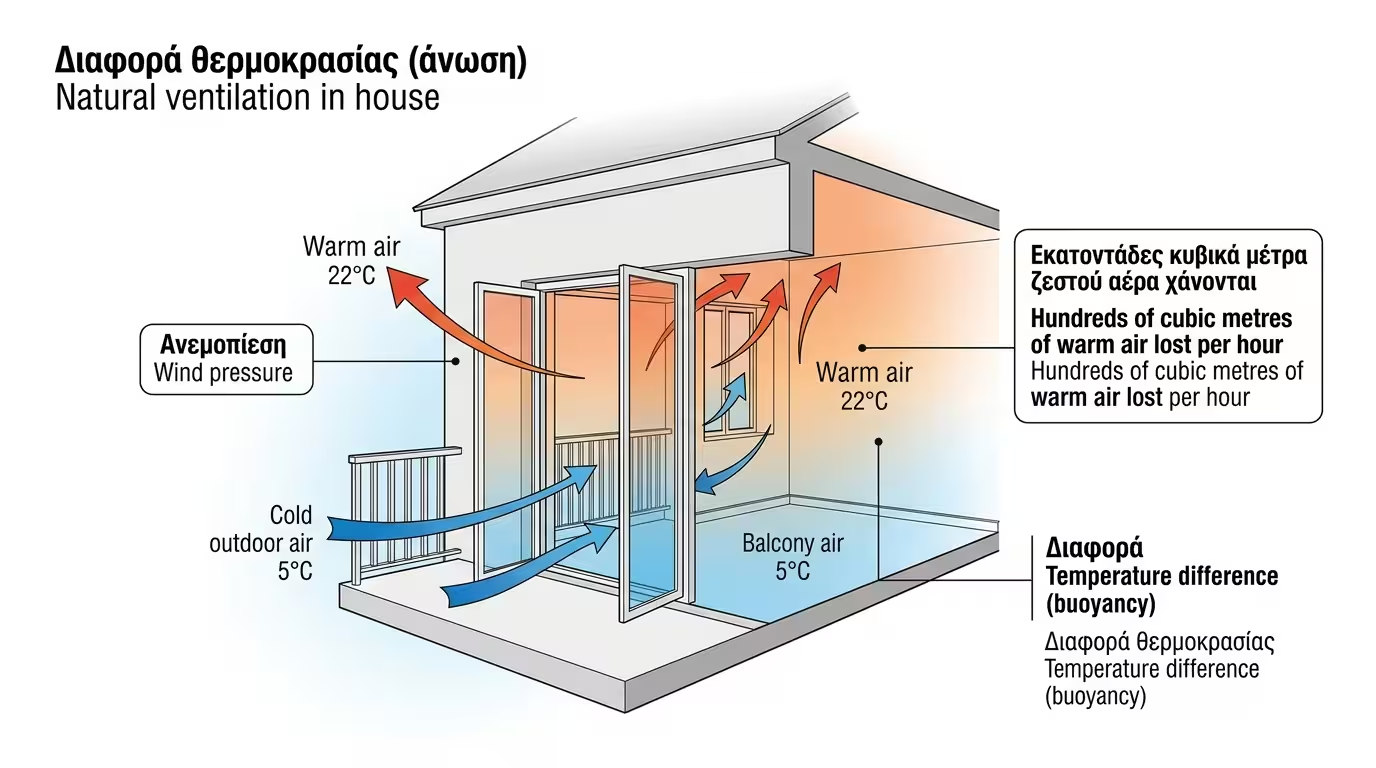
This is the method we all know. We open the balcony doors to let fresh air in. Air movement happens naturally, either from the wind blowing outside, or from the temperature difference (warm air exits high, cold air enters low).

Open windows in winter - warm air escapes outside

💸 The Financial Haemorrhage

When you open windows on a cold winter day, you're expelling "expensive" air. You've paid energy to heat it to 22°C, and you let it escape, replacing it with 5°C air. The moment you close the window, the boiler or heat pump must work at maximum to reheat hundreds of cubic metres of freezing air from scratch.
⚠️ The Tilt Trap

Many people leave a window permanently tilted all day, thinking it "ventilates properly". This is the worst possible scenario. The tilt lets warm air drain continuously. The walls around the window freeze deep, and the boiler never stops burning!

2. Mechanical Ventilation (Extractor Fans)

Mechanical ventilation uses motors to control the airflow. The most common example is the kitchen extractor or the small bathroom fan (in windowless bathrooms).

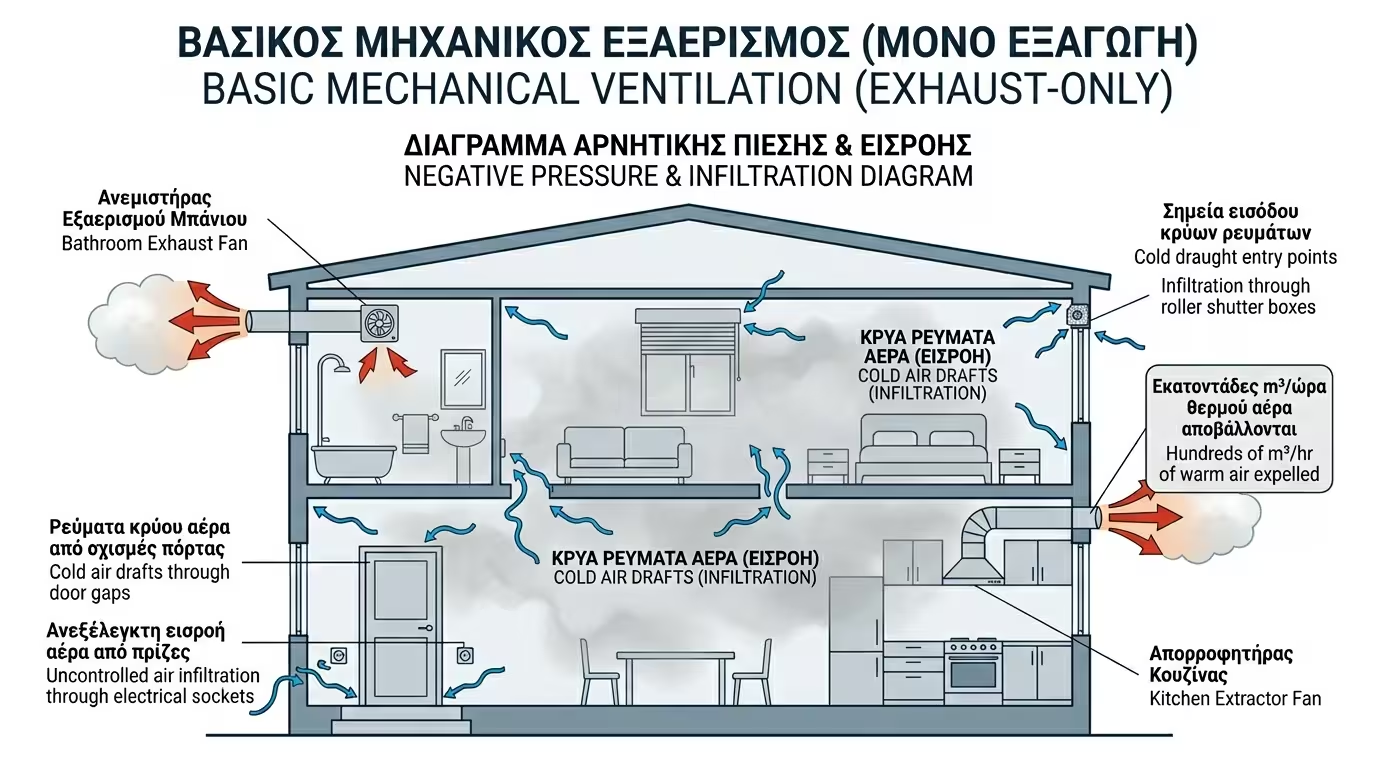
Kitchen extractor - sucks warm air out, cold air rushes in

🌪️ Negative Pressure

When you switch on the kitchen extractor at full power, it sucks and expels hundreds of cubic metres of warm air per hour. Your home can't remain without air (vacuum). For every cubic metre the extractor pushes out, one cubic metre of freezing air must enter from somewhere!

🧊 Cold Draughts

Where does the air enter? Through gaps under doors, through sockets, through shutter boxes. So simple mechanical ventilation (extraction) creates cold draughts inside your own home!

3. The 10x10 Model Experiment (January, 2°C)

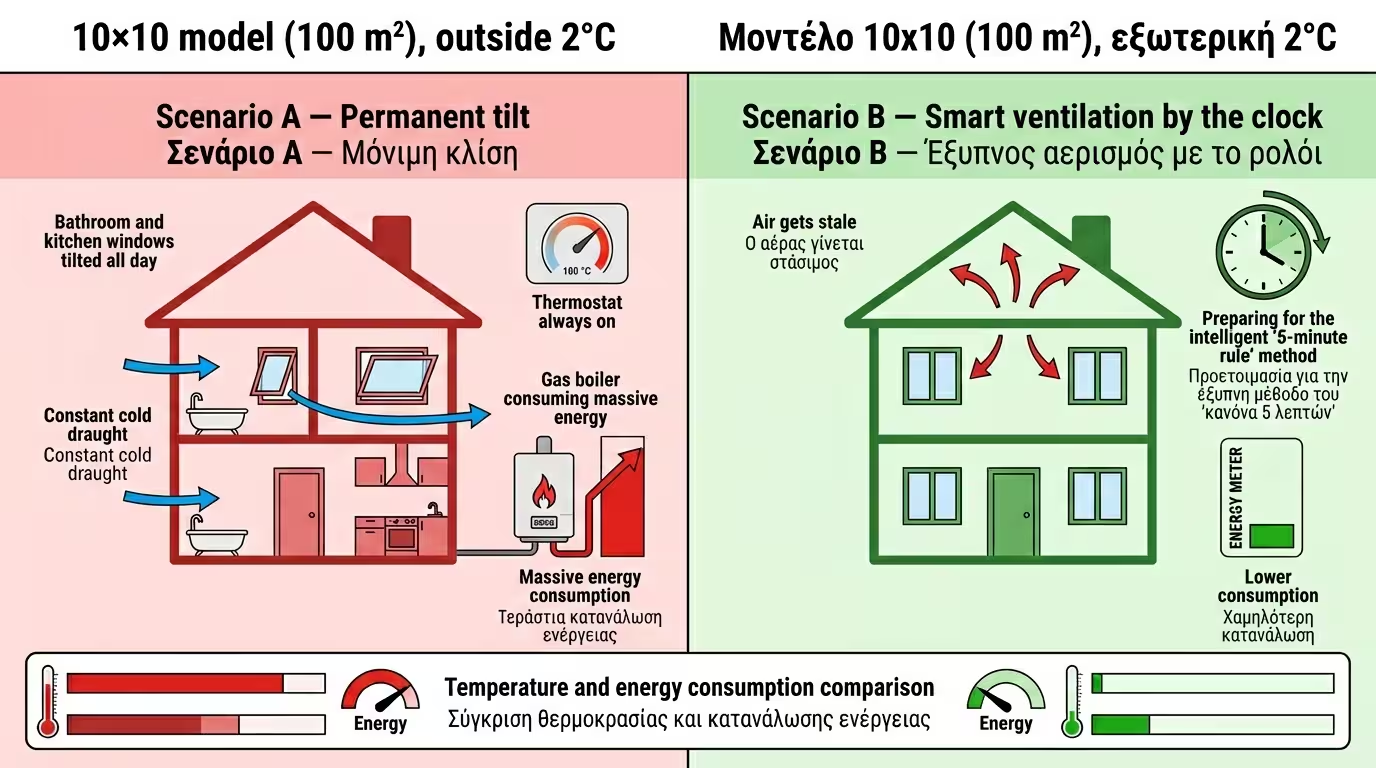
10x10 experiment - permanent tilt vs timed ventilation

We want to clear the stuffy air in the apartment. Outside it's 2°C.

❌ Scenario A (The Permanent Tilt)

We leave the bathroom and kitchen windows permanently tilted. The draught carries heat away all day. The home can't reach 21°C no matter what. The thermostat stays "on" permanently and the gas boiler consumes enormous quantities fighting the constant cold draught.

✅ Scenario B (Ventilation by the… Clock)

We don't have modern systems yet. We keep everything hermetically sealed. The air gets heavy. To avoid wasting money, we must learn to ventilate smartly, without letting walls and furniture freeze. (How exactly? We'll see in our article on the "5-minute rule".)

The Final Conclusion: Ventilation is essential for our lives and the building's health (to prevent mould). But if we rely solely on open windows and simple extractors, we throw away a huge portion of the energy we paid to stay warm.

Related Articles

Ventilation, Airtightness & Real Consumption: Climate Control

Return to category.

Go to category

Preview