Graphite Polystyrene (Neopor): Is the Extra Cost Worth It? - Full Analysis

Until a few years ago, the word "polystyrene" (Expanded Polystyrene - EPS) was synonymous with white. Today, white polystyrene has virtually disappeared from building facades, giving way to impressive, dark grey boards.

This material is widely known in the market as Graphite Polystyrene (often referred to by the trade name of the inventor BASF as Neopor). What is the "magic" hidden in this grey colour and why do engineers insist on it, despite its higher price?

1. What Is Graphite Polystyrene: Material Structure

At its core, graphite polystyrene is exactly the same material as classic white EPS: small cells filled with air. The huge difference lies in an additive. During production, the raw material is enriched with microscopic graphite particles (the same material found in your pencil).

This graphite does not simply change the colour to grey. It acts as an internal "mirror" for heat.

Graphite polystyrene structure - graphite particles in EPS

2. How the Graphite "Miracle" Works: The Science Behind the Grey

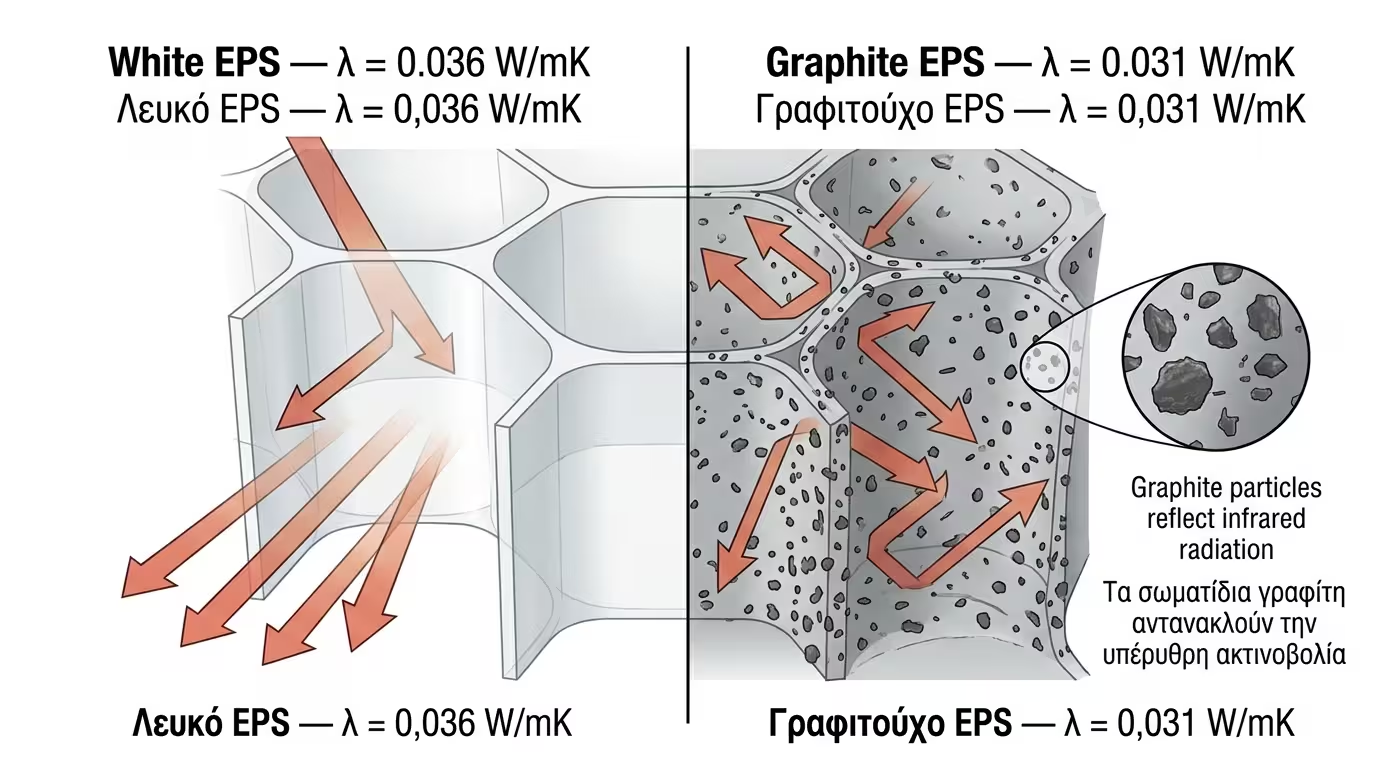
To understand its value, we need to remember how heat is transferred. A large portion of heat travels via radiation (infrared). Conventional white EPS stops heat that tries to pass through by "contact" (conduction), but invisible thermal radiation can penetrate the white walls of its cells.

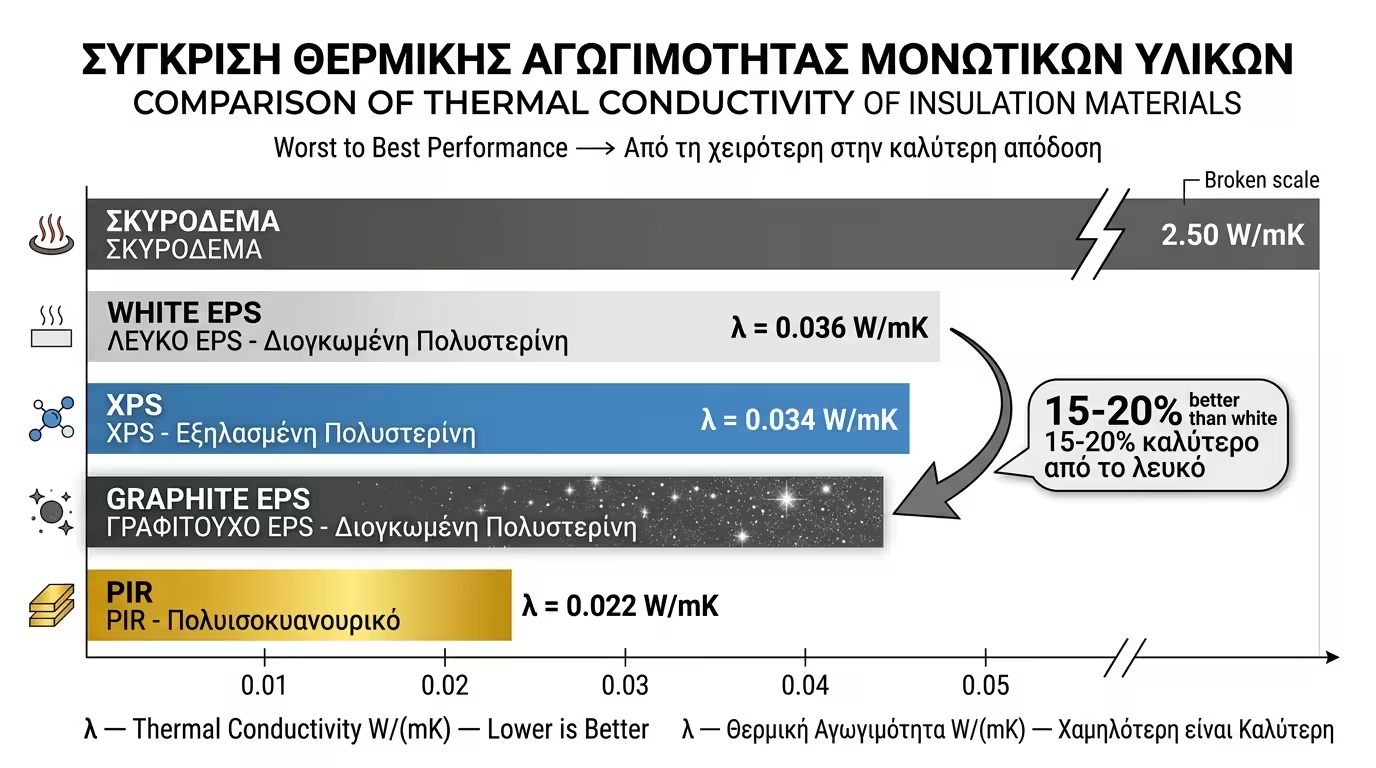
This is where graphite enters: The graphite particles trapped inside the grey polystyrene absorb and reflect this infrared radiation like thousands of microscopic mirrors. The result? The material's thermal conductivity (λ) drops dramatically. While a good white EPS has λ = 0.036 W/mK, graphite EPS drops to 0.031 - 0.032 W/mK. In simple terms, graphite polystyrene is approximately 15% to 20% more efficient as insulation than the equivalent white.

Graphite mechanism - infrared radiation reflection

3. The 2 Major Advantages and the "Achilles Heel"

Graphite polystyrene advantages vs white EPS

Graphite polystyrene is not merely "better" - it offers two very specific advantages that change the rules of the game.

📐 Thinner Profile

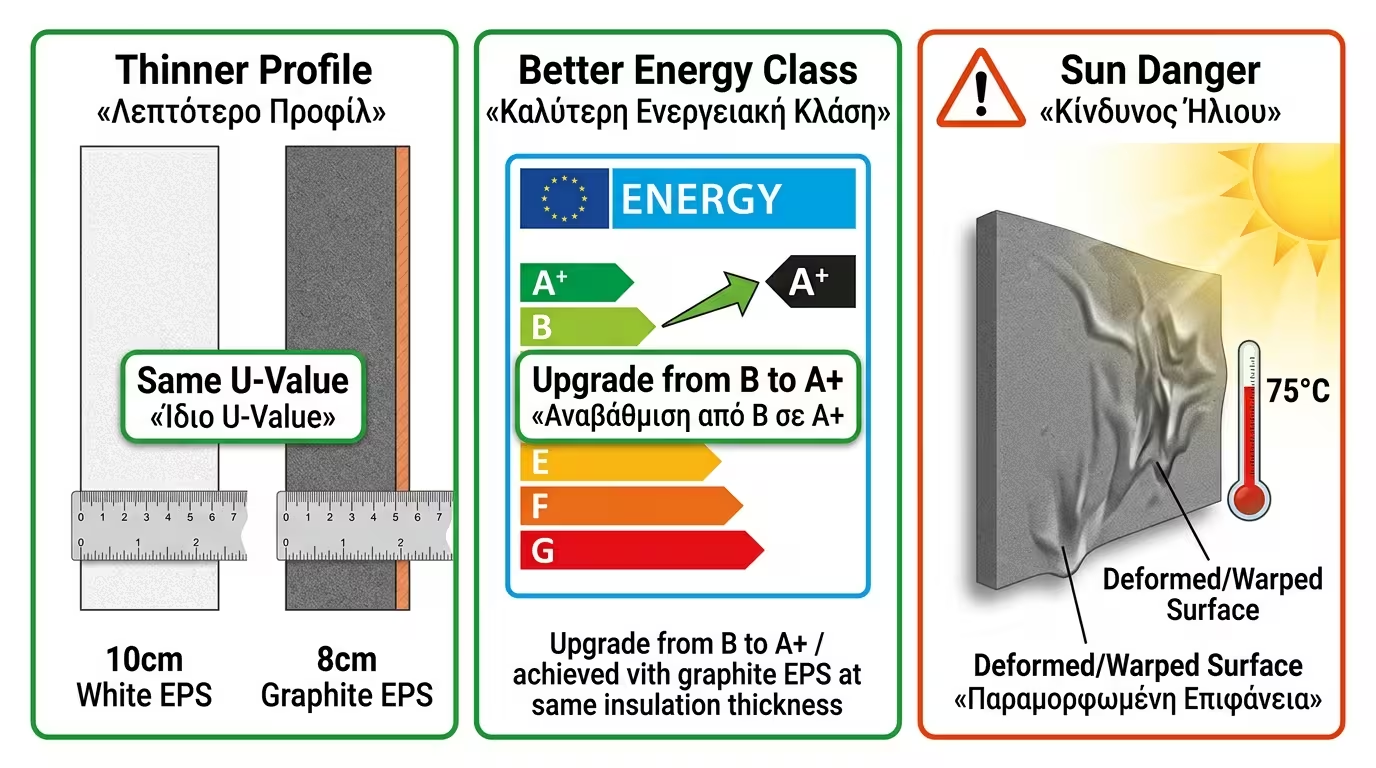
Because it insulates better, you can achieve the same result with a thinner board. In practice, 8 cm of graphite EPS insulates as much as 10 cm of white. This is crucial when you have narrow balconies, issues with window sills or planning constraints.

🏆 Higher Energy Class

If you keep the same thickness (e.g. 10 cm), using graphite gives you the "extra push" needed to upgrade to Energy Class A or A+, meeting the strict requirements of subsidy programmes.

⚠️ The "Achilles Heel": Beware the Sun!

Graphite polystyrene has one great enemy: direct, hot sunlight. Because it is dark grey, it absorbs enormous amounts of solar energy. If the contractor glues the boards and leaves them unrendered under the hot sun for days, temperatures can exceed 75°C. At that point, the EPS "bakes," deforms (bulges) or even melts superficially.

⚠️ The Golden Rule: When installing graphite EPS in summer, the scaffolding must be covered with shading nets until the first render coat is applied.

4. The 10x10 Model Experiment: White vs Graphite EPS

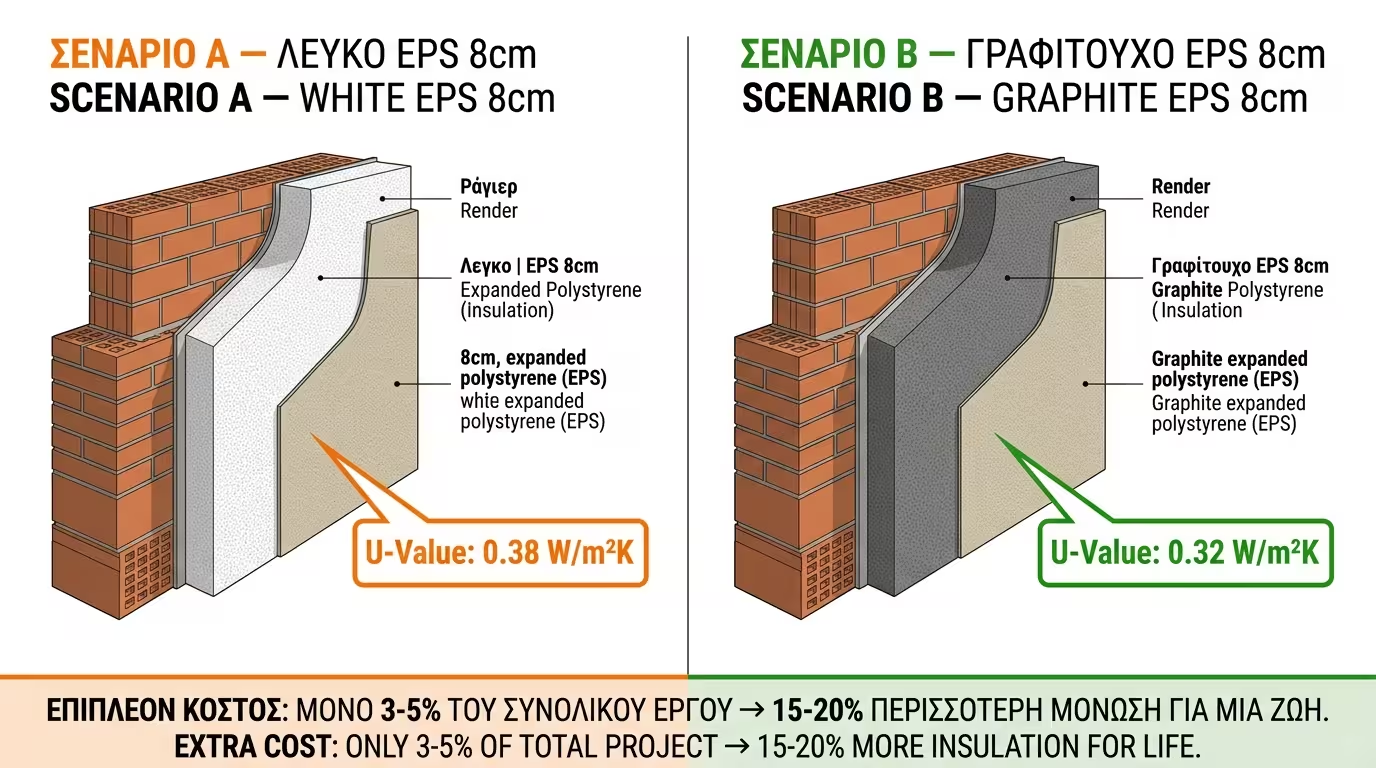
We decide to insulate the exterior of our digital house. Let us compare the two scenarios.

10x10 Model - white vs graphite EPS comparison

🟢 Scenario A: White EPS 8cm

The wall's U-Value settles at 0.38 W/m²K. A good improvement, but there is room for more.

🏆 Scenario B: Graphite EPS 8cm

The U-Value drops to 0.32 W/m²K. Significantly better performance with exactly the same thickness.

💡 The Economics: Graphite polystyrene costs about 15-20% more as a material versus white. However, in an ETICS system, the insulation board represents only 20-30% of total cost (the rest being adhesives, renders, scaffolding, labour). Therefore, choosing graphite increases the total project cost by only 3% to 5%. Absolutely worth it. That extra 3-5% will deliver 15-20% more insulation for the building's entire lifetime.

Related Articles

Insulation Materials: The Complete Selection & Characteristics Guide

Return to category.

Go to category

Preview