
What Are Decibels (dB)?
Decoding decibels. Why adding two 50 dB sources does not equal 100 dB, and how this affects your expectations.
Read more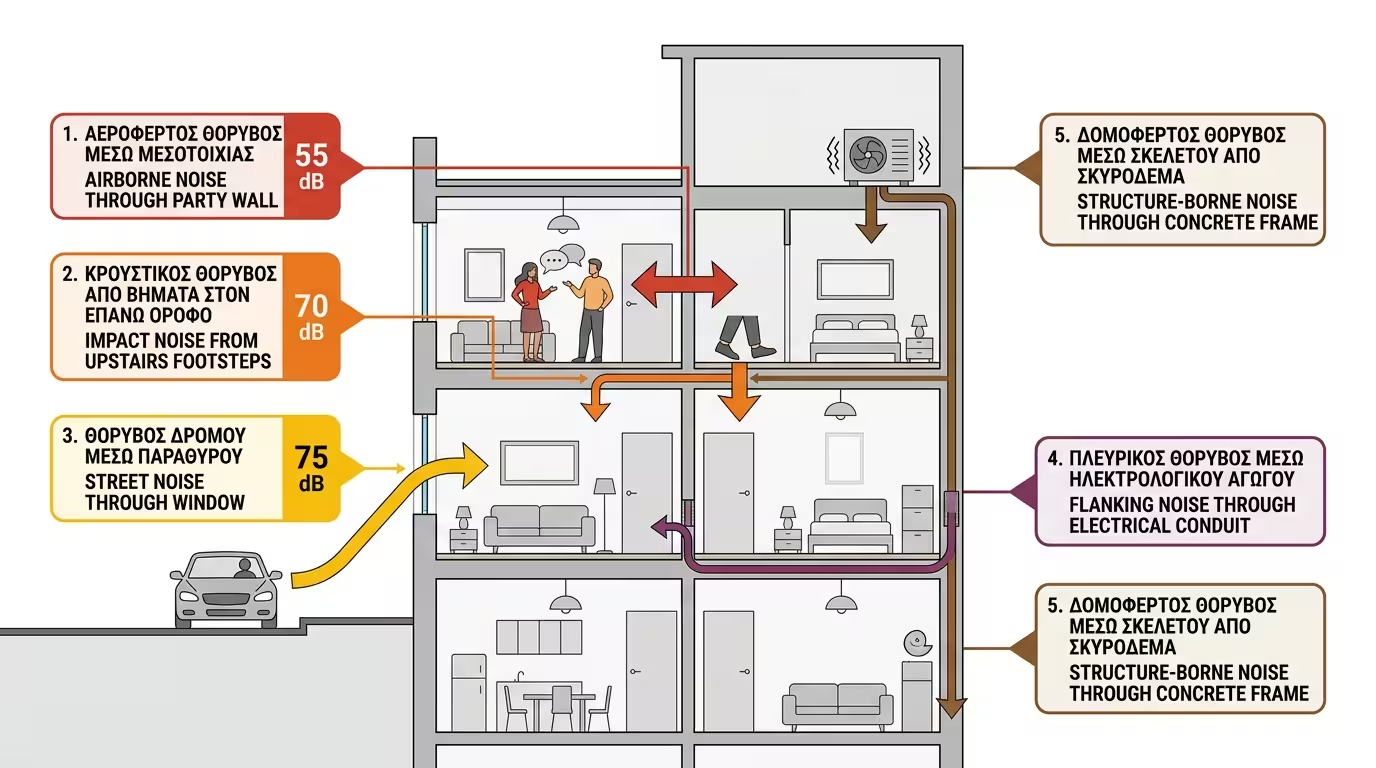
Street noise, neighbours' voices and footsteps from the floor above can ruin your quality of life in your own home. Yet sound insulation is perhaps the most misunderstood area of construction, full of myths (such as the famous acoustic foam panels).
In this section we bust the myths with the help of physics. From the fundamentals of acoustics and realistic solutions for a typical apartment, to advanced applications for professional Home Cinemas and Studios, discover the right materials and techniques (like decoupling) to shield your space from every unwanted sound.
To stop noise you must first understand how it travels and how it is measured. Learn the language of acoustics, understand the difference between sound insulation and sound absorption, and see why mass alone is not enough.
Decoding decibels. Why adding two 50 dB sources does not equal 100 dB, and how this affects your expectations.
Read moreA neighbour's TV travels through the air, while a dragged chair travels through concrete. The two noise types and how we tackle them differently.
Read more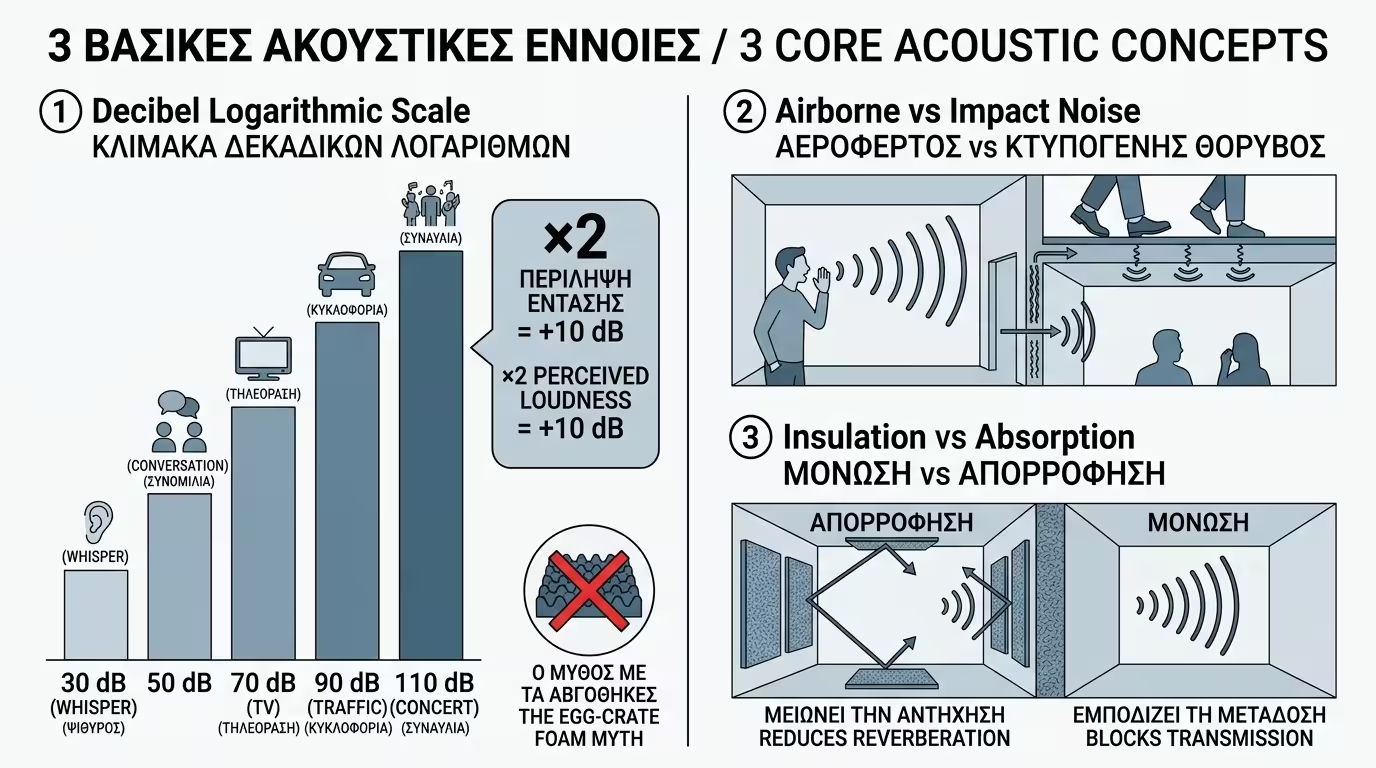
The biggest misconception. Why egg cartons and foam improve acoustics inside the room but don't stop sound coming in or going out.
Read moreHow a wall's weight blocks sound, and why a double lightweight wall (with a gap) outperforms a solid brick wall.
Read moreLearn to read the certificates. What lab-measured sound reduction indices mean and how to select materials by the numbers.
Read moreHow to assess the problem. Sound level meter measurements, legal noise limits, and how to document disturbance from neighbours.
Read moreFrom theory to practice. Using our digital 4×4 Room model, we show you step by step how to neutralise apartment-block noise, creating a "quiet refuge".
Setting the rules. The problem analysis, the source of disturbance (neighbour at 70 dB) and the comfort target.
Read moreThe action plan. Step-by-step guide to building the ultimate Mass-Spring-Mass acoustic lining on an existing wall.
Read more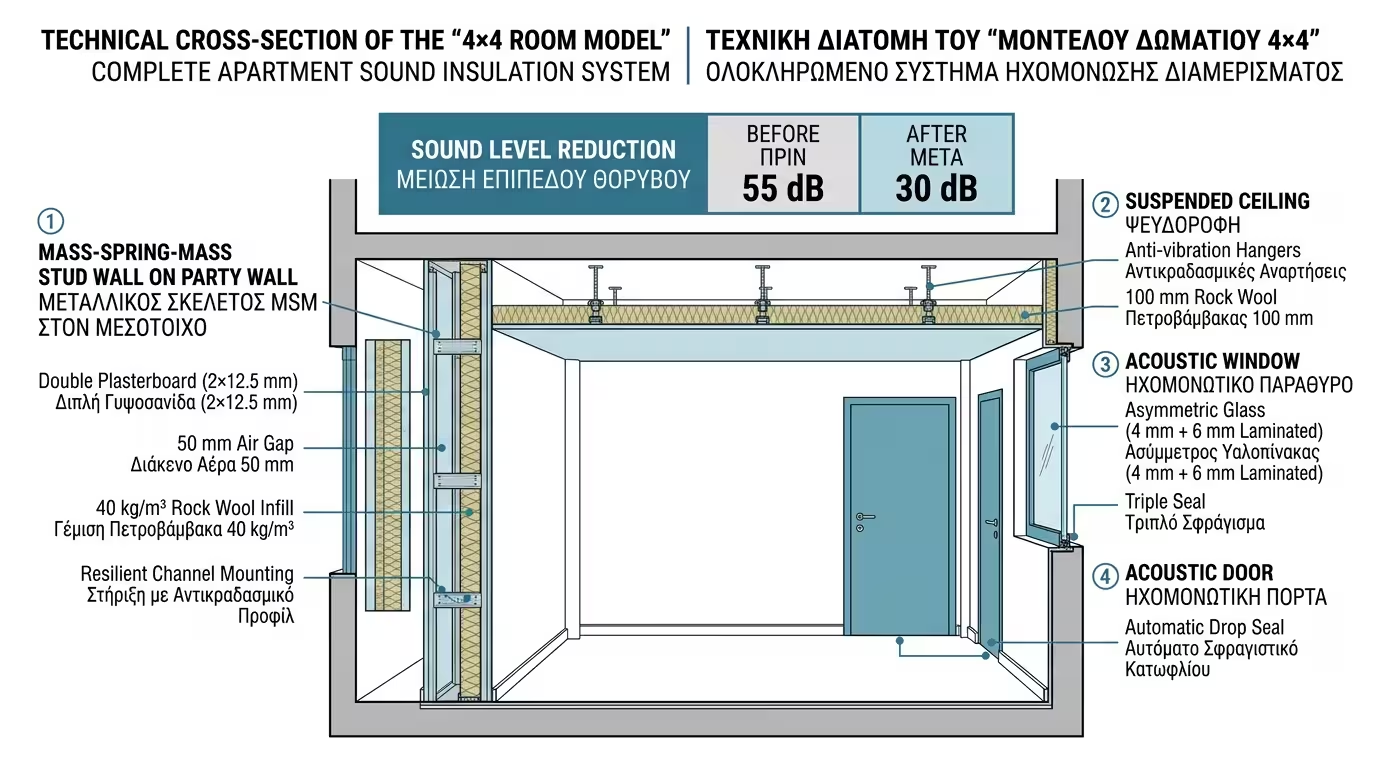
Why the cavity between plasterboards must not remain empty. The role of fibrous material in damping sound energy.
Read moreWhen noise comes from above. A suspended ceiling with resilient mounts that block voices and music.
Read moreKeeping the city outside. Why asymmetric glass thickness and laminated crystals cut traffic noise.
Read moreIf air passes, so does sound. The secrets of door sealing and the importance of automatic drop seals.
Read moreThe maths of success. Measurements before and after the work, calculating the real dB gain.
Read moreThe market is full of materials that promise miracles. We clear the landscape, presenting the heavy-duty tools of sound insulation and explaining where and how each should be applied.
Myths and truths about weight. Why excessive density does not necessarily mean better sound absorption.
Read moreMeet the specialist (blue) boards. What makes them acoustically superior and how their enriched core increases mass.
Read more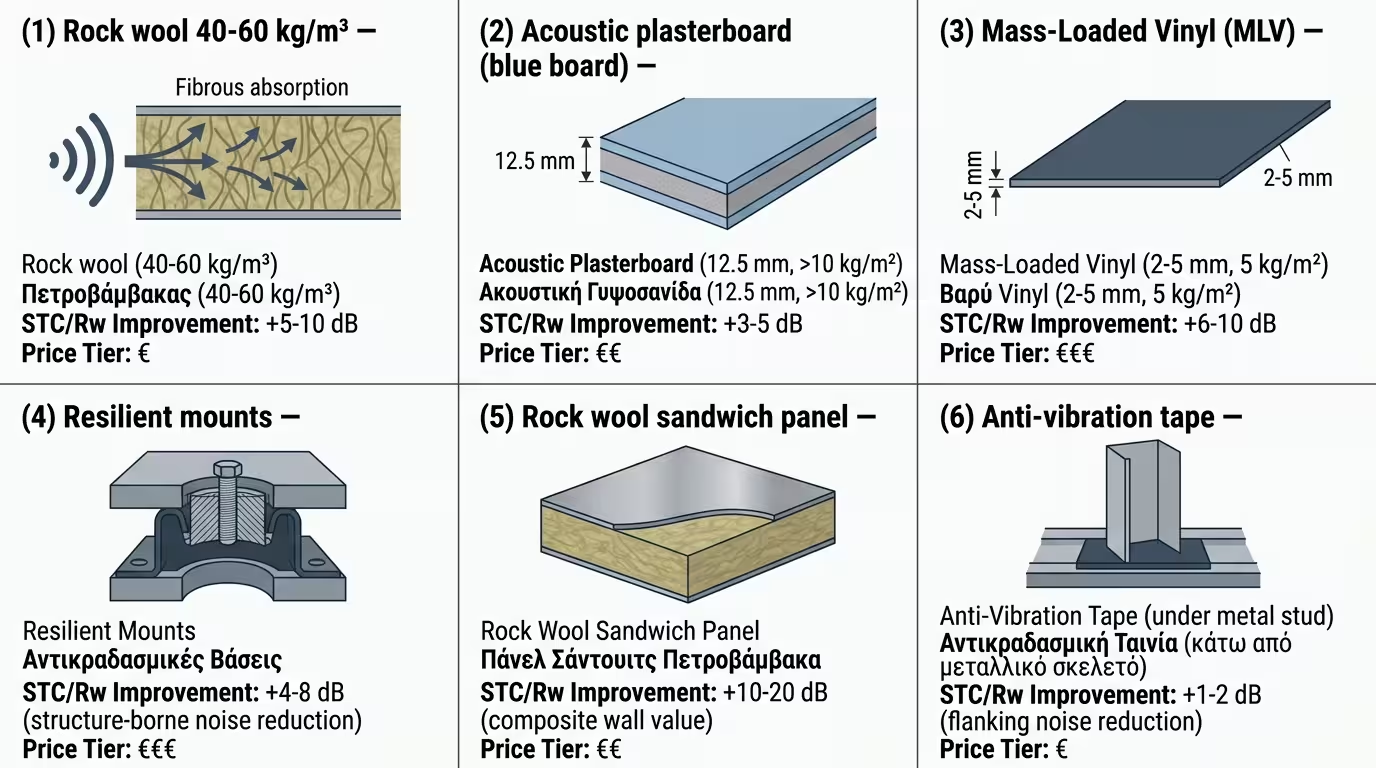
An elastomeric, ultra-heavy sheet just millimetres thick. How to install it between plasterboards for low-frequency control.
Read moreMetal brackets with neoprene that prevent vibrations passing from the wall to the plasterboard.
Read moreHow industrial panels perform acoustically and the rock-wool-core alternatives.
Read moreA tape costing just a few euros that saves the entire build. How it breaks structural sound transfer between floor and frame.
Read moreWalking in heels, dropping objects and dragging furniture cut through a concrete slab like a knife. The only solution is mechanical decoupling of the floor.
How mechanical impact becomes a sound wave in concrete and why ceiling insulation (from below) never fully solves it.
Read moreThe king of floor acoustics. Detailed construction of a "floor on a floor" with an elastic underlay that kills vibrations.
Read more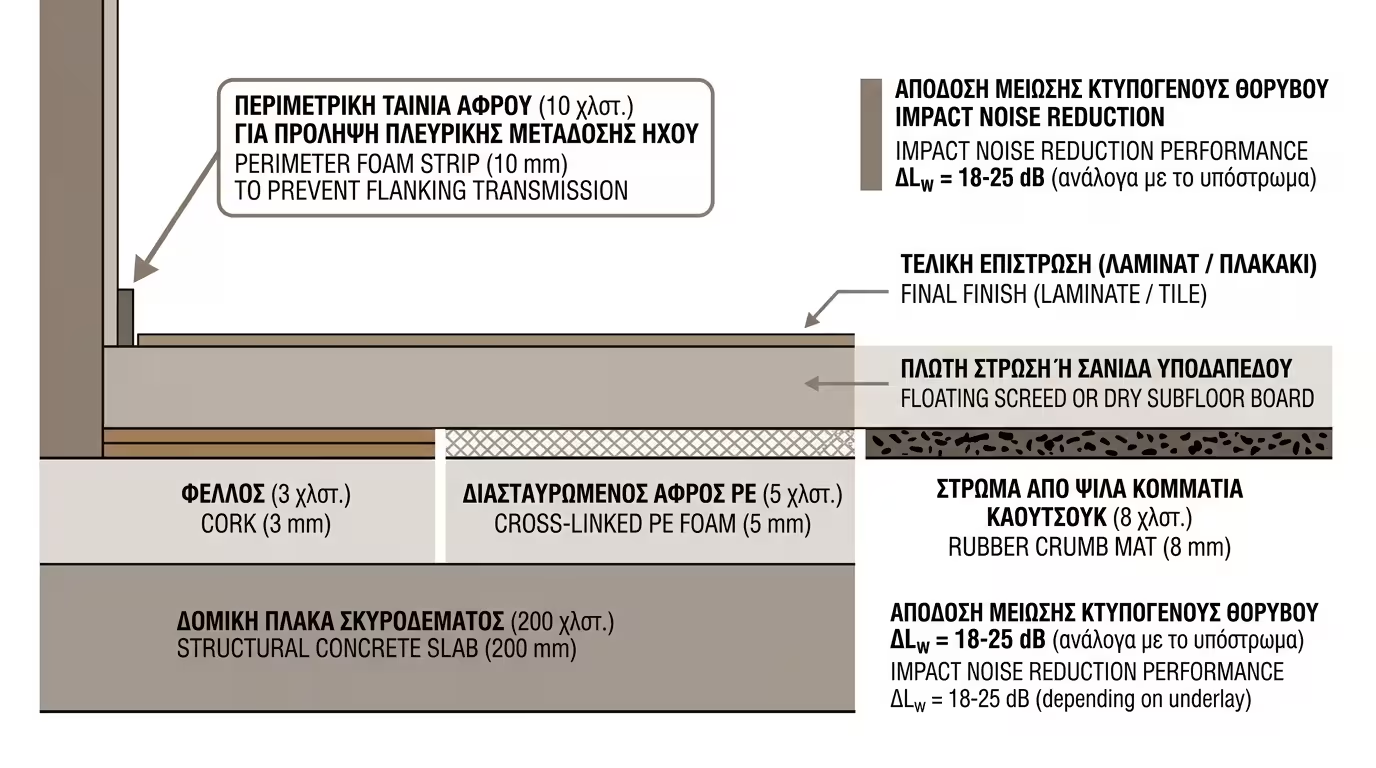
Buyer's guide for the membranes under floating wood floors. From cork to cross-linked polyethylene.
Read moreHard materials don't forgive. Specialist acoustic rolls that sit directly under tile adhesive during renovation.
Read moreThe detail that decides everything. How the foam strip at the skirting prevents sound from "climbing" the walls.
Read moreWhen ordinary quiet isn't enough. Heavy-duty techniques for musicians, sound engineers and cinephiles, where even a single escaped decibel is unacceptable.
The ultimate acoustic architecture. Building a completely independent, self-supporting room that touches nothing of the building shell.
Read moreDrums produce extreme low-frequency vibrations. How we design a raised platform with industrial springs or sylomer pads.
Read more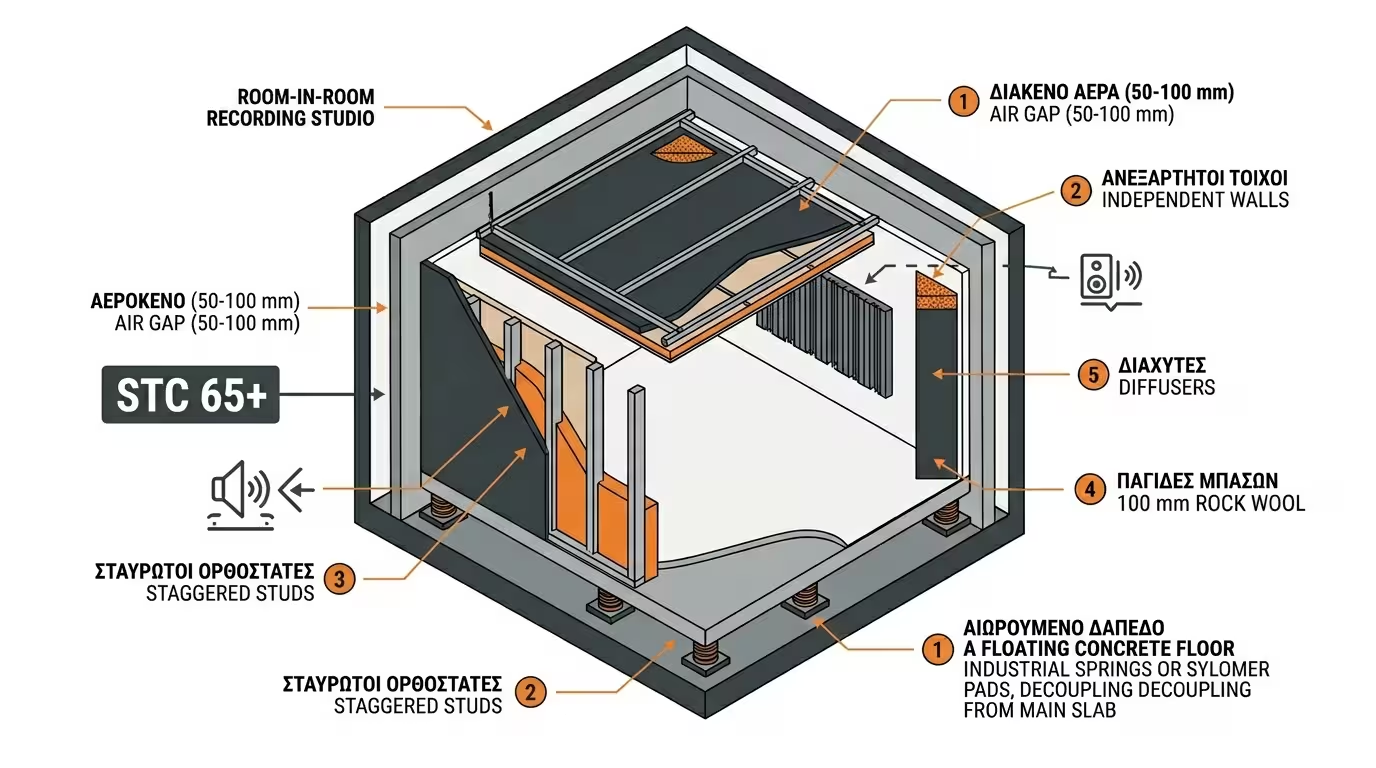
Staggered studs, double frames and materials that mechanically disconnect the two sides of the wall.
Read moreCaring for the sound inside the room. How bass traps and diffusers eliminate reverb and improve the listening experience.
Read moreA realistic look at the economics. Why the budget for a professional acoustic space dwarfs a standard renovation.
Read moreSound insulation is perhaps the most demanding construction intervention. Before you start demolishing, learn to set realistic targets, understand the limits of science and manage the building's "traps".
Psychoacoustics. Why a 10 dB reduction, though small as a number, is perceived by our ears as "halving the noise".
Read moreThe hidden enemy. How sound travels through ceiling masonry, ducts and electrical conduits, bypassing your wall.
Read more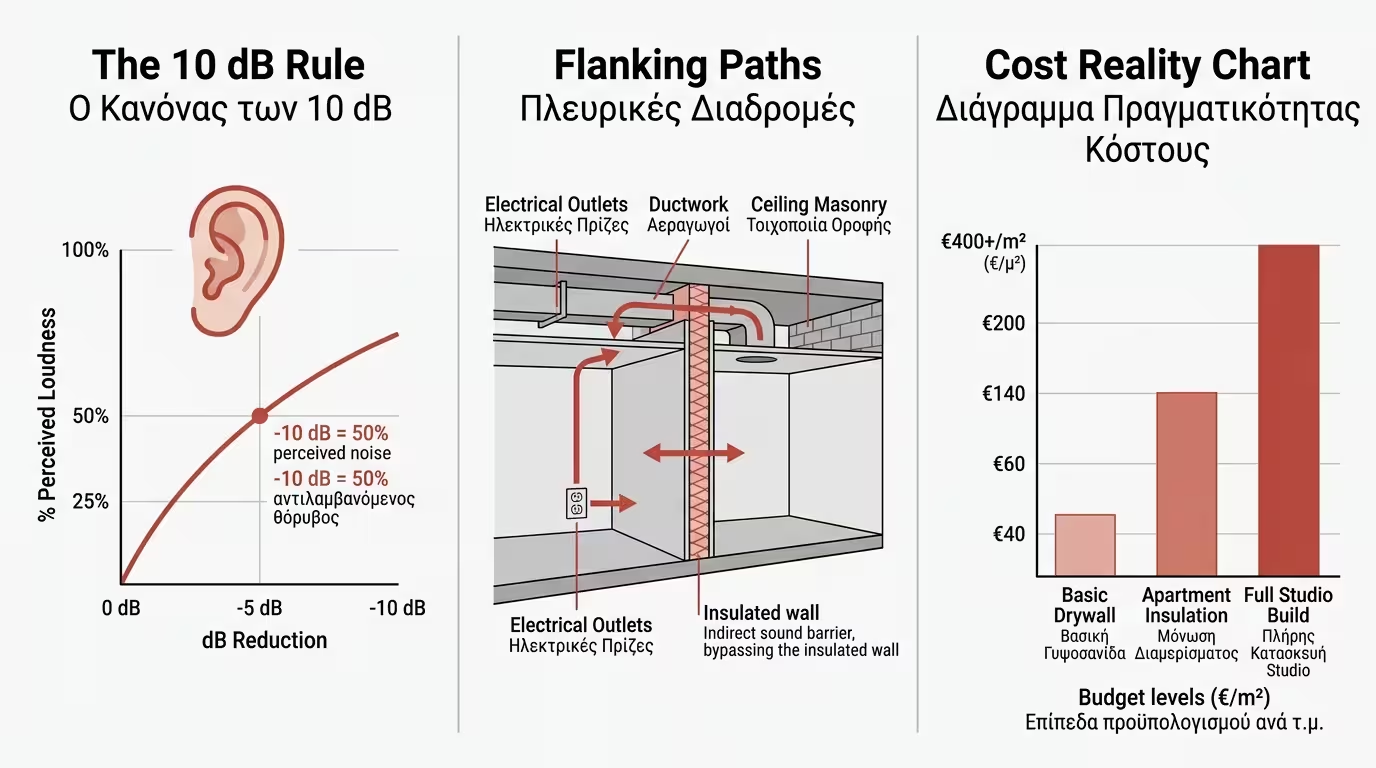
The hard truth. Why you can't turn an old apartment into a silent chamber without intervening in the building frame.
Read moreWhen you need a study. The limitations of general tradespeople and why serious noise pollution requires frequency calculations by a specialist.
Read moreReturn to the full insulation guide.
Back to the guideIf you are dealing with a noise problem or planning sound insulation - get in touch.
Contact us