Acoustic Windows: Double, Asymmetric and Energy-Saving Glass for Complete Road Silence

Many homeowners replace their old wooden windows with modern ones (aluminium or PVC) fitted with double-glazed energy-saving units, hoping that beyond warmth, they will also keep noise out. The disappointment on the first night is enormous. Cars sound almost the same!

Why does this happen? Because thermal insulation and sound insulation obey entirely different laws of physics.

The Myth of the Symmetric Double-Glazed Unit

The classic, cheap double-glazed unit that most manufacturers supply is symmetric: It has a 4 mm pane, an air gap (e.g. 16 mm) and a second 4 mm pane (known as 4-16-4).

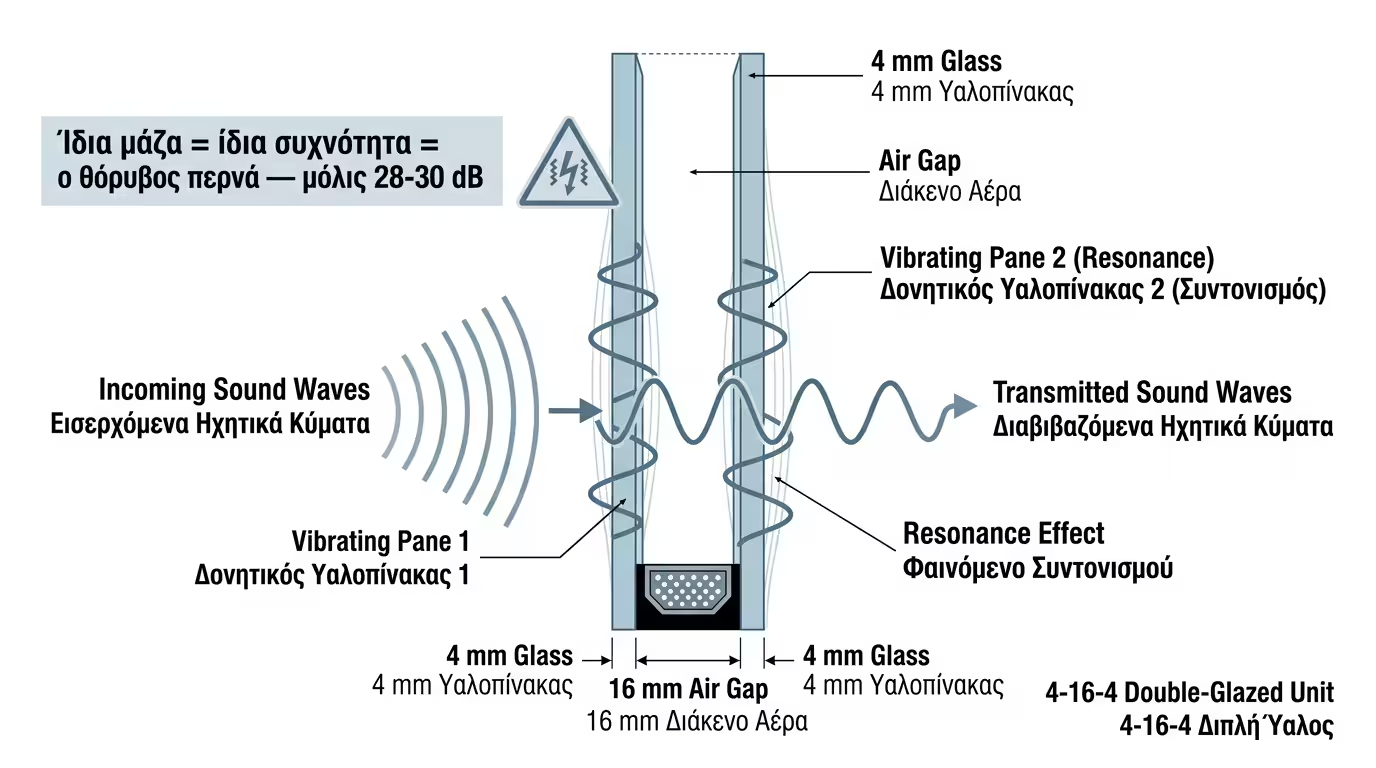
Symmetric 4-16-4 double glazing - identical mass, identical resonance frequency, only 28-30 dB

⚠️ The Resonance Problem

Because both panes have exactly the same weight (mass) and thickness, they resonate at exactly the same frequency. When traffic noise hits that frequency, the first pane vibrates, transfers the vibration to the air, the air vibrates the second (identical) pane just as easily, and the sound passes into your living room like a wave!
📊 The Result

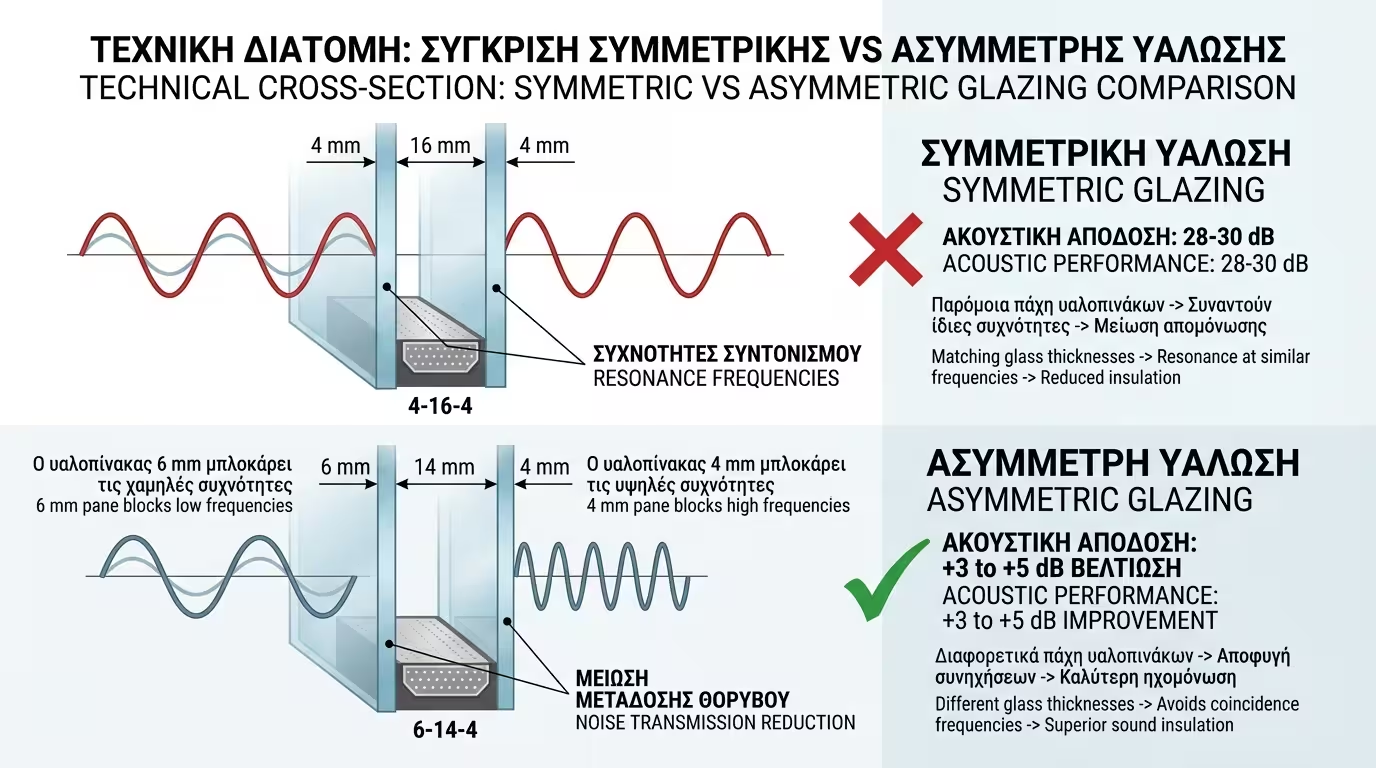
A symmetric double-glazed unit cuts about 28-30 dB. Not nearly enough for a busy road.

The 2 Rules of an Acoustic Window

1. Asymmetric Glass (Beat the resonance)

The solution is to change the weight of one pane. If the outer pane is 6 mm and the inner is 4 mm (6-14-4), the two panes have different mass.

How it works: The heavy pane struggles at low frequencies, while the light one struggles at high frequencies. Because they have different "weaknesses", the frequency that passes easily through the first pane "sticks" to the second. You immediately gain +3 to +5 dB!

Asymmetric glass 6-14-4 - different mass breaks resonance, +3-5 dB

2. The Ultimate Weapon: Acoustic Laminated (Triplex)

If the road is really noisy, plain glass is not enough. Ask for the outer pane to be "Acoustic Triplex".

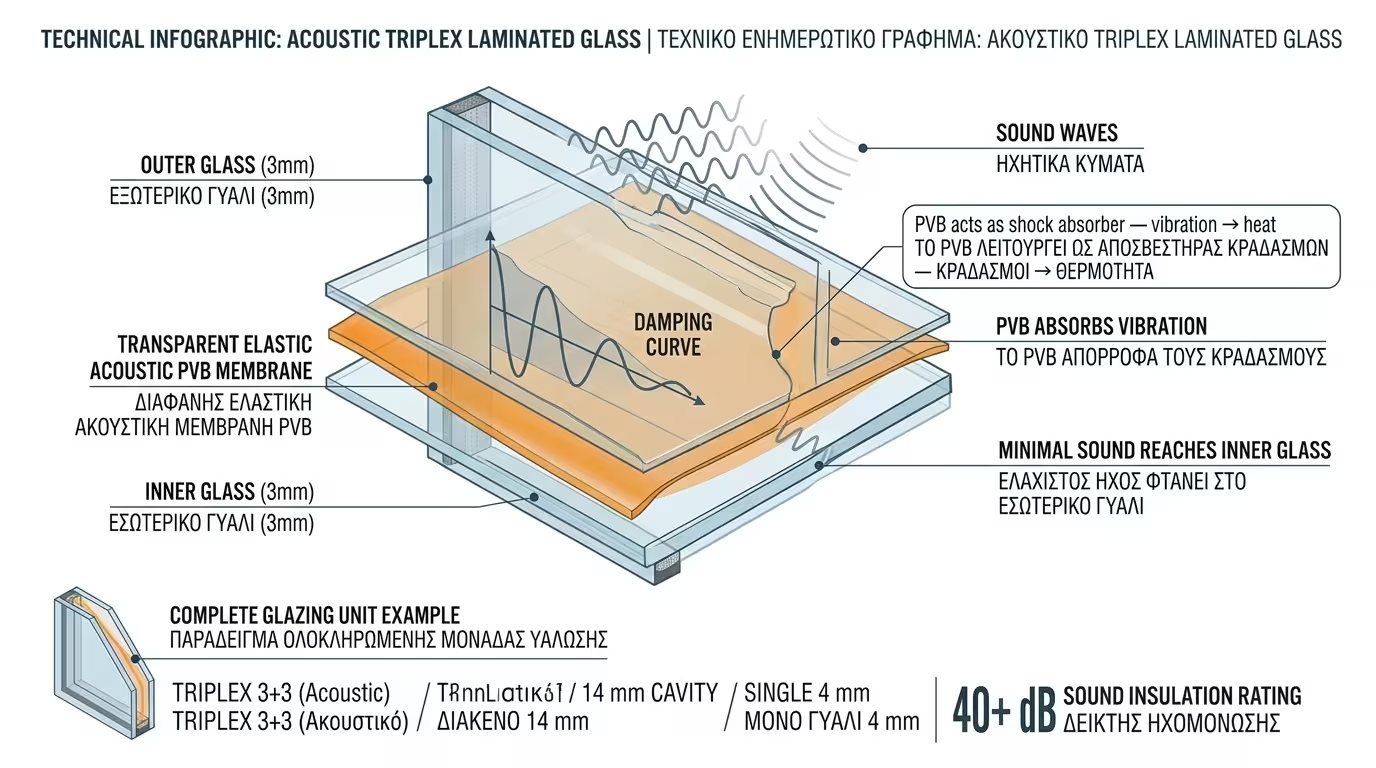
What it is: Two panes bonded together with a special, transparent elastic acoustic PVB membrane in between (e.g. 3+3 mm).

How it works: When sound strikes the glass, the elastic membrane acts as a shock absorber, absorbing the vibration and converting it into heat. This is the only way to "kill" bass and exhaust noise (it dramatically improves the Ctr index). A system with acoustic triplex (e.g. 3+3 / cavity / 4) can achieve 40+ dB sound reduction!

Acoustic Triplex: two panes bonded with PVB membrane - vibration damper, 40+ dB

Watch Out for the… Filler (Perimeter Sealing)

You have bought the world's best glass. If the installer fits the frame into the wall and fills the gap around it with ordinary polyurethane expanding foam (which, once cured, becomes rigid and full of pores), sound will bypass the glass and enter through the gap in the wall!

The rule: The gap between the frame and the wall must be sealed with specialist acoustic foam and covered over with acoustic elastic sealant (silicone).

The Experiment in Our Model (The 4×4 Window)

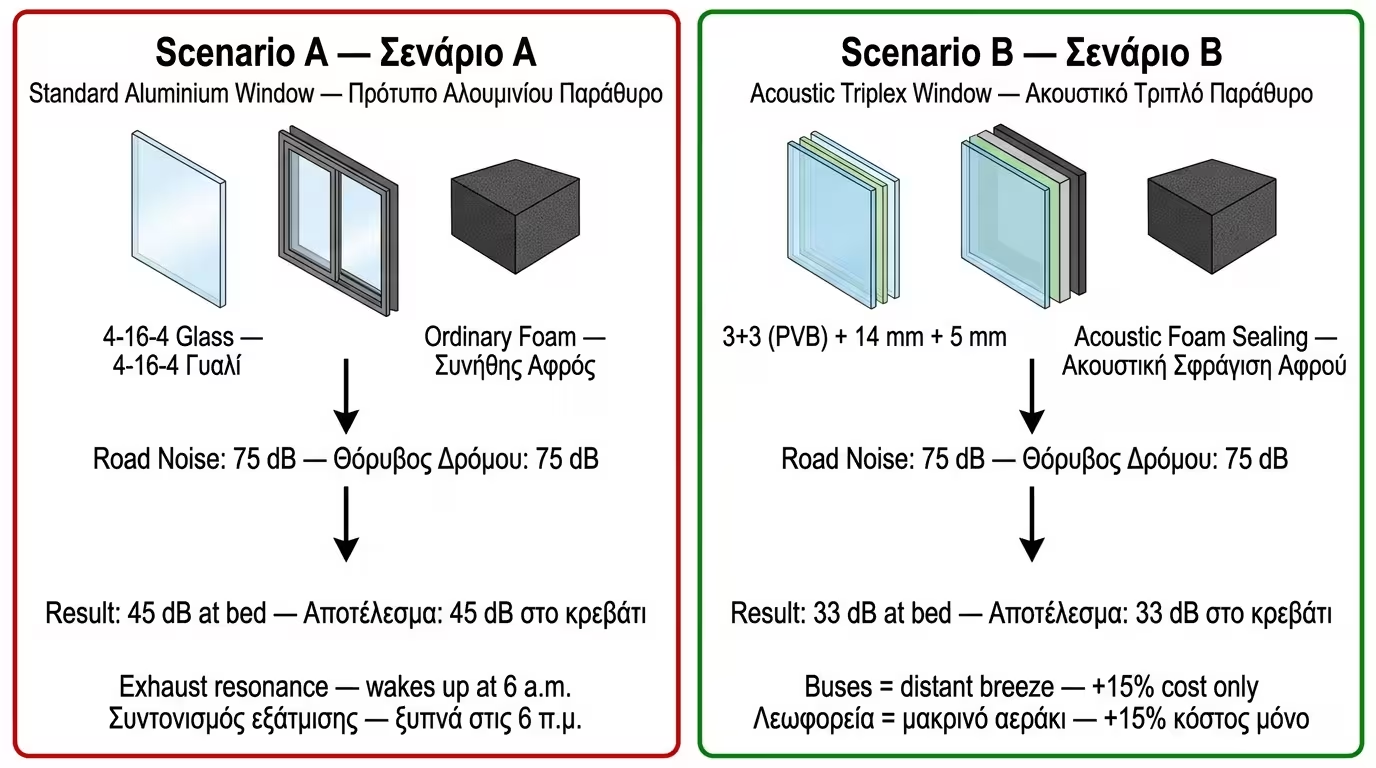
Experiment: Scenario A (4-16-4 + foam, 30 dB) vs Scenario B (triplex + acoustic foam, 42 dB)

Our room faces a main avenue. The traffic noise wakes us up at 6 a.m. (road at 75 dB).

❌ Scenario A (The Standard Aluminium)

We fit a modern, thermally broken frame with plain, symmetric 4-16-4 glass. The installer uses ordinary foam around the frame. We reduce noise by 30 dB. At our bed: 45 dB. We feel the city noise, exhaust pipes resonate the panes and we wake up irritated.

✅ Scenario B (The Acoustic Shield)

We pay 15% more (about €60-80 per window) and order an asymmetric configuration: An acoustic triplex 3+3 (with PVB) on the outside, a 14 mm cavity, and a single 5 mm pane on the inside. We demand meticulous sealing of the frame to the wall. This window "cuts" 42 dB. At our bed only 33 dB now reaches us. Buses sound like a distant, imperceptible breeze!

The Final Conclusion: The window is the biggest "hole" in your soundproofing. Don't spend thousands of euros on stud walls if you are not willing to install asymmetric glass with an acoustic membrane. Symmetry is noise's best friend.

Related Articles

Sound Insulation: Silence and Noise Protection

Return to category.

Go to category

Preview