📊 Extreme Density (Mass)
A standard white board weighs about 8-9 kg per square metre. An acoustic board weighs 12 to 15+ kg per square metre! The gypsum inside is incredibly compressed.
In the war against noise, we always remember the Mass Law: Weight stops sound. Now that we have erected our metal stud frame and filled it with the "sponge" (rock wool), we need a heavy, solid shield to seal the wall.
The industry, knowing that plain cardboard and sparse gypsum are not enough, created Acoustic Plasterboards (you will usually find them in shops with blue, purple or special markings).
Externally, they look just like standard plasterboards. Same thickness (usually 12.5 mm). The enormous difference, however, lies in their core.
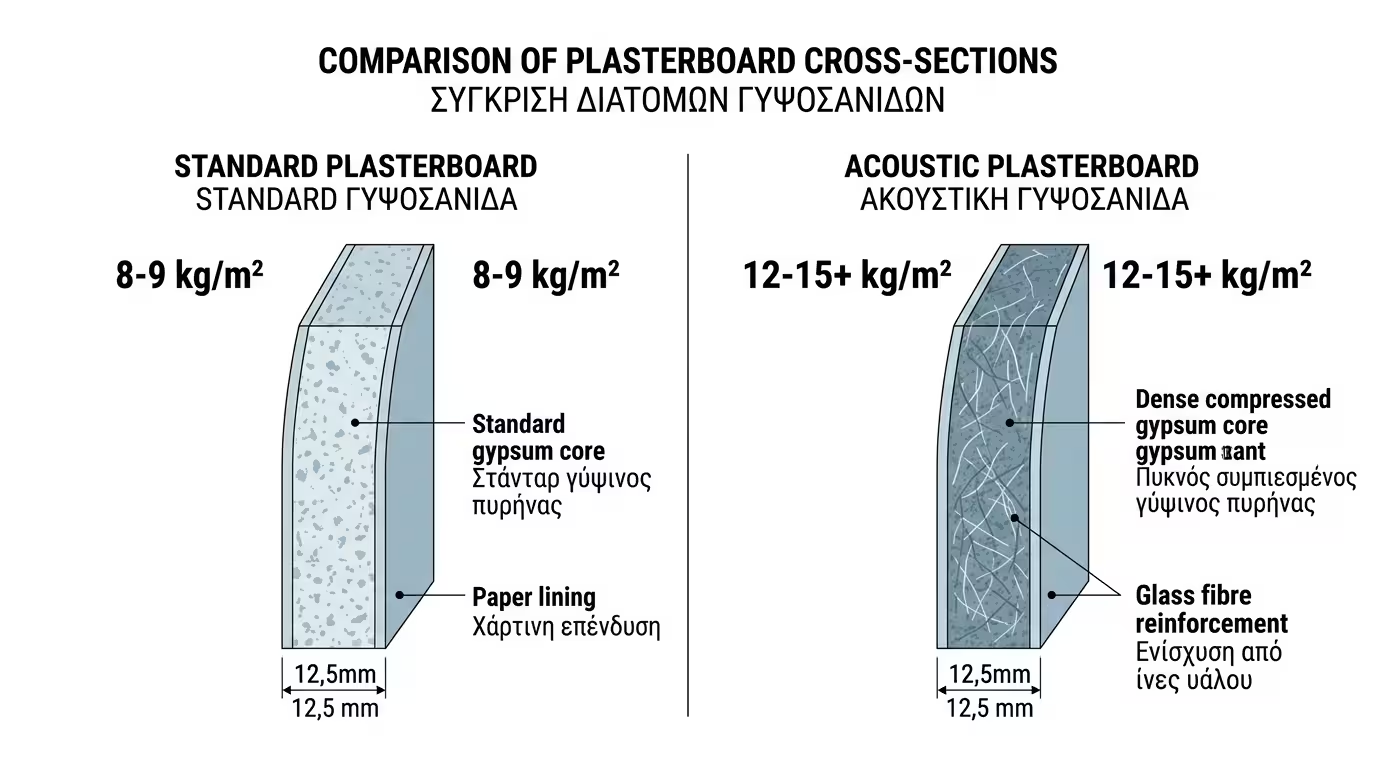
A standard white board weighs about 8-9 kg per square metre. An acoustic board weighs 12 to 15+ kg per square metre! The gypsum inside is incredibly compressed.
To prevent it from crumbling under its own weight and to make it more flexible (so it better absorbs vibrations), the core is often reinforced with glass fibres or other special mineral additives.
The top-tier (and pricier) acoustic plasterboards worldwide have a property called "core elasticity". When the sound wave strikes them, the slab "flexes" microscopically, converting acoustic energy into heat instead of transmitting it to the frame.
A common question is: "Since acoustic plasterboard is so heavy, why not install just one to save money?"
The answer is twofold:
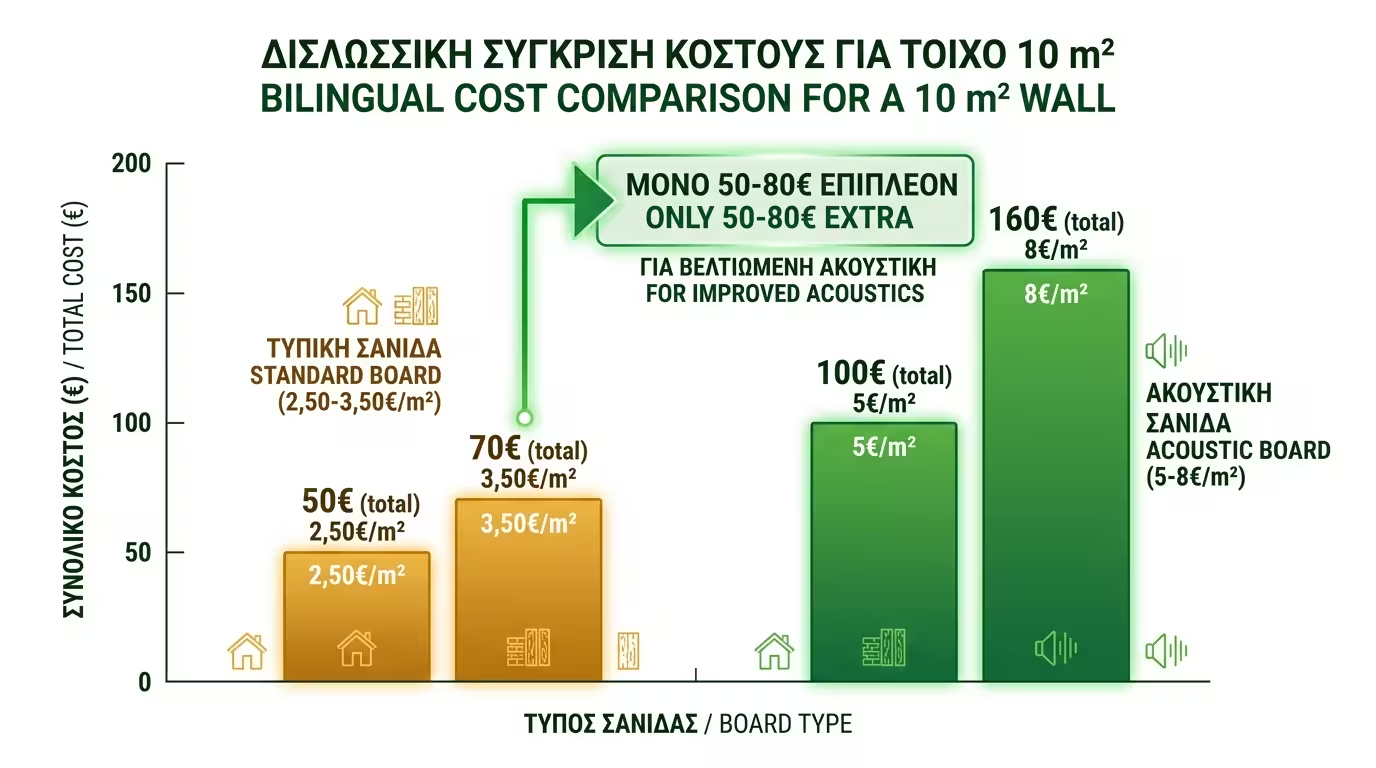
A standard white plasterboard costs about €2.50 – €3.50 per square metre. A good acoustic board costs €5 to €8 per square metre.
It looks like double the price, but consider this: on a 10 m² wall, the extra material cost is only €50-€80. It is criminal to pay for labour, metal studs and rock wool, and then skimp on €80 for the very "shield" of the system!
In our room (4×4) we are ready to "close" the metal stud frame on the wall.
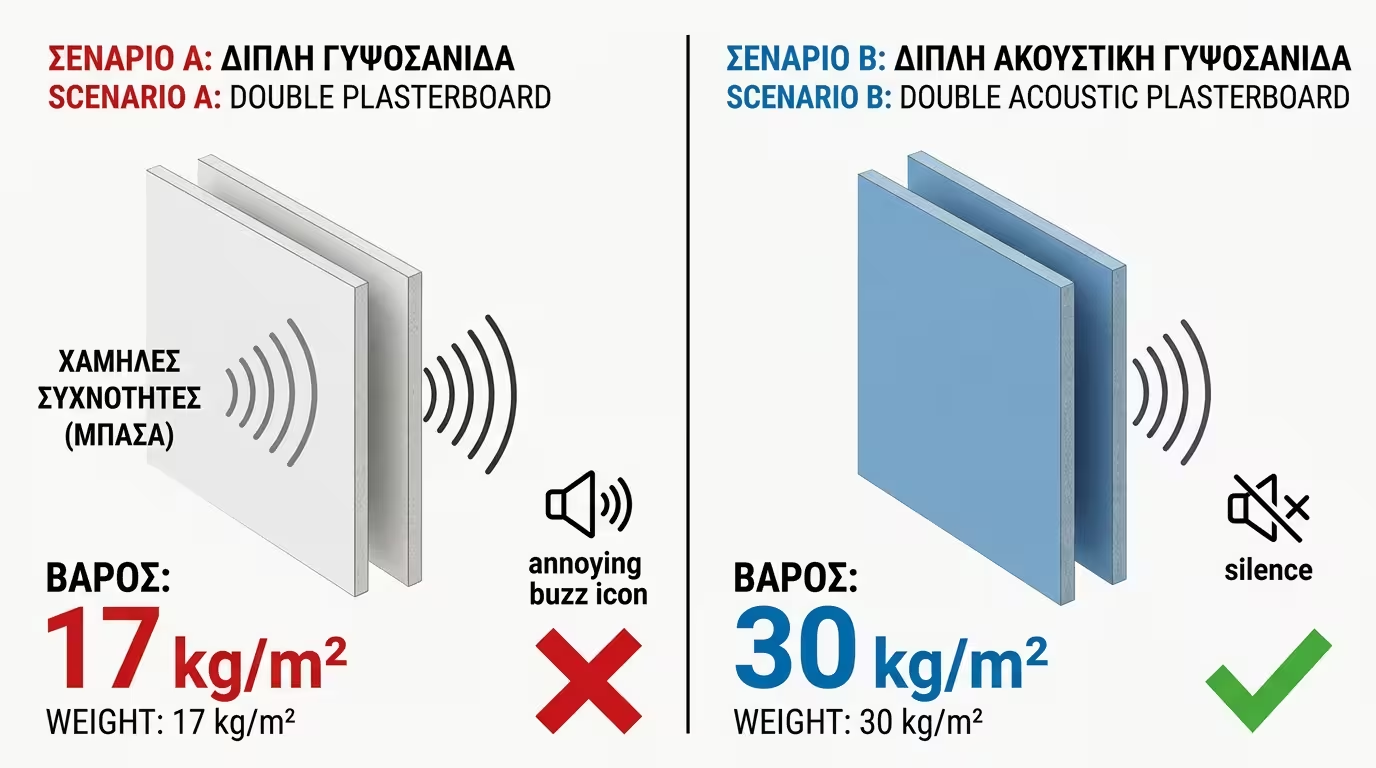
We ask the builder to install double standard white plasterboard to save €100. The boards go up, get filled and painted. The wall weighs 17 kg/m². When the neighbour turns his TV up, mid-frequencies (voices) are blocked, but the bass manages to vibrate the light gypsum. We hear an annoying buzz.
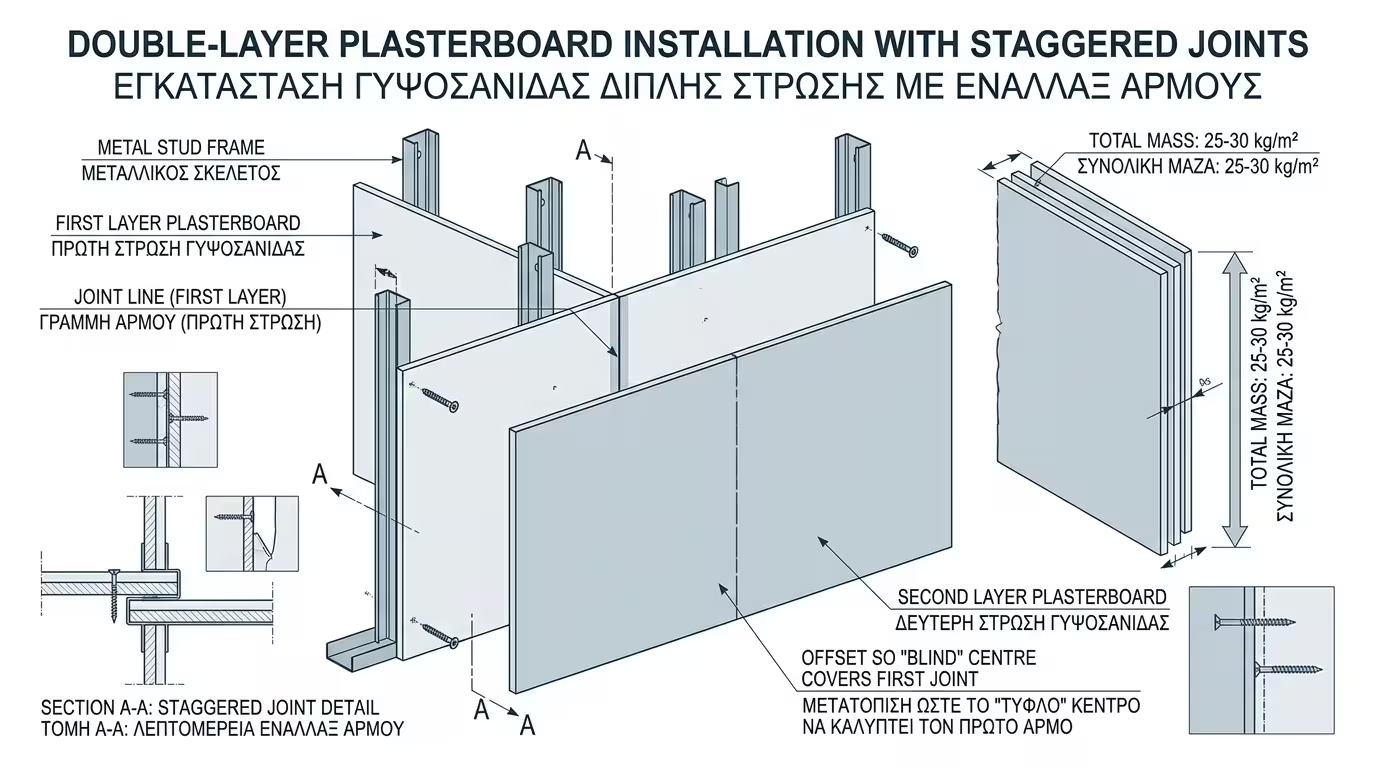
We buy double acoustic (blue) plasterboard. The builder grumbles about carrying them because the wall now weighs almost 30 kg/m²! We close the wall. The enormous mass of the new boards cannot possibly vibrate from the TV bass. The wall is now a genuine "rock" and the room is utterly silent.
The Final Conclusion: Acoustic plasterboard is not a luxury - it is a prerequisite. It is the final "goalkeeper" in the Mass-Spring-Mass system. Without its special weight, sound will find a way to make your wall sing.
Return to category.
Go to categoryReturn to the central guide.
Go to guide