
🌡️ Thermal Performance
The thermal conductivity coefficient sits at λ = 0.040 W/mK. In practical terms it insulates almost equivalently to conventional glass wool, but without any mineral or petrochemical content.
One of the biggest trends in modern bioclimatic architecture is the return to basics: plants and animals. Industrial hemp and sheep's wool no longer belong only in the past - they are now going inside the walls of premium homes and bioclimatic buildings across Europe.
This is not a "hippy" fad or green marketing - these are materials with impressive, scientifically measurable performance that solve everyday problems which synthetic insulation simply cannot handle. Let us examine each one in detail.
Industrial hemp (Cannabis sativa) is legally cultivated for the tough fibres of its stem. These fibres are interlocked (using natural starch or polyester as binder) to form semi-rigid boards or flexible insulation rolls.
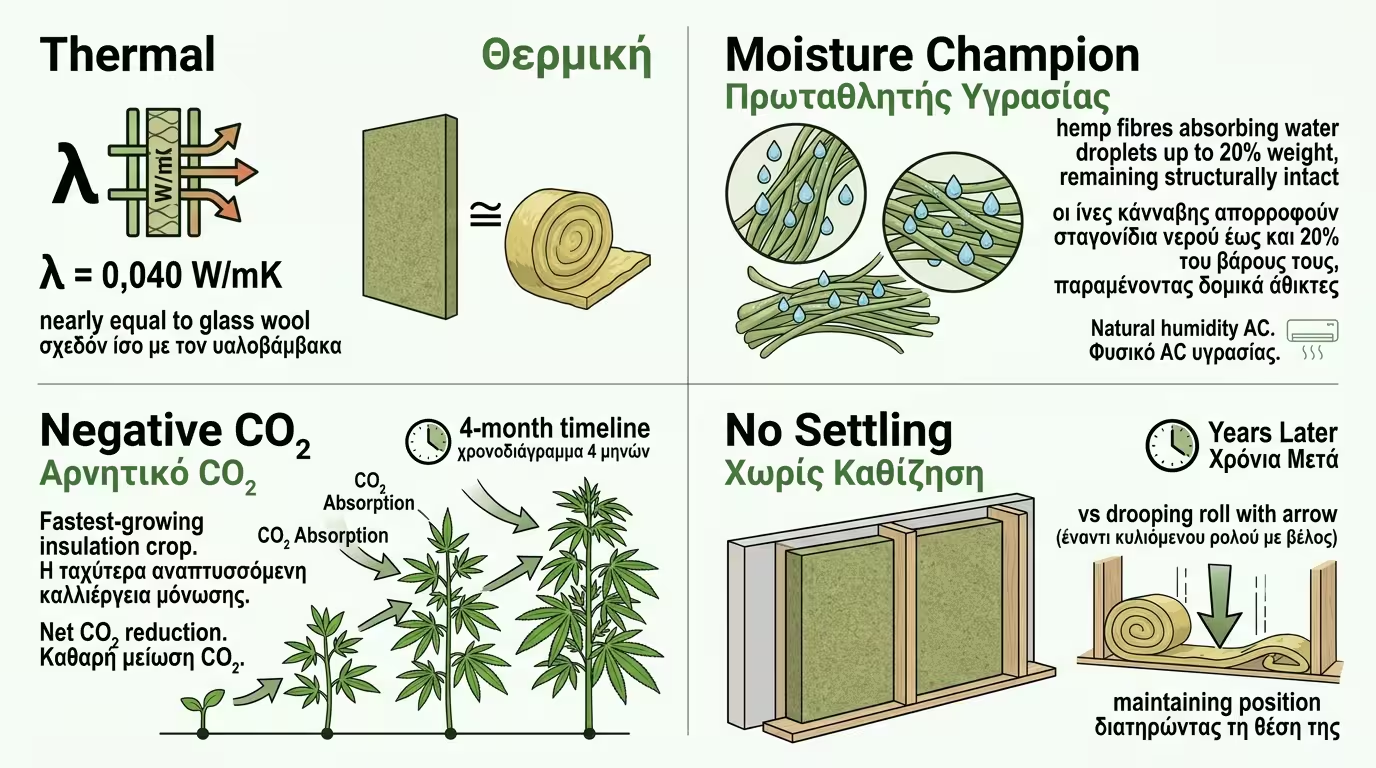
The thermal conductivity coefficient sits at λ = 0.040 W/mK. In practical terms it insulates almost equivalently to conventional glass wool, but without any mineral or petrochemical content.
Hemp can absorb up to 20% of its weight in moisture without losing its insulating properties or rotting. It acts as a natural "humidity air-conditioner," passively regulating the indoor microclimate.
Hemp grows to full maturity in just 4 months, absorbing enormous quantities of CO₂ from the atmosphere during its growth phase. It is perhaps the most sustainable plant-based raw material for insulation products.
Hemp boards have excellent mechanical cohesion. Unlike some mineral wool rolls, they do not "settle" or gradually slide down in vertical wall cavities over the years.
The same wool that keeps you warm inside a jumper in winter can go between your walls. Sheep's wool is washed, combed and impregnated with borate salts to give it fire-retardant and antiseptic properties, eliminating any risk of mould or moth damage.
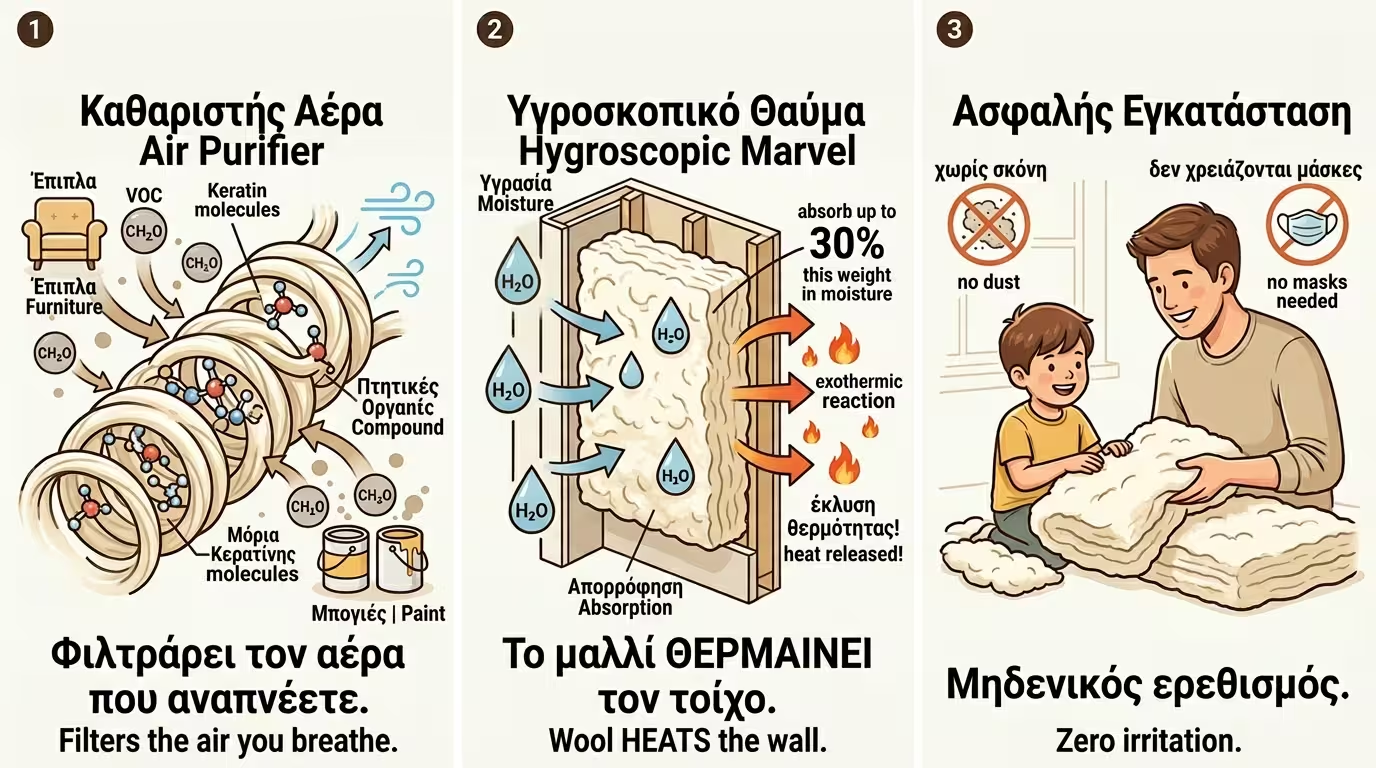
What truly sets wool apart is its keratin content. Keratin (the same protein found in your hair and nails) chemically binds and neutralises volatile organic compounds (VOCs) such as formaldehyde emitted by new furniture, paints and varnishes. It literally filters the air you breathe!
Wool can absorb 30% of its weight in moisture without getting wet. During the absorption process, an exothermic chemical reaction occurs - meaning the wool releases heat! In practice, it warms your wall at exactly the moment humidity rises.
Unlike rock wool and glass wool, sheep's wool is soft, produces no dust and causes no itching. It cuts easily with scissors and you can install it with bare hands - no PPE required at all.
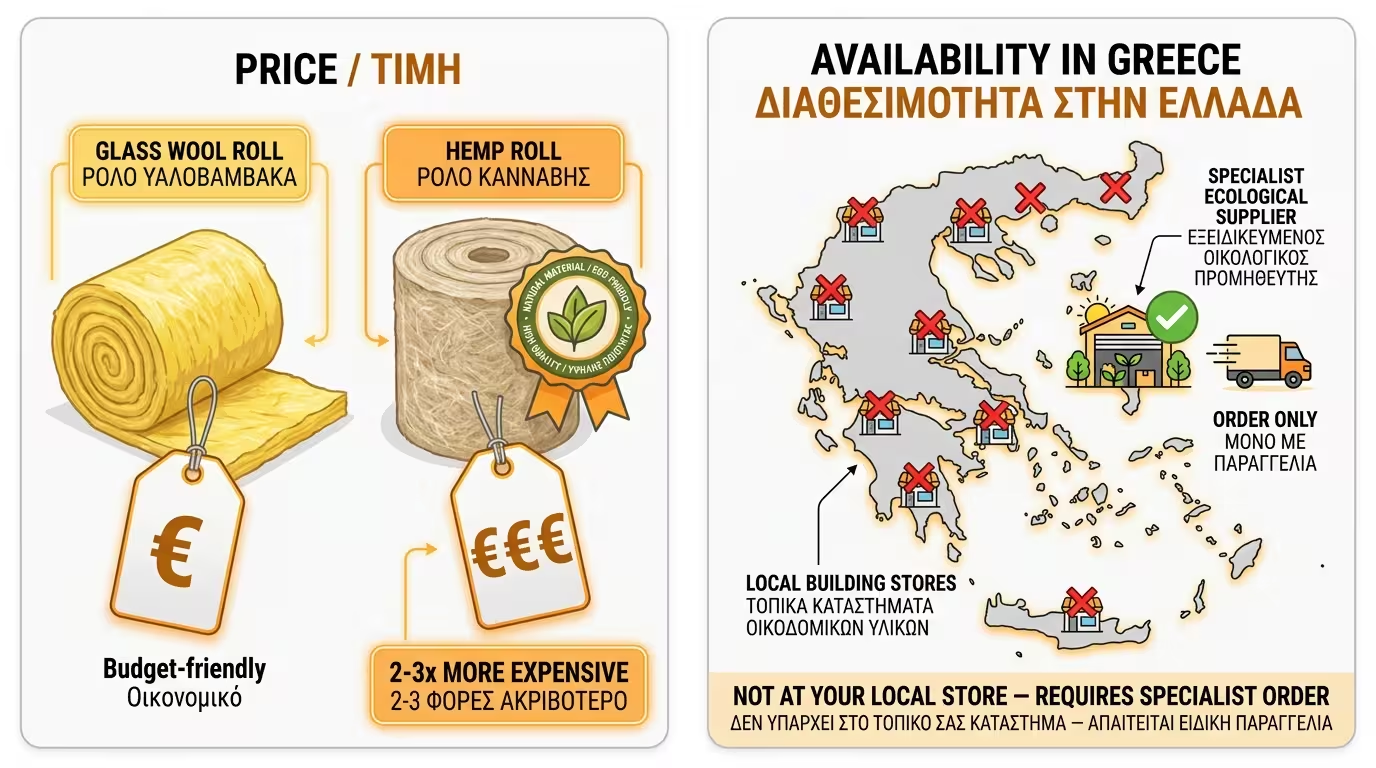
Despite these impressive advantages, two practical factors hinder mass adoption of these materials in Greece. Price: They cost 2-3 times more than conventional glass wool, making them initially inaccessible on tight budgets. Availability: You won't find them at your local building store - sourcing them requires specialist ecological building suppliers, often through importation.
We renovate a children's bedroom in our digital house, located in a humid seaside area. Internal insulation behind plasterboard. We test two solutions.
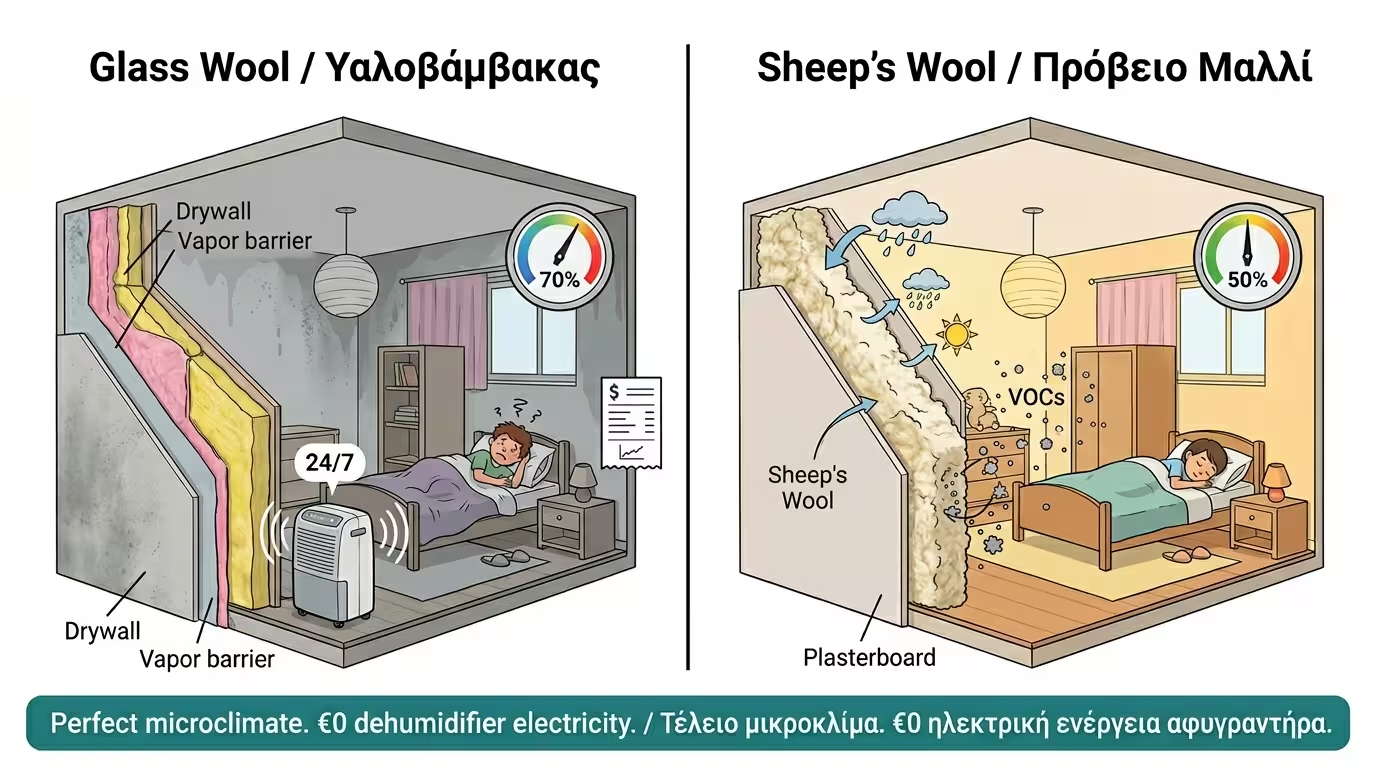
The room is warm in winter, but the glass wool cannot regulate relative humidity. Result: an electric dehumidifier must run 24/7, adding to the electricity bill and creating noise in the child's room.
Wool "drinks" the rainy-day moisture while simultaneously warming the wall through its exothermic reaction. In sunshine it gradually releases that moisture. Alongside this, it captures formaldehyde from the new children's furniture. Result: perfect microclimate, €0 in dehumidifier electricity, clean air for the child.
💡 Conclusion: If you are renovating a stone house on an island with humidity problems, or want a demonstrably toxin-free environment for your children, hemp and sheep's wool are not a luxury - they are the most natural and holistic solution to modern sustainability and health challenges.
Return to category.
Go to categoryReturn to the central guide.
Go to guide