🏠 Apartment Separation
Each flat must form a separate fire compartment (separated from its neighbours by walls with a specific fire resistance, e.g. REI 60).
The Fire Protection Code is arguably the strictest legislation in building construction. And rightly so - it is written on lessons learned from past tragedies.
The legislator's core philosophy is simple: The risk dictates the measures. If you're sleeping at home with your family, you know the exits and can leave quickly. If you're in a hotel or an underground club with 500 strangers, panic is certain and escape is difficult. So the rules change.
For detached houses and typical blocks of flats (where permanent residents live), the law focuses primarily on Passive Fire Protection and safe evacuation.
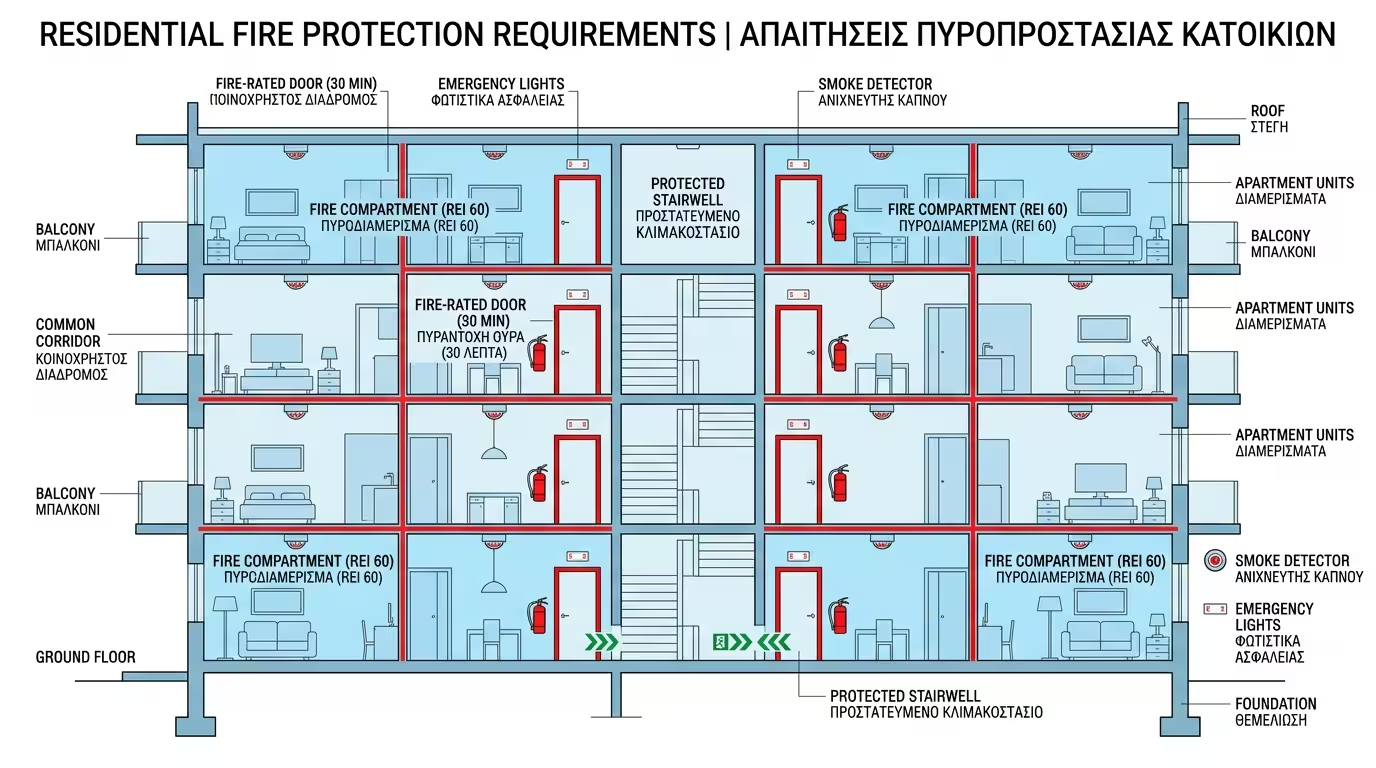
Each flat must form a separate fire compartment (separated from its neighbours by walls with a specific fire resistance, e.g. REI 60).
The block's staircase is the "sacred" escape route. Apartment doors facing the stairwell must be fire-rated (typically 30 min), so that if a flat catches fire, the staircase doesn't fill with smoke.
These are usually modest. Portable fire extinguishers in common areas, emergency lighting (for power cuts) and simple smoke detectors (in new buildings) are required.
When we talk about hotels, shopping centres, hospitals, schools or factories, the law doesn't joke. Requirements skyrocket - and so does the construction cost.
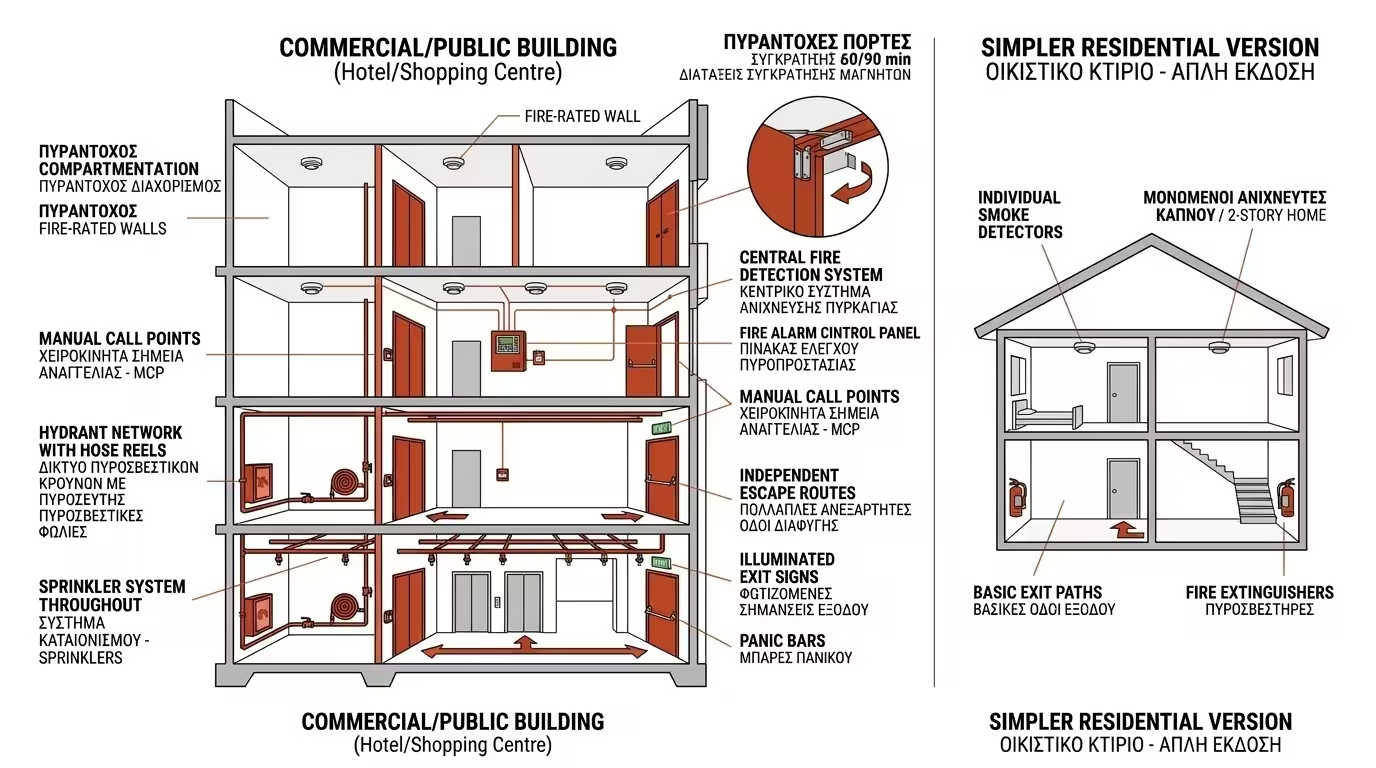
The building is divided into strict "boxes". Corridor doors are fire-rated (60 or 90 min) and close automatically via magnets the moment the alarm sounds.
A single fire extinguisher isn't enough. Central fire-detection systems, manual call points, permanent hydrant networks (hose reels) and, in large or underground spaces, a mandatory sprinkler system are required.
One staircase isn't enough. Public-assembly occupancies require at least two (or more) independent and protected emergency exits, with illuminated EXIT signage and panic bars on doors.
This is where most owners run into trouble. If you have an old ground-floor flat and decide to turn it into a restaurant, tutorial centre or clinic (Change of Use), the residential rules no longer apply!
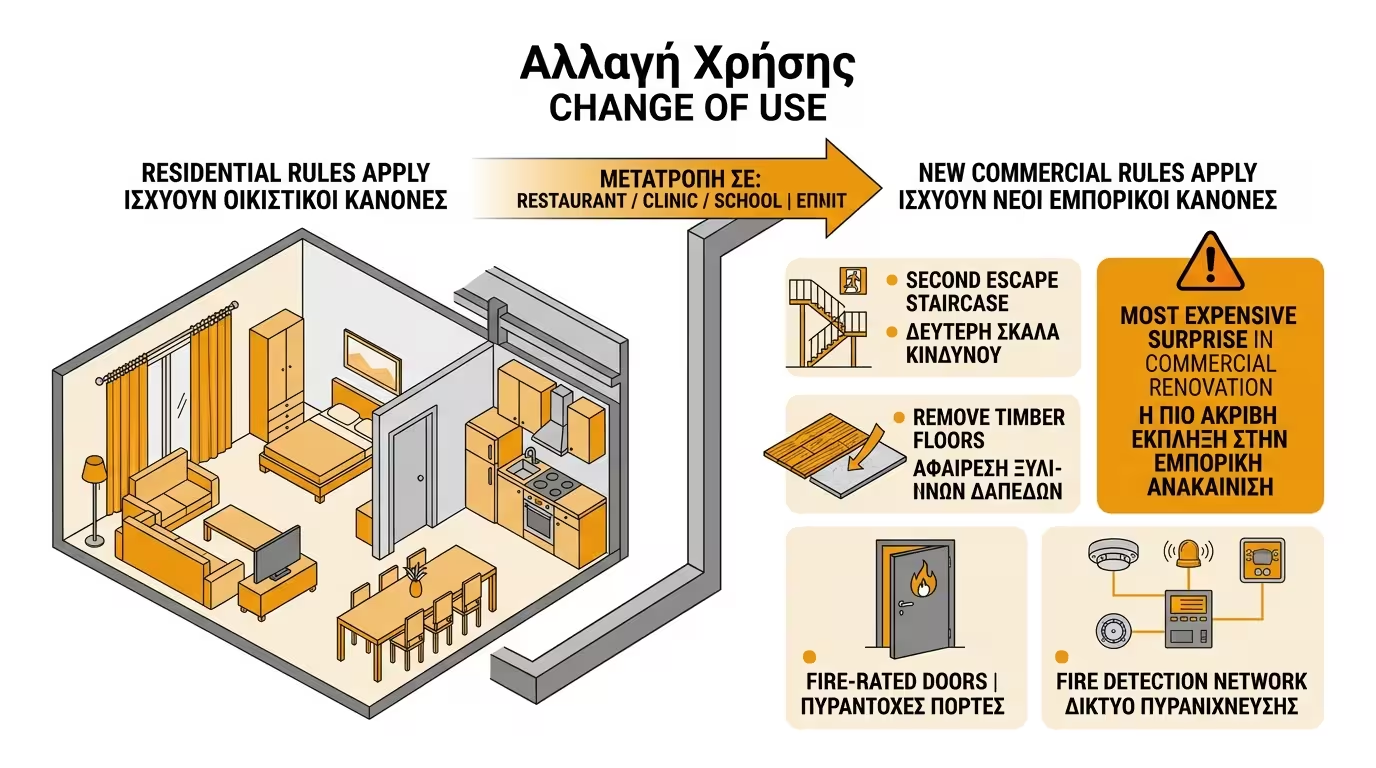
The Fire Service will require you to implement the measures for the new use. This often means building a second escape staircase, removing timber floors, fitting fire-rated doors everywhere and installing fire-detection networks. It's the most expensive "surprise" in a commercial refurbishment.
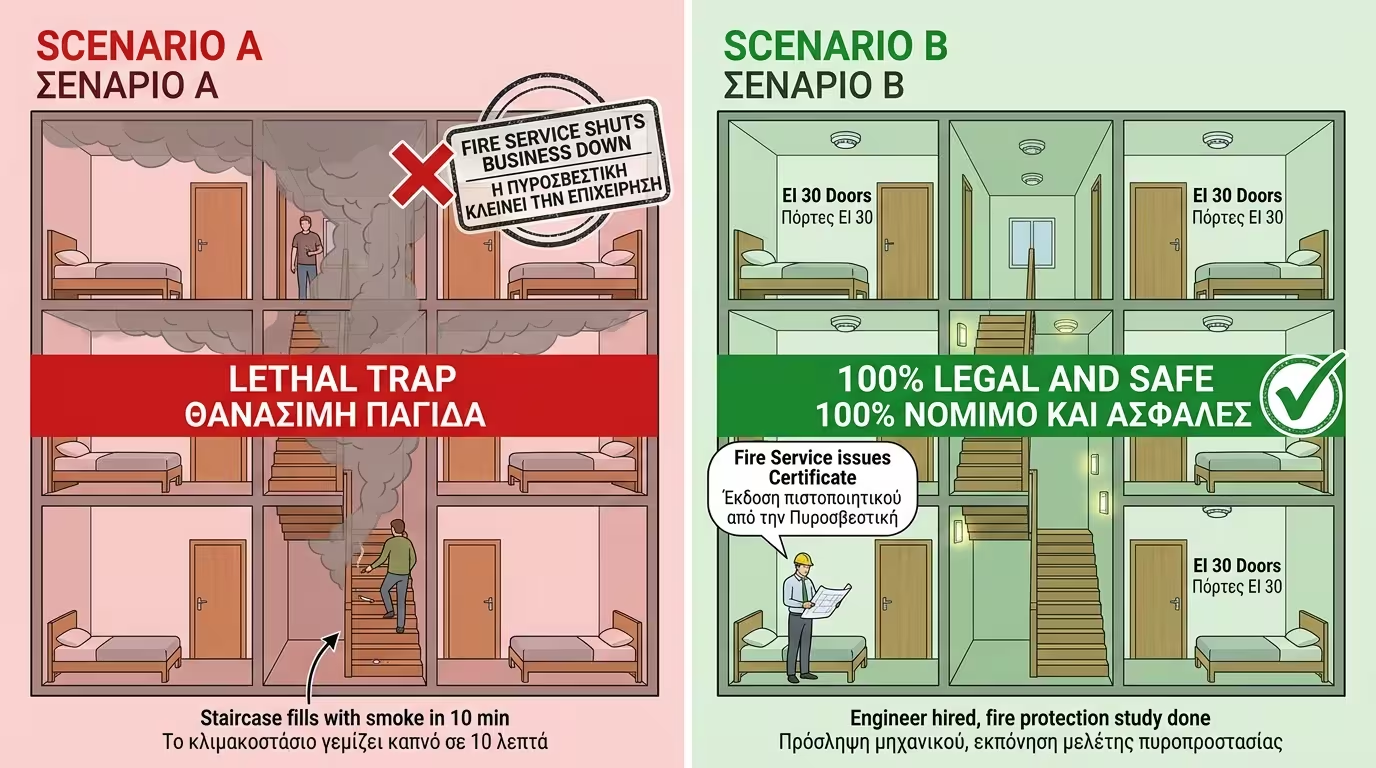
We buy an old, three-storey house. We want to rent it out as rooms.
We fit nice beds, put plain wooden doors in the rooms and start accepting guests. A guest forgets a cigarette. In 10 minutes, the timber staircase (the only way out) is filled with smoke. The building is a lethal trap. The Fire Service shuts our business down (at best) or we end up in prison (at worst).
We hire an Engineer. We commission a Fire Protection Study. We fit fire-rated doors (EI 30) on every room. We install a central fire-detection system that sounds throughout the building, plus emergency lighting. The Fire Service issues us the Certificate. We sleep soundly, knowing our business is 100 % legal and safe.
The Bottom Line: The Fire Protection Code isn't mere "red tape" for getting a permit. It's your building's survival manual. Never start a construction project or change of use unless your engineer has first "locked in" the exact use category and fire-safety requirements.
Return to category.
Go to categoryReturn to the central guide.
Go to guide