🧪 Chemical Attack
Stagnant water concentrates pollutants, acid rain and dust, which slowly "eat" the waterproofing material.
Go up to your flat roof the day after heavy rain. If you see puddles of water (ponding water) still sitting there, you have a problem. Your ceiling may not be dripping yet, but the countdown to the destruction of your insulation has already begun.
A flat roof, in reality, must never be completely flat! It needs an imperceptible slope that directs every raindrop straight to the drains. Creating this slope is known in construction as creating falls (drainage slopes).
Waterproofing materials (such as bitumen membranes or liquid- applied polyurethanes) are designed to withstand water running over them, not water sitting on them for weeks.
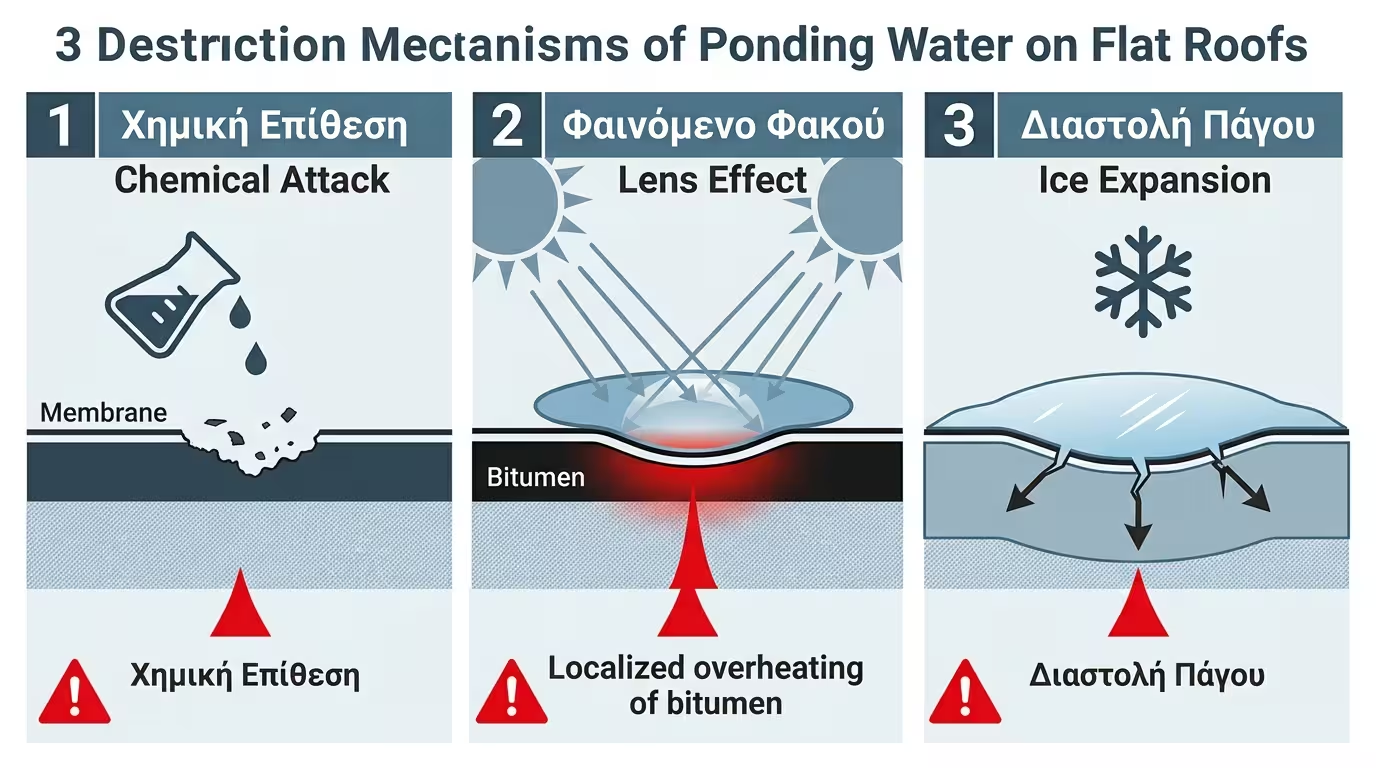
Stagnant water concentrates pollutants, acid rain and dust, which slowly "eat" the waterproofing material.
In summer, after a shower, the blazing sun comes out. The water in the puddle acts as a magnifying lens. It locally overheats the bitumen membrane, which melts, cracks and loses its elasticity.
In winter, the puddle freezes. Ice expands (increases in volume) and literally tears the waterproofing.
To give the flat roof a slope, we cannot pour standard concrete, because that would add enormous, dangerous weight to the building. The solution is Lightweight Concrete (Foam or Perlite Concrete).
This is a special, cellular material (full of air bubbles) pumped onto the roof by hose. It is feather-light, provides a small degree of thermal insulation on its own, and most importantly, is shaped by the workers to create the necessary "ridges" and slopes.
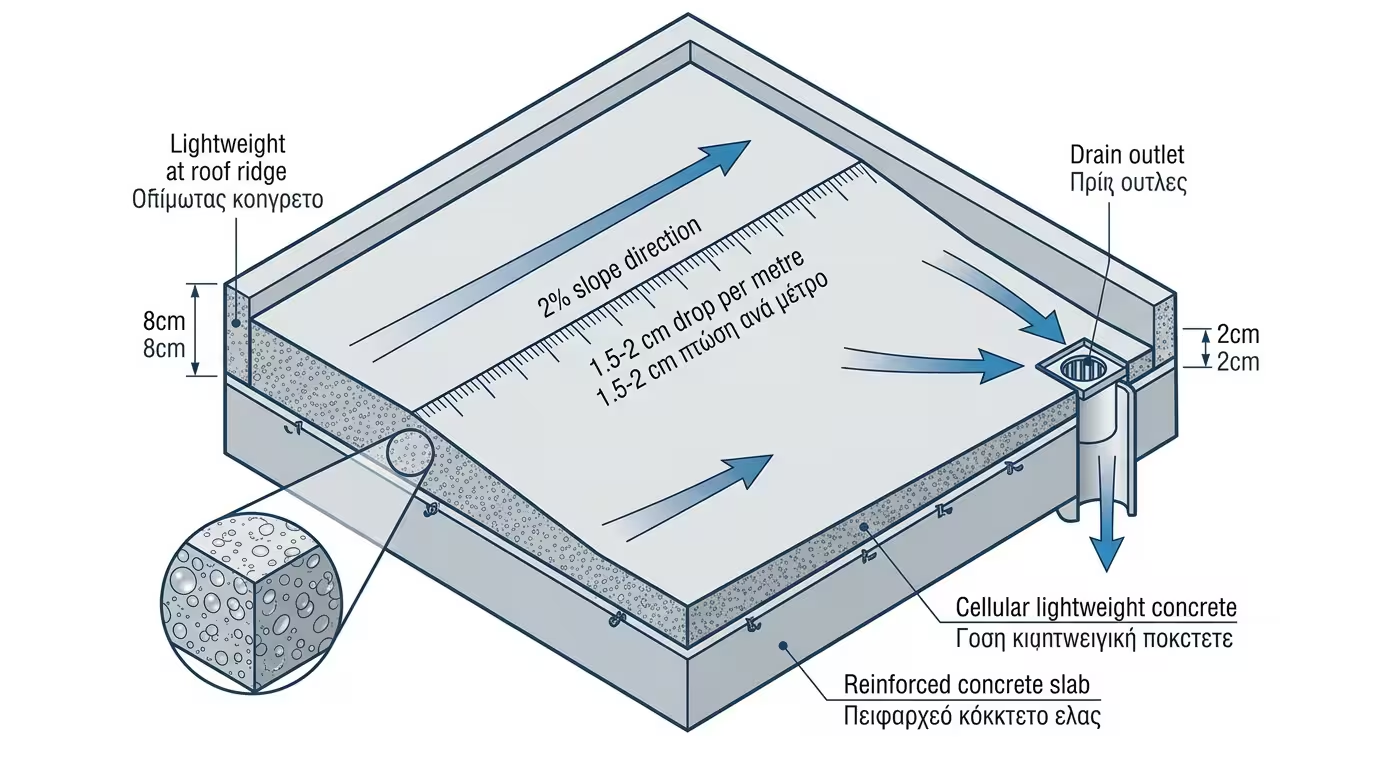
Technical specifications require the slope to be at least 1.5% to 2%. What does this mean in practice? For every metre away from the highest point toward the drain, the lightweight concrete thickness must decrease by 1.5 to 2 centimetres. With this slope, water runs off quickly and the roof dries in minutes!
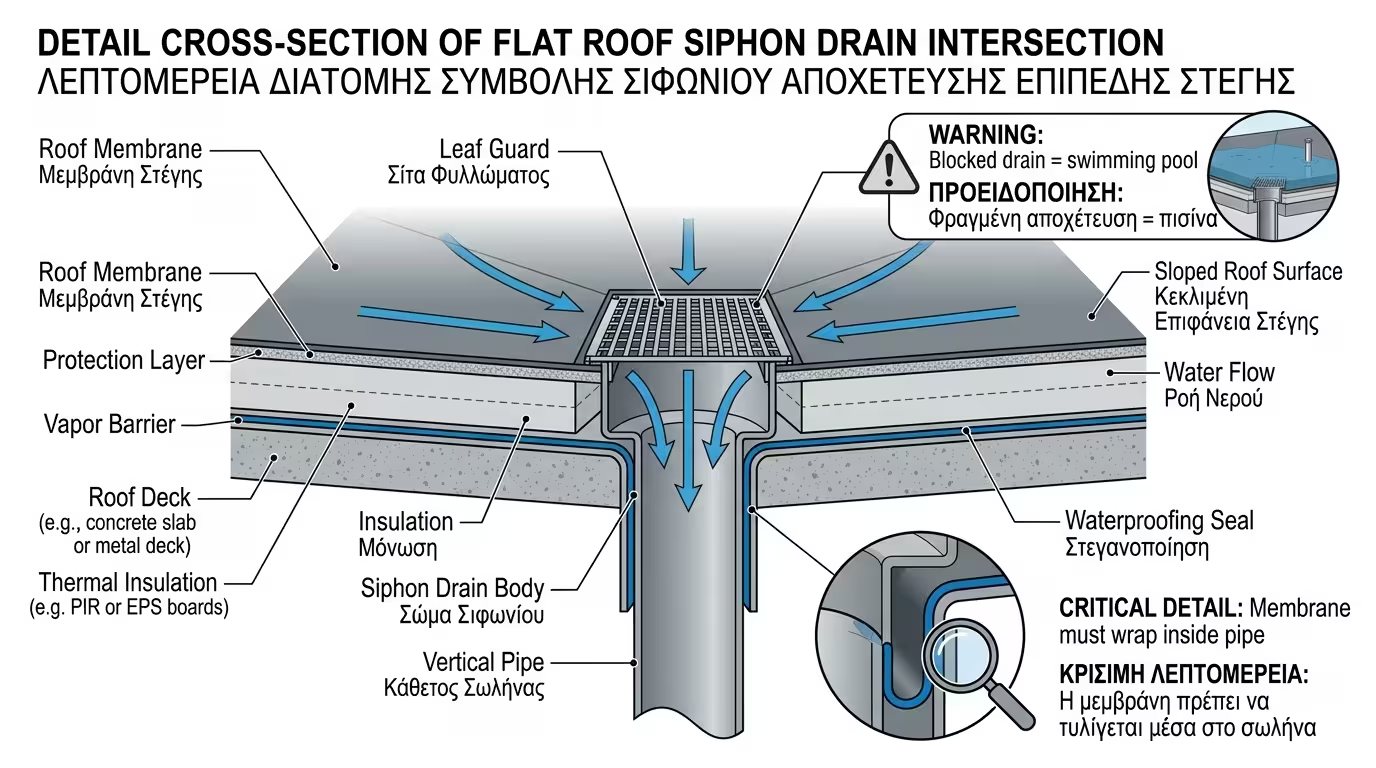
No matter how much slope you create, if the drain hole is blocked, the roof will become a swimming pool. The points where the falls meet the drain must be checked regularly (special leaf guards should be fitted) and the waterproofing must "turn" deep into the pipe to prevent leaks around the opening.
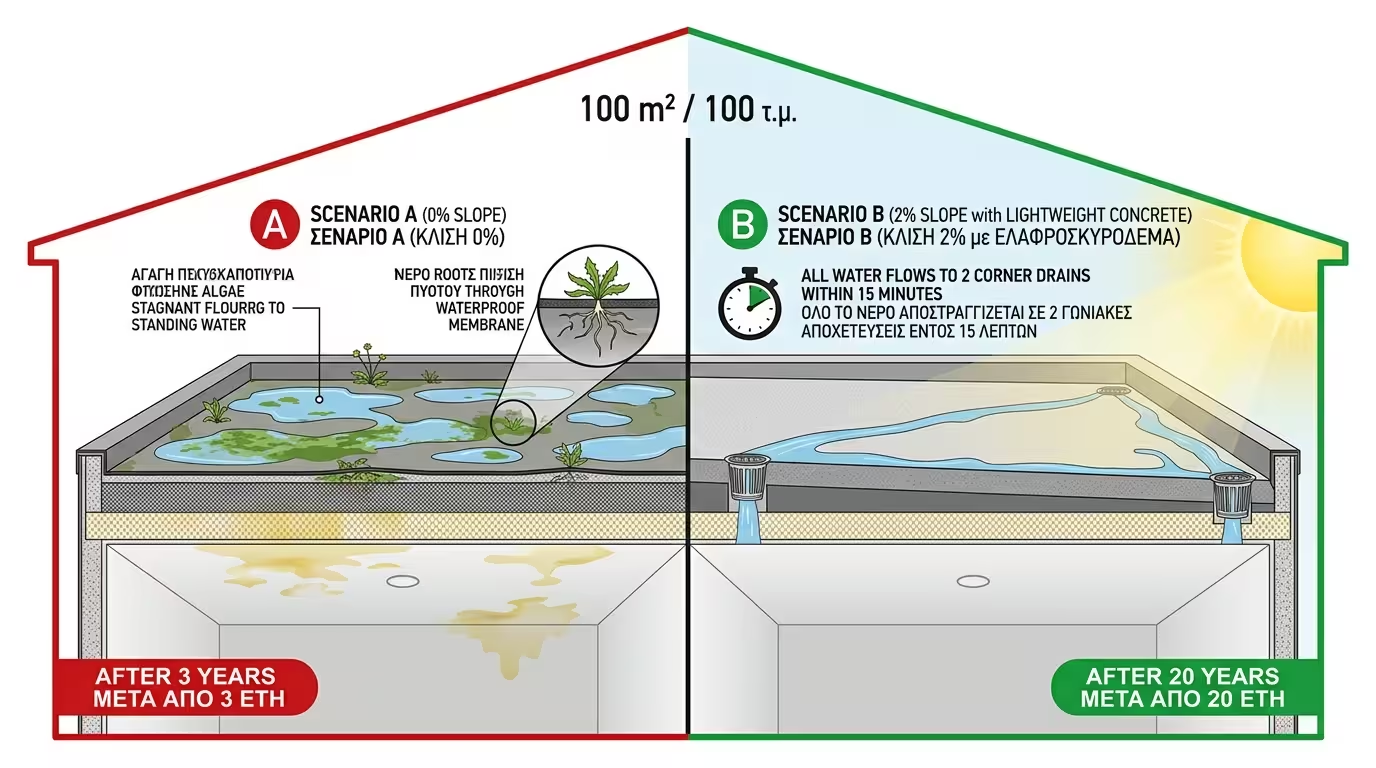
Our flat roof receives a torrential autumn downpour lasting 3 hours.
The rain stops. The roof is full of large, shallow puddles. After a week, the water has filled with mud and small weeds have sprouted (whose roots pierce the bitumen membrane). In 3 years, the living room ceiling shows yellow stains.
The rain stops. Within 15 minutes, all the water has run to the 2 drain outlets at the corners. The sun comes out and the roof dries completely almost immediately. No thermal shock, no puddles. The waterproofing remains intact for the next 2 decades.
The Final Conclusion: If your contractor suggests "saving" on the lightweight concrete and laying waterproofing directly on the old, uneven slab, refuse categorically. Proper falls are the foundation on which the entire protection of your flat roof is built. Without falls, you don't have insulation; you have a swimming pool on standby!
Return to category.
Go to categoryReturn to the central guide.
Go to guide