Footsteps, Heels and Chairs: The Relentless Physics of Impact Noise

In previous sections we fought Airborne Noise (voices, music). There, the sound started in the air, hit the wall, lost much of its energy and tried to pass through.

With Impact Noise, the rules change dramatically. Here, the sound does not start from the air. It starts with a direct, violent, mechanical impact on the building skeleton itself!

The Physics of Impact: The Building as a "Tuning Fork"

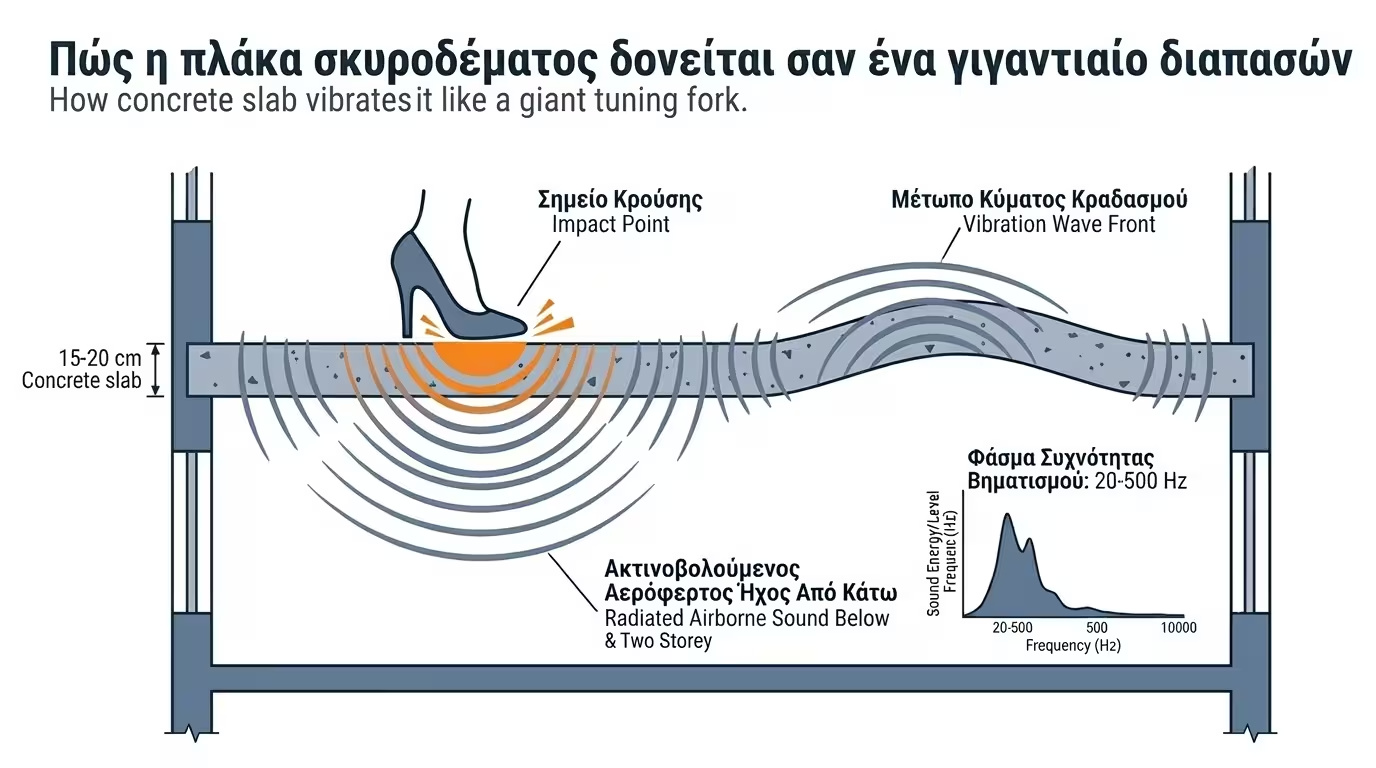
Imagine the concrete slab separating your ceiling from your upstairs neighbour's floor. When the neighbour walks in wooden clogs, drops a heavy object or drags a dining chair, the energy of that impact passes directly, at 100%, through the hard floor (tiles, marble) and into the concrete slab.

Concrete (because of its enormous density) is a terrifyingly good conductor of vibrations. Sound within solids travels much faster and with far fewer losses than in air. The entire slab starts vibrating, like a giant tuning fork!

Concrete slab vibrating like a giant tuning fork from heel impacts

The Great Misunderstanding: "I'll Fix My Ceiling and Be Saved"

This is the most common (and expensive) mistake made by suffering downstairs residents. They hear the heels above and think: "I'll spend €1,500, build the perfect acoustic suspended ceiling, and have peace".

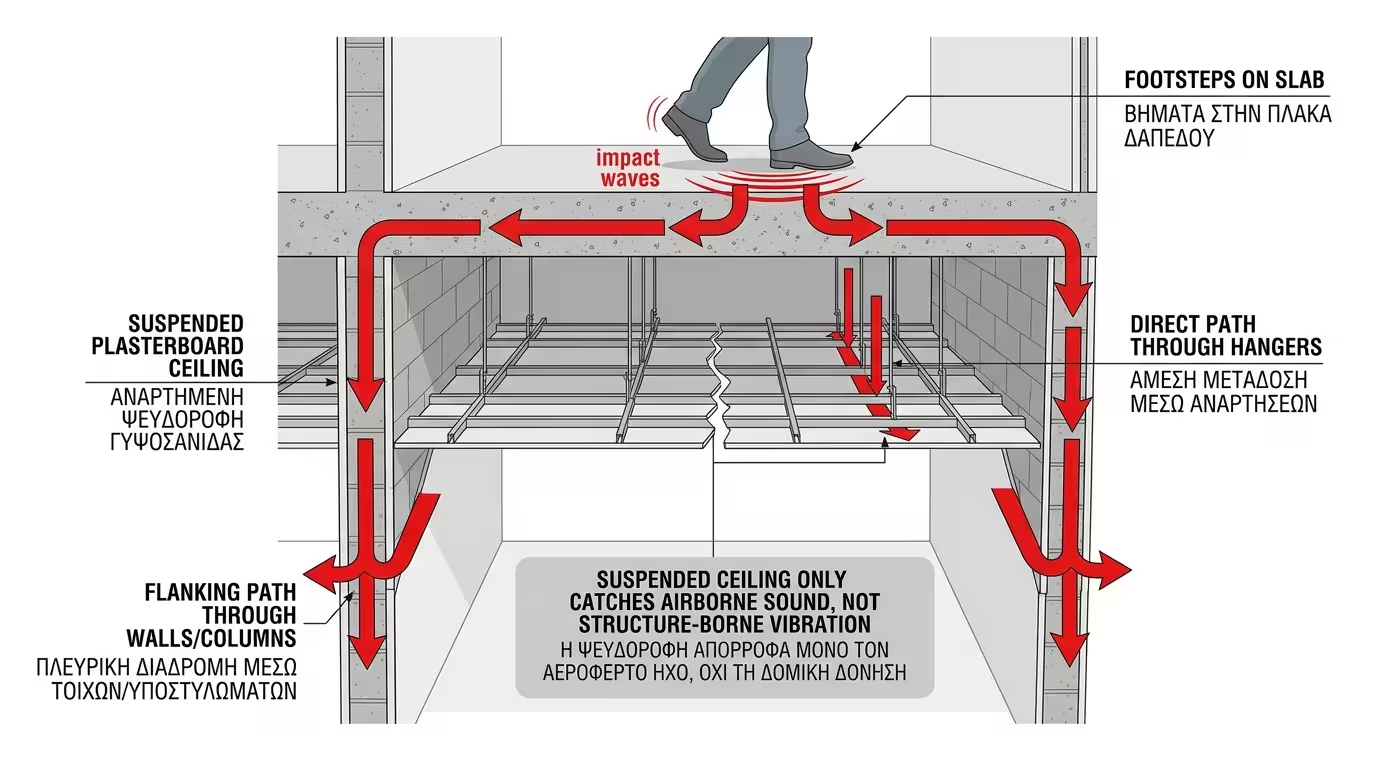
They build the ceiling, and the next evening they hear the heels again! Why? Because the impact vibration entered the concrete. Your ceiling concrete is rigidly connected to the columns and vertical walls. The vibration "runs" through the columns, travels down into your side walls and makes them radiate sound! This is called Flanking Transmission.

You can perfectly insulate your ceiling, but the footstep sound will come at you... from the walls! To escape, you would need to build a "room within a room" (ceiling AND all 4 walls), losing enormous space and money.

Suspended ceiling: sound bypasses through columns and walls

The Only Cure: Kill the Sound at the Source!

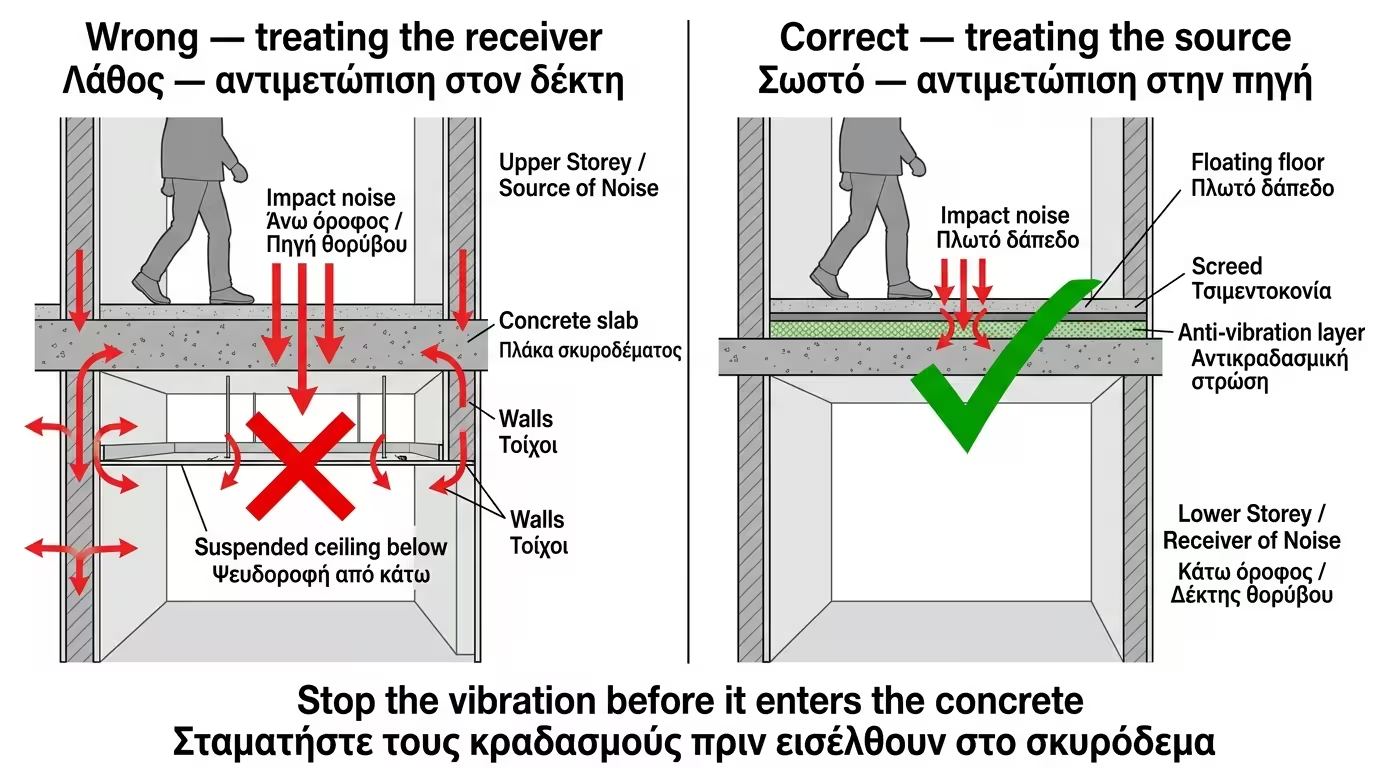
The only effective way to stop impact noise is to never let it enter the concrete slab.

This means soundproofing must be done on the neighbour's floor (or your own, if you are the one disturbing those below). The contact between shoe (or furniture) and hard floor must be "broken". The floor must become "floating", sitting on elastic materials (shock absorbers) that absorb the impact before it reaches the building.

The solution: floating floor upstairs stops impact before it enters concrete

The Experiment in Our Model (The Neighbour's Heels)

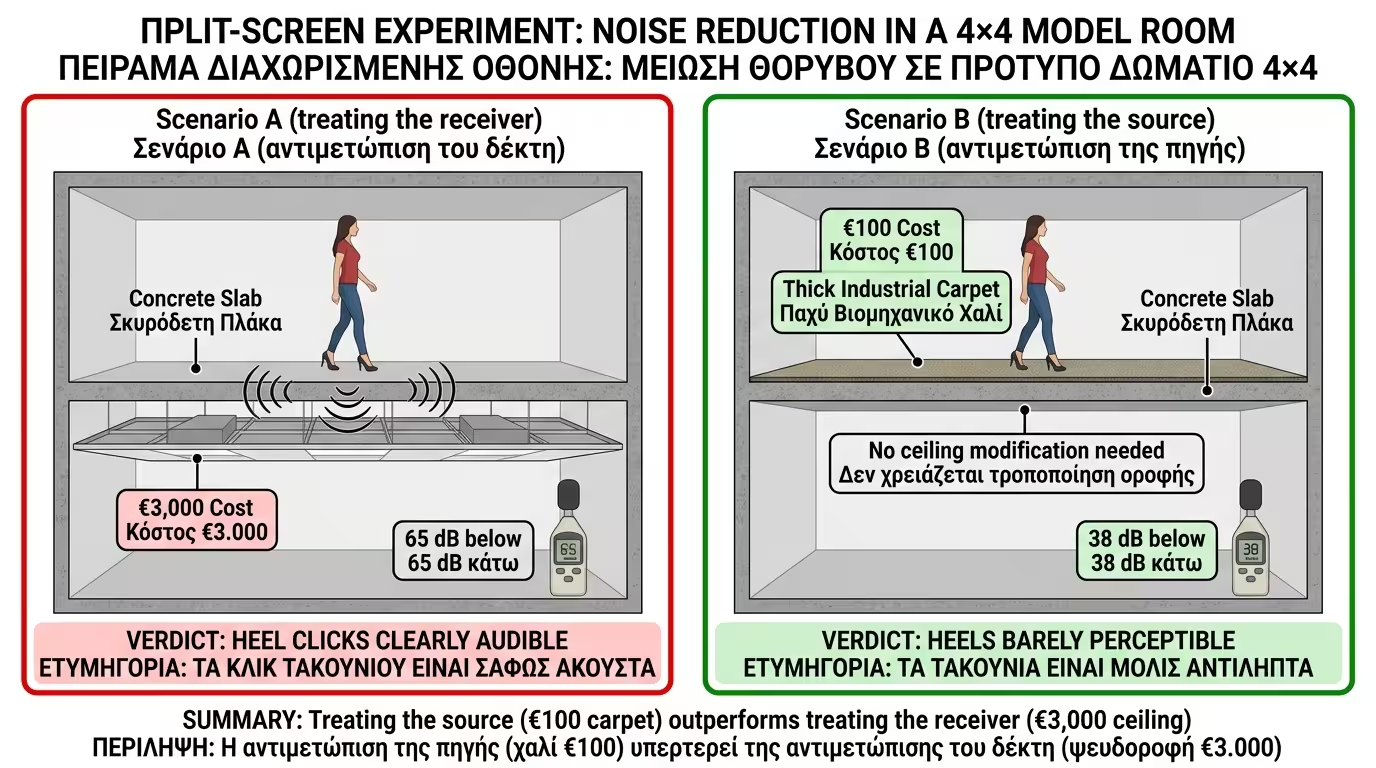
Experiment: Scenario A (ceiling, sound from walls) vs Scenario B (carpet €100, silence)

You live on the 1st floor. The neighbour on the 2nd wakes at 6 AM, puts on heels and walks on her bare marble. You are jolted out of bed.

❌ Scenario A (The Wrong Defence)

You don't speak to her. You call a builder, lose 15 cm of room height and build a suspended ceiling. The next morning, the neighbour walks. Your ceiling is silent, but you hear "click-click" from the wall against your bed (vibration descended through the column). Frustration and wasted money.

✅ Scenario B (The Logic of the Source)

You go upstairs and speak kindly. You agree (instead of €1,500 on a ceiling) to buy her a thick, fluffy runner (rug) for the walkways, or to put felt pads on her chairs. Cost: €100. The heel impact hits the carpet, is absorbed on the spot and never enters the concrete. The next morning you sleep like a baby!

The Final Conclusion: Airborne noise is "air" and you can block it by building walls. Impact noise is vibration of the building itself. If you let it enter the skeleton, you have lost the game. The solution always lies in the floor from which the impact originates!

Related Articles

Sound Insulation: Silence and Noise Protection

Return to category.

Go to category

Preview