🌧️ The Raindrop Cannot Fit
The raindrop is far too large. It cannot pass through these pores. So if a tile breaks, the water slides on the membrane and ends up in the gutter. The timber stays dry.
If you have ever been skiing or hiking in the mountains, you probably wore a Gore-Tex jacket. The magic of these jackets is that if it rains, not a single drop enters. Yet if you sweat, the perspiration evaporates and escapes, keeping you dry.
In the construction of a modern timber roof with tiles, we use exactly the same "Gore-Tex" technology for the house. This is the job of the Breathable Membrane.
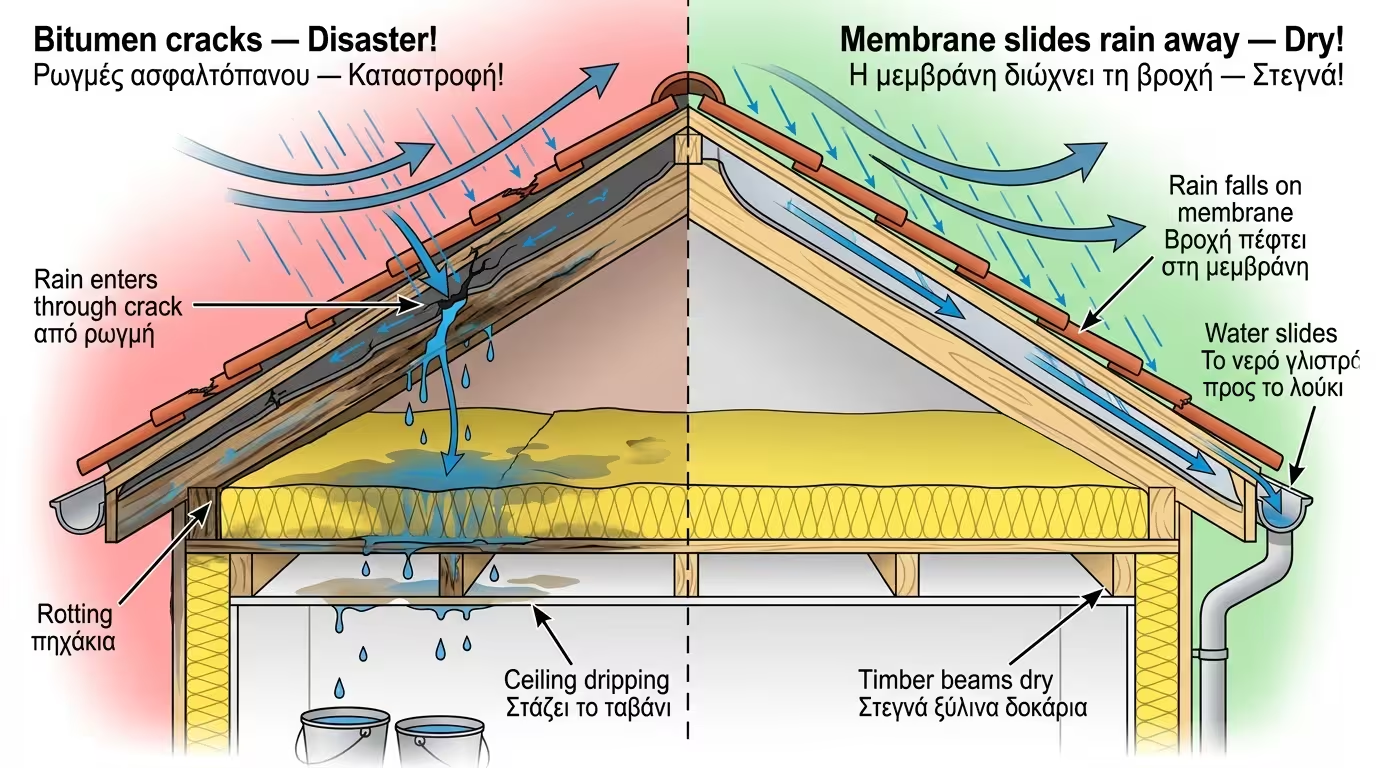
In the past, under the tiles, workers would "torch" tar paper or bitumen felt to make the roof waterproof. The felt did stop rainwater if a tile broke. But it had an enormous disadvantage: it was completely impermeable from both sides.
If any moisture from inside the house managed to enter the roof (or if the timber itself had retained some moisture from construction), that humidity was trapped under the tar. The result? The timber "cracked" and rotted, and the insulation (e.g. mineral wool) became soaked.
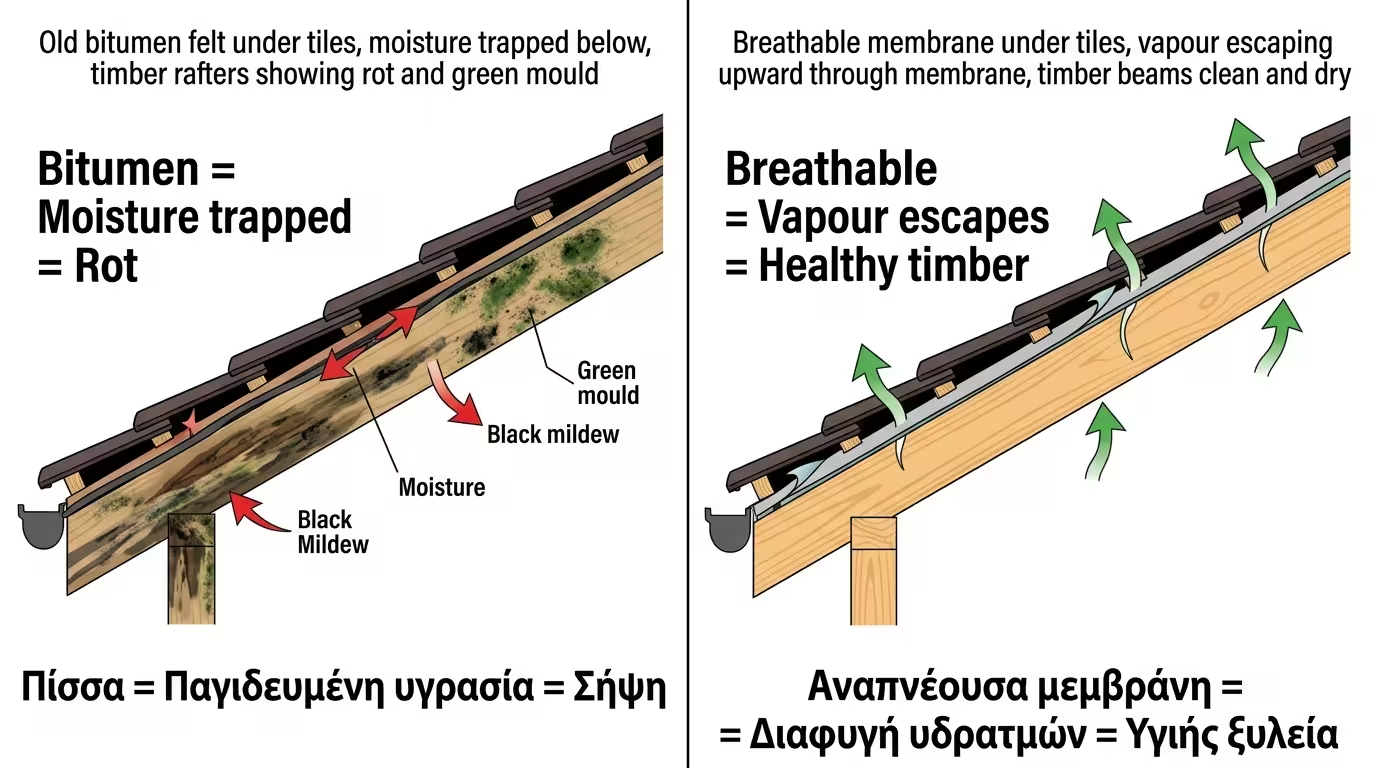
The breathable membrane is a "smart" material. It is filled with billions of microscopic pores. Physics works its magic here:
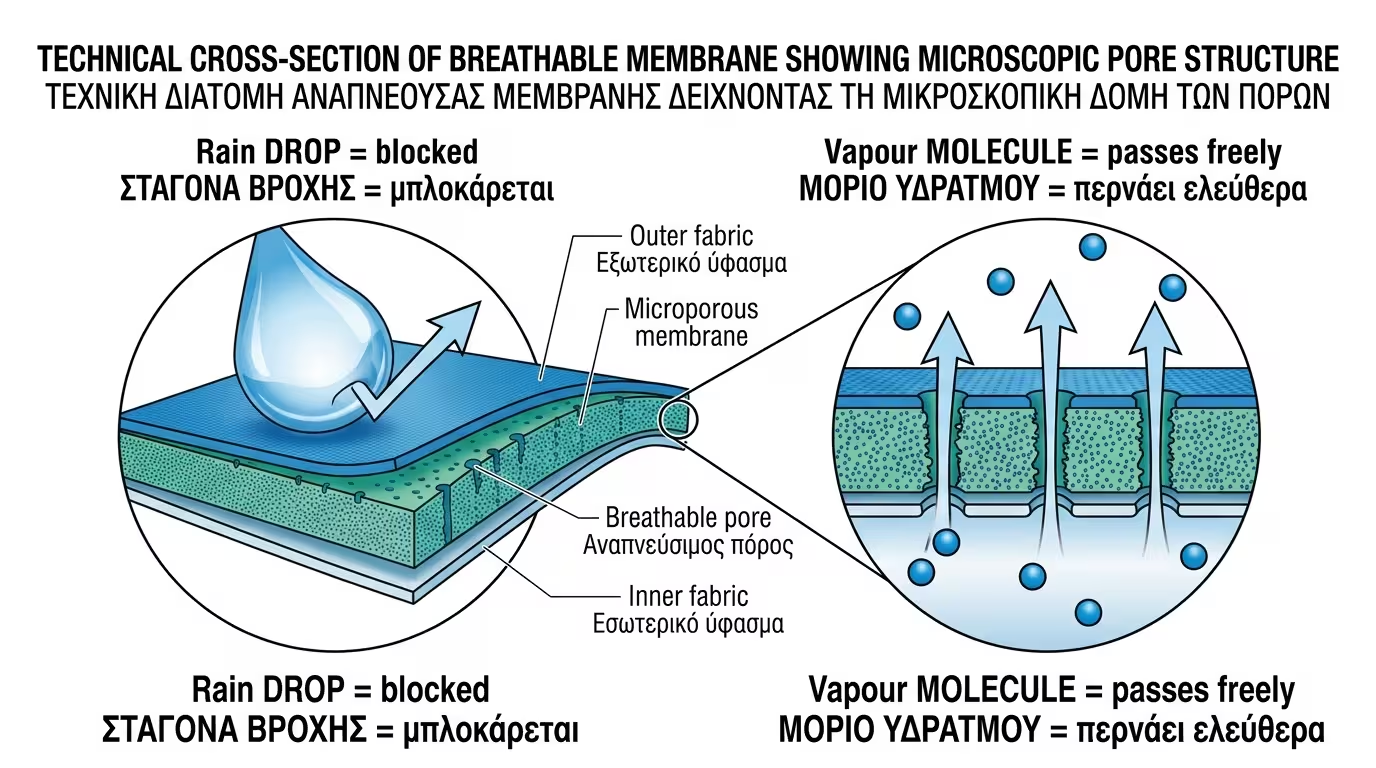
The raindrop is far too large. It cannot pass through these pores. So if a tile breaks, the water slides on the membrane and ends up in the gutter. The timber stays dry.
The water-vapour molecule (the house's "sweat") is thousands of times smaller than a drop. It easily passes through the pores. So if there is moisture trapped in the insulation, it evaporates, passes through the membrane and escapes skyward.
For a roof that will last 100 years without rotting, the order of materials (from inside to out) must be religiously followed:
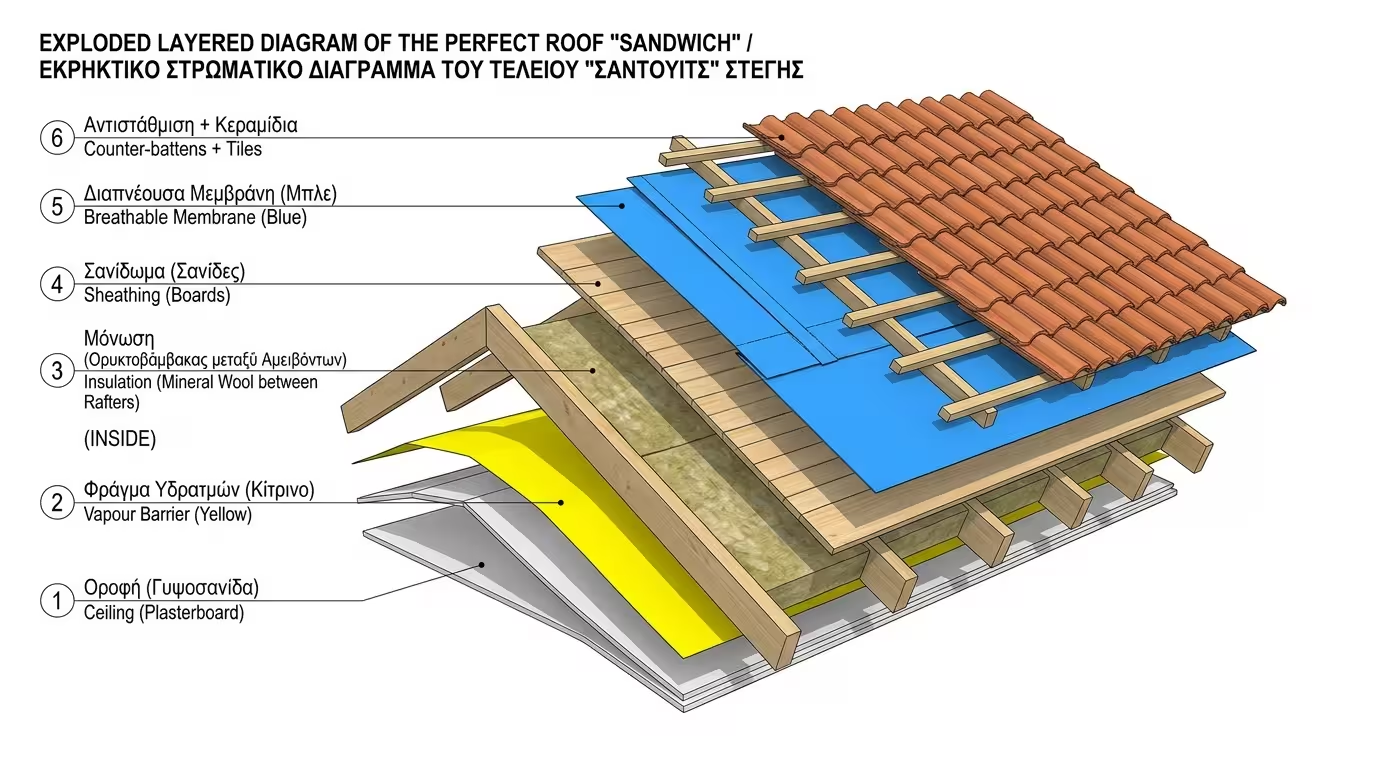
Your ceiling (e.g. plasterboard or tongue- and-groove timber). Behind it, the Vapour Barrier (the nylon we saw in the previous article), stopping 99% of indoor moisture. Then the Thermal Insulation (e.g. mineral wool) between the timber beams.
The Sheathing (boarding). On top, the Breathable Membrane, to release the 1% moisture that may have escaped and to stop rainwater. Finally, Counter Battens and Tiles.
We build a beautiful exposed timber roof on our virtual house. One winter night, a strong wind dislodges three tiles. It starts pouring.
Rainwater passes under the tiles. The old tar paper has cracked from the summer sun. Water infiltrates the mineral wool. Our ceiling starts dripping. Meanwhile, house moisture trapped from below has already begun rotting the battens. Disaster.
Rainwater enters under the broken tiles but falls onto the taut membrane. It slides down like a water slide and drains away. Not a drop touches the timber. Meanwhile, any moisture left in the beams from winter "breathes" freely outward. The house stays absolutely dry.
The Final Conclusion: Never skimp on the roof membrane. The extra €100 you spend on a heavy, branded breathable membrane (at least 135-150 grams per square metre, so it does not tear easily during installation) is the cheapest life insurance you can buy for the timber and insulation of your home!
Return to category.
Go to categoryReturn to the central guide.
Go to guide