PVC & TPO Membranes: The Modern Industrial Solution (Ideal for Huge
Surfaces)
If you climb onto the roof of a modern stadium, airport or large
logistics centre, you'll likely see neither black bitumen sheets nor
painted polyurethane coatings. You'll see a vast, brilliant white (or
grey) surface resembling a huge, taut plastic sheet.
These are synthetic membranes. They come in enormous rolls (wider than
bitumen sheets), are extremely lightweight, internally reinforced with
polyester mesh and installed at record speed. The market is dominated by
two main materials:
PVC and TPO.
1. The Great Battle: PVC vs TPO
Although they look the same to the eye, their chemistry is completely
different:
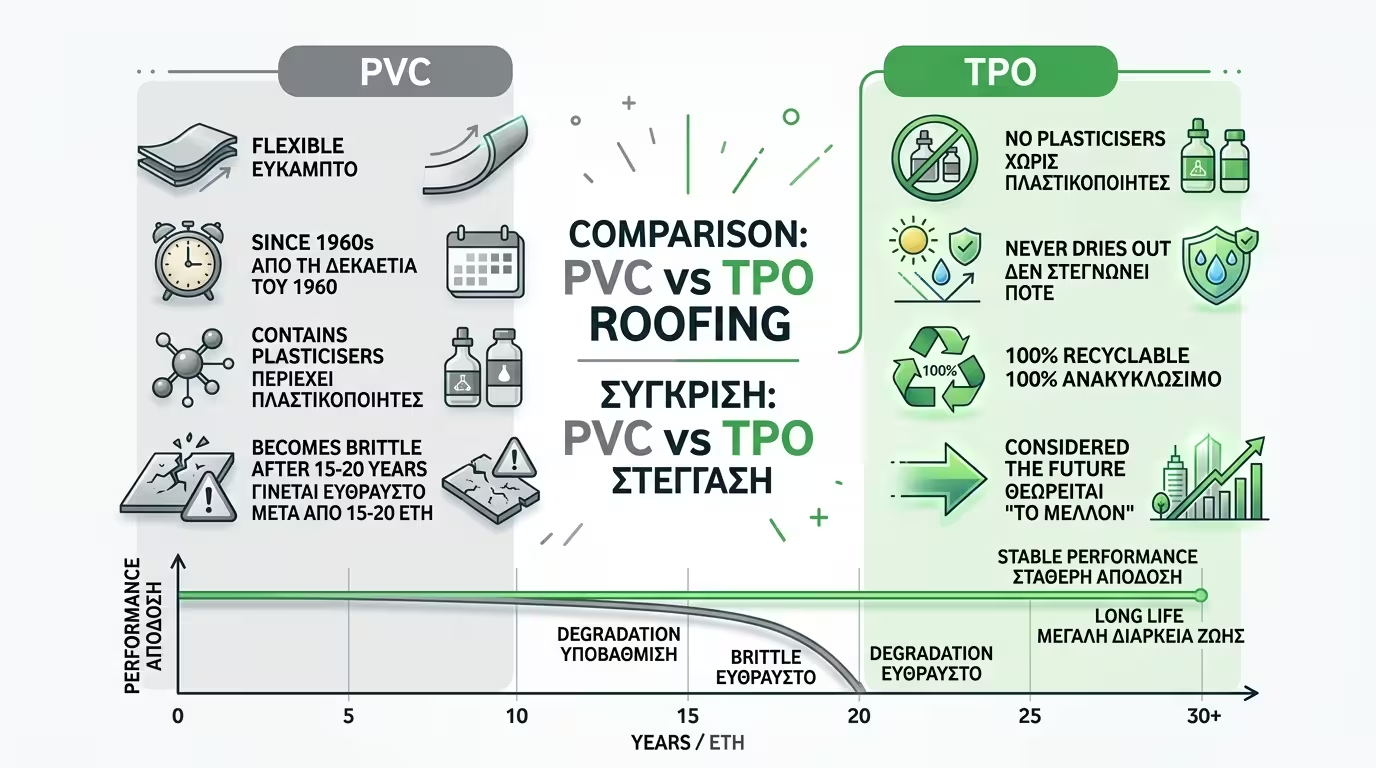
🧪 PVC Membranes (Polyvinyl Chloride)
The oldest and most proven technology (used since the 1960s).
Extremely flexible - ideal for roofs with many angles and level
changes. Superb chemical resistance.
Drawback: they contain plasticisers which after 15-20
years under the sun evaporate, making the membrane hard and brittle.
🧪 TPO Membranes (Thermoplastic Polyolefin)
The "new blood" of waterproofing. Combines rubber's strength with
plastic's weldability. Contains no plasticisers ,
so it never "dries out"! 100% recyclable (eco-friendly) with
stunning UV resistance. Slightly harder to work with, but considered the future
for large-scale construction.
2. How Are They Installed? (The End of the Blowtorch)
The greatest advantage of these membranes is safety.
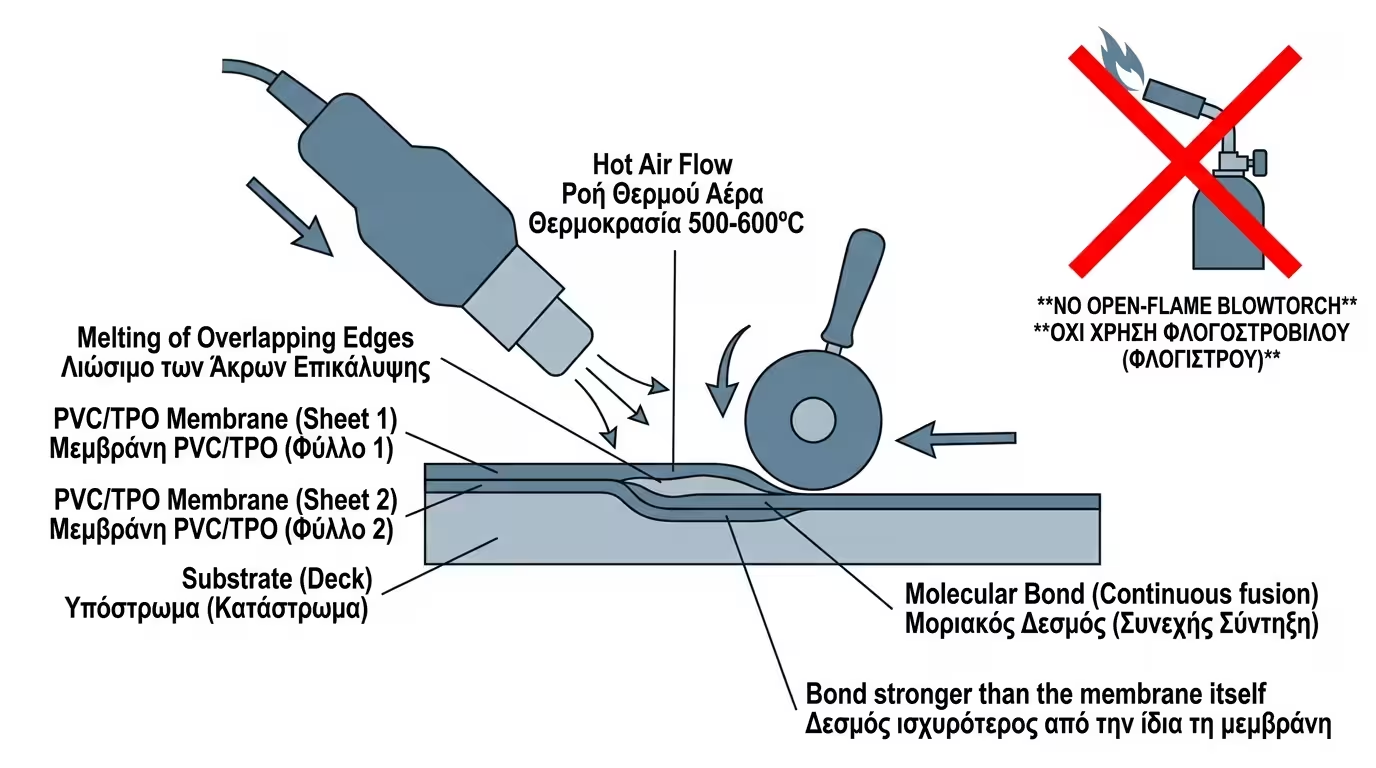
Open-flame blowtorch use is strictly prohibited! This
makes them the only option in factories, chemical plants or timber-frame
roofs where fire risk during installation is unacceptable.
🔧 Mechanical Fastening
Typically, the membrane is not bonded to its entire surface. It's
spread over the roof (above the insulation) and "nailed down" around
the perimeter and at joints with special anchors (washers) directly
into the concrete or steel sheet. It thus "floats" freely, absorbing
all building movements.
⚙️ Hot-Air Welding (The Magic Robot)
How are the rolls joined? With hot air. The
installer (or a specialised small robot) passes a machine blowing
air at 500°C - 600°C
between the two membranes. The plastic melts instantly and the two pieces
bond at molecular level. We're not talking about mere gluing - the two
rolls become
one single piece of plastic. The weld is literally
stronger than the membrane itself!
3. The 100 m² Model Experiment
Our roof is a flat, completely empty slab. We decide to install a TPO
membrane.
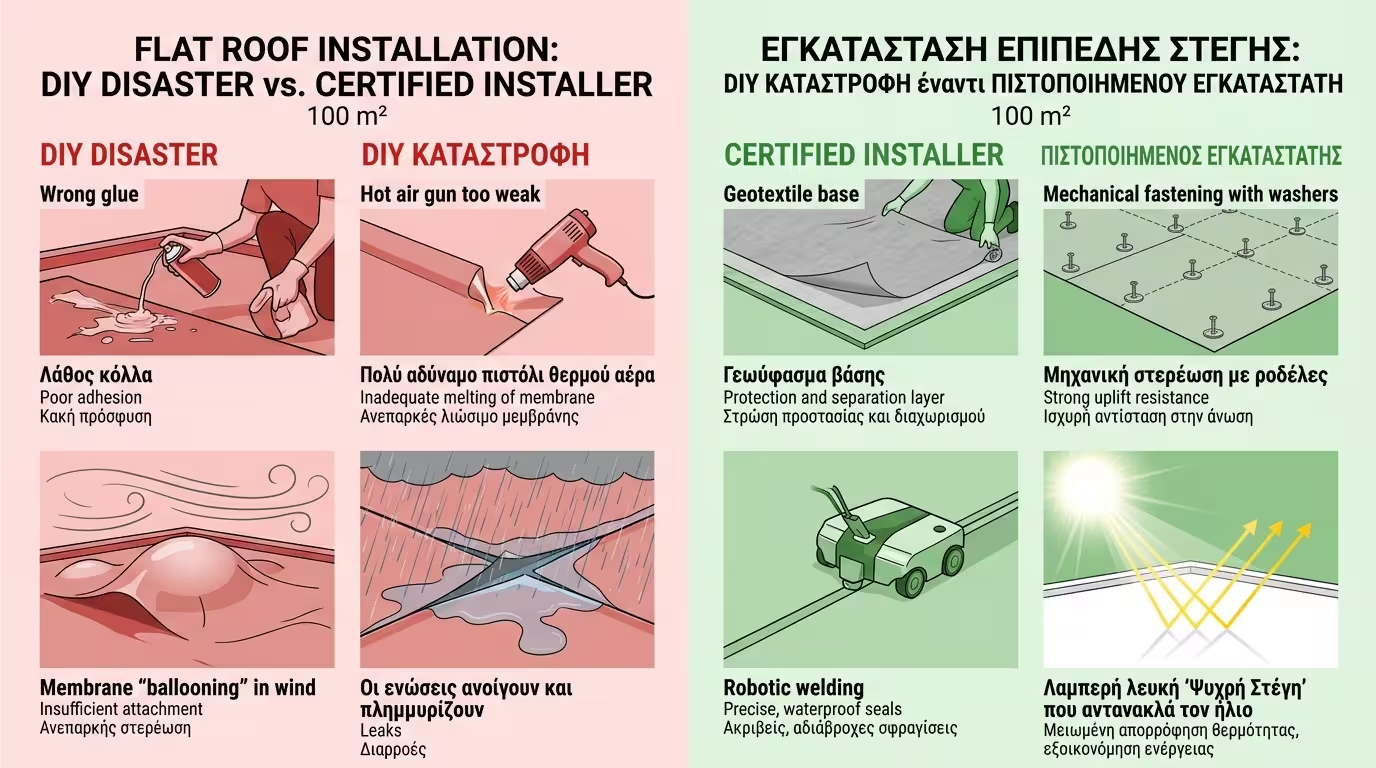
🔴 Scenario A (The DIY Disaster)
We buy one TPO roll to save on labour. We spread it, slap adhesive
underneath and try to seal the joints with a simple hot-air gun
(construction hair dryer). We don't achieve the right temperature
and pressure. In the first strong wind (wind uplift), the membrane
"inflates" like a balloon, the poor joints open and the roof floods.
🟢 Scenario B (The Certified Installer)
The crew arrives. They lay a geotextile, unroll the TPO sheets and
mechanically fasten them with special washers. They bring the
"robot" (automatic welding machine) that runs along the joints by
itself, melting and pressing the plastic with mathematical
precision. In less than one day, 100 m² have become a gleaming,
brilliant-white pool that reflects the sun (Cool Roof) and lowers the home's temperature!
The Final Conclusion: PVC and TPO membranes are "superweapons"
of durability, speed and lightness. Perfect for flat, large roofs and lightweight
structures. However,
they don't forgive amateurs. They require expensive
equipment (welding machines) and strictly certified installers.