1️⃣ Gravel (Breaking Capillary Action)
On compacted soil, we pour a thick layer of coarse gravel. Water cannot easily climb between the large stones, so the first rise of moisture "brakes" here.
When you build a house (or do a radical, total renovation ripping up old floors), the ground-floor slab is ground zero. If you pour concrete directly on soil, nature will do what it does best: send water upward.
This is called capillary rise (rising damp). Concrete acts like a sponge, absorbing ground moisture and bringing it straight into your living room. At the same time, contact with cold soil sucks the warmth out of your home (heat loss). The solution is to create a protective "sandwich" before the tiles go down.
For a warm and perfectly dry floor, the sequence of works (from soil upward) is strict:
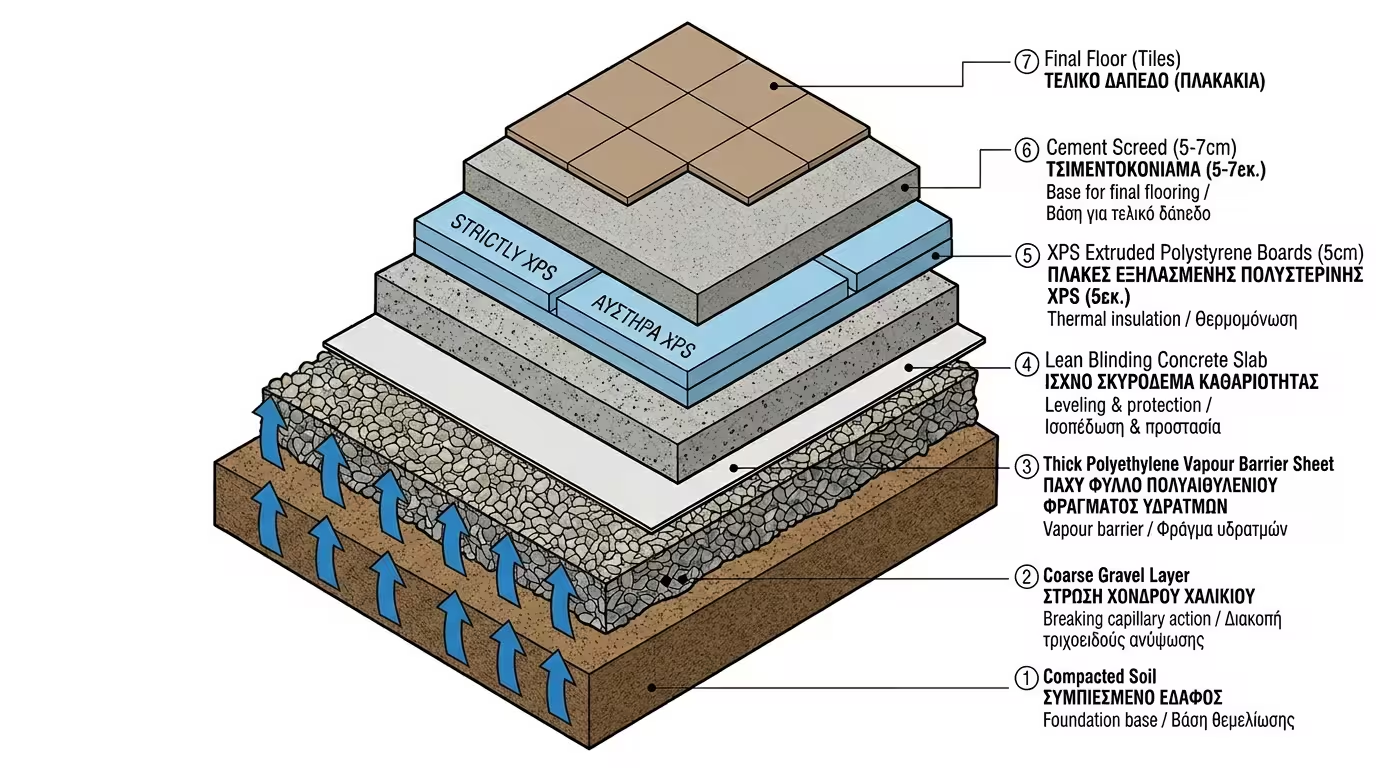
On compacted soil, we pour a thick layer of coarse gravel. Water cannot easily climb between the large stones, so the first rise of moisture "brakes" here.
Above the gravel, a thick polyethylene sheet is laid. This is the ultimate waterproofing shield. It blocks 100% of moisture trying to rise.
A thin concrete slab is poured to create a flat, clean and hard surface.
Here comes the insulation. Warning! Never use soft white EPS. Use Extruded Polystyrene (XPS). Why? First, XPS withstands enormous loads (compressive strength) and won't "sink" under furniture. Second, it resists moisture if something goes wrong.
A 5-7 cm screed to "bury" the insulation and create a perfectly level surface.
Tiles, marble or wood.
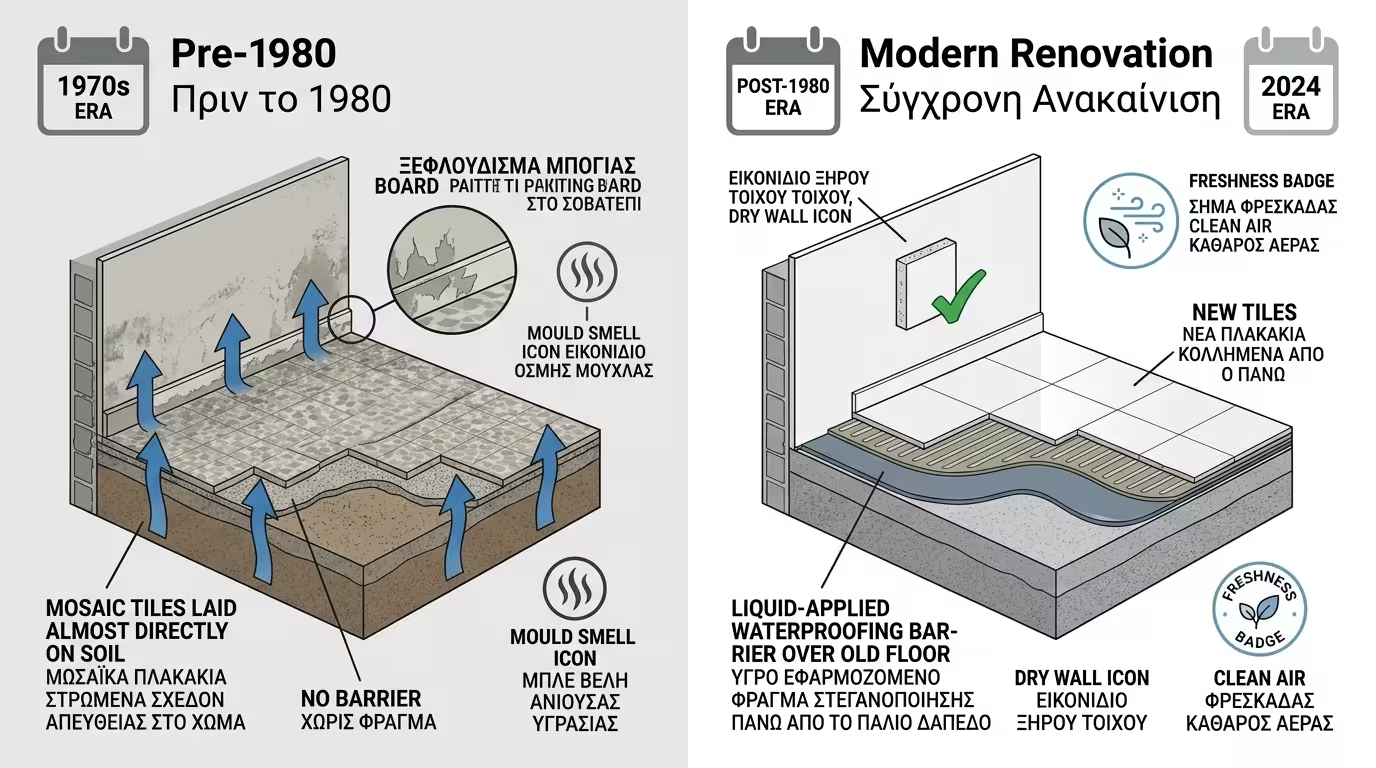
In houses built before 1980, this "sandwich" simply… doesn't exist. They laid mosaic tiles almost directly on soil. That is why old ground floors often smell of mould and the lower walls peel (water that can't exit through the mosaic travels through the walls and comes out through the plaster).
What do we do in renovation? If you can't dig to build the whole system from scratch, the only solution is liquid-applied waterproofing (moisture barriers) on the old floor, before bonding new tiles.
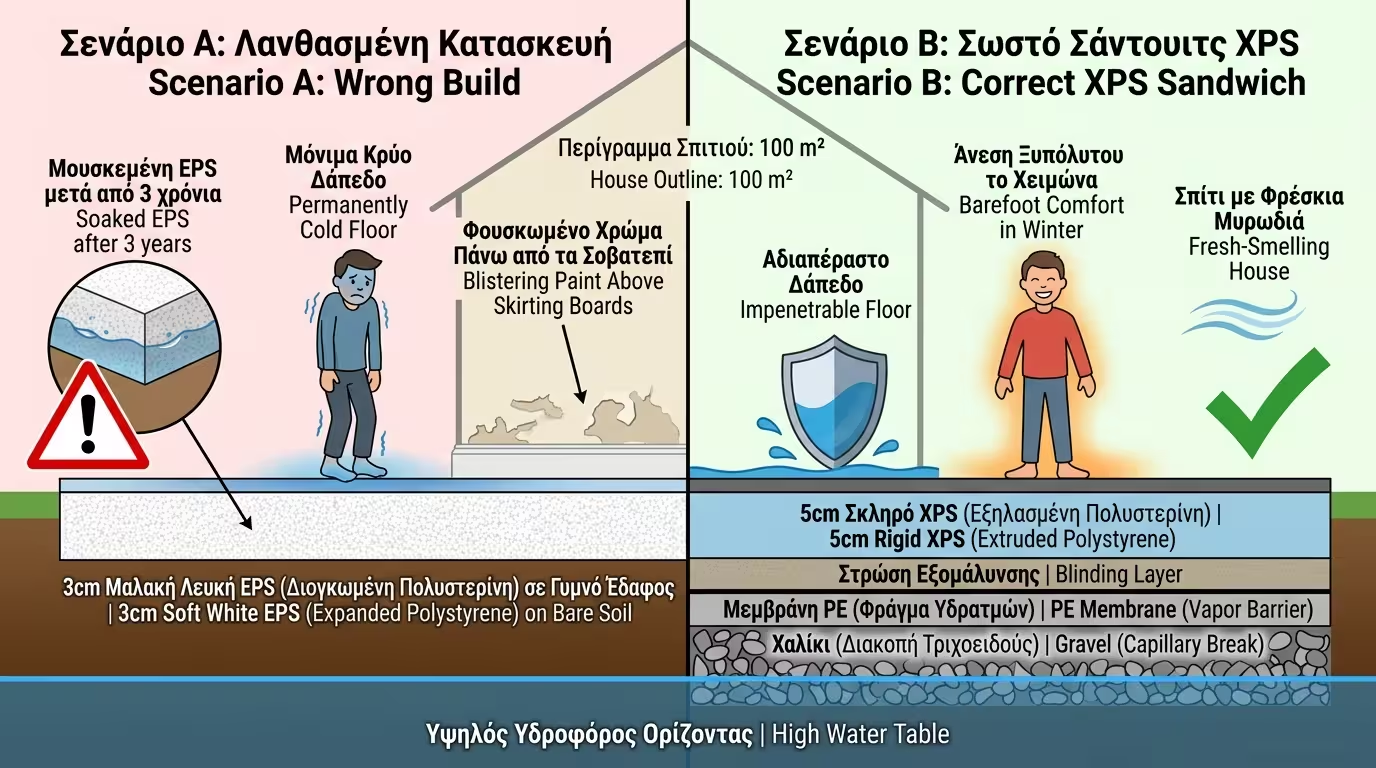
Our digital house is built in an area with a high water table (lots of water in the subsoil).
The contractor pours concrete on soil, lays 3cm white EPS and tiles. Within 3 years, the EPS is soaked with water. The living room floor is permanently freezing. In the room corners, just above the skirting board, paint blisters and peels because the brickwork "drinks" water from the ground.
Gravel, polyethylene (barrier), blinding concrete and 5cm hard XPS are installed. The floor is an "impenetrable rock". Even in the harshest winter, we walk barefoot in the living room without getting cold, while moisture stops below the soil and the house always smells fresh.
The Final Conclusion: Ground-floor insulation isn't something you can "fix" later. If you do it wrong, you'll have to demolish the entire interior. Invest from day one in the correct vapour barrier and top-quality extruded polystyrene (XPS) to sleep soundly!
Return to category.
Go to categoryReturn to the central guide.
Go to guide