1️⃣ The Thermal Shield
Over the old floor, lay ultra-thin but super-compressed Extruded Polystyrene (XPS) boards 2-3 cm thick, or better still, Polyurethane (PIR) boards with double the performance at the same thickness.
In an ideal apartment block, if every resident heats to 20°C, there are zero losses between floors (no temperature difference). But what happens when the flat below you is vacant and its temperature drops to 10°C in winter?
The separating concrete slab becomes a huge "black hole" sucking your heat downward. If you don't insulate it, you're paying to heat an empty flat's ceiling. Since you obviously can't enter your neighbour's home, you must act inside your own flat, on your own floor.
If you're renovating, or if your ceiling height allows raising the floor by 3-5 cm (watch the doors!), this is the cleanest, fastest and most effective solution. No need to demolish old tiles or mosaic.
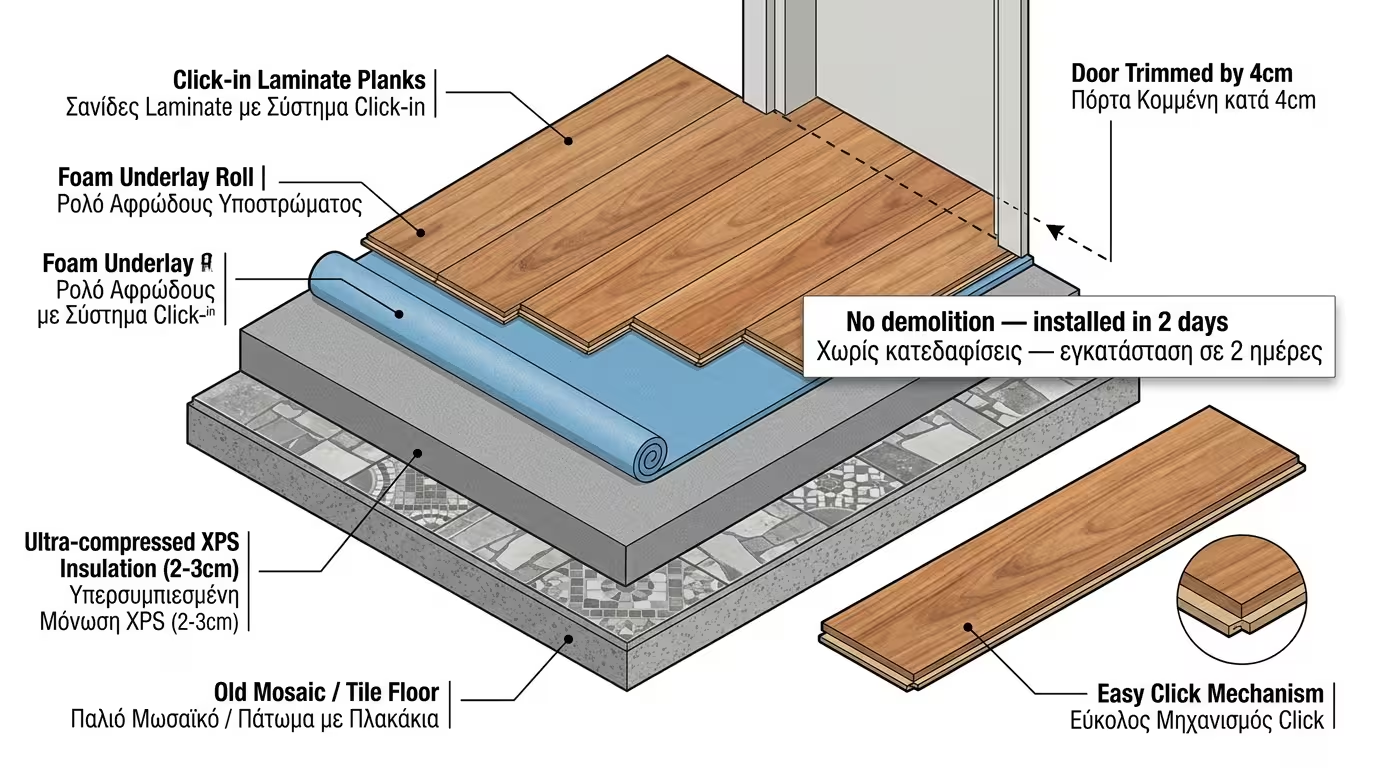
Over the old floor, lay ultra-thin but super-compressed Extruded Polystyrene (XPS) boards 2-3 cm thick, or better still, Polyurethane (PIR) boards with double the performance at the same thickness.
On top goes the laminate's foam underlay roll.
Click-in laminate or semi-solid wood planks (floating installation, no glue).
In 2 days, you have a brand-new, warm wooden floor, and the neighbour's cold is permanently blocked beneath the insulation!
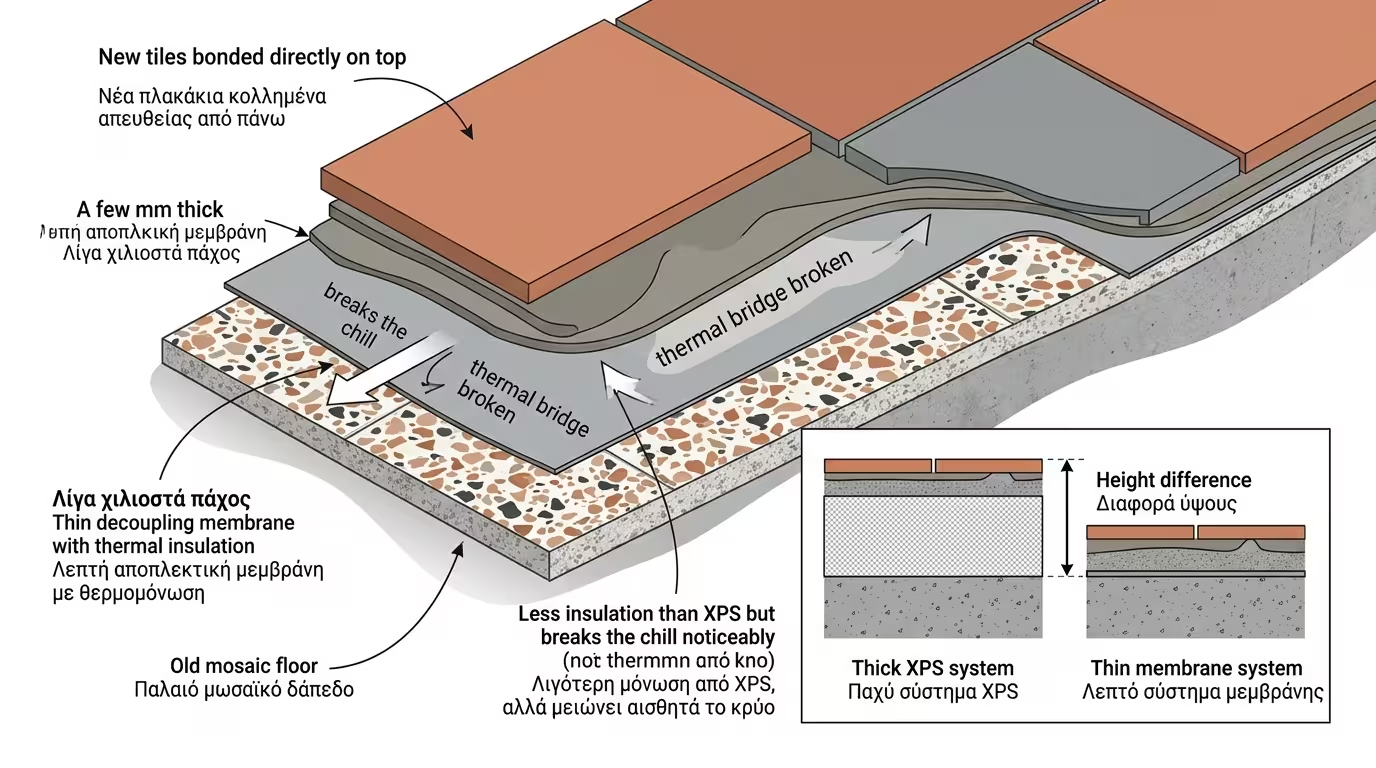
If you don't want wood and insist on tiles, things are trickier because tiles need a stable substrate (they can't be bonded onto soft EPS without a screed first, which adds significant weight and height).
However, modern material technology offers special decoupling membranes with thermal insulation properties . These are thin rolls (a few mm thick) bonded to the old floor, with new tiles bonded directly on top. They don't match the insulation of thick XPS, but they noticeably "break" the chill of old mosaic.
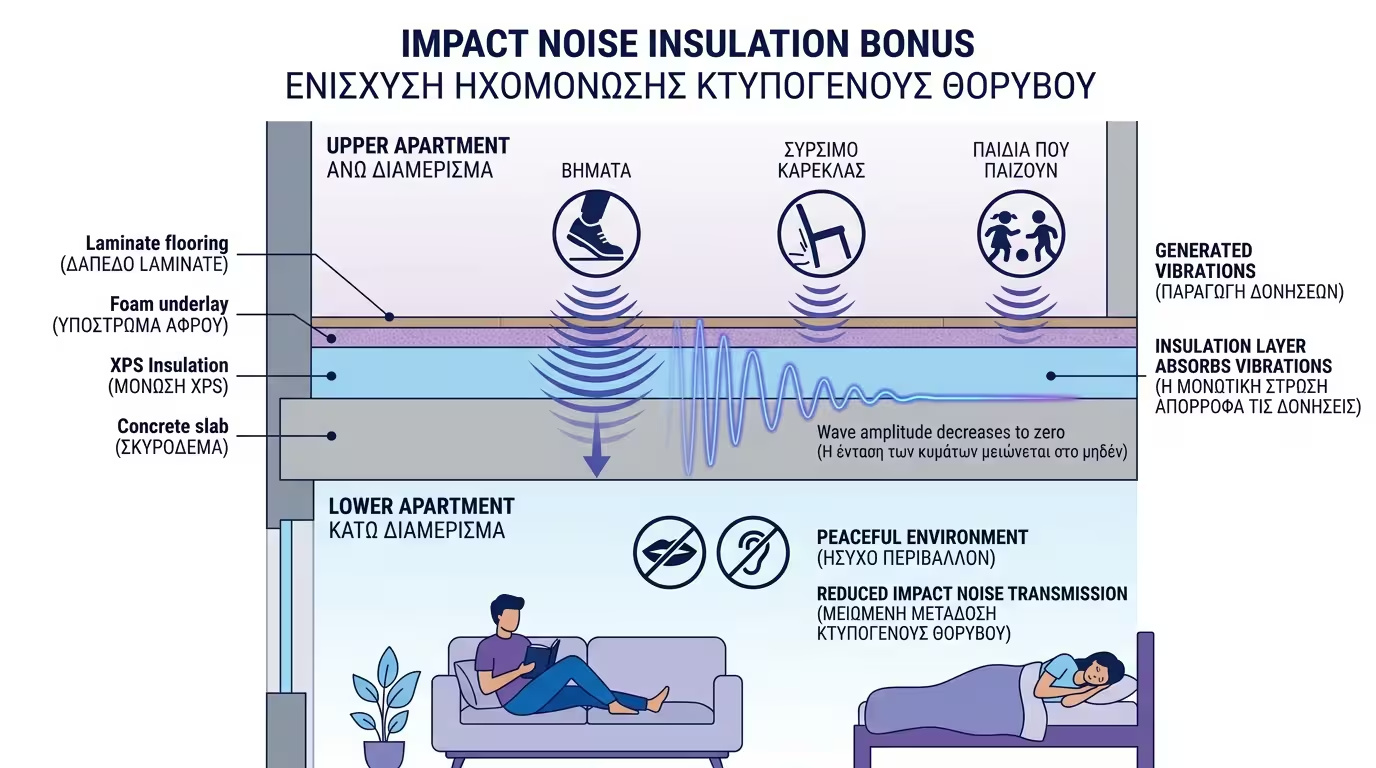
When you lay any insulating material (XPS, foam underlays) under your floor, you don't only gain thermal insulation. You also gain the much-desired impact noise insulation .
These materials act as shock absorbers. They dampen vibrations from footsteps, chair dragging or children playing. Your downstairs neighbour (whenever they eventually move in) will hear absolutely nothing!
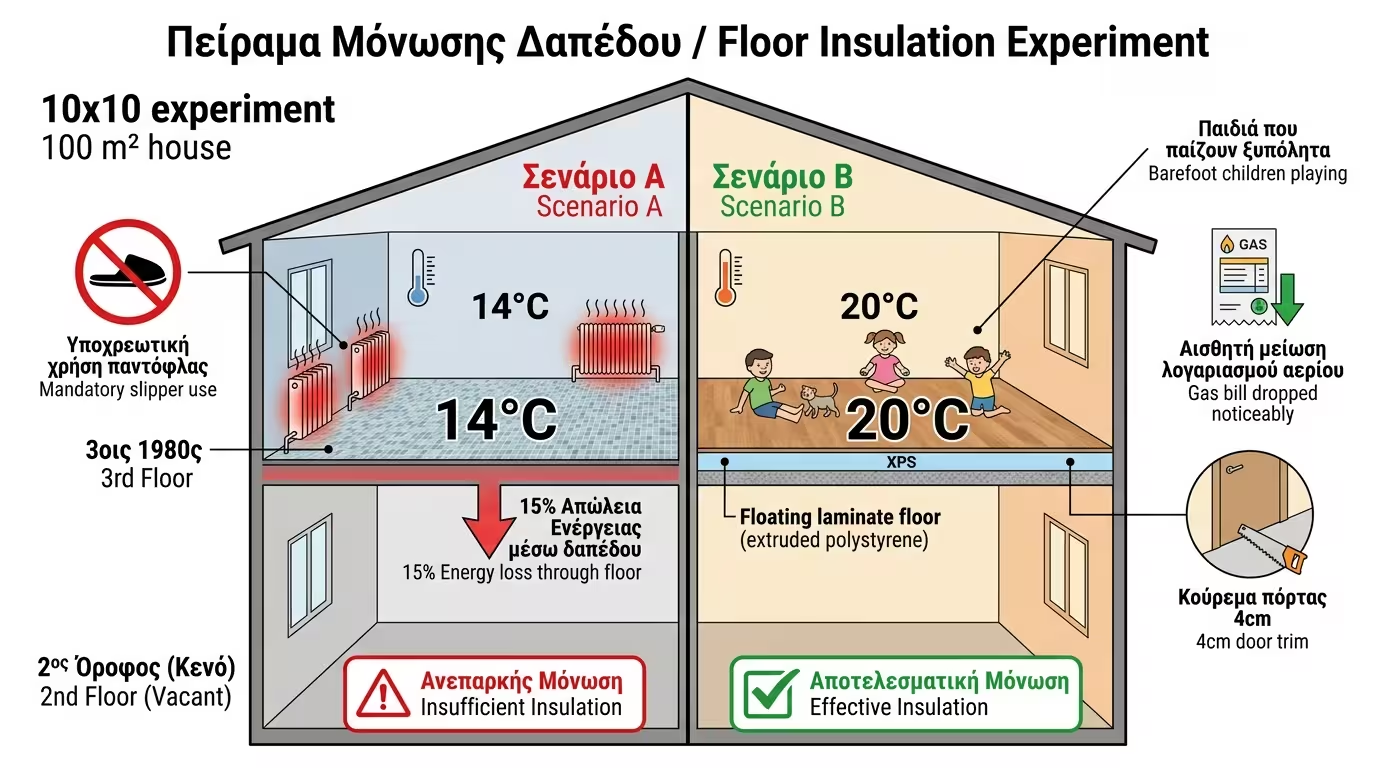
The 2nd floor is vacant. It's winter and we're trying to reach 21°C in our living room.
Our floor is bare 1980s mosaic. Its temperature is 14°C because it "draws" cold from below. The radiators work overtime. We walk in slippers or our feet go numb. We lose roughly 15% of our energy through the floor.
We laid thin XPS boards and clicked laminate on top. We trimmed the interior doors by 4 cm. The difference is shocking. The wood surface reads 20°C. The room "holds" its warmth, the children play barefoot and the gas bill dropped noticeably.
The Final Conclusion: You can't control what your neighbour does, but you can control your own floor. If the flat below is cold, a "floating" floor renovation with thin XPS is the smartest, fastest and best value-for-money move you can make.
Return to category.
Go to categoryReturn to the central guide.
Go to guide