🔄 The Exchanger
The magic happens where the two airstreams meet: the Heat Exchanger Core. Inside, the two streams pass through hundreds of tiny tubes side by side. NOTE: The two airstreams never mix - bathroom odours go straight outside!
The MVHR system is the ultimate solution to modern construction's paradox. It lets you have 100% fresh, filtered air in your home, 24/7, with windows closed, while keeping the heat inside!
Think of it as a central "respiratory system" hidden in the loft or utility cupboard, connected to every room via ducts. Air flows in and out without you ever opening a window. The unit is silent, low-consumption, and works tirelessly as an invisible guardian of your indoor air quality.
The system has two small, silent motors (fans). The first extracts "dirty", humid, warm air from the kitchen, bathrooms and living room. The second simultaneously draws in pure but freezing outdoor air for the bedrooms.
The two airstreams meet in the unit's core but never mix. Bathroom odours go straight outside, while outdoor air reaches the bedrooms filtered and warm. Think of it as two rivers flowing side by side in a channel, exchanging heat without ever mingling their waters.
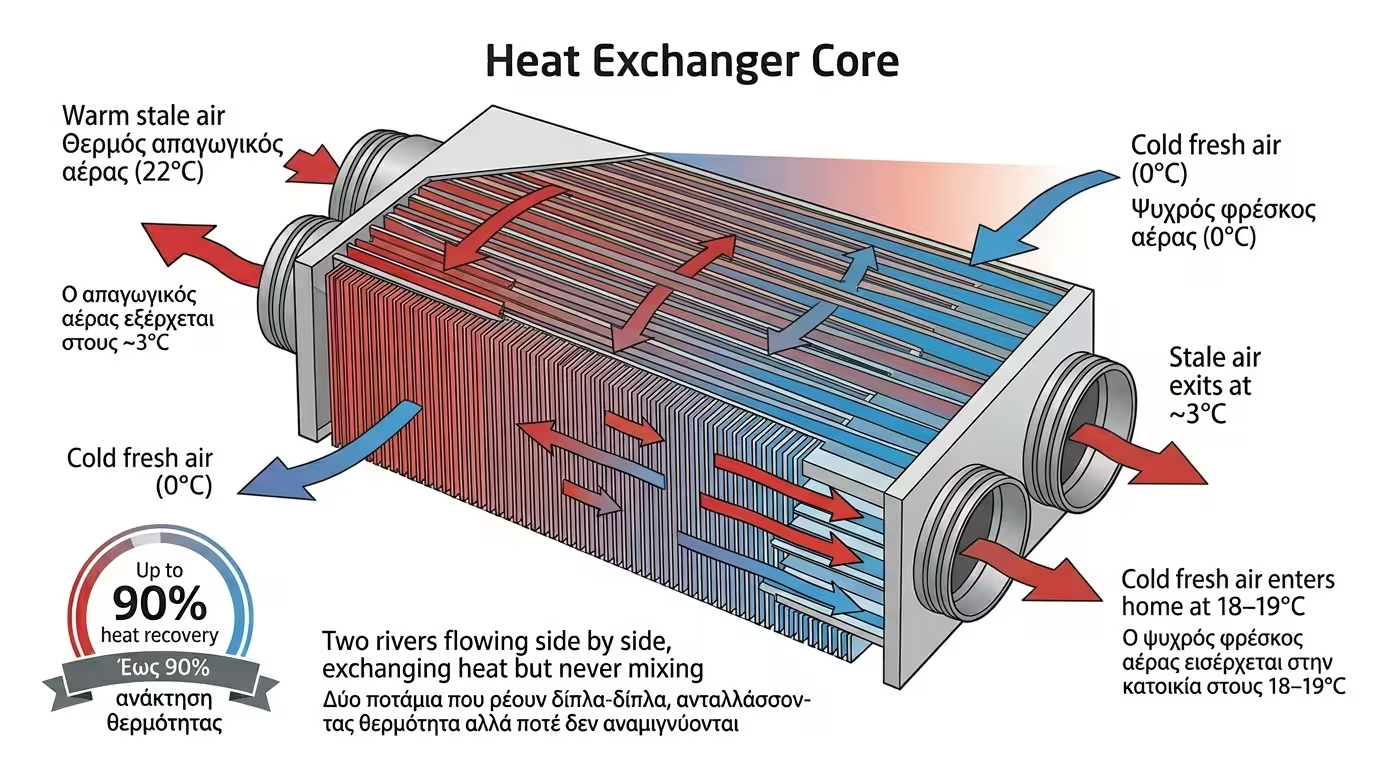
The magic happens where the two airstreams meet: the Heat Exchanger Core. Inside, the two streams pass through hundreds of tiny tubes side by side. NOTE: The two airstreams never mix - bathroom odours go straight outside!
Outside 0°C (freezing). Inside 22°C. The exchanger transfers up to 90% of the heat to the incoming air. Result? Fresh outdoor air enters your home at 18°C or 19°C!
The radiator only needs to heat the air by 3 degrees (from 19 to 22°C), instead of 22 full degrees if you opened a window!
An MVHR system radically transforms three aspects of daily home life.
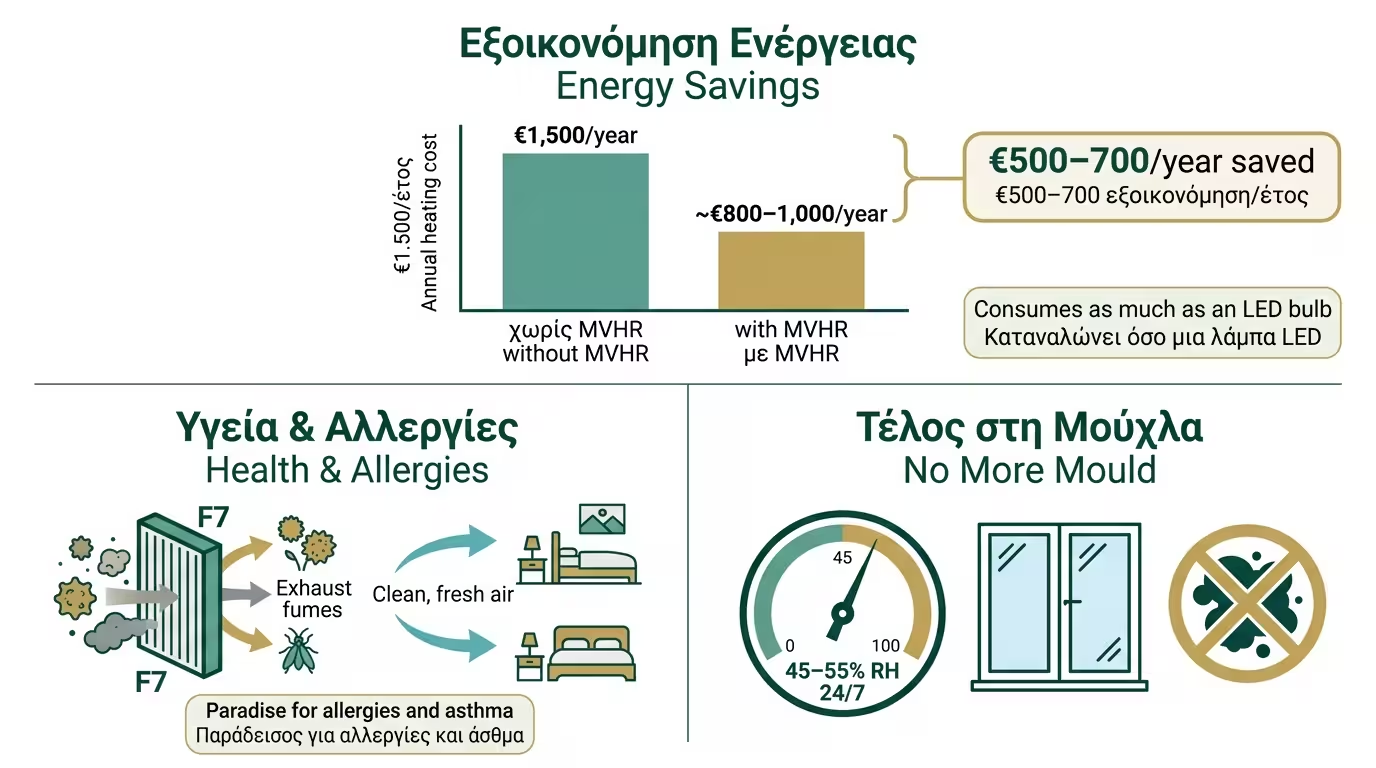
Recovers 80-95% of the heat that would otherwise be thrown out the window. Consumes as much electricity as an LED bulb but saves hundreds of euros annually on heating. In a 100 m² home with a €1,500/yr heating bill, savings can reach €500-700 per year - just from reduced ventilation losses.
Incoming outdoor air passes through F7-grade (or better) filters. Dust, exhaust fumes, pollen and small insects stay outside. Even right next to a busy road, the indoor atmosphere is far cleaner. A paradise for allergy and asthma sufferers.
Runs 24/7, perfectly regulating relative humidity around 45-55%. Even after a hot shower or boiling pasta, steam is removed immediately via the extract duct and windows never "sweat". Mould simply cannot establish itself without moisture.
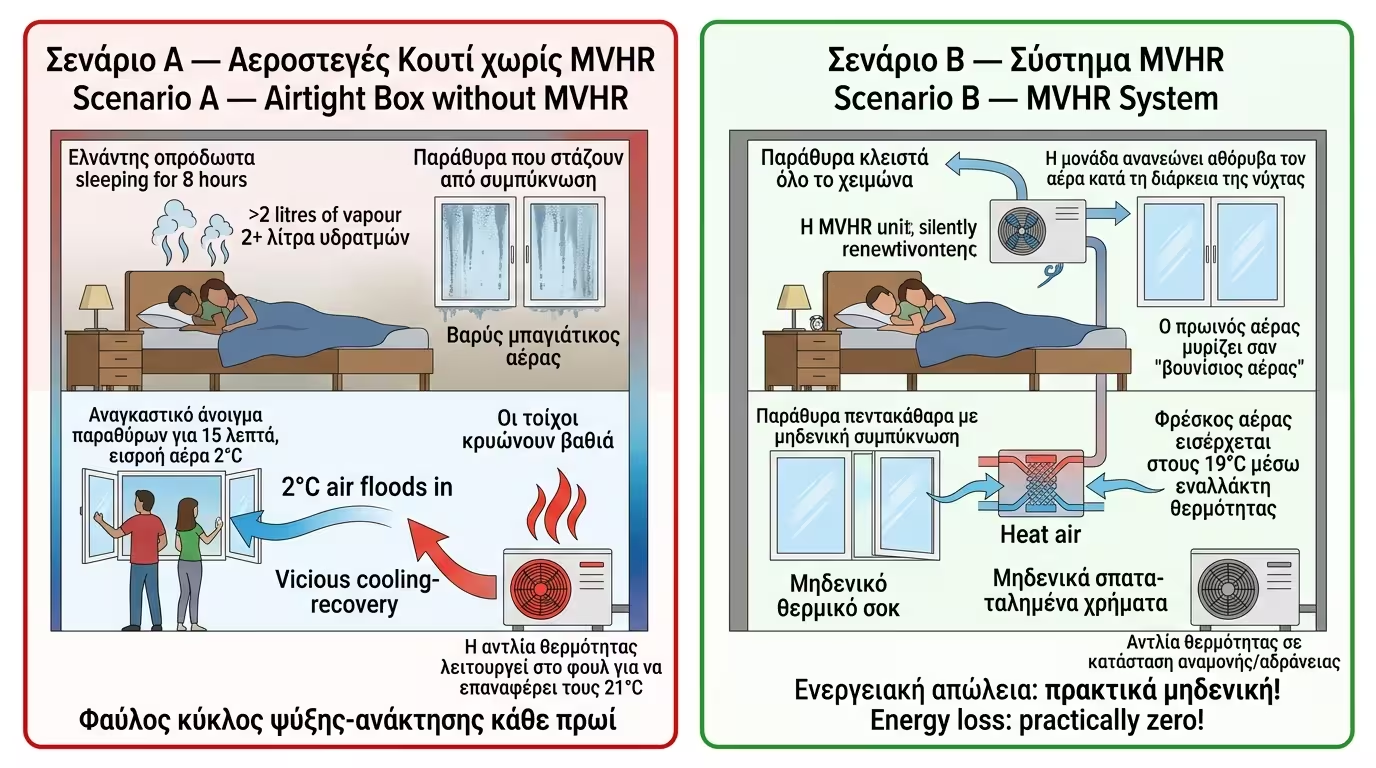
Mid-February, 2°C outside. Our home is perfectly insulated and sealed.
We sleep 8 hours with windows shut. Two adults breathe and produce over 2 litres of moisture overnight. Morning: windows dripping, heavy air. We open wide for 15 minutes. 2°C air floods the home. Walls "chill" deep inside. We close and fire up the heat pump at full power, wasting money to recover 21°C. This repeats every morning - a vicious cycle of cooling and recovery.
Windows closed all winter. The MVHR unit silently renews the air all night. We wake - the home smells like "mountain air". Windows spotless, not a single drop of condensation. Fresh air entered at 19°C thanks to the exchanger. Heat pump idles. No thermal shock, no money thrown away. Energy loss: practically zero!
The Final Conclusion: MVHR is no longer a luxury - it's the "lung" of every properly insulated modern home (and mandatory in Passive Houses). The investment pays back fast, while the quality of life and silence (it cuts street noise too) is simply priceless.
Return to category.
Go to categoryReturn to the central guide.
Go to guide