Legal Liability of the Owner / Building Manager / Employer: What You Face in Case of Failure and Accident

There is a massive (and dangerous) myth in the property and business market: "I paid the Engineer, they got me the Fire Safety Certificate, so if there's a fire, I'm legally covered."

This illusion has sent many people to prison. The Certificate is not a letter of absolution. It is a contract. It proves that on the day of the inspection the building was safe. From the very next second and for the entire remaining life of the building, the absolute legal and criminal liability rests with whoever manages it.

Let's see how liability is distributed and when an "accident" becomes a "crime."

1. The Myth: "It's the Engineer's Fault"

In the event of a tragedy, the Prosecutor and the Fire Service's forensic experts will examine everything.

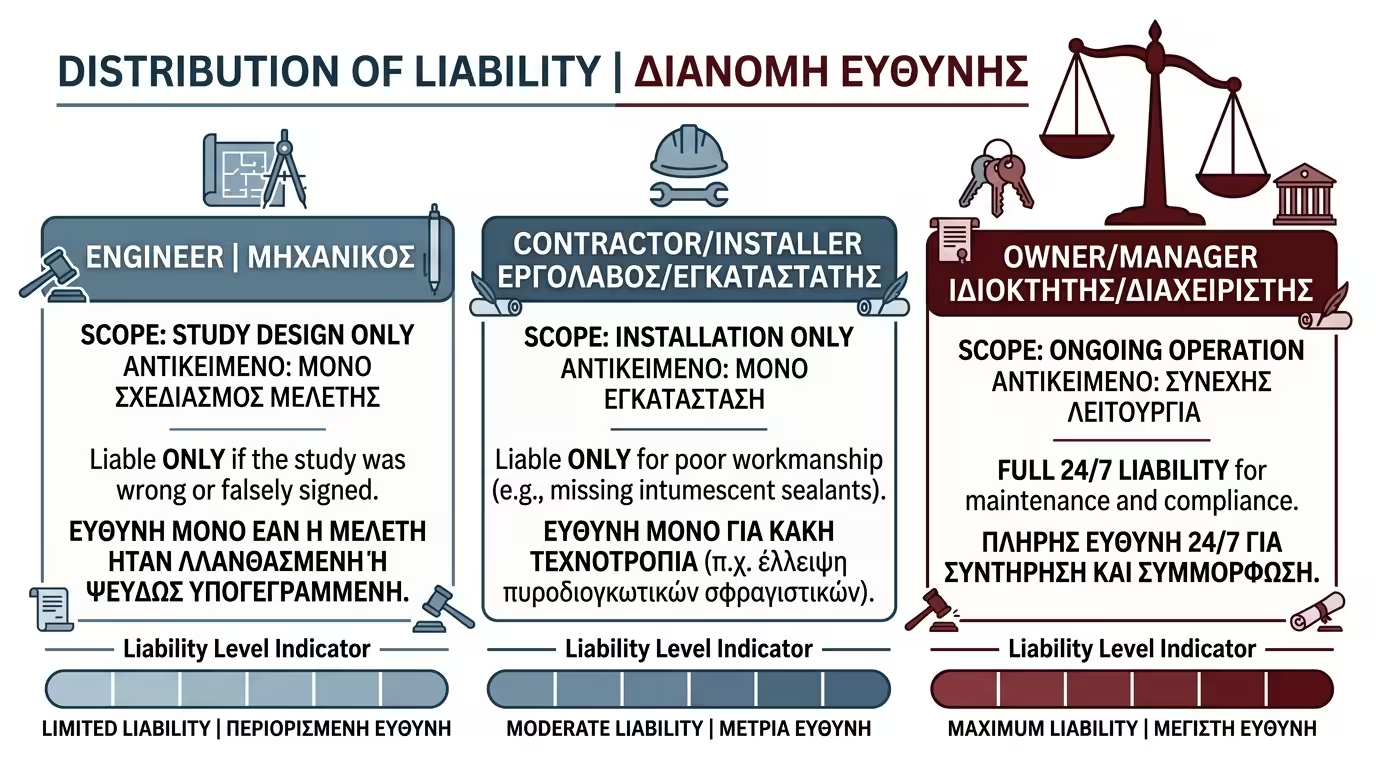
The Engineer is liable ONLY if the study was wrong (e.g. miscalculated the escape routes) or if they falsely signed that materials were installed which never were.

The Installer (Contractor) is liable ONLY if there was poor workmanship (e.g. didn't apply the intumescent sealants specified by the door manufacturer).

But if the study was correct and the door was installed properly, their liability ends there.

Engineer vs contractor vs owner - who is really to blame

2. The Crime of Negligence (Who Ends Up in Court?)

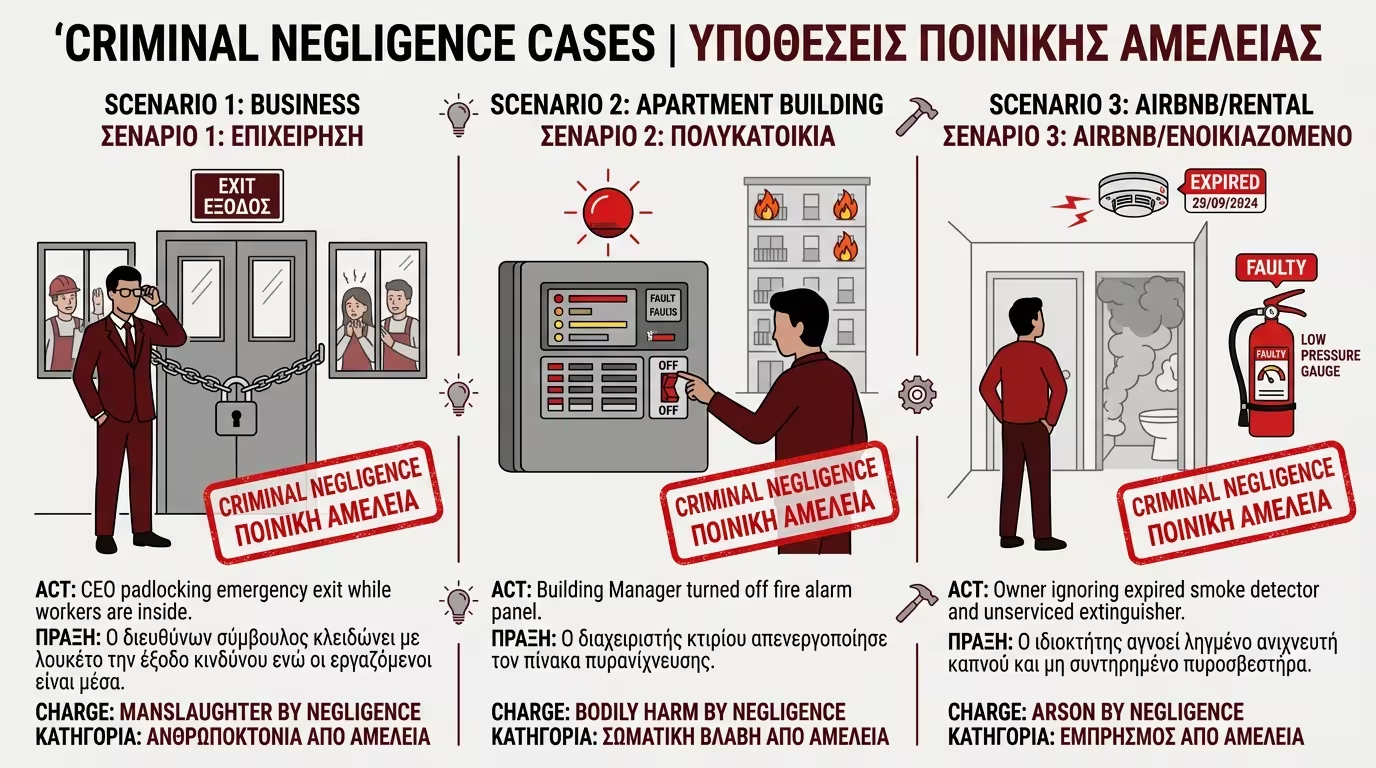
If the systems were correctly installed but failed because someone "tampered" with them or neglected them, then we're talking about Manslaughter (or Bodily Harm) by Negligence, or even arson by negligence. Who bears responsibility under the law?

In Businesses: The Legal Representative, CEO, or Employer. The law makes them absolutely responsible for the safety of employees and customers. If the emergency exit was padlocked "to keep out thieves," the Employer will face the most serious charges.

In Apartment Buildings: The Building Manager! Yes, the unfortunate tenant who "reluctantly" took over the common charges has legal liability. If the building has a fire detection system and the manager turned it off because "it kept going off for no reason," or if they let the corridor extinguishers expire three years ago and someone gets trapped, the manager is considered legally liable.

In Rentals (AirBnb etc.): The Owner must ensure that smoke detectors work, extinguishers are serviced and escape routes are clear.

Manslaughter by negligence - employer, building manager, AirBnb owner

3. The Three "Deadly" Habits

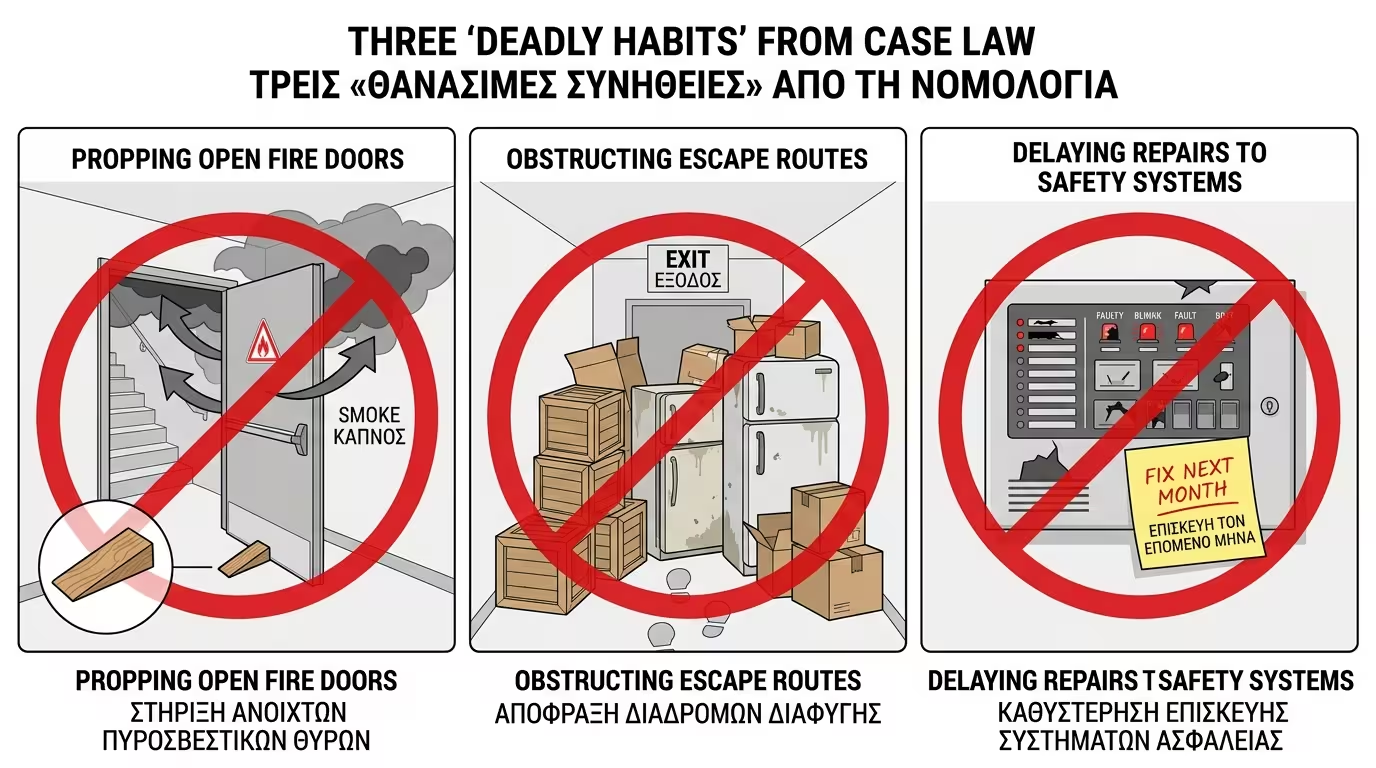
From case law, these are the three most common reasons owners and managers are convicted:

1. Propped-Open Fire Doors: The classic phenomenon. The heavy fire-rated door in the stairwell is annoying, so the owner props it open with a wooden wedge, a chair, or even an extinguisher (tragic irony), to keep it permanently open and "let air in." When fire breaks out, smoke travels everywhere through the building.

2. Emergency Exits → Storage Rooms: The escape corridor gradually fills up with empty crates, old fridges and boxes, blocking the escape route.

3. Zero Maintenance: The fire alarm broke but "we'll fix it next month because we can't spare the money right now."

Wedge on fire door, boxes in corridor, broken alarm

The Experiment in Our Model (The Tragedy at the 4×4)

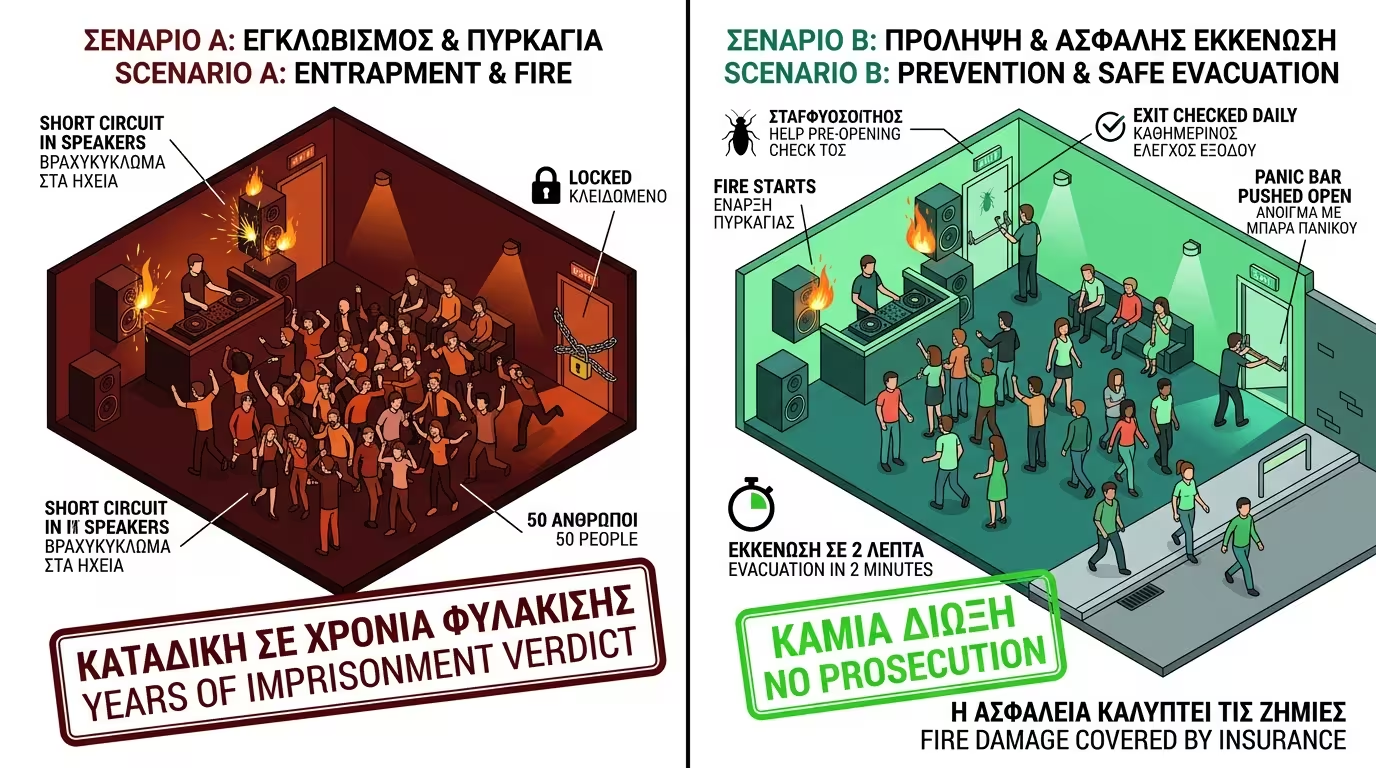
Experiment: nightclub 4×4 - padlocked exit vs full compliance

We are the owners of a nightclub (the 4×4). We have the perfect Fire Protection Study.

❌ Scenario A (The Conviction)

To keep freeloaders out, we tell the doorman to padlock the rear emergency exit. A short circuit in the speakers starts a fire. It spreads. 50 people rush to the rear exit - they find it padlocked. They are trapped. In court, the Engineer proves they designed an open exit with a panic bar. The contractor proves they installed it. The sentence falls exclusively on us - years of imprisonment.

✅ Scenario B (Full Compliance)

Every night we check that the emergency exit is unlocked, corridors are empty and extinguishers are in place. The same fire breaks out. People push the panic bar, the door swings wide open, the building evacuates in 2 minutes. The venue burns down - the insurance pays us in full. Nobody was injured. Nobody is prosecuted.

Final Takeaway: If you are an owner, employer or building manager, fire safety is not your engineer's job. Their job is to give you the tools. Your job is to ensure, 24 hours a day, that those tools are in place, ready to save lives. Otherwise, the liability (and the consequences) are 100% yours.

Related Articles

Fire Protection: Passive Safety & Building Protection

Return to category.

Go to category

Preview