Waterproofing Buying Guide: How to Read Product Labels So You Don't Get Cheated

In the waterproofing market, "you get what you pay for" holds 100% true. The price difference between two seemingly identical buckets is in their chemistry. To avoid getting cheated, turn the bucket around and look for these 4 critical indicators.

1. Elongation at Break (Elasticity)

Buildings move - they contract in winter and expand in summer. Concrete cracks. If your coating is rigid, it cracks with the concrete.

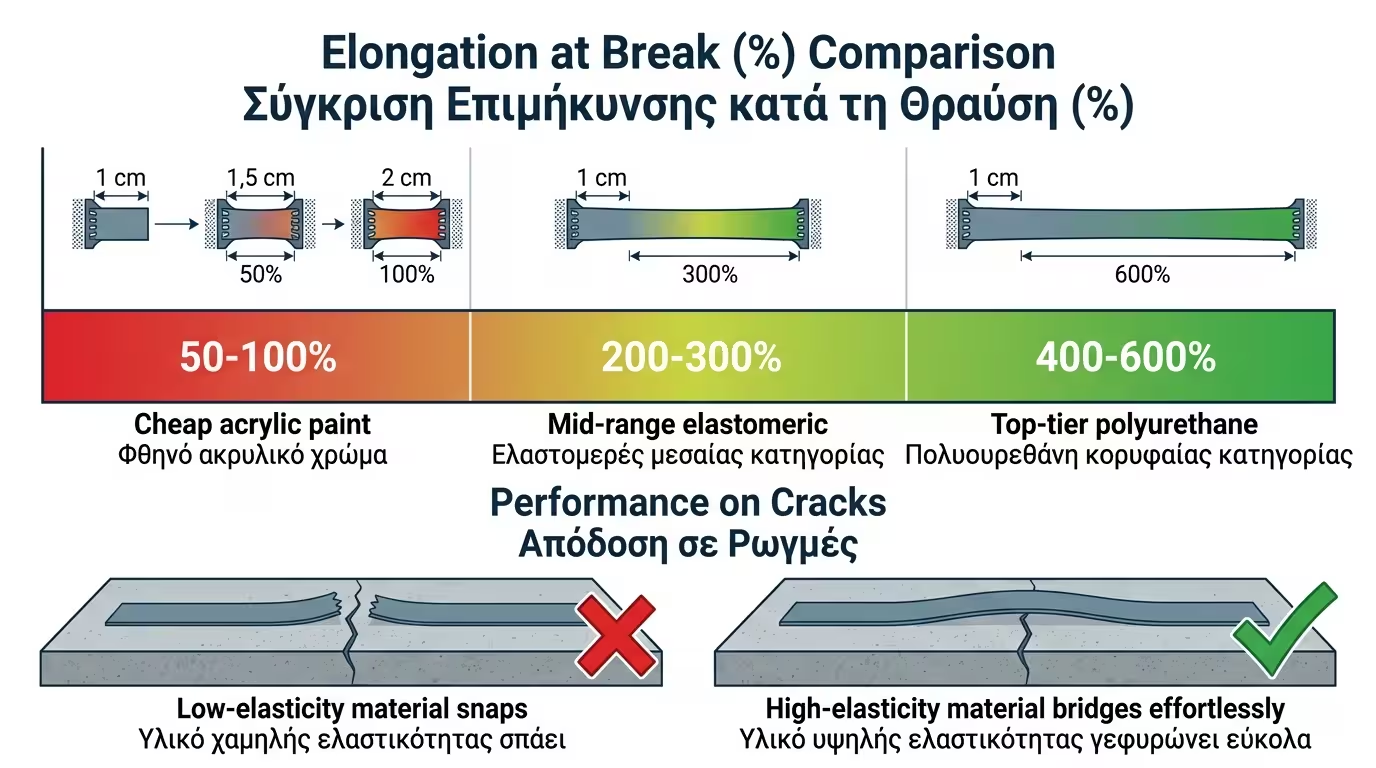
Material elasticity - 50% vs 500% elongation

📊 What to Look For

On the label, find "Elongation at break." Measured in %. A cheap acrylic paint stretches 50-100%. A top-tier polyurethane stretches 400% to 600%! That means a 1 cm strip can stretch to 6 cm before tearing! The higher the number, the better it bridges cracks.
2. UV Resistance (Aromatic vs. Aliphatic)

The roof's greatest enemy isn't water. It's the sun! UV rays "cook" plastics, making them yellow, brittle and chalky (chalking).

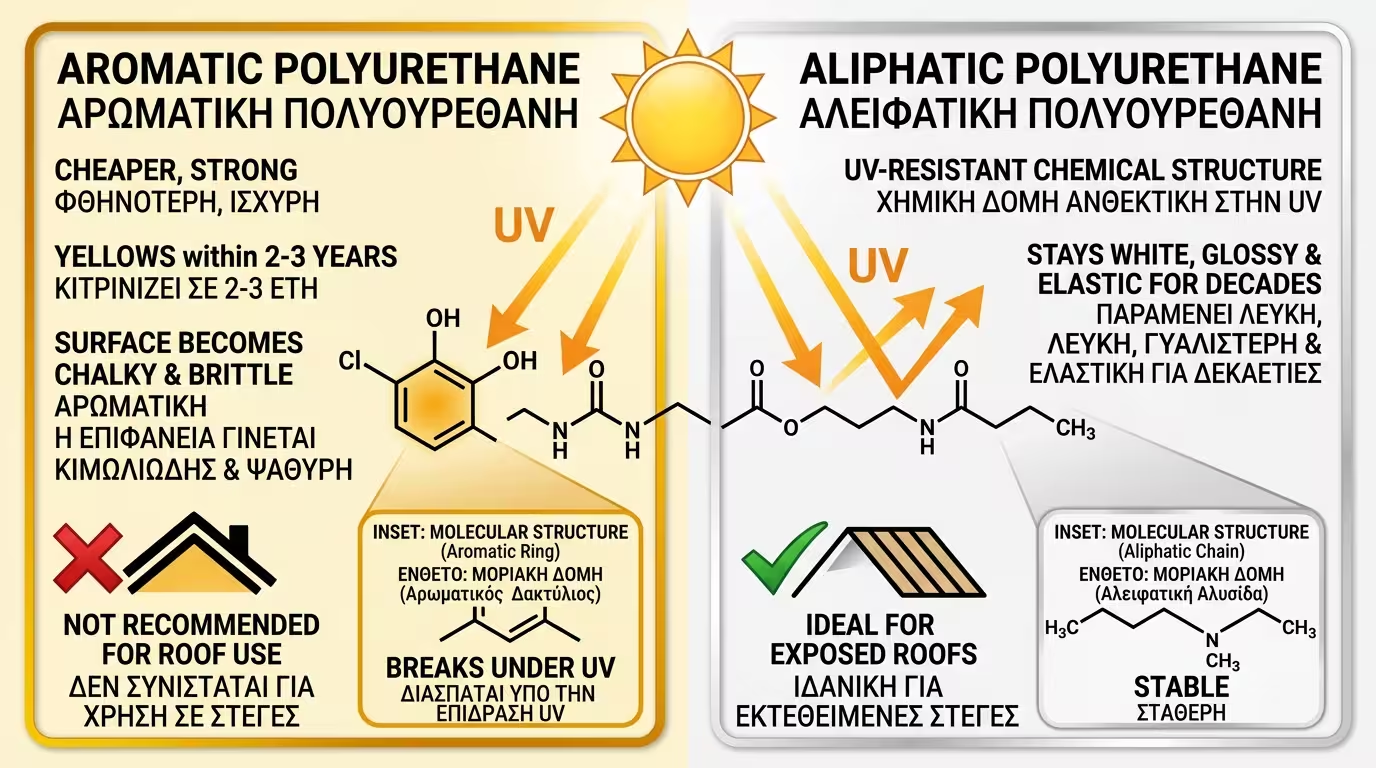
Aromatic vs aliphatic polyurethane - UV resistance

🟡 Aromatic

If the polyurethane is "aromatic," it is cheaper and extremely strong, but cannot withstand sunlight. It will yellow and lose its properties over time.

⚪ Aliphatic

The magic word! If the label reads "Aliphatic polyurethane" (or aliphatic topcoat), it means the chemical structure doesn't "understand" UV radiation. It stays white, glossy and elastic for decades.

3. Expected Lifespan (W Ratings) & The Consumption Trap

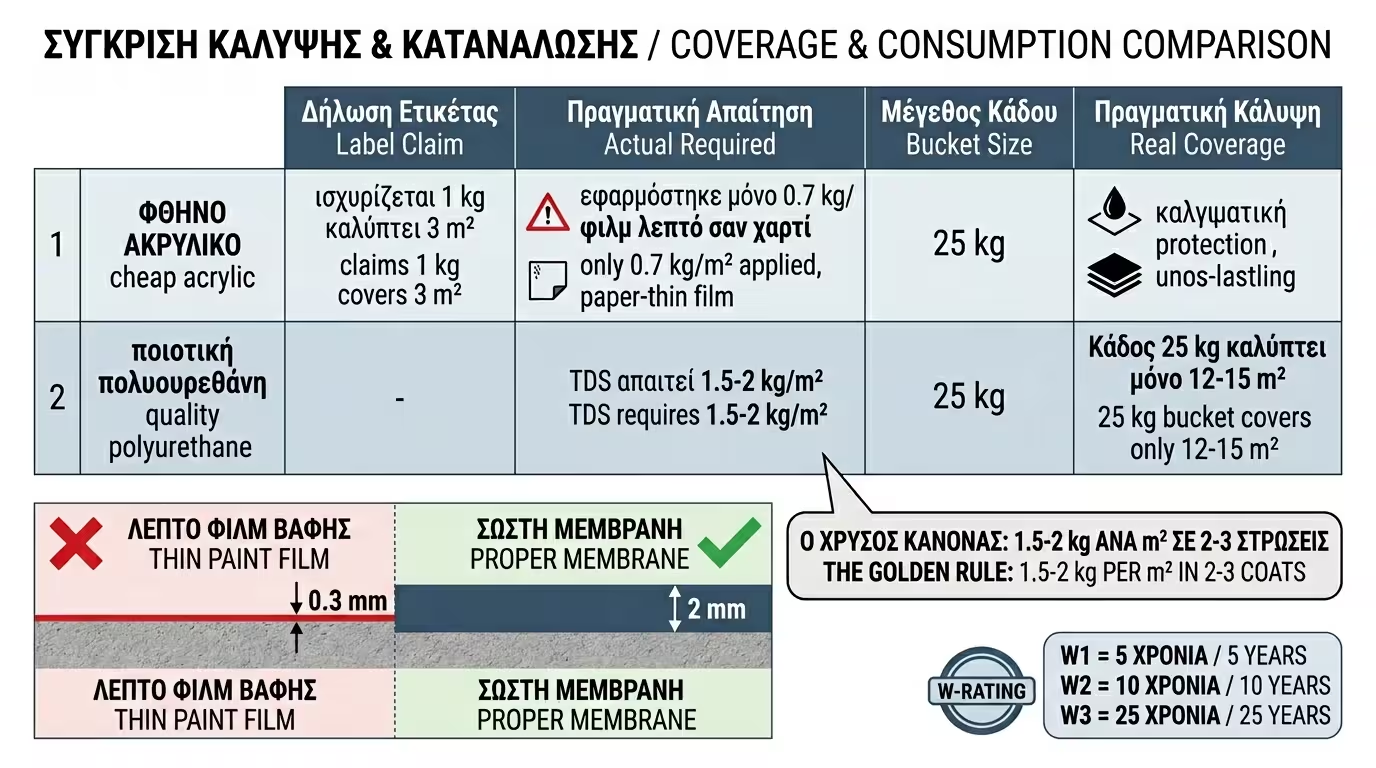
Serious products carry CE marking (per EOTA). They don't vaguely claim "lasts a long time." They give precise estimates under specific conditions using W ratings. W1: 5 years, W2: 10 years, W3: 25 years! If the bucket has no CE marking and no Technical Data Sheet (TDS) available online, simply leave it on the shelf.

Consumption per m² - kg per square metre

⚠️ The Consumption Trap

This is where most people lose their money! You see a 20 kg bucket at €40 and one at €80. You think the first is cheaper. Wrong. The seller (or the label) of the cheap one says: "This bucket covers 40 square metres." Yes, it covers them, but it paints them - it doesn't waterproof them! It leaves a paper-thin film that will tear at the first rainfall.

📏 The Golden Rule

For a proper, watertight membrane with liquid-applied coatings (polyurethanes), the minimum required consumption is 1.5 to 2 kg per square metre (in 2-3 coats). That means a 25 kg bucket covers only 12-15 m²! Don't try to stretch it with the roller for more coverage, because you're effectively cancelling the waterproofing.

4. The Experiment: Shopping for the 100 m² Roof

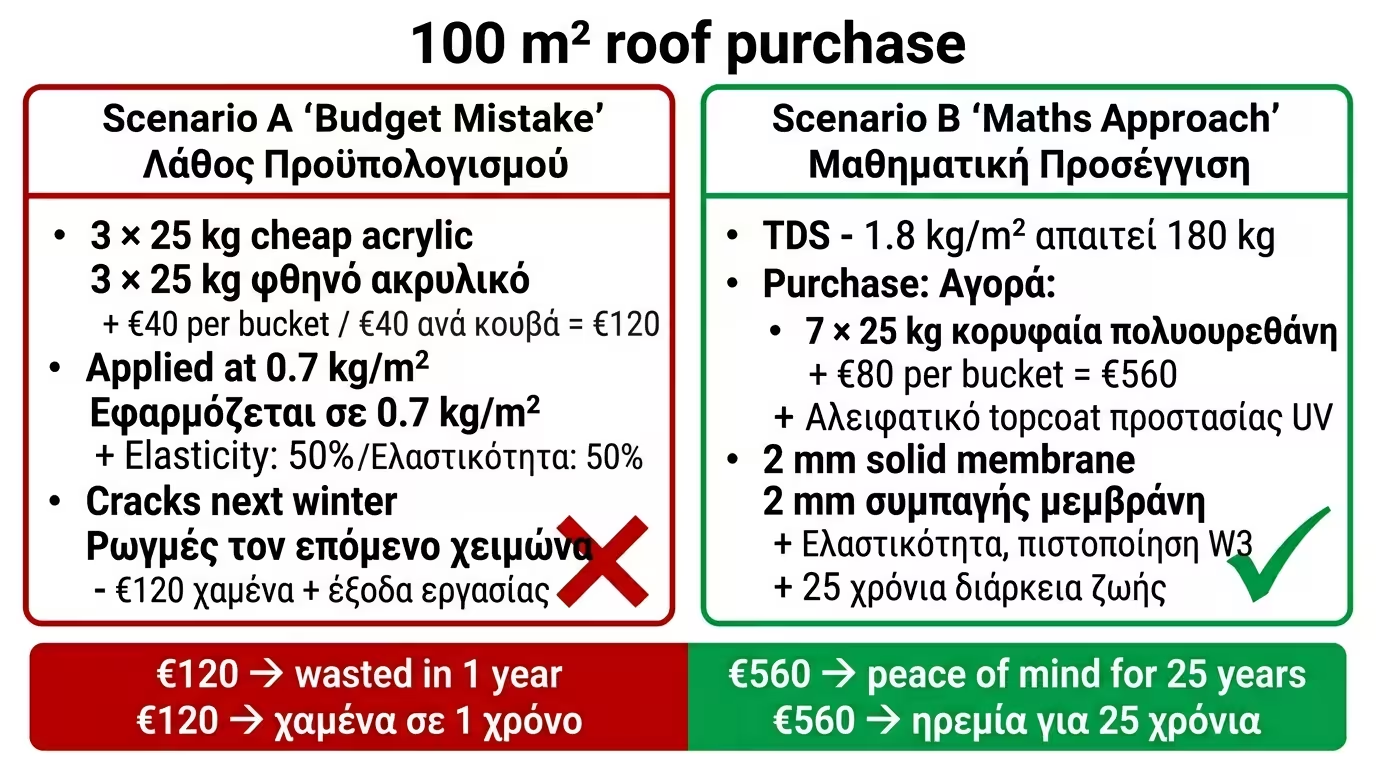
Experiment - cheap acrylic vs top polyurethane

We head to the store to buy materials for our 100 m² roof.

🔴 Scenario A (The "Budget" Mistake)

We buy 3 × 25 kg buckets of cheap acrylic (€40/bucket). Total €120. The label said "1 kg covers 3 m²." The worker rolls it on like paint and it's enough. We've spent little, but we've applied just 0.7 kg/m². The thickness is minimal, elasticity is 50%. Next winter it cracks, water gets in and we've wasted the €120, plus labour costs.

🟢 Scenario B (The Maths Approach)

We read the TDS: 1.8 kg/m² required. That's 180 kg! We buy 7 × 25 kg of top polyurethane (€80/bucket). Total €560. We also buy an aliphatic topcoat for UV protection. We spent much more, but on our roof there's now a solid "layer" 2 mm thick, with 500% elasticity, W3-certified (25 years). We paid €560 to have peace of mind for a quarter of a century!

Bottom Line: Don't read the labels' marketing - read the numbers. Treat waterproofing materials not as "paint" that beautifies the space, but as chemical membranes with specific thickness and weight. Never skimp on kg per m²!

Related Articles

Waterproofing: The Ultimate Shield Against Moisture

Return to category.

Go to category

Preview