🌬️ Free air
μ = 1 - lets vapour pass 100% freely.
When discussing insulation with an engineer, sooner or later you will hear: "We must choose a material that lets the building breathe."
For the average homeowner, this sounds paradoxical. If we are insulating and fitting new windows to seal the house, why do we want the wall to "breathe"? The answer is that breathability has nothing to do with air (draughts). It is exclusively about water - specifically, invisible water vapour produced inside the home. Let us look in detail at what this crucial property really means.
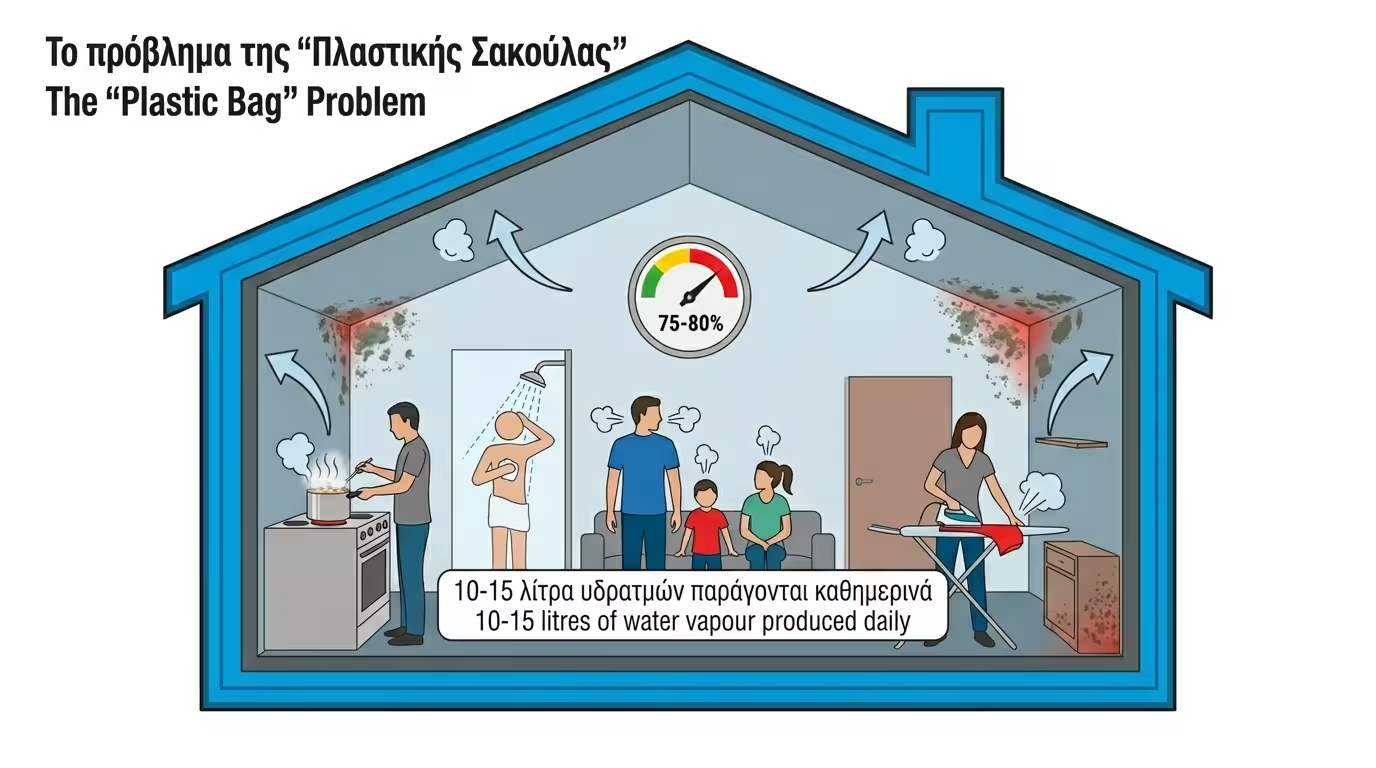
Modern homes are tightly energy-sealed with double-glazed windows and external insulation. Yet people live inside them. A four-member family, through breathing, sweating, cooking, bathing and mopping, produces 10 to 15 litres of water (as vapour) every day!
This vapour raises the relative humidity inside the home. Nature seeks balance: excess indoor moisture tries to "escape" toward the drier outdoor air, passing through the walls themselves.
If you have "wrapped" your house in impermeable, closed-cell plastic materials (e.g. XPS on all walls), the vapour is trapped. The house becomes a sealed plastic bag. Humidity rises to 70-80%, condenses in cold corners and around window frames, and the building develops Sick Building Syndrome (mould, dust mites, stifling atmosphere). Imagine living inside a sealed plastic bag - that is essentially what happens.
A material's resistance to water vapour passage is measured by the Water Vapour Diffusion Resistance Coefficient (μ). Think of it as the "difficulty rating" a material imposes on moisture trying to pass through.
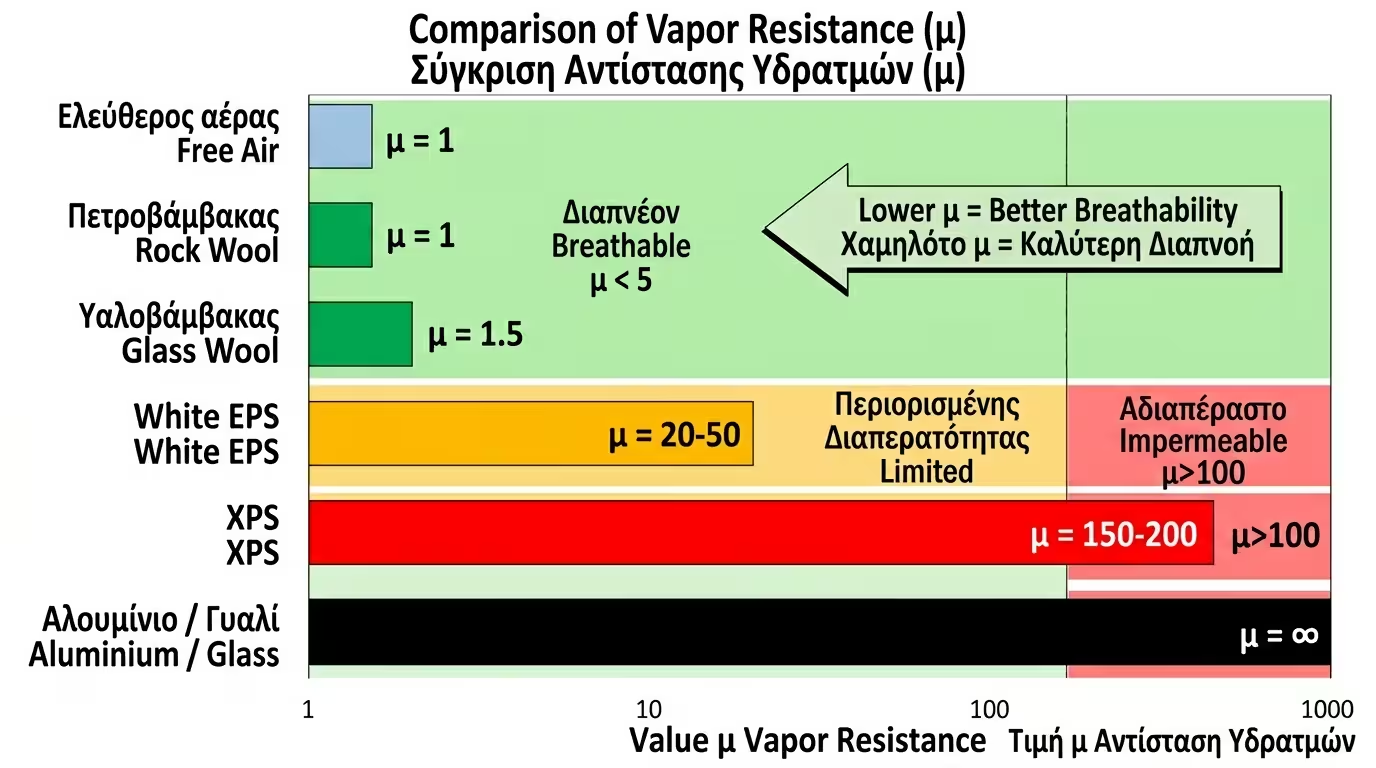
μ = 1 - lets vapour pass 100% freely.
μ = 1 (or 1.5 at most) - practically "invisible" to vapour! They work like Gore-Tex: keeping warmth in, letting moisture escape freely toward the outside.
μ = 20-50 - breathes, but with considerably more difficulty.
μ = 150-200 - practically impermeable.
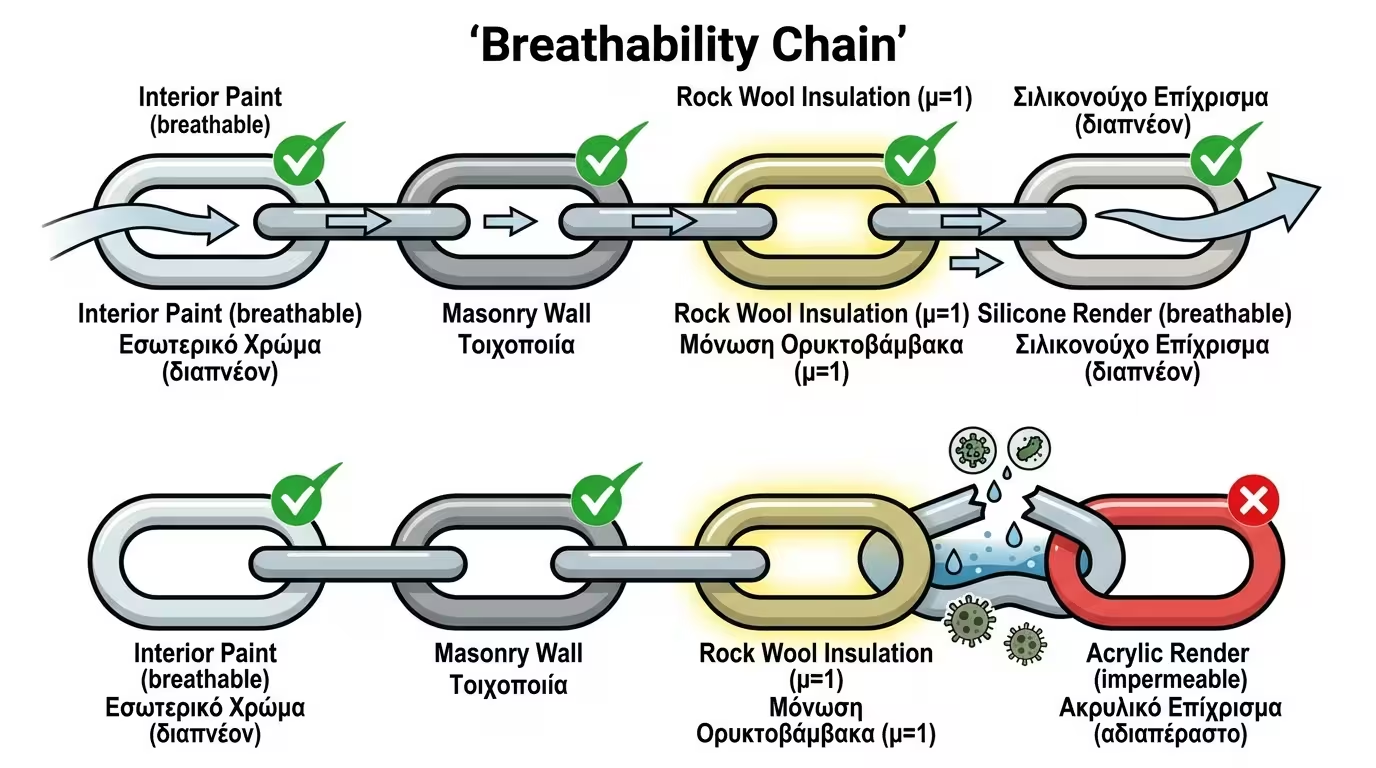
A massive trap awaits: Breathability works like a chain. If one link breaks, the system is nullified.
There is no point paying a premium for breathable rock wool if the contractor then renders it with a cheap, impermeable acrylic render or plastic paint! The moisture will pass easily through the rock wool, hit the plastic render, become trapped there and gradually destroy the insulation.
Mineral materials ALWAYS require companion materials (adhesives, renders, paints) that are also "open" to breathability (such as silicone or silicate renders).
A rainy, cold day. The four-member family in our digital house has been cooking, bathing and drying clothes inside. The windows are closed.
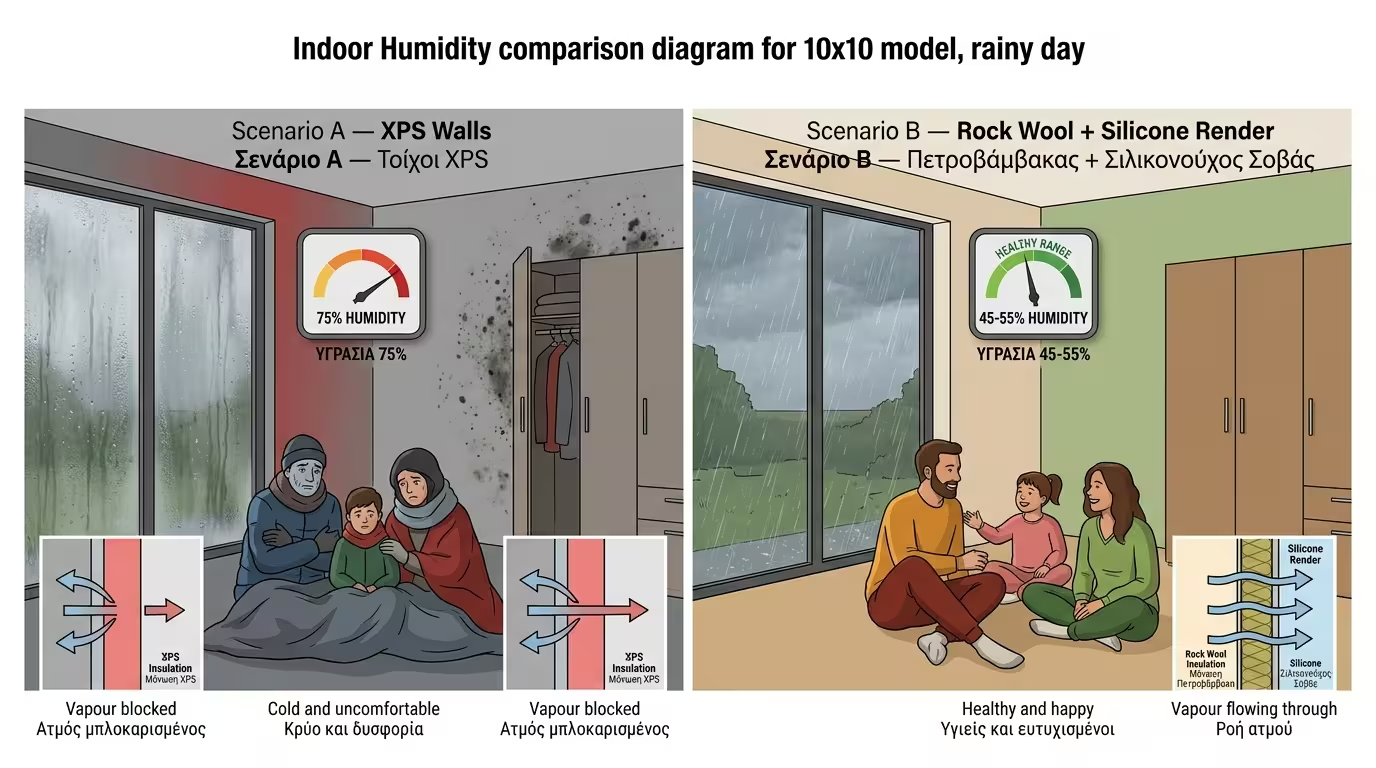
Vapour hits the wall and stops dead. Indoor humidity reaches 75%. Windows fog up (sweat), the cold feeling remains intense despite the insulation. Within just a few weeks: black mould appears both behind the wardrobes and in every corner.
The wall "breathes" freely. Vapour travels slowly and steadily through the rock wool fibres, passes through the silicone render and is expelled into the outdoor environment. Indoor humidity balances naturally at the ideal 45%-55%. The atmosphere inside the home is dry, warm and perfectly healthy.
💡 Conclusion: Breathability does not replace daily ventilation (windows must be opened regularly for fresh oxygen). However, mineral materials are the ultimate "safety valve" guaranteeing that your walls will never become a breeding ground for fungi. It is critical, though, that they are combined with the correct companion materials.
Return to category.
Go to categoryReturn to the central guide.
Go to guide